
Navigating the complexities of the Internal Revenue Service (IRS) is a cornerstone of responsible personal and business finance. For many, the transition from filing a return to actually executing the payment can be fraught with anxiety. However, in the modern financial landscape, the IRS has evolved significantly, offering a suite of digital and traditional tools designed to streamline the payment process. Whether you are a salaried employee with a surprise balance, a freelancer managing quarterly estimates, or a small business owner overseeing corporate liabilities, understanding the mechanics of tax payments is essential for maintaining a healthy financial profile and avoiding unnecessary penalties.
Effective tax management is not merely about compliance; it is about cash flow optimization and leveraging the right financial tools to ensure your capital is handled securely. This guide explores the diverse ecosystems available for paying federal taxes, categorized by their utility for personal and business finance.
1. Digital Payment Ecosystems: Direct Pay and Online Accounts
The most efficient way to interact with the IRS in the 21st century is through their digital-first platforms. These tools are designed for speed, security, and immediate confirmation, which are critical for high-stakes financial transactions.
IRS Direct Pay: The Gold Standard for Individuals
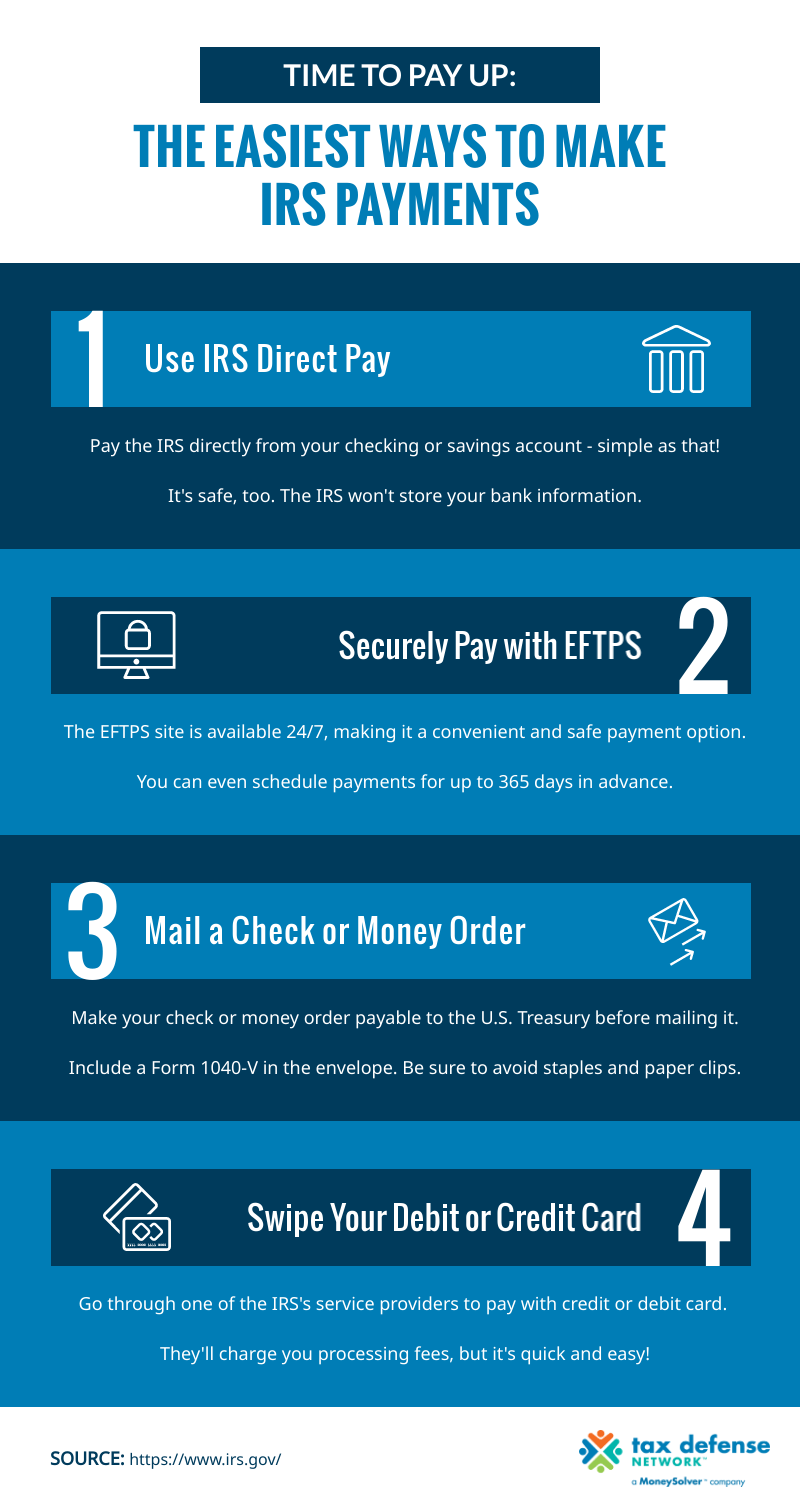
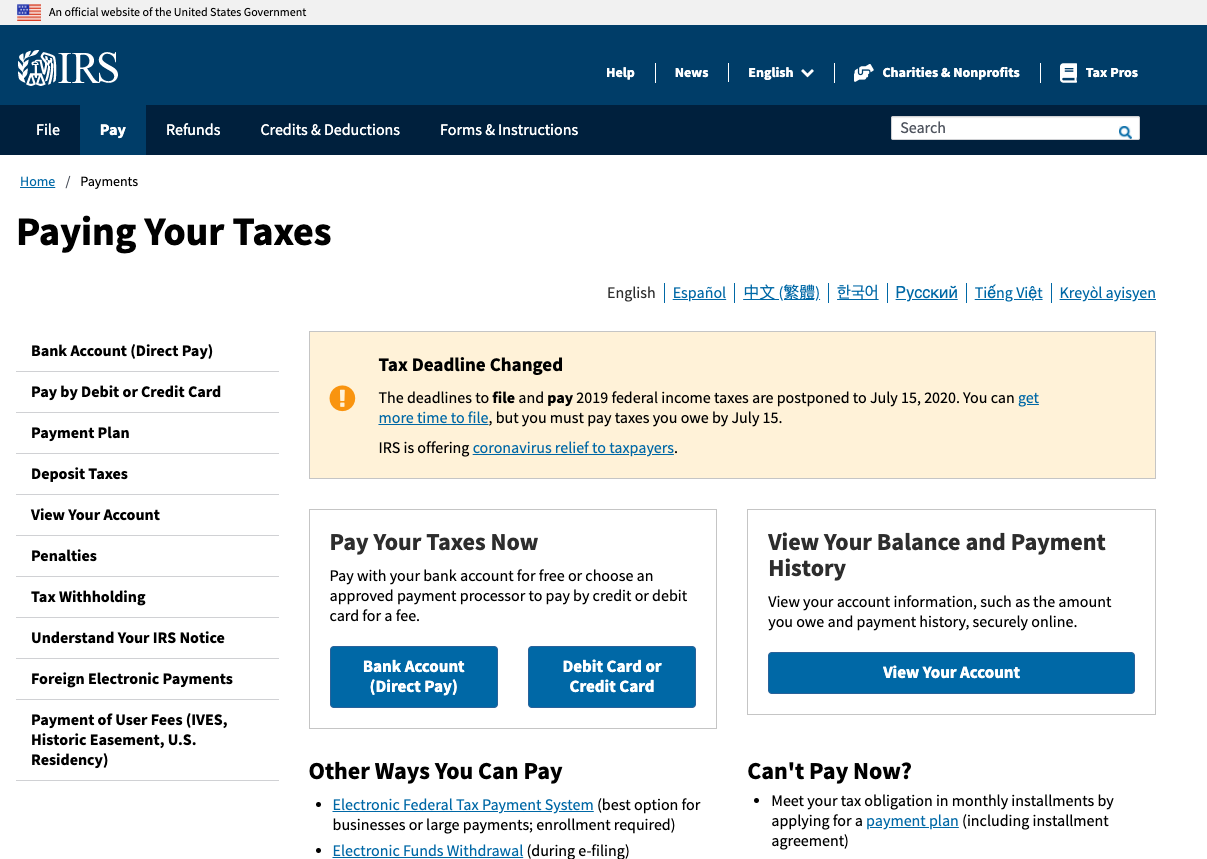
For the vast majority of individual taxpayers, IRS Direct Pay is the most seamless tool available. This service allows you to pay your income tax directly from your checking or savings account without any additional fees. From a personal finance perspective, this is the preferred method because it eliminates the middleman and ensures that 100% of your funds go toward your liability rather than processing fees.
When using Direct Pay, you can clear various types of obligations, including 1040 individual returns, amended returns, and estimated tax payments. The system requires identity verification based on a prior year’s tax return, ensuring that your financial data remains secure. One strategic advantage of Direct Pay is the ability to schedule payments up to 365 days in advance, allowing for meticulous cash flow planning.
The IRS Online Account Portal
Beyond a simple one-time payment, the IRS Online Account portal serves as a comprehensive financial dashboard. By creating an account, you gain transparency into your tax history, including the total balance owed, payment history, and any key notices from the agency.
For those focused on long-term financial health, this portal is invaluable. It allows you to view your Digital Transcript, which is often required for significant financial milestones like applying for a mortgage or a business loan. Seeing your balance update in real-time provides peace of mind that your financial obligations have been satisfied.
Mobile Payments and the IRS2Go App
As mobile banking becomes the norm, the IRS2Go app offers a portable solution for tax payments. Available on both iOS and Android, the app provides a secure gateway to Direct Pay or credit card processors. While it offers the same functionality as the desktop version, the convenience of managing tax liabilities on the go is a significant benefit for busy professionals and digital nomads who may not always have access to a traditional workspace.
2. Business Finance and High-Volume Strategy: EFTPS and Estimated Payments
For business owners, entrepreneurs, and high-net-worth individuals, tax payments are rarely a once-a-year event. Managing business finance requires a more robust system capable of handling frequent, large-scale transactions.
The Electronic Federal Tax Payment System (EFTPS)
EFTPS is the “power user” version of IRS payment tools. While individuals can use it, it is primarily designed for businesses and those making significant quarterly estimated payments. Unlike Direct Pay, which is a “guest” service, EFTPS requires a formal enrollment process. Once you enroll, you receive a PIN via mail, adding an extra layer of security to your business’s financial accounts.
The primary advantage of EFTPS in a business context is its reporting capability. It maintains a 16-month history of all payments made, which is essential for bookkeepers and CPAs during audit preparation or end-of-year reconciliations. Furthermore, it allows for “batch” payments, which is a necessity for businesses managing payroll taxes or multiple types of excise taxes.
Managing Quarterly Estimated Taxes
In the realm of side hustles and independent contracting, the “pay-as-you-go” nature of the U.S. tax system can be a trap for the unprepared. If you expect to owe more than $1,000, the IRS generally expects quarterly payments.
Strategically, this requires a disciplined approach to personal finance. Many successful freelancers set aside 25-30% of every check into a dedicated high-yield savings account. By using EFTPS or Direct Pay to remit these funds every quarter (April, June, September, and January), you avoid “sticker shock” in April and protect yourself from underpayment penalties. Treating your tax liability as a recurring business expense rather than a year-end surprise is the hallmark of a sophisticated financial strategy.
Credit and Debit Card Considerations
The IRS does not process card payments directly; instead, they use third-party processors like PayUSAtax or ACI Payments, Inc. While this method is convenient, it comes with a cost—usually a percentage-based convenience fee for credit cards or a flat fee for debit cards.
From a financial tool perspective, this method is only advisable if you are “points-hacking.” If the rewards or cash back earned from your credit card exceed the 1.8% to 2% processing fee, it can be a savvy move to pay via card. However, for most taxpayers, the interest rates on credit card debt far outweigh any benefit, so this should only be done if the balance can be paid off immediately.
3. Alternative Payment Solutions: Installment Plans and Cash Options
Financial setbacks are a reality of life. The IRS provides several avenues for those who cannot pay their full balance immediately, ensuring that temporary cash flow issues do not spiral into long-term financial ruin.
Short-Term and Long-Term Installment Agreements
If your financial assessment reveals that you cannot pay in full, the IRS offers Payment Plans (Installment Agreements).
- Short-term plans: These give you up to 180 days to pay the liability in full. These are generally easier to set up and have lower associated fees.
- Long-term plans: These are for balances that will take more than six months to clear. They involve a monthly direct debit from your bank account.
Setting up an installment agreement is a proactive financial move. It stops the IRS from initiating more aggressive collection actions, such as wage garnishments or bank levies. While interest and late-payment penalties still accrue, they are often reduced once a formal plan is in place.
The “Offer in Compromise” (OIC)
In extreme cases of financial hardship, the IRS may allow an “Offer in Compromise.” This is a tool that allows you to settle your tax debt for less than the full amount you owe. However, the barrier to entry is high. The IRS evaluates your income, expenses, asset equity, and future earning potential. In the world of personal finance, an OIC is a “nuclear option”—it is a complex process that often requires professional tax representation, but it can provide a fresh start for those in dire financial straits.
Retail Cash Payments
It may surprise some to learn that the IRS accepts cash. Through partnerships with retail chains like 7-Eleven, Walgreens, and CVS, taxpayers can use the “Pay with Cash” option. This is a vital tool for the “unbanked” or “underbanked” population. To use this, you must start the process on the IRS website to receive a secure code, which you then take to a participating retailer. Note that there are daily limits and processing times (usually 2-3 business days), so this method requires advance planning.
4. Financial Security and Best Practices in Tax Remittance
When dealing with large sums of money and sensitive government entities, security is paramount. The intersection of finance and digital security is where many taxpayers are most vulnerable.
Protecting Against Phishing and Scams
The IRS will never initiate contact with taxpayers by email, text messages, or social media channels to request personal or financial information. One of the most common financial scams involves “spoofed” calls claiming you owe immediate money to the IRS and demanding payment via gift cards or wire transfers.
Legitimate payments should only be made through the official portals (IRS.gov) or authorized processors. By sticking to the tools mentioned in Section 1 and Section 2, you ensure that your money reaches the Treasury and your identity remains protected.
Record Keeping and Documentation
In business finance, a transaction isn’t “finished” until the documentation is filed. Every time you make an IRS payment, you receive a confirmation number. You should treat this number with the same care you would a property deed or a birth certificate.
Digital record-keeping is the most efficient approach. Save a PDF of every payment confirmation and store it in an encrypted cloud drive or a dedicated “Tax” folder on your hard drive. Should the IRS ever claim a payment was missed, having the date, amount, and confirmation number is your primary line of defense.
Reconciling with Your Bank Statements
Professional financial management requires a “double-check” system. After making a payment, monitor your bank account or credit card statement to ensure the exact amount was debited. Sometimes, user errors (such as double-clicking a submit button or entering a wrong digit) can lead to payment failures. Catching these errors within 24 hours can prevent late fees and the headache of rectifying a misapplied payment later in the year.
Summary: Choosing the Right Financial Path
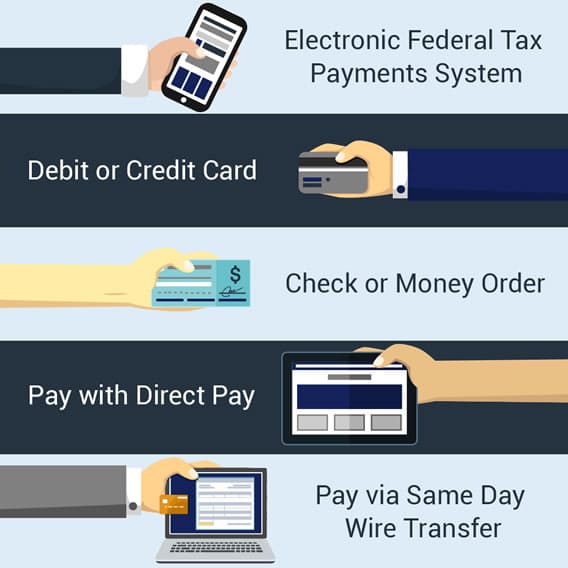
Paying the IRS is a multi-faceted process that depends entirely on your unique financial situation. For the average individual, IRS Direct Pay offers a free, fast, and secure way to stay compliant. For the business owner or high-earner, EFTPS provides the rigorous tracking and batching capabilities necessary for complex financial management. And for those facing hardships, Installment Agreements offer a structured path toward financial stability.
By treating tax payments as a strategic component of your broader financial life—rather than a burdensome chore—you can utilize these tools to maintain liquidity, protect your credit, and ensure long-term peace of mind. The modern taxpayer has more control than ever before; the key is knowing which digital tool to use and when to use it.
aViewFromTheCave is a participant in the Amazon Services LLC Associates Program, an affiliate advertising program designed to provide a means for sites to earn advertising fees by advertising and linking to Amazon.com. Amazon, the Amazon logo, AmazonSupply, and the AmazonSupply logo are trademarks of Amazon.com, Inc. or its affiliates. As an Amazon Associate we earn affiliate commissions from qualifying purchases.