
Navigating the complexities of the tax system is a fundamental pillar of personal and business finance. For many, the question “how do you pay your taxes” evokes a sense of dread, yet it is one of the most critical financial processes an individual or business owner will master. In an era of digital transformation, the methods available for settling your obligations with the government have evolved from simple paper checks to sophisticated electronic systems. Understanding these mechanisms is not just about staying compliant; it is about optimizing your cash flow, leveraging financial tools, and ensuring your long-term fiscal health.
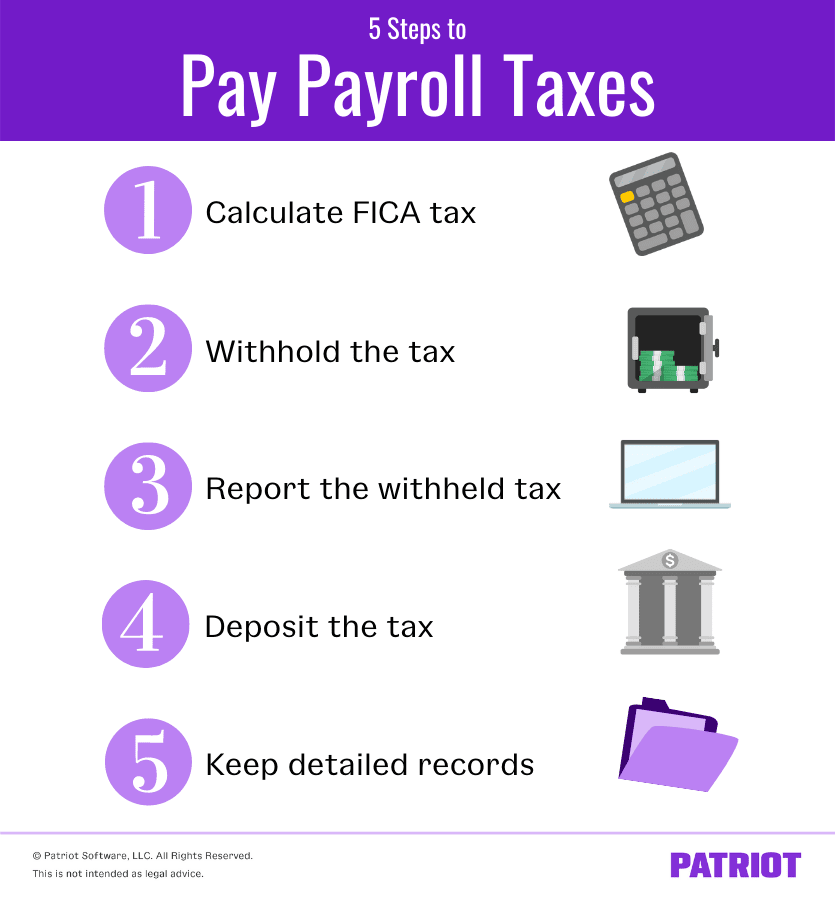
Understanding Your Tax Liability and Filing Options
Before you can determine the “how” of payment, you must grasp the “what” and “when” of your liability. Taxes are not a monolithic entity; they are a mosaic of federal, state, and local obligations that vary based on your income source and legal status.
Identifying Your Tax Filing Status
Your financial journey begins with identifying your filing status. Whether you are filing as Single, Married Filing Jointly, or Head of Household, your status determines your tax brackets and standard deductions. From a money management perspective, your filing status dictates the total “bill” you are expected to settle. High-net-worth individuals and those with diverse investment portfolios often find that their filing status significantly impacts their liquidity needs when tax season arrives.
The Difference Between Federal and State Obligations
It is a common mistake to treat tax payments as a single transaction. In the United States and many other jurisdictions, federal and state taxes are managed by separate entities—the Internal Revenue Service (IRS) and individual State Departments of Revenue. Each has its own deadlines, payment portals, and accepted methods. For a comprehensive financial plan, you must track these obligations separately to avoid the sting of localized penalties, which can often be more aggressive than federal ones.
Methods of Payment: Navigating the Digital and Traditional Landscape
The modern financial ecosystem offers a plethora of ways to transfer funds to the treasury. Choosing the right method depends on your need for speed, record-keeping preferences, and whether you want to earn financial incentives like credit card rewards.
Electronic Federal Tax Payment System (EFTPS)
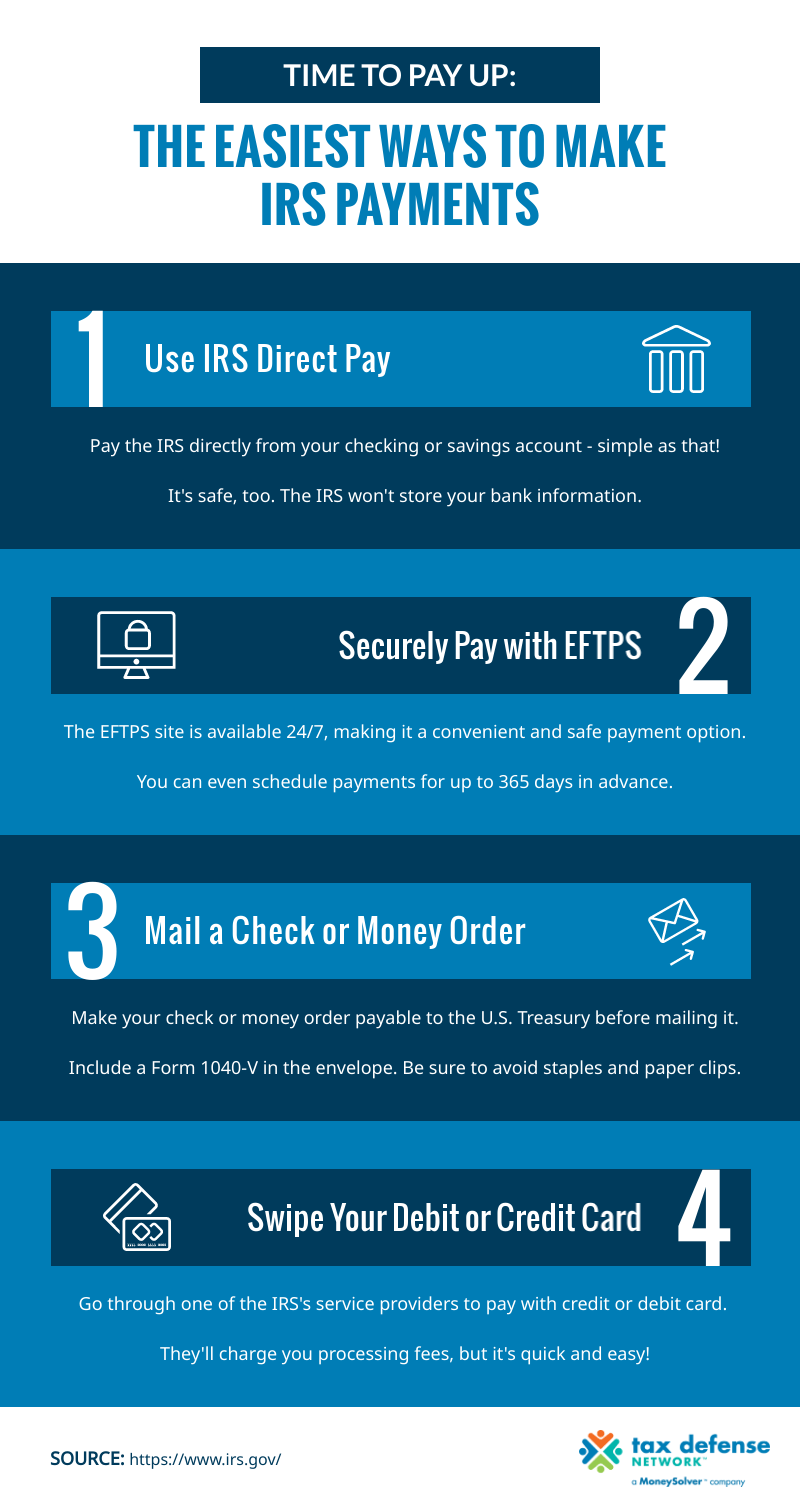
For business owners and high-income earners, the Electronic Federal Tax Payment System (EFTPS) is the gold standard. This is a free service provided by the U.S. Department of the Treasury that allows for secure, scheduled payments. The primary advantage of EFTPS is the ability to schedule payments up to 365 days in advance. This is an essential tool for disciplined financial planning, allowing you to “set and forget” your payments as soon as your quarterly projections are finalized.
Direct Pay and Debit/Credit Options
For the average individual taxpayer, “IRS Direct Pay” is often the most efficient route. It allows you to pay directly from your checking or savings account without any processing fees. However, a growing number of savvy financial planners are opting to pay via credit cards. While this incurs a processing fee (typically between 1.8% and 2%), it can be a strategic move if the rewards, miles, or cash-back earned on the transaction exceed the fee. Furthermore, using a credit card can provide a short-term liquidity bridge if your cash is currently tied up in high-yield investments.
Traditional Paper Checks and Money Orders
While the world moves toward digital, the option to mail a check or money order remains. This method is often preferred by those who want a physical paper trail or who are wary of digital security. When paying by mail, the “how” becomes a matter of logistics: ensuring the payment is postmarked by the deadline and includes the proper voucher (such as Form 1040-V). From a financial standpoint, this is the least efficient method due to the “mail float” and the risk of loss, but it remains a viable backup for many.
Strategic Payment Planning for the Self-Employed and Business Owners
If you earn income through a side hustle, freelance work, or a formal business entity, the question of how you pay your taxes changes from an annual event to a quarterly discipline. Failure to manage this can lead to significant “tax drag” on your business growth.
Mastering Quarterly Estimated Payments
The IRS operates on a “pay-as-you-go” system. If you expect to owe more than $1,000, you are generally required to make quarterly estimated payments using Form 1040-ES. This is where many entrepreneurs fail. A professional approach involves setting aside a fixed percentage of every dollar earned—typically 25% to 30%—into a dedicated tax savings account. By making these payments on April 15, June 15, September 15, and January 15, you avoid underpayment penalties and keep your business finances transparent.
Managing Cash Flow for Year-End Liabilities
Beyond the quarterly estimates, year-end reconciliations can sometimes reveal a larger-than-expected balance. Strategic financial management involves “tax loss harvesting”—selling underperforming investments to offset gains—before the year ends. How you pay at this stage is often a reflection of how well you managed your cash flow throughout the year. Utilizing automated transfers to a business savings account ensures that the money is ready and waiting, preventing a situation where you have to liquidate assets or take out high-interest loans to cover a tax bill.
Dealing with Financial Constraints: Payment Plans and Extensions
Sometimes, despite the best planning, the funds to pay a tax bill are not immediately available. In the realm of personal finance, knowing how to negotiate with the tax authorities is just as important as knowing how to click “submit” on a payment portal.
Short-Term and Long-Term Installment Agreements
The IRS and state agencies are essentially debt collectors, but they are often more flexible than private lenders. If you cannot pay in full, you can apply for an installment agreement. Short-term plans (up to 180 days) often have lower fees, while long-term monthly payment plans allow you to spread the liability over several years. While interest and penalties still accrue, an official agreement protects you from more drastic measures like wage garnishment or tax liens, which can devastate your credit score and financial reputation.
Offers in Compromise and “Currently Not Collectible” Status
In cases of extreme financial hardship, the “how” of paying your taxes might involve an Offer in Compromise (OIC). This is a negotiation where the government agrees to accept less than the full amount owed. It is a rigorous process that requires full disclosure of assets, income, and expenses. Similarly, being placed in “Currently Not Collectible” status pauses collection efforts until your financial situation improves. These are advanced financial strategies that usually require the assistance of a CPA or a tax attorney to navigate successfully.
Utilizing Financial Tools to Streamline Your Tax Process
The final piece of the puzzle is the technology and tooling used to facilitate the payment. In the “Money” niche, the efficiency of your tools directly correlates to the accuracy of your payments.
Integrating Accounting Software with Payment Portals
Modern accounting software like QuickBooks, Xero, or FreshBooks has revolutionized how we pay taxes. These platforms can now sync directly with your bank accounts to categorize expenses and estimate your tax liability in real-time. Many of these tools also offer integrated filing services, where the software calculates the amount and provides a direct link to the payment portal, reducing the risk of manual entry errors that could lead to audits or overpayments.

The Role of High-Yield Savings Accounts in Tax Readiness
One of the smartest financial moves a taxpayer can make is the use of a “Tax Sinking Fund.” By using a high-yield savings account (HYSA) to store tax reserves, you are essentially getting paid to wait for your tax deadline. While the funds sit in the account, they accrue interest, which can help offset some of the eventual tax liability. This turns the obligation of paying taxes into a minor yield-generating strategy, ensuring that your money is working for you until the very moment it is sent to the treasury.
In conclusion, “how you pay your taxes” is a multifaceted decision that touches upon digital security, cash flow management, and strategic financial planning. Whether you are a W-2 employee using Direct Pay or a business owner managing complex EFTPS schedules, the goal remains the same: seamless compliance with minimal friction. By viewing tax payment as a year-round financial process rather than a springtime emergency, you can maintain control over your capital and ensure your financial house remains in order.
aViewFromTheCave is a participant in the Amazon Services LLC Associates Program, an affiliate advertising program designed to provide a means for sites to earn advertising fees by advertising and linking to Amazon.com. Amazon, the Amazon logo, AmazonSupply, and the AmazonSupply logo are trademarks of Amazon.com, Inc. or its affiliates. As an Amazon Associate we earn affiliate commissions from qualifying purchases.