
The digital transformation of the financial world has simplified many aspects of our lives, from banking to investing. However, perhaps no area has benefited more from this shift than the administration of personal and business taxes. Moving away from the era of paper checks, postage stamps, and the anxiety of “lost in the mail” documentation, the Internal Revenue Service (IRS) and various financial technology platforms now offer a suite of electronic payment options. Understanding how to pay federal taxes online is no longer just a convenience; it is a critical component of modern financial management that ensures accuracy, security, and timely compliance.

Direct Payment Methods: Efficiency Without the Fees
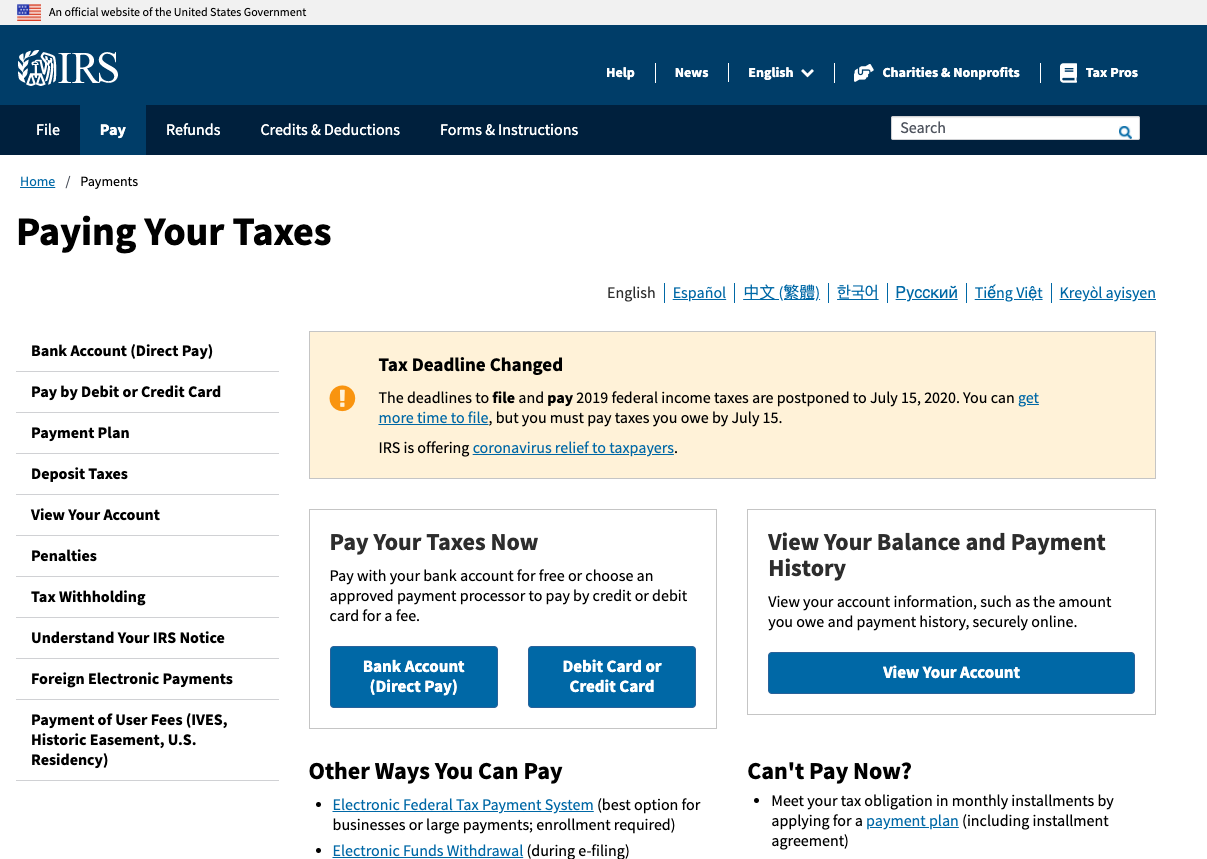
For the majority of taxpayers, the most straightforward way to settle a federal tax bill is through direct transfer from a checking or savings account. This method, often referred to as an ACH (Automated Clearing House) transfer, is the gold standard for those looking to avoid processing fees while ensuring their payment is logged instantly.
IRS Direct Pay
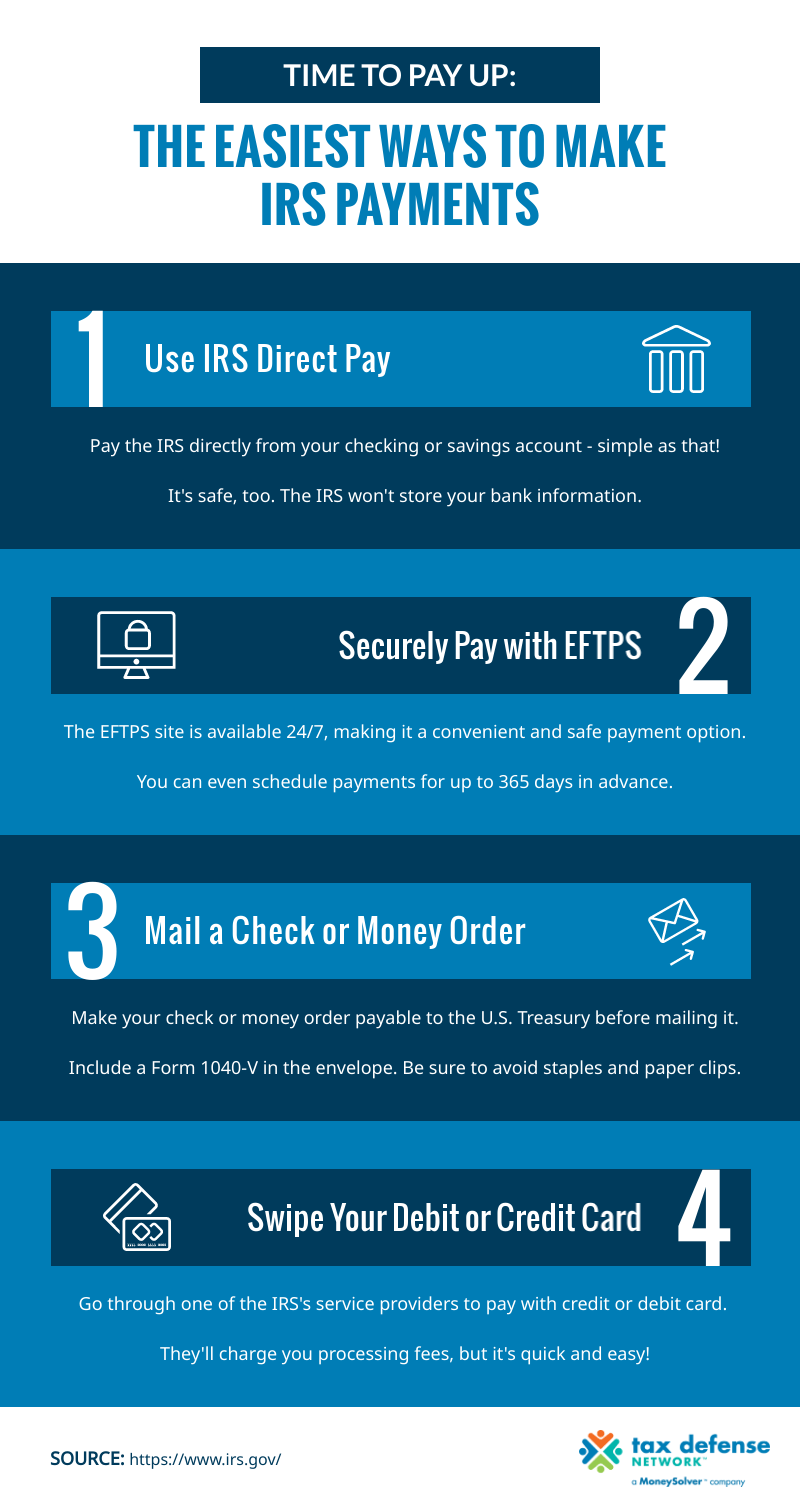
IRS Direct Pay is the flagship service for individual taxpayers. It allows you to pay your income tax directly from your bank account without any prior registration. This tool is particularly useful for those paying Form 1040 (individual income tax), estimated taxes, or extensions. The process is divided into five simple steps: providing your tax information, verifying your identity through a previous year’s tax return, entering the payment amount, providing bank details, and receiving a confirmation number. Because there is no fee associated with Direct Pay, it is the most cost-effective solution for personal finance management.
The Electronic Federal Tax Payment System (EFTPS)
While Direct Pay is designed for quick, individual transactions, the Electronic Federal Tax Payment System (EFTPS) is a more robust financial tool suitable for both individuals and businesses. EFTPS requires a registration process, after which you receive a PIN by mail. Once enrolled, you can schedule payments up to 365 days in advance. This is an invaluable feature for high-net-worth individuals or small business owners who need to manage their cash flow by scheduling quarterly estimated payments ahead of time. EFTPS provides a comprehensive history of your digital payments, making it an excellent resource for year-end accounting and audit preparation.
Leveraging Credit, Debit, and Digital Wallets
In the realm of personal finance, some taxpayers prefer to use credit or debit cards to settle their debts. While the IRS does not collect fees for these transactions, they utilize third-party payment processors that do. Choosing this route requires a strategic assessment of the costs versus the benefits, such as earning credit card rewards or maintaining liquid cash reserves.
Navigating Third-Party Payment Processors
The IRS currently authorizes several payment processors, such as ACI Payments, Inc., and Pay1040. These platforms accept Visa, Mastercard, Discover, and American Express, as well as digital wallets like PayPal and Google Pay. The primary advantage here is speed and the ability to use a line of credit if your immediate cash flow is tight. For many, the convenience of a “one-click” style payment via a digital wallet is worth the small administrative hurdle of using an external site.
Analyzing the Cost-Benefit Ratio of Fees
When paying with a debit or credit card, you will encounter a convenience fee. For debit cards, this is usually a flat fee (often under $3.00), while for credit cards, it is a percentage of the total payment (typically ranging from 1.82% to 1.98%). From a financial strategy perspective, this only makes sense if the rewards, points, or cash-back earned on the credit card exceed the processing fee, or if the user is utilizing a 0% APR introductory period to bridge a temporary financial gap. It is vital to calculate these figures beforehand to ensure that the “convenience” of the card doesn’t result in an unnecessary financial loss.
Integrated Tax Software and Professional E-Filing
For many Americans, the payment of taxes is inextricably linked to the filing of the return itself. Integrated financial software has become the primary bridge between tax preparation and tax payment, offering a “one-stop-shop” experience that reduces the margin for manual entry errors.
Seamless Payment through E-File
When using popular tax preparation software like TurboTax, H&R Block, or FreeTaxUSA, you are given the option to pay your balance due at the moment you submit your return. This is often done via “electronic funds withdrawal” (EFW). EFW allows you to e-file and e-pay in a single step. You can specify the date you want the funds to be withdrawn, allowing you to file your return in February but delay the actual payment until the April deadline. This level of control is a significant advantage for those who want to maximize the interest earned in their high-yield savings accounts until the last possible moment.
The Role of IRS Free File
For those with an Adjusted Gross Income (AGI) below a certain threshold, IRS Free File provides access to brand-name tax software at no cost. These programs include integrated payment modules that facilitate online payments via bank transfer or card. By utilizing these tools, lower-to-middle-income taxpayers can access professional-grade financial tools that ensure they are taking advantage of all eligible credits and deductions while settling their liabilities through secure, encrypted channels.
Business and Self-Employed Tax Obligations
For entrepreneurs, freelancers, and small business owners, paying taxes online is not just a preference—it is often a legal necessity or a vital business practice to avoid hefty penalties. The financial infrastructure for business taxes is slightly more complex, requiring a disciplined approach to estimated tax payments.
Quarterly Estimated Payments and Cash Flow
The U.S. tax system is a “pay-as-you-go” system. If you are self-employed or have a side hustle, you are generally required to make quarterly estimated tax payments if you expect to owe $1,000 or more. Online platforms make this much easier to manage. By using the “Estimated Tax” category on IRS Direct Pay or EFTPS, you can send payments in April, June, September, and January. From a business finance perspective, automating or scheduling these payments ensures that you do not face a massive, unmanageable tax bill at the end of the fiscal year, thereby protecting your business’s working capital.
Employment Taxes and Corporate Liabilities
Businesses with employees have the added responsibility of depositing employment taxes, including social security, Medicare, and withheld income tax. The IRS typically requires these deposits to be made via EFTPS. For corporate entities filing Form 1120, the online payment system is the only way to ensure that large sums are transferred securely and tracked with a digital paper trail. Utilizing online portals for these transactions provides the transparency needed for corporate governance and eases the burden on internal accounting teams.
Security, Documentation, and Best Practices
The transition to online tax payments brings with it the responsibility of digital security and record-keeping. As financial transactions move online, so do the threats of phishing and identity theft. Protecting your financial identity is as important as paying the tax itself.
Safeguarding Your Financial Identity
It is a fundamental rule of personal finance that the IRS does not initiate contact with taxpayers by email, text messages, or social media channels to request personal or financial information. When paying online, always ensure you are on a “.gov” website or an authorized processor’s site. Look for the padlock icon in the browser address bar, which indicates a secure, encrypted connection. Using a dedicated, secure home network rather than public Wi-Fi when making tax payments is a simple yet effective way to protect your sensitive bank or credit card data from interception.
Maintaining a Digital Audit Trail
The final step in paying federal taxes online is the retention of records. Every online payment method provides a confirmation number or a downloadable receipt. In the world of finance, these digital receipts are your primary defense in the event of a discrepancy or an IRS inquiry. It is recommended to save these confirmations as PDFs and back them up in a secure, encrypted cloud storage service or a physical drive. Having a chronological record of every “Payment Confirmed” screen ensures that your financial history is organized, making future loan applications, mortgage approvals, or audits significantly less stressful.
In conclusion, the ability to pay federal taxes online represents a significant leap forward in financial empowerment. By choosing the right method—whether it be the cost-free IRS Direct Pay, the structured EFTPS, or the reward-generating third-party processors—you can tailor your tax payments to fit your broader financial strategy. Embracing these digital tools not only saves time and money but also provides the security and transparency necessary to navigate the modern economic landscape with confidence.
aViewFromTheCave is a participant in the Amazon Services LLC Associates Program, an affiliate advertising program designed to provide a means for sites to earn advertising fees by advertising and linking to Amazon.com. Amazon, the Amazon logo, AmazonSupply, and the AmazonSupply logo are trademarks of Amazon.com, Inc. or its affiliates. As an Amazon Associate we earn affiliate commissions from qualifying purchases.