
The financial landscape is in a constant state of flux, shaped by a complex web of economic data, corporate performance, and global events. For investors looking to navigate the complexities of “what’s happening in the stock market today,” understanding the underlying drivers of price action is more critical than ever. We are currently witnessing a unique era where traditional valuation metrics are clashing with rapid technological shifts and shifting monetary policies.
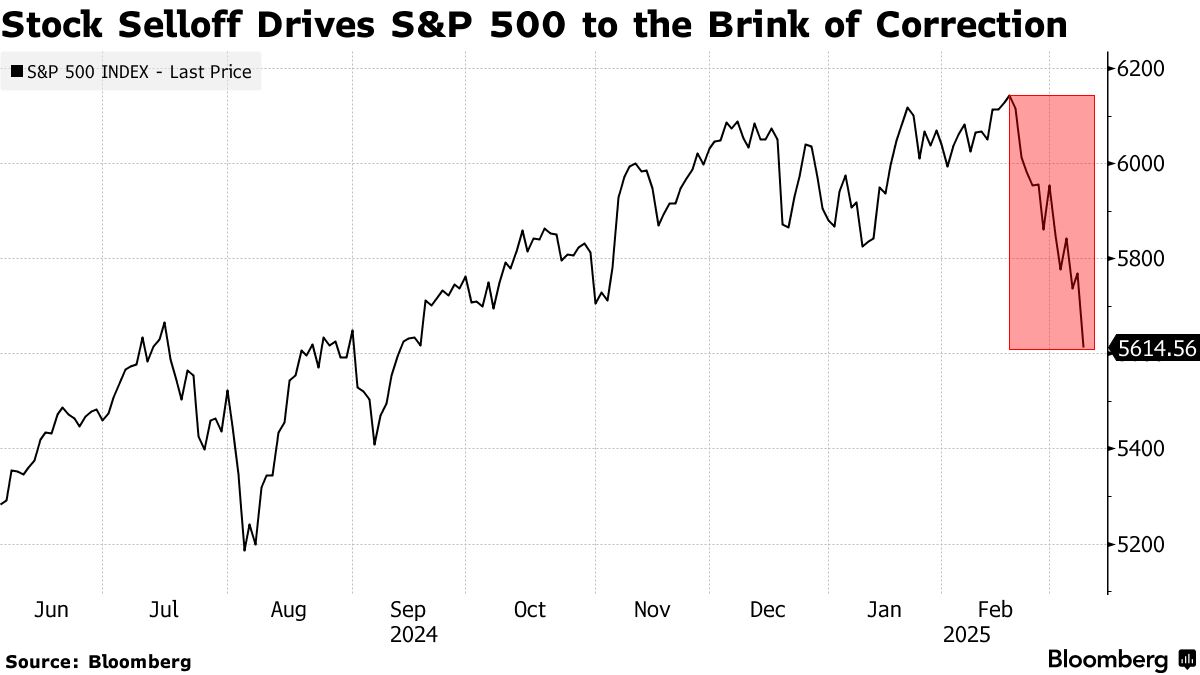
To succeed in this environment, one must look beyond the daily fluctuations of the Dow Jones or the S&P 500 and examine the structural forces at play. From the Federal Reserve’s interest rate path to the nuances of corporate earnings, this guide breaks down the essential factors defining the modern stock market.
1. The Macroeconomic Landscape: Central Banks and Inflation
The most significant driver of market sentiment today remains the macroeconomic environment, specifically the interplay between inflation and central bank policy. For the past several years, the “higher for longer” narrative regarding interest rates has dominated headlines, creating a tug-of-war between growth-oriented assets and fixed-income securities.
The Role of the Federal Reserve and Interest Rate Trajectories
The Federal Reserve’s Federal Open Market Committee (FOMC) is the primary architect of market liquidity. When the Fed raises rates to combat inflation, borrowing becomes more expensive for corporations and consumers alike. This typically leads to a compression in price-to-earnings (P/E) multiples, particularly for high-growth tech stocks that rely on future cash flows. Conversely, when the market senses a “pivot”—a shift toward cutting rates—equities often rally in anticipation of cheaper capital and stimulated economic growth.
Inflationary Pressures and Consumer Spending Patterns
Investors today are hyper-focused on the Consumer Price Index (CPI) and the Personal Consumption Expenditures (PCE) price index. These metrics determine whether inflation is “sticky” or receding toward the Fed’s 2% target. Today’s market is particularly sensitive to consumer behavior. Despite inflationary pressures, consumer spending has shown remarkable resilience in certain sectors, while showing signs of fatigue in others, such as retail and hospitality. This divergence creates a “K-shaped” recovery within the stock market, where some companies thrive while others struggle under the weight of rising input costs.
The Yield Curve and Recessionary Fears
The bond market often serves as a crystal ball for the stock market. An inverted yield curve—where short-term Treasury yields are higher than long-term yields—has historically been a reliable precursor to a recession. Today’s investors are monitoring the “un-inversion” of the curve, seeking signs of a “soft landing,” where inflation is tamed without triggering a significant economic downturn.
2. Sector-Specific Performance: Identifying Market Leaders
The stock market is not a monolith; it is a “market of stocks.” Understanding what is happening today requires a deep dive into which sectors are leading the charge and which are acting as a drag on the broader indices.
The Dominance of Large-Cap Growth and the AI Revolution
Perhaps the most notable trend in recent history is the concentration of gains in a handful of massive technology firms, often referred to as the “Magnificent Seven.” The explosion of interest in Artificial Intelligence (AI) has fundamentally altered the valuation landscape. Companies involved in semiconductor manufacturing, cloud infrastructure, and software integration are seeing unprecedented capital inflows. For the investor, the challenge is discerning between companies with genuine AI-driven revenue and those merely riding the wave of speculative hype.
Defensive Sectors vs. Cyclical Stocks
In times of uncertainty, capital often rotates into defensive sectors like Utilities, Consumer Staples, and Healthcare. These companies tend to provide steady dividends and essential services that remain in demand regardless of the economic climate. On the other hand, cyclical sectors like Industrials, Materials, and Energy are highly sensitive to the global economic cycle. Today, we see a cautious rotation where investors are balancing their portfolios with “value” stocks to hedge against potential volatility in the high-flying tech sector.
The Energy Transition and Commodity Volatility
The global shift toward green energy and the ongoing reliance on traditional fossil fuels have made the Energy sector a hotbed of activity. Supply constraints, geopolitical tensions in oil-producing regions, and the growing demand for “green metals” like copper and lithium are driving significant price movements. Investors today must account for both the short-term volatility of crude oil and the long-term structural shift toward renewable energy infrastructure.
3. Corporate Earnings and Fundamental Health
While macro data sets the stage, corporate earnings are the ultimate “truth serum” for the stock market. What’s happening today in the market is often a direct reflection of how well companies are managing their bottom lines in a challenging environment.
Analyzing Quarterly Reports and Forward Guidance
Earnings season is a pivotal time for the market. However, a company “beating” its earnings-per-share (EPS) estimates is often not enough to drive the stock price higher. The market is forward-looking; therefore, “guidance”—the company’s forecast for future quarters—carries more weight. If a company reports record profits but warns of slowing demand or rising labor costs, its stock may sell off sharply.
Profit Margins in an Era of High Operating Costs
Investors are currently scrutinizing profit margins. With wage growth remaining elevated and supply chain costs fluctuating, the ability of a company to maintain or expand its margins is a sign of “pricing power.” Companies that can pass on higher costs to consumers without losing market share are currently the darlings of Wall Street. Conversely, companies in highly competitive industries with low barriers to entry are seeing their margins squeezed, leading to underperformance.
The Rise of Share Buybacks and Dividends
In an environment where organic growth may be slowing, many corporations are returning value to shareholders through aggressive share buyback programs and dividend increases. This provides a floor for stock prices and signals management’s confidence in their financial stability. For income-focused investors, identifying companies with sustainable free cash flow to support these payouts is a primary objective in today’s market.
4. Geopolitical Volatility and Global Market Integration
The stock market does not exist in a vacuum. Today’s global economy is more interconnected than ever, meaning that events occurring thousands of miles away can have an immediate impact on a domestic portfolio.
Impact of International Conflicts on Energy and Commodities
Geopolitical tensions in Europe and the Middle East continue to cast a shadow over the markets. These conflicts often lead to “risk-off” sentiment, where investors flee equities in favor of safe-haven assets like Gold and US Treasuries. Furthermore, disruptions to shipping lanes or energy pipelines can lead to sudden spikes in commodity prices, fueling inflation and complicating the task of central banks.
Supply Chain Stability and Global Trade Relations
The “Just-in-Time” supply chain model of the past decade is being replaced by “Just-in-Case” strategies. Companies are diversifying their manufacturing bases away from single-source dependencies to mitigate geopolitical risks. This shift, often called “near-shoring” or “friend-shoring,” has significant implications for the manufacturing and logistics sectors. Investors are closely watching trade relations between the world’s major economies, as tariffs and trade restrictions can quickly alter the profitability of multinational corporations.
5. Strategic Approaches for the Modern Investor
Given the complexity of what is happening in the stock market today, a disciplined and strategic approach is essential for long-term wealth preservation and growth.
The Importance of Diversification and Asset Allocation
The adage “don’t put all your eggs in one basket” remains the cornerstone of sound investing. In a market dominated by a few large tech companies, the risk of “concentration” is high. A well-diversified portfolio should include exposure to various sectors, market caps (large, mid, and small), and geographical regions. Additionally, balancing equities with fixed income, real estate, or alternative assets can help dampen volatility during market downturns.
Managing Psychology: Avoiding Emotional Trading
The digital age has made market data more accessible, but it has also increased the noise. Social media and 24-hour news cycles often amplify fear and greed, leading investors to make impulsive decisions. Successful investors today are those who stick to a pre-defined investment thesis and avoid the temptation to “time the market.” Whether the market is at an all-time high or in a correction, maintaining a long-term perspective is the most effective way to harness the power of compounding.
Utilizing Modern Financial Tools
From low-cost index funds and ETFs to sophisticated AI-driven analytical platforms, investors have more tools at their disposal than ever before. Understanding how to use these tools—to rebalance portfolios, analyze fundamental data, or execute tax-loss harvesting—is a key component of modern financial literacy.
In conclusion, what is happening in the stock market today is a multifaceted story of economic transition. While challenges such as inflation and geopolitical strife persist, they are balanced by incredible technological innovation and resilient corporate fundamentals. By staying informed on macroeconomic trends, sector dynamics, and the importance of disciplined strategy, investors can navigate this landscape with confidence and clarity.
aViewFromTheCave is a participant in the Amazon Services LLC Associates Program, an affiliate advertising program designed to provide a means for sites to earn advertising fees by advertising and linking to Amazon.com. Amazon, the Amazon logo, AmazonSupply, and the AmazonSupply logo are trademarks of Amazon.com, Inc. or its affiliates. As an Amazon Associate we earn affiliate commissions from qualifying purchases.