
The Nasdaq stock market has become synonymous with innovation, technology, and growth. For many investors, it conjures images of Silicon Valley giants and disruptive startups. While this perception holds significant truth, the full scope of companies listed on the Nasdaq exchange and included in its various indices is far more diverse and nuanced than commonly understood. Understanding its composition is crucial for anyone looking to invest in or comprehend the dynamics of this pivotal market segment. This article will delve into the intricacies of the Nasdaq, shedding light on its structure, the types of companies it hosts, and what it means for investors.
Understanding The Nasdaq: More Than Just Tech
The Nasdaq Stock Market is the second-largest stock exchange in the world by market capitalization, trailing only the New York Stock Exchange (NYSE). What sets it apart is its pioneering role as the world’s first electronic stock market, established in 1971. This innovative approach allowed for faster, more efficient trading, laying the groundwork for its eventual dominance among growth-oriented companies.
The Nasdaq Composite vs. The Nasdaq 100
When people refer to “the Nasdaq,” they are often, inadvertently, simplifying a complex ecosystem. There are two primary indices associated with the Nasdaq that are frequently referenced, and understanding the distinction between them is vital:
-
The Nasdaq Composite Index: This is the broadest measure of the Nasdaq stock market. It includes all common stocks and similar securities listed on the Nasdaq Stock Market. As of early 2024, this means over 3,000 companies across a wide spectrum of industries. While technology companies do represent a significant portion of its total market capitalization, the Composite is truly a cross-section of global innovation, encompassing everything from biotechnology firms to retailers, industrial companies, and media giants. Its broad nature makes it a comprehensive barometer for the overall performance of the Nasdaq exchange.
-
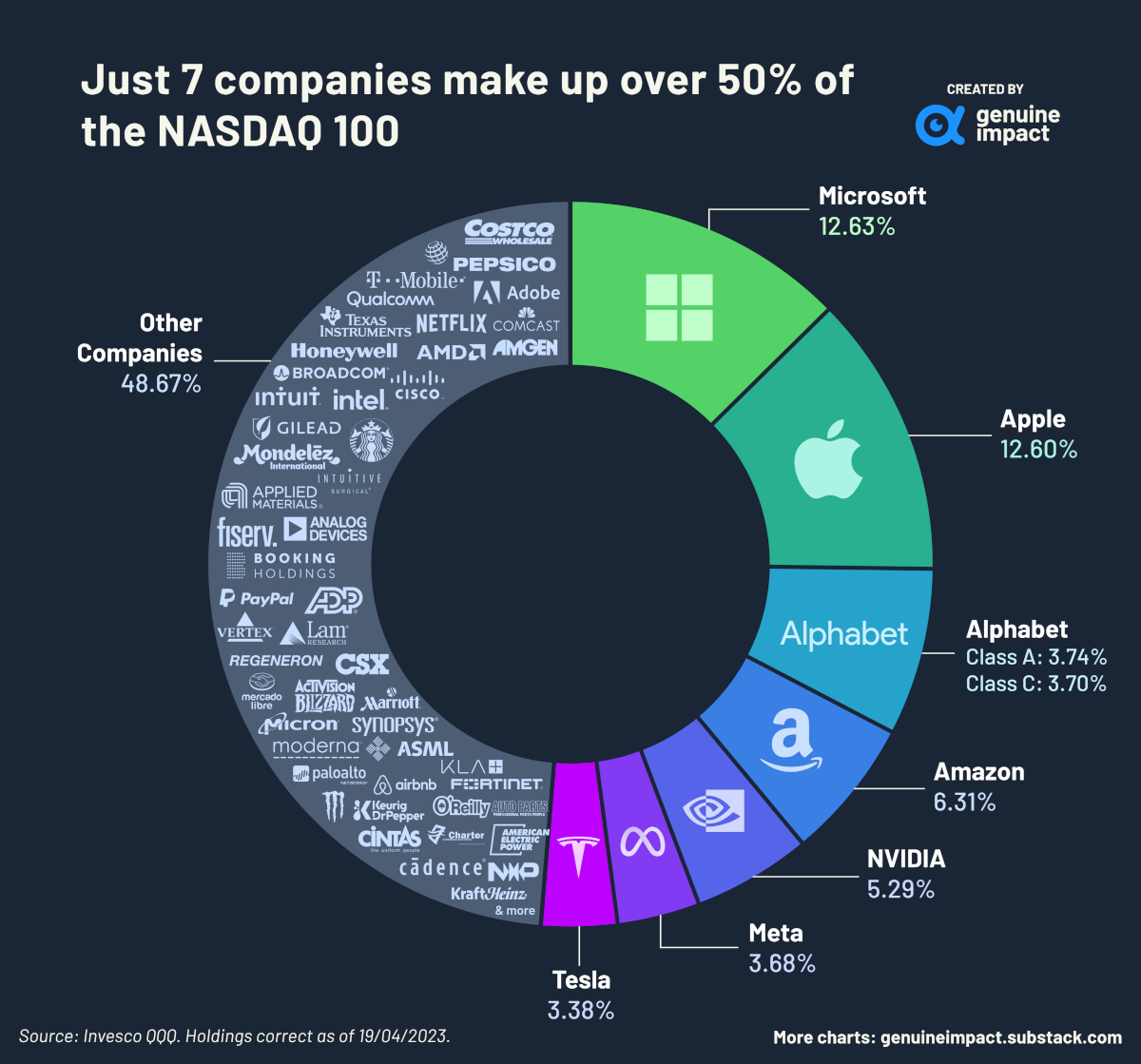
The Nasdaq 100 Index (NDX): This is arguably the more famous and frequently cited index, especially in investment circles. The Nasdaq 100 comprises the 100 largest non-financial companies listed on the Nasdaq Stock Market. The exclusion of financial companies (like banks and insurance firms) is a key differentiator. The NDX is a modified market-capitalization-weighted index, meaning companies with larger market caps have a greater influence on the index’s performance. It is this index that is most closely associated with the “tech-heavy” reputation, as many of the world’s leading technology, internet, and biotechnology companies are among its constituents.
Nasdaq’s Origins and Evolution
Born out of the need for a modern, computerized trading system, Nasdaq revolutionized how stocks were traded, moving away from the traditional trading floor. Initially, it attracted many smaller, growth-oriented companies that were often overlooked by older exchanges. Over decades, as technology became central to the global economy, Nasdaq naturally became the preferred listing venue for groundbreaking companies. This evolution solidified its reputation not just as an exchange, but as a crucible for innovation, attracting firms that prioritize research and development, and those poised for significant expansion.
Delving Deeper into the Nasdaq 100’s Composition
While the Nasdaq Composite offers a panoramic view, the Nasdaq 100 provides a focused lens on the market’s most influential growth companies. Its composition, though heavily tilted towards certain sectors, showcases surprising diversity that extends beyond just “pure tech.”
The Nasdaq 100’s Sectoral Breakdown
To truly appreciate the Nasdaq 100, one must look beyond the surface of “tech stocks” and understand the Global Industry Classification Standard (GICS) sectors it represents. While Information Technology remains dominant, other sectors hold significant weight:
- Information Technology (IT): This is the undisputed behemoth, encompassing software, hardware, semiconductors, and IT services. Companies like Apple, Microsoft, NVIDIA, Adobe, and Broadcom are quintessential examples, driving much of the index’s performance.
- Communication Services: This sector includes giants involved in telecommunications, media, and entertainment, with a strong focus on internet content and social media platforms. Alphabet (Google) and Meta Platforms (Facebook) are prime examples, blurring the lines between traditional media and technology.
- Consumer Discretionary: Companies in this sector sell non-essential goods and services, often reflecting consumer confidence and spending power. Tesla, Amazon, Starbucks, Lululemon, and Booking Holdings are prominent members, showcasing innovation in e-commerce, electric vehicles, and leisure.
- Healthcare: Biotechnology, pharmaceuticals, and medical device companies form a vital part of the Nasdaq 100. Firms like Amgen, Moderna, Gilead Sciences, and Illumina represent cutting-edge research and development in life sciences.
- Industrials: While a smaller presence compared to the S&P 500, some industrial companies with a strong technological edge or specialized focus find their home in the NDX.
- Other Sectors: Notably, the Nasdaq 100 excludes companies classified as financial (banks, insurance, brokerages). While other sectors like Utilities, Real Estate, Materials, and Energy are rarely represented in the NDX, they can certainly be found within the broader Nasdaq Composite.
Market Capitalization and Index Influence
The Nasdaq 100 is a modified market-capitalization-weighted index. This means that the larger a company’s total market value (share price multiplied by the number of outstanding shares), the greater its weight and influence on the index’s movement. For instance, if Apple, with its trillion-dollar market cap, experiences a significant price swing, it will have a much more profound impact on the Nasdaq 100’s daily performance than a company with a market cap one-tenth its size, even if both move by the same percentage. This weighting mechanism often leads to the phenomenon where a handful of mega-cap companies, often dubbed “the Magnificent Seven” (Apple, Microsoft, Alphabet, Amazon, Nvidia, Tesla, Meta Platforms), disproportionately drive the index’s direction.
Who Are The Giants? Prominent Companies on the Nasdaq
The Nasdaq is home to many of the world’s most recognizable and influential companies, not just in technology but across various sectors that are shaping the future.
The Tech Titans
When thinking about the Nasdaq, a few names immediately come to mind, and for good reason. These companies have not only defined their respective industries but have also been instrumental in the Nasdaq’s growth and perception:
- Apple (AAPL): A global leader in consumer electronics, software, and online services.
- Microsoft (MSFT): Dominant in software, cloud computing (Azure), gaming (Xbox), and professional services.
- Amazon (AMZN): A pioneering e-commerce giant that has expanded into cloud computing (AWS), digital streaming, and logistics.
- Alphabet (GOOGL/GOOG): The parent company of Google, a behemoth in search, online advertising, cloud computing (Google Cloud), and AI.
- Meta Platforms (META): The force behind Facebook, Instagram, WhatsApp, and a leader in virtual reality/metaverse development.
- NVIDIA (NVDA): A cornerstone of the AI revolution, dominant in graphics processing units (GPUs) for gaming, professional visualization, data centers, and automotive.
- Tesla (TSLA): A trailblazer in electric vehicles, battery storage, and solar energy.
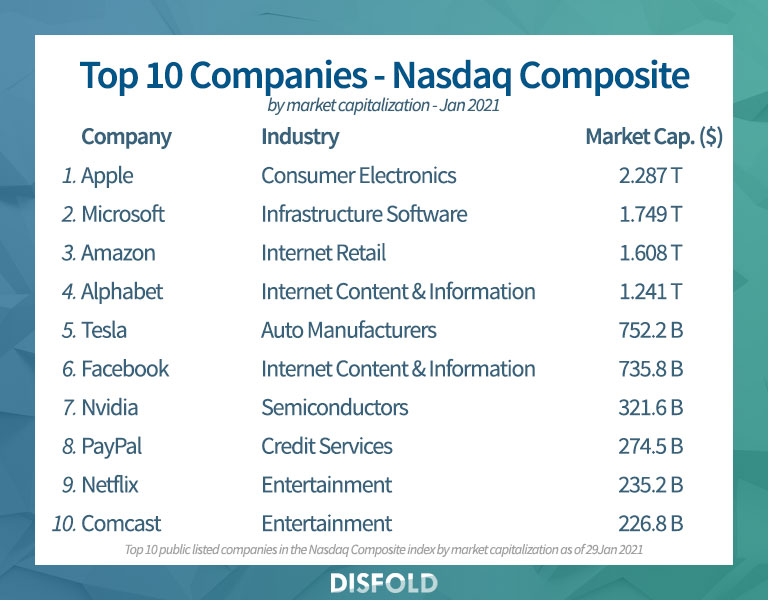
These companies, alongside others like Broadcom, Adobe, Intel, and Qualcomm, exemplify the innovation and market leadership that characterize the Nasdaq’s core.
Diverse Industry Leaders
Beyond the immediate tech giants, the Nasdaq 100 proudly features leaders from other sectors, highlighting the index’s crucial, albeit often overlooked, diversity:
- Healthcare Innovators: Companies such as Amgen (AMGN), a multinational biopharmaceutical company, and Gilead Sciences (GILD), known for its antiviral drugs, underscore the Nasdaq’s role in advancing medical science.
- Consumer Powerhouses: Starbucks (SBUX), the global coffee chain, and Lululemon Athletica (LULU), a popular athletic apparel retailer, demonstrate the strength of consumer brands. Mondelez International (MDLZ), a global snack food and beverage company, also features, providing everyday staples.
- Travel and Leisure: Booking Holdings (BKNG), a leader in online travel services, represents the dynamic travel industry’s presence on the exchange.
This array of companies showcases that while the Nasdaq’s heart beats with technology, its arteries carry a diverse mix of industries essential to modern life and economic growth.
Investing in the Nasdaq: Opportunities and Considerations
For investors, the Nasdaq offers unique opportunities, primarily centered around growth potential, but also comes with specific considerations regarding risk and volatility.
Direct Stock Ownership vs. ETFs/Mutual Funds
- Direct Stock Ownership: Investing directly in individual Nasdaq-listed stocks allows investors to pick specific companies they believe in. This can lead to significant returns if those companies perform well, but it also carries higher risk. The performance of a single stock is subject to company-specific news, industry trends, and competitive pressures. It requires thorough research and a clear understanding of each company’s fundamentals.
- ETFs and Mutual Funds: For most investors, gaining exposure to the Nasdaq through exchange-traded funds (ETFs) or mutual funds is a more diversified and often safer approach. The Invesco QQQ Trust (QQQ), for example, is one of the most popular ETFs that tracks the Nasdaq 100 Index. Investing in QQQ offers instant diversification across the 100 largest non-financial Nasdaq companies, mitigating the risk associated with single-stock investing. Other broader Nasdaq Composite ETFs are also available, providing even wider exposure. These funds allow investors to participate in the overall growth of the Nasdaq without having to pick individual winners.
Volatility and Growth Potential
Historically, the Nasdaq has been known for its higher growth potential compared to broader market indices like the S&P 500. This is largely due to its concentration in growth-oriented sectors like technology, which often reinvest heavily in research and development, leading to innovative products and services that can scale rapidly. However, this growth potential often comes hand-in-hand with higher volatility. Growth stocks can be more sensitive to economic downturns, interest rate changes, and shifts in investor sentiment. Periods of rapid innovation can be followed by speculative bubbles, leading to sharper corrections. Investors must be prepared for these fluctuations and ideally have a longer investment horizon.
Due Diligence and Diversification
Regardless of whether one chooses individual stocks or index funds, due diligence is paramount. Understanding the underlying companies, their business models, competitive landscapes, and financial health is crucial. Furthermore, even with a diversified Nasdaq ETF, it’s important to remember that such an investment is still heavily concentrated in specific sectors (IT, Communication Services, Consumer Discretionary). For a truly robust portfolio, diversification across different asset classes, geographies, and investment styles (growth vs. value) is generally recommended to balance risk and reward.
The Nasdaq’s Role in the Global Economy
Beyond its function as an investment vehicle, the Nasdaq plays a pivotal role in fostering innovation, reflecting economic trends, and connecting global markets.
A Hub for Innovation and Growth
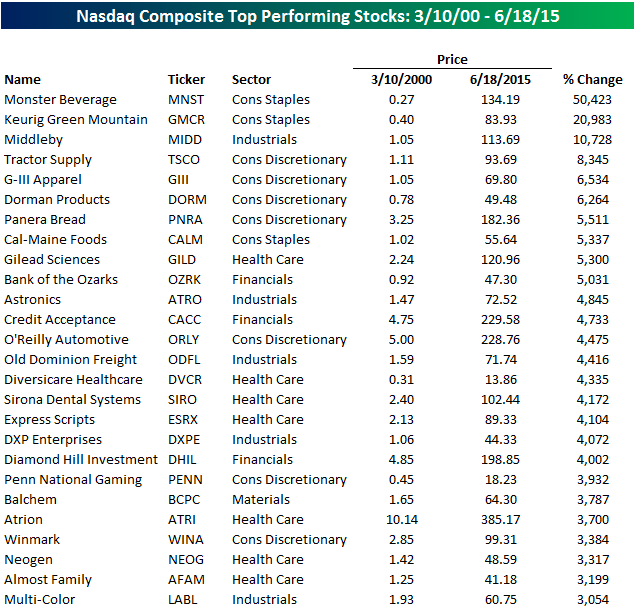
The Nasdaq has established itself as the preferred listing venue for companies at the forefront of technological advancement and disruptive business models. From early biotech startups to leading software companies and AI pioneers, the exchange provides capital and visibility for firms that are driving the next wave of economic growth. This concentration of innovative companies makes the Nasdaq a barometer for future economic trends and technological shifts.
Bellwether for Tech and Growth Stocks
Due to its significant concentration of technology and growth-oriented companies, the Nasdaq indices, particularly the Nasdaq 100, are often seen as a bellwether for the broader tech sector and, by extension, the sentiment towards growth stocks across the market. Its performance can influence investor confidence in innovation and risk-taking, impacting capital allocation decisions globally.
Global Reach and Impact
Many of the companies listed on the Nasdaq are multinational corporations with operations and customer bases spanning the globe. Their financial performance, technological breakthroughs, and market strategies have a profound impact on global economies, consumer behavior, and international trade. The Nasdaq, therefore, isn’t just an American exchange; it’s a global stage for companies that are shaping the world’s future.
In conclusion, “what stocks are in the Nasdaq” is a question that reveals a vast and dynamic investment landscape. While technology forms its vibrant core, the Nasdaq is a diverse ecosystem of innovation and growth across multiple sectors. Understanding the distinctions between the Nasdaq Composite and the Nasdaq 100, appreciating the varied industries represented, and recognizing the opportunities and risks involved are fundamental for any investor seeking to navigate this influential market. By demystifying its composition, investors can make more informed decisions and leverage the immense potential that the Nasdaq offers.
aViewFromTheCave is a participant in the Amazon Services LLC Associates Program, an affiliate advertising program designed to provide a means for sites to earn advertising fees by advertising and linking to Amazon.com. Amazon, the Amazon logo, AmazonSupply, and the AmazonSupply logo are trademarks of Amazon.com, Inc. or its affiliates. As an Amazon Associate we earn affiliate commissions from qualifying purchases.