
The question “What is the current interest rate on mortgage?” is perhaps one of the most frequently asked in real estate and personal finance, and for good reason. Mortgage interest rates directly impact the affordability of a home, determining the size of your monthly payment and the total cost of your loan over its lifetime. However, providing a single, definitive answer is nearly impossible because mortgage rates are not static; they are highly dynamic, fluctuating daily, even hourly, based on a complex interplay of economic indicators, market sentiment, and individual borrower profiles.
For anyone looking to buy a home, refinance an existing mortgage, or simply understand the housing market, grasping the mechanics behind mortgage rates is crucial. This article will delve into the factors that influence these rates, explore the different types of mortgages and their corresponding rate structures, examine the personal financial elements that can impact the rate you receive, and provide strategic advice on how to secure the most favorable terms for your unique situation. Navigating the world of mortgage rates requires insight, preparation, and a keen understanding of both macroeconomics and personal finance.
Understanding Mortgage Interest Rates in Today’s Market
Mortgage interest rates are a barometer of the broader economic climate, reacting swiftly to shifts in financial markets and policy decisions. To truly comprehend “the current rate,” one must first understand the forces that drive these numbers.
The Dynamic Nature of Rates
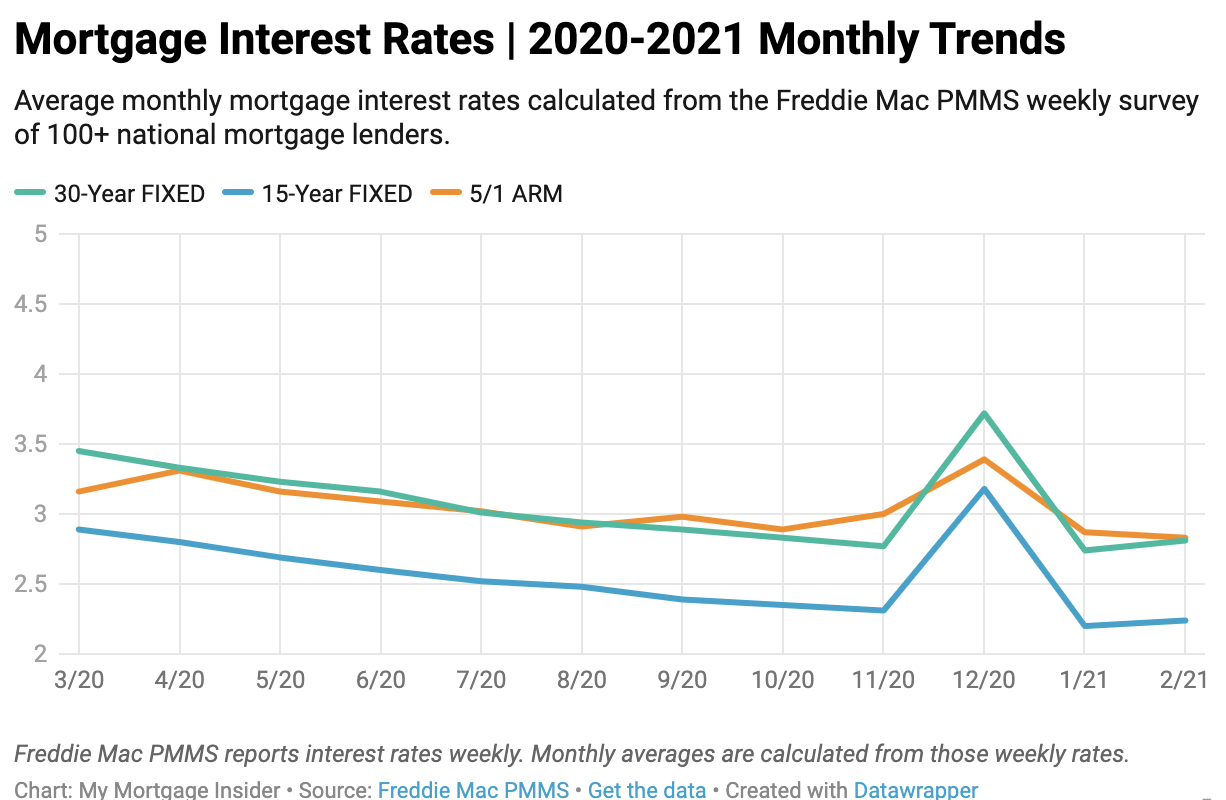
Unlike a fixed price tag, mortgage rates are in constant flux. They are influenced by global and national economic news, such as inflation reports, employment figures, and geopolitical events. Lenders adjust their rates throughout the day in response to these factors. For example, a surge in inflation might lead the Federal Reserve to signal potential rate hikes, causing mortgage rates to climb, as lenders anticipate a higher cost of borrowing money themselves. Conversely, signs of economic slowdown or a push for economic stimulus could cause rates to dip. This volatility means that the “current rate” you see quoted in the morning might be different by the afternoon, highlighting the importance of timely decision-making and rate locking when you find a favorable offer.
Key Factors Influencing Rates
Several powerful forces conspire to determine the general direction and level of mortgage interest rates:
- Federal Reserve Policy: While the Federal Reserve doesn’t directly set mortgage rates, its actions, particularly regarding the federal funds rate, have a significant indirect impact. The fed funds rate influences short-term interest rates throughout the economy, and its movements often ripple through to longer-term rates, including mortgages. When the Fed raises its benchmark rate to combat inflation, mortgage rates typically follow suit.
- Inflation Expectations: Lenders factor in inflation when setting rates. If they anticipate that inflation will erode the value of future loan repayments, they will demand a higher interest rate to compensate for that loss of purchasing power. Strong inflation data often leads to higher mortgage rates.
- Economic Growth and Stability: A robust economy with strong job growth and rising wages can signal confidence, but also potential inflation, which might push rates higher. Conversely, economic uncertainty or recessionary fears can sometimes lead investors to flock to safer assets like U.S. Treasury bonds, which can inadvertently put downward pressure on mortgage rates.
- Treasury Yields: The yield on the 10-year U.S. Treasury bond is a critical benchmark for long-term interest rates, including mortgages. Mortgage rates tend to move in tandem with 10-year Treasury yields. When investors demand higher returns on Treasury bonds, mortgage rates often rise.
- Housing Market Dynamics: The balance of supply and demand in the housing market can also exert influence. A very hot housing market with limited inventory and intense competition might see lenders adjusting rates to manage demand, though this is less direct than the economic indicators.
- Lender Competition: The competitive landscape among mortgage lenders (banks, credit unions, mortgage brokers) also plays a role. In a highly competitive market, lenders might slightly lower their rates or offer incentives to attract borrowers.
Types of Mortgage Rates and How They Differ
When you inquire about mortgage rates, it’s essential to understand that not all mortgages are created equal. The type of mortgage you choose significantly impacts the rate you receive and how that rate behaves over time.
Fixed-Rate Mortgages
Fixed-rate mortgages are the most common and perhaps the simplest to understand. With a fixed-rate mortgage, the interest rate remains constant for the entire duration of the loan, typically 15, 20, or 30 years.
- Explanation: Your monthly principal and interest payment will never change, providing unparalleled stability and predictability in your budget.
- Pros: The primary advantage is certainty. You know exactly what your housing payment will be for the life of the loan, protecting you from potential rate increases. This is particularly appealing during periods of low-interest rates or when future rate hikes are anticipated.
- Cons: Fixed rates are generally higher than the initial rates offered on adjustable-rate mortgages. If market rates drop significantly after you’ve secured your fixed rate, you’d need to refinance to take advantage of the lower rates, incurring additional costs.
- Common Terms: The 30-year fixed-rate mortgage is a popular choice for its lower monthly payments, while the 15-year fixed-rate mortgage offers significant interest savings over the life of the loan, albeit with higher monthly payments.
Adjustable-Rate Mortgages (ARMs)
Adjustable-rate mortgages, or ARMs, offer a different approach, with an interest rate that can change periodically after an initial fixed-rate period.
- Explanation: ARMs typically start with a lower interest rate than comparable fixed-rate mortgages for an introductory period (e.g., 3, 5, 7, or 10 years). After this initial period, the rate adjusts up or down at predetermined intervals (e.g., annually) based on a specified market index plus a lender’s margin.
- Pros: The main benefit is a lower initial interest rate, which translates to lower monthly payments during the introductory period. This can be attractive for borrowers who plan to sell or refinance before the fixed period ends, or those who expect their income to increase significantly in the near future.
- Cons: The primary risk is payment uncertainty. If interest rates rise after the fixed period, your monthly payments could increase substantially, potentially straining your budget. ARMs usually have caps on how much the rate can adjust per period and over the life of the loan, but payments can still climb considerably.
- Common Structures: A “5/1 ARM” means the rate is fixed for the first five years, then adjusts annually for the remainder of the loan term. Other common structures include 7/1 ARMs and 10/1 ARMs.
Government-Backed Loans (FHA, VA, USDA)
Beyond conventional fixed and adjustable-rate mortgages, there are government-backed loan programs designed to help specific groups of borrowers.
- FHA Loans: Insured by the Federal Housing Administration, these loans are popular for first-time homebuyers or those with lower credit scores, often requiring a smaller down payment. FHA rates are generally competitive but come with mortgage insurance premiums (MIP) that increase the overall cost.
- VA Loans: Guaranteed by the Department of Veterans Affairs, these loans are available to eligible service members, veterans, and surviving spouses. VA loans often offer 100% financing (no down payment required) and highly competitive interest rates, without requiring private mortgage insurance (PMI).
- USDA Loans: Backed by the U.S. Department of Agriculture, these loans help low- to moderate-income individuals purchase homes in eligible rural areas. They also offer 100% financing and often have very favorable rates.
The “current rate” on these government-backed loans can differ from conventional loans due to their unique risk profiles and government backing.
Personal Factors That Impact Your Mortgage Rate
While macroeconomic conditions set the general trend for mortgage rates, the specific rate you are offered is highly individualized. Lenders assess your financial health and the risk you pose as a borrower, adjusting the rate accordingly.
Credit Score
Your credit score is arguably the most critical personal factor. It’s a numerical representation of your creditworthiness, reflecting your history of borrowing and repayment. Lenders use it to gauge your likelihood of repaying a loan on time.
- Impact: A higher credit score (typically 740+) signals a lower risk to lenders, allowing you to qualify for the most competitive interest rates. Conversely, a lower credit score will result in a higher interest rate, as lenders demand more compensation for taking on perceived higher risk. It can even prevent you from qualifying for certain loan products.
Down Payment and Loan-to-Value (LTV) Ratio
The amount of money you put down on a home purchase directly affects your loan-to-value (LTV) ratio, which is the amount you’re borrowing compared to the home’s appraised value.
- Impact: A larger down payment means a lower LTV, indicating less risk for the lender. For example, a 20% down payment results in an 80% LTV. Borrowers with lower LTVs often receive better interest rates. A smaller down payment, especially below 20%, typically requires private mortgage insurance (PMI) on conventional loans, adding to your monthly cost.
Debt-to-Income (DTI) Ratio
Your debt-to-income (DTI) ratio is a key metric lenders use to assess your ability to manage monthly payments. It’s calculated by dividing your total monthly debt payments (including the new mortgage payment) by your gross monthly income.
- Impact: A lower DTI ratio (generally below 36% to 43%, depending on the lender and loan type) indicates you have sufficient disposable income to cover your debts, making you a more attractive borrower. A high DTI suggests you might be overextended, leading to a higher interest rate or even denial of the loan.
Loan Term and Type
As discussed, the specific loan term (e.g., 15-year vs. 30-year) and loan type (fixed-rate vs. ARM) you choose will inherently come with different baseline rates.
- Impact: Shorter-term loans (e.g., 15-year fixed) typically have lower interest rates than longer-term loans (e.g., 30-year fixed) because the lender is exposed to interest rate risk for a shorter period. ARMs often have lower initial rates than fixed-rate mortgages for similar reasons.
Location and Property Type
Even the property itself can influence your rate. Lenders assess the risk associated with different property types and locations.
- Impact: A standard single-family home in a stable market is generally considered less risky than, say, a condominium in a fluctuating market, a multi-unit investment property, or a manufactured home. Properties deemed higher risk might command slightly higher interest rates.
How to Find the Best Current Mortgage Rate
Given the myriad factors at play, finding the best current mortgage rate isn’t about looking up a single number online but rather a strategic process of comparison, preparation, and negotiation.
Shop Around Extensively
This is perhaps the most crucial step. Never settle for the first quote you receive. Different lenders (banks, credit unions, online lenders, mortgage brokers) have varying cost structures, risk appetites, and product offerings, which translate into different rates and fees.
- Strategy: Contact at least three to five different lenders within a short window (e.g., 14-45 days, depending on the credit scoring model, to minimize impact on your credit score from multiple inquiries). Provide them with the same basic information so you can compare apples to apples. A mortgage broker can be particularly helpful, as they work with multiple lenders to find you competitive options.
Understand Rate Quotes and APR
When comparing offers, don’t just look at the advertised interest rate. Pay close attention to the Annual Percentage Rate (APR).
- Interest Rate vs. APR: The interest rate is the percentage you pay on the principal borrowed. The APR, on the other hand, provides a more comprehensive measure of the total cost of the loan, as it includes the interest rate plus certain upfront fees and costs (like origination fees, discount points, and some closing costs) spread over the loan term. A lower interest rate might look appealing, but a higher APR could indicate significant upfront costs. Always compare APRs to get a true sense of the overall expense.
Lock In Your Rate
Once you find an attractive rate and are serious about moving forward with a lender, inquire about “locking in” your rate.
- Process: A rate lock guarantees that the interest rate you’ve been offered will remain the same for a specified period, typically 30 to 60 days, while your loan application is processed. This protects you from potential rate increases during the underwriting period. Be aware of any fees associated with rate locks, especially for extended periods, and ensure you understand the terms and conditions.
Improve Your Financial Profile
Before you even start seriously shopping for a mortgage, taking steps to enhance your financial standing can significantly impact the rate you qualify for.
- Actions: Focus on improving your credit score by paying bills on time, reducing outstanding debt, and avoiding new credit inquiries. Work to lower your DTI ratio by paying down existing loans. And save aggressively for a larger down payment. Even small improvements in these areas can lead to a noticeable difference in your mortgage rate and overall loan costs.
Future Outlook and Strategic Considerations
Forecasting interest rates with certainty is a challenge even for economic experts, but understanding potential trends can help inform your decisions.
What to Expect
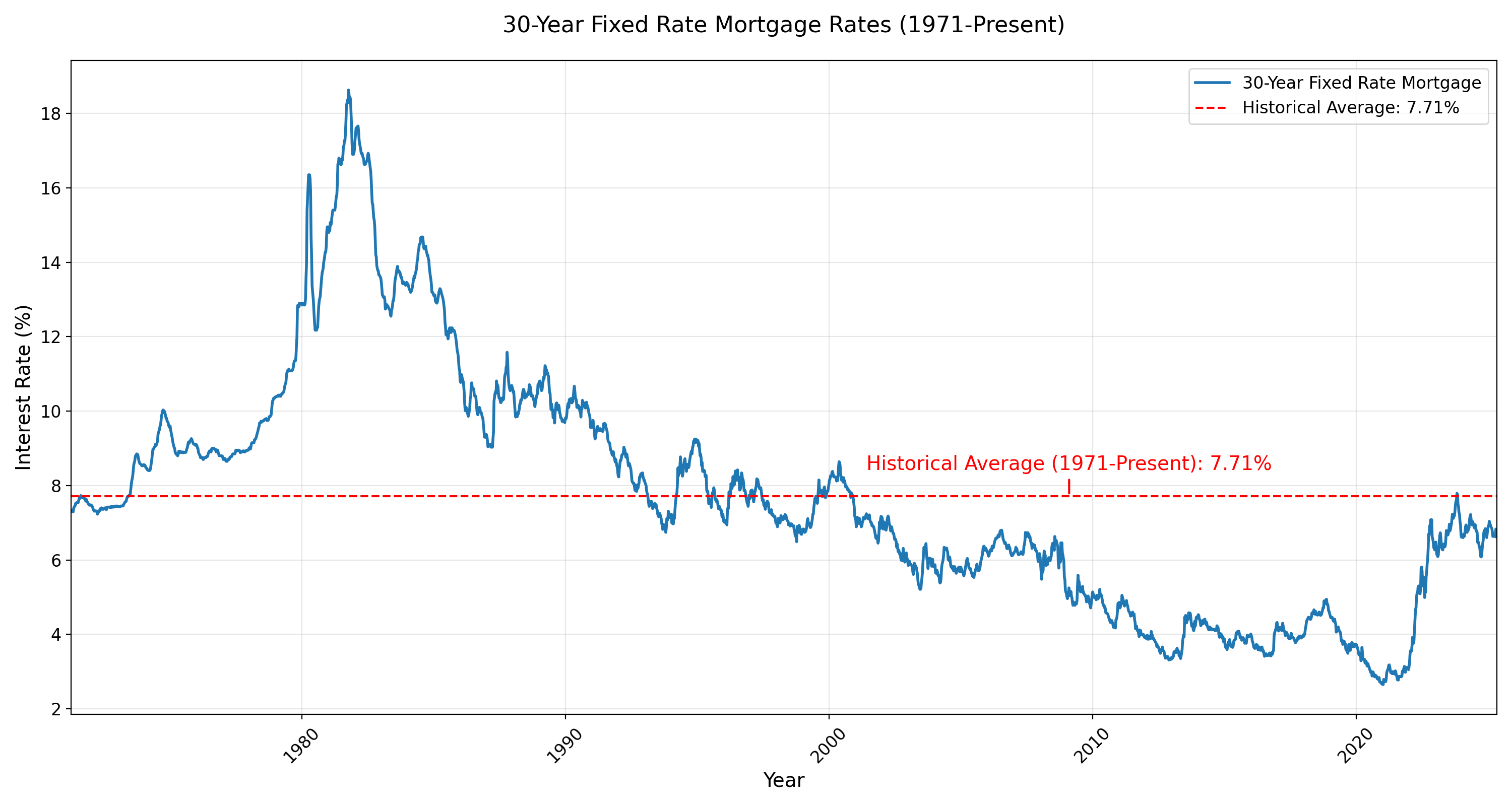
In recent times, interest rates have been influenced by efforts to combat inflation, leading to higher borrowing costs. As central banks monitor economic data, the prevailing sentiment might shift. For instance, if inflation shows signs of cooling consistently, there might be anticipation of eventual rate cuts, which could bring mortgage rates down. However, unforeseen economic shocks or persistent inflationary pressures could lead to rates remaining elevated or even rising further. Stay informed by following reputable financial news and economic forecasts, but always remember these are projections, not guarantees.
When to Act
Deciding when to buy or refinance in a fluctuating rate environment is a personal decision based on your financial stability and life goals.
- For Buyers: If you can comfortably afford the monthly payments at current rates and find a home that meets your needs, it might be the right time. Waiting for lower rates carries the risk that home prices could continue to rise, potentially offsetting any savings from a lower interest rate.
- For Refinancing: If current rates are significantly lower than your existing mortgage rate, or if you want to switch from an ARM to a fixed-rate mortgage for stability, refinancing could be a smart move. Calculate the break-even point to ensure the savings outweigh the refinancing costs.
Refinancing Opportunities
Refinancing involves taking out a new mortgage to pay off your old one. This can be beneficial if:
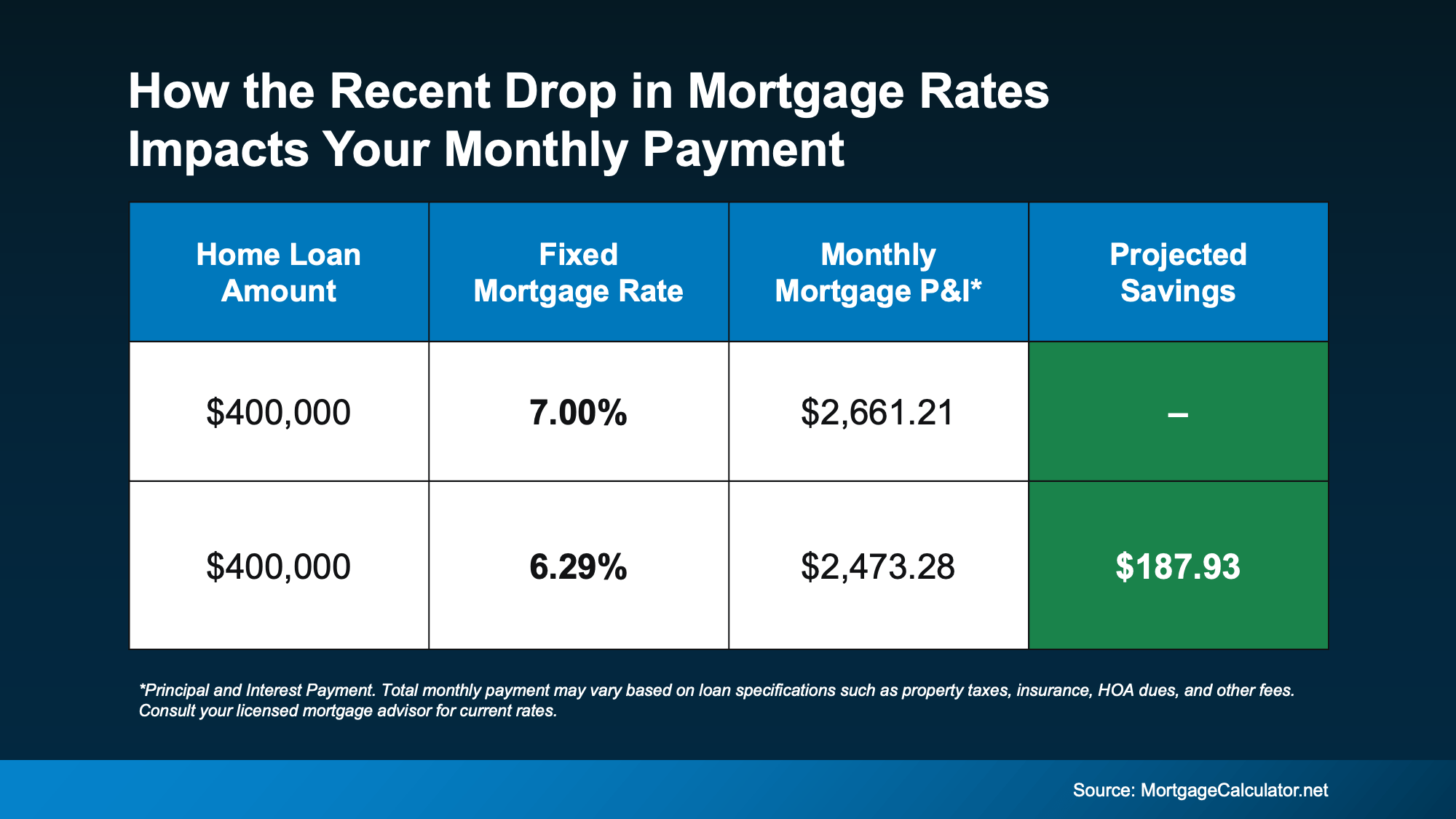
- Rates Drop: A substantial drop in market rates could allow you to secure a lower interest rate and reduce your monthly payments or the total interest paid over time.
- Improve Terms: You might refinance to switch from a variable-rate ARM to a stable fixed-rate, or to shorten your loan term to pay off your mortgage faster.
- Cash-Out Refinance: Some homeowners use refinancing to tap into their home equity, taking out a larger loan and receiving the difference in cash, often for home improvements or debt consolidation. This option should be approached with caution, as it increases your principal balance.
Conclusion
The “current interest rate on mortgage” is far from a fixed number; it’s a dynamic reflection of economic forces, market sentiment, and individual creditworthiness. Understanding these complexities is essential for anyone navigating the path to homeownership or considering refinancing. From global monetary policy to your personal credit score, every factor plays a role in determining the rate you ultimately secure.
By diligently shopping around, understanding the difference between interest rate and APR, locking in a favorable rate, and proactively strengthening your financial profile, you can significantly improve your chances of securing the best possible mortgage terms. The journey to a mortgage requires careful planning and informed decisions, but with the right approach, you can confidently navigate the market and achieve your financial goals.
aViewFromTheCave is a participant in the Amazon Services LLC Associates Program, an affiliate advertising program designed to provide a means for sites to earn advertising fees by advertising and linking to Amazon.com. Amazon, the Amazon logo, AmazonSupply, and the AmazonSupply logo are trademarks of Amazon.com, Inc. or its affiliates. As an Amazon Associate we earn affiliate commissions from qualifying purchases.