
Navigating the world of homeownership often begins with a fundamental question: “What is the interest rate on mortgage?” This seemingly simple query unlocks a complex, yet crucial, financial landscape that can dictate not only the affordability of a home but also the total cost of ownership over decades. A mortgage interest rate is, at its core, the cost of borrowing money to purchase a house, expressed as a percentage of the loan amount. Understanding this rate is paramount for anyone considering buying a home, as it directly impacts your monthly payments and the total financial burden you’ll carry.
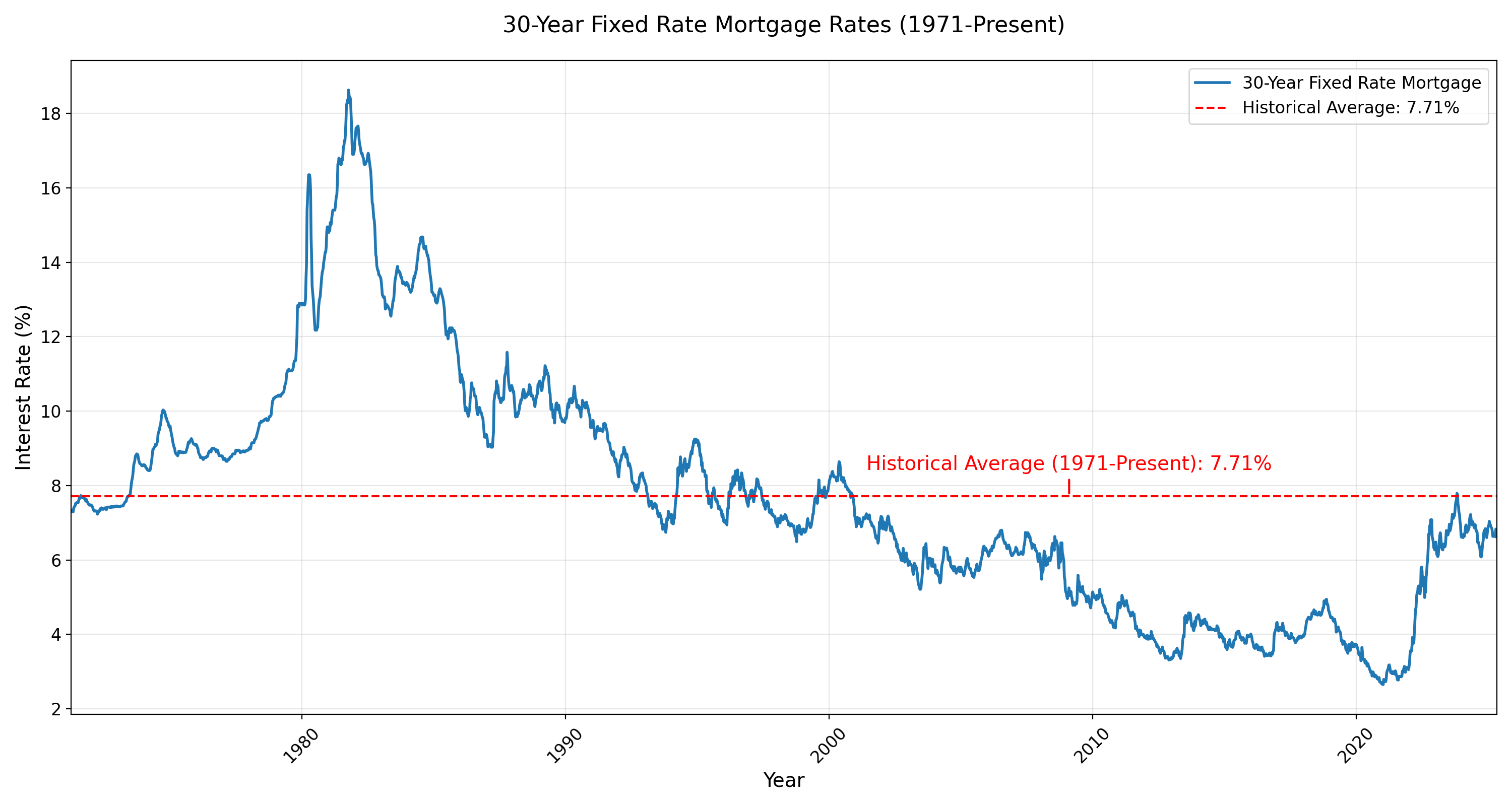
In a transaction as significant as buying a home, even a fractional difference in the interest rate can translate into tens of thousands of dollars saved or spent over the loan’s lifetime. It’s not merely a number; it’s a critical component of your personal financial strategy, influencing budgeting, long-term wealth accumulation, and overall financial health. This article will delve deep into what mortgage interest rates entail, the myriad factors that influence them, strategies for securing the most favorable rates, and their profound long-term implications. For aspiring homeowners and current property owners alike, a comprehensive grasp of mortgage interest rates is an indispensable tool for informed decision-making in the dynamic real estate market.
Understanding Mortgage Interest Rates
To truly appreciate the impact of a mortgage interest rate, it’s essential to dissect its definition, understand its different forms, and grasp how it integrates into the broader loan structure. This foundational knowledge empowers borrowers to make savvy choices that align with their financial goals.
Definition and Components
At its simplest, a mortgage interest rate is the percentage charged by a lender for the money you borrow to buy a home. This percentage is applied to the outstanding principal balance of your loan. The “principal” is the actual amount of money you borrowed. Over the loan’s term, your monthly payments are typically divided into two main components: principal repayment and interest payment. In the early years of a standard mortgage, a larger portion of your payment goes towards interest, gradually shifting to more principal repayment as the loan matures.
It’s also crucial to distinguish between the nominal interest rate and the Annual Percentage Rate (APR). The interest rate is solely the cost of borrowing the principal. The APR, however, represents the total cost of the loan over its term, including not only the interest rate but also certain closing costs and fees charged by the lender (like origination fees, discount points, and mortgage insurance premiums). While the interest rate directly determines your monthly interest payment, the APR offers a more comprehensive picture of the true cost of borrowing, making it a valuable tool for comparing different loan offers.
Fixed vs. Adjustable-Rate Mortgages (ARMs)
Mortgages primarily come in two flavors concerning interest rates: fixed-rate and adjustable-rate. Each has distinct characteristics that suit different financial situations and risk tolerances.
-
Fixed-Rate Mortgages: As the name suggests, a fixed-rate mortgage maintains the same interest rate for the entire duration of the loan, typically 15 or 30 years. This provides predictable monthly principal and interest payments, making budgeting straightforward and offering protection against rising interest rates in the future. The stability of a fixed-rate mortgage is highly appealing to borrowers who prioritize consistency and long-term financial planning, even if it means potentially missing out on lower rates if the market drops significantly.
-
Adjustable-Rate Mortgages (ARMs): ARMs feature an interest rate that changes periodically after an initial fixed-rate period. For instance, a “5/1 ARM” means the interest rate is fixed for the first five years, and then it adjusts annually (every “1” year) based on a specified market index (like the Secured Overnight Financing Rate – SOFR) plus a margin set by the lender. ARMs often start with a lower interest rate than comparable fixed-rate mortgages, making them attractive for borrowers who plan to sell or refinance before the fixed-rate period ends, or those who anticipate their income increasing substantially in the future. However, they carry the risk of higher monthly payments if interest rates rise after the adjustment period. ARMs usually have caps (periodic and lifetime) that limit how much the rate can increase or decrease.
The Amortization Schedule
The amortization schedule is a table detailing each monthly payment over the life of the loan, showing how much is applied to interest and how much to principal, and the remaining loan balance. In the early stages of a mortgage, a significant portion of your payment goes towards interest. As time progresses, a larger share of each payment is allocated to reducing the principal. This front-loading of interest means that while you pay the same amount each month (for a fixed-rate mortgage), the composition of that payment shifts over time. Understanding amortization helps borrowers see the long-term impact of their payments and recognize how interest rates fundamentally shape the overall cost of their home. For instance, paying just a little extra principal each month, especially early on, can dramatically reduce the total interest paid and shorten the loan term.
Factors Influencing Mortgage Interest Rates
Mortgage interest rates are not static; they are a dynamic reflection of a complex interplay between global economic forces, governmental policies, market competition, and individual borrower characteristics. Understanding these influences is key to anticipating rate movements and positioning oneself advantageously.
Economic Indicators
Broader economic conditions exert a profound influence on mortgage rates.
- Inflation: The expectation of inflation is a primary driver. Lenders charge higher interest rates to compensate for the erosion of their money’s purchasing power over time. When inflation is expected to rise, rates tend to climb.
- Federal Reserve Policy: The U.S. Federal Reserve doesn’t directly set mortgage rates, but its monetary policy decisions significantly impact them. By raising or lowering the federal funds rate (the rate at which banks lend to each other overnight), the Fed influences the overall cost of borrowing across the economy, including longer-term rates like mortgages. When the Fed signals a tighter monetary policy (raising rates), mortgage rates typically follow suit.
- Bond Yields: Mortgage rates are closely tied to the yields on U.S. Treasury bonds, particularly the 10-year Treasury note. Mortgage-backed securities (MBS), which are packaged mortgages sold to investors, compete with Treasuries for investor capital. As Treasury yields rise, MBS must offer higher yields (meaning higher mortgage rates) to remain attractive to investors.
- Economic Growth: A strong economy often signals higher inflation and potential Fed rate hikes, leading to higher mortgage rates. Conversely, a weakening economy might prompt the Fed to lower rates to stimulate activity, which can lead to lower mortgage rates.
Lender-Specific Factors
Beyond the macroeconomic picture, individual lenders also play a role in setting the rates they offer.
- Operational Costs: Lenders have overhead expenses, including staffing, technology, and marketing. These costs are factored into the rates they charge to ensure profitability.
- Profit Margins: Each lender has a target profit margin. While competition can narrow these margins, they still contribute to the final rate offered.
- Risk Assessment: Lenders assess the risk associated with each loan. They consider the likelihood of a borrower defaulting and price that risk into the interest rate. This often manifests in variations between lenders for the same borrower profile. A lender with a higher risk appetite might offer slightly lower rates, while a more conservative lender might charge more.
Borrower-Specific Factors
Perhaps the most direct influence on the rate you receive is your personal financial profile.
- Credit Score: A higher credit score (e.g., FICO score of 740+) indicates a lower risk to lenders, typically resulting in access to the most competitive interest rates. Borrowers with lower scores are considered higher risk and will likely be offered higher rates.
- Debt-to-Income (DTI) Ratio: This ratio compares your total monthly debt payments (including the new mortgage payment) to your gross monthly income. A lower DTI ratio (ideally below 43%) demonstrates that you can comfortably manage your debt, making you a more attractive borrower and potentially qualifying you for lower rates.
- Loan-to-Value (LTV) Ratio / Down Payment: The LTV ratio compares the loan amount to the home’s appraised value. A larger down payment reduces the LTV (e.g., a 20% down payment means an 80% LTV). A lower LTV signifies less risk for the lender, often translating to better interest rates and potentially avoiding Private Mortgage Insurance (PMI).
- Loan Type and Term: Different loan products (e.g., Conventional, FHA, VA, USDA) carry different risk profiles and government backing, affecting their rates. Furthermore, a 15-year mortgage typically has a lower interest rate than a 30-year mortgage because the lender’s money is tied up for a shorter period, reducing interest rate risk.
- Loan Size: Sometimes, very small or very large loan amounts can be subject to different pricing adjustments, though this is less common for conventional conforming loans.
Market Competition and Loan Volume
The competitive landscape among lenders also plays a role. In a highly competitive market with many lenders vying for business, rates may be driven down as lenders try to attract borrowers. Conversely, if there are fewer lenders or if demand for mortgages is particularly high, rates might tick up. Lenders also adjust rates based on their current loan volume targets. If a lender needs to originate more loans quickly, they might offer slightly more attractive rates to draw in business.
How to Get the Best Mortgage Interest Rate
Securing the most favorable mortgage interest rate can significantly reduce your total cost of homeownership. While some factors are beyond your immediate control (like economic trends), many actionable steps can empower you to improve your position.
Improve Your Creditworthiness
Your credit score is arguably the most powerful personal lever you have for influencing your mortgage rate. Lenders use it as a primary indicator of your financial responsibility and repayment likelihood.
- Pay Bills on Time: This is the single most important factor. Late payments can severely damage your score. Set up autopay or reminders.
- Reduce Existing Debt: Lowering your credit card balances and other revolving debt improves your credit utilization ratio (amount of credit used vs. available), which significantly boosts your score. Aim to keep utilization below 30%.
- Avoid New Credit: Refrain from opening new credit accounts or taking out other loans in the months leading up to your mortgage application, as this can temporarily lower your score.
- Check Your Credit Report: Obtain free copies of your credit report from Equifax, Experian, and TransUnion (via annualcreditreport.com) and dispute any errors that could be negatively impacting your score.
Increase Your Down Payment
A larger down payment reduces the Loan-to-Value (LTV) ratio, which lessens the risk for the lender.
- Lower LTV, Lower Rate: Lenders typically offer better rates for lower LTV loans. Putting down 20% or more often qualifies you for the most competitive rates.
- Avoid PMI: A 20% down payment also typically eliminates the need for Private Mortgage Insurance (PMI), an additional cost that increases your overall monthly housing expense. While PMI doesn’t directly affect the interest rate, avoiding it makes your loan more affordable.
- Show Financial Strength: A substantial down payment signals to lenders that you are financially stable and committed to the property.
Shop Around and Compare Offers
This is a step many borrowers overlook but is critically important. Don’t settle for the first quote you receive.
- Contact Multiple Lenders: Reach out to at least 3-5 different lenders – including large banks, credit unions, and online lenders. Each lender has different pricing models, overheads, and risk appetites, which can lead to varying rates and fees for the same borrower.
- Utilize Mortgage Brokers: A mortgage broker acts as an intermediary, working with multiple lenders to find the best rate and terms for your specific situation. They can often access wholesale rates that might not be available directly to consumers.
- Get Loan Estimates: Request a standardized Loan Estimate from each lender, which clearly outlines the interest rate, APR, closing costs, and other loan terms. Compare these side-by-side to identify the best overall deal. Ensure you’re comparing offers for the same loan type and term.
Consider Rate Locks
Once you’ve found a favorable rate, a rate lock can protect you from market fluctuations while your loan is being processed.
- What It Is: A rate lock is an agreement between you and the lender to guarantee a specific interest rate for a defined period (e.g., 30, 45, or 60 days).
- When to Use It: If you believe interest rates might rise before your closing date, locking in your rate provides security. However, if rates are falling, you might miss out on a lower rate unless your lender offers a “float-down” option (which usually comes with a fee).
- Lock Duration: Choose a lock period long enough to accommodate your anticipated closing date, allowing for potential delays. Longer lock periods can sometimes come with slightly higher rates or fees.
Understand Discount Points and Lender Credits
These are two related concepts that allow you to adjust your interest rate in exchange for upfront costs or credits.
- Discount Points: These are fees paid directly to the lender at closing in exchange for a lower interest rate. One discount point typically costs 1% of the loan amount (e.g., $3,000 on a $300,000 loan) and can reduce your interest rate by a fraction of a percent. This strategy is beneficial if you plan to stay in the home for a long time, as the savings on interest will eventually outweigh the upfront cost.
- Lender Credits: Conversely, a lender might offer you a “credit” at closing to help cover closing costs. In exchange, you will typically receive a slightly higher interest rate. This can be attractive if you have limited funds for closing costs and prioritize a lower upfront cash outlay, even if it means higher monthly payments over the long term.
Carefully evaluate the break-even point for discount points to determine if the long-term savings justify the upfront expense based on how long you intend to keep the mortgage.
The Long-Term Impact of Mortgage Interest Rates
The interest rate on your mortgage is more than just a number; it’s a financial lever that profoundly influences your personal wealth over decades. Its effects ripple through your monthly budget, the total cost of your home, and your future financial flexibility.
Total Cost of the Loan
Even a small difference in the interest rate can translate into a massive difference in the total amount of interest paid over the life of a 15-year or 30-year mortgage. For example, on a $300,000, 30-year fixed-rate mortgage:
- At 5.0% interest, the total interest paid would be approximately $279,100.
- At 6.0% interest, the total interest paid would jump to roughly $347,600.
- At 7.0% interest, the total interest paid would be around $419,000.
This illustrates that a mere one or two percentage point increase can add over $68,500 to $140,000 in interest alone over three decades. This significant difference highlights why securing the lowest possible rate is not just about saving money each month, but about preserving hundreds of thousands of dollars that could otherwise be invested or saved.
Monthly Payment Affordability
The interest rate directly dictates the size of your monthly mortgage payment. Using the same $300,000, 30-year example:
- At 5.0%, the monthly principal & interest payment is approximately $1,610.
- At 6.0%, it rises to about $1,799.
- At 7.0%, it climbs to roughly $1,996.
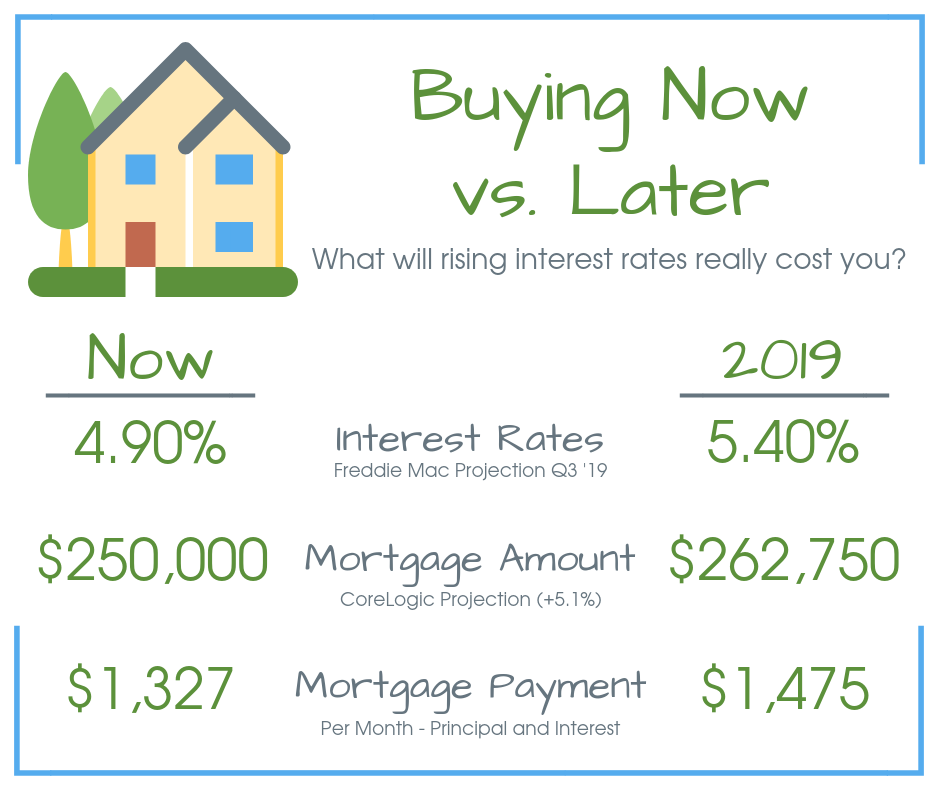
This difference of nearly $400 per month between a 5% and 7% rate can be a critical factor in a household’s budget. It affects how much disposable income you have for other expenses, savings, or investments. Higher rates can also impact how much home you can afford, as lenders use these payment calculations to determine your maximum loan amount based on your debt-to-income ratio. A higher interest rate effectively shrinks your purchasing power.
Refinancing Opportunities
Understanding interest rate trends and your current mortgage rate can create opportunities for refinancing. Refinancing involves taking out a new loan to pay off your old mortgage, often to secure a lower interest rate or change loan terms.
- Lowering Monthly Payments: If market interest rates drop significantly below your current rate, refinancing to a new, lower rate can reduce your monthly payments, freeing up cash flow.
- Reducing Total Interest Paid: A lower interest rate, even if it keeps your monthly payment similar by shortening the loan term, can drastically reduce the total interest you’ll pay over time.
- Changing Loan Type: You might refinance from an ARM to a fixed-rate mortgage to stabilize payments, or vice-versa if current ARM rates are exceptionally low and you plan to move soon.
- Cash-Out Refinance: Some homeowners use refinancing to tap into their home equity, taking out a larger loan than their outstanding mortgage balance and receiving the difference in cash. This is often done to fund home improvements, pay off high-interest debt, or for other financial needs. However, it increases your total loan amount and should be approached with caution.
The decision to refinance should always involve a careful calculation of the closing costs associated with the new loan versus the long-term savings achieved.
Impact on Real Estate Market
Beyond individual finances, prevailing mortgage interest rates significantly influence the broader real estate market.
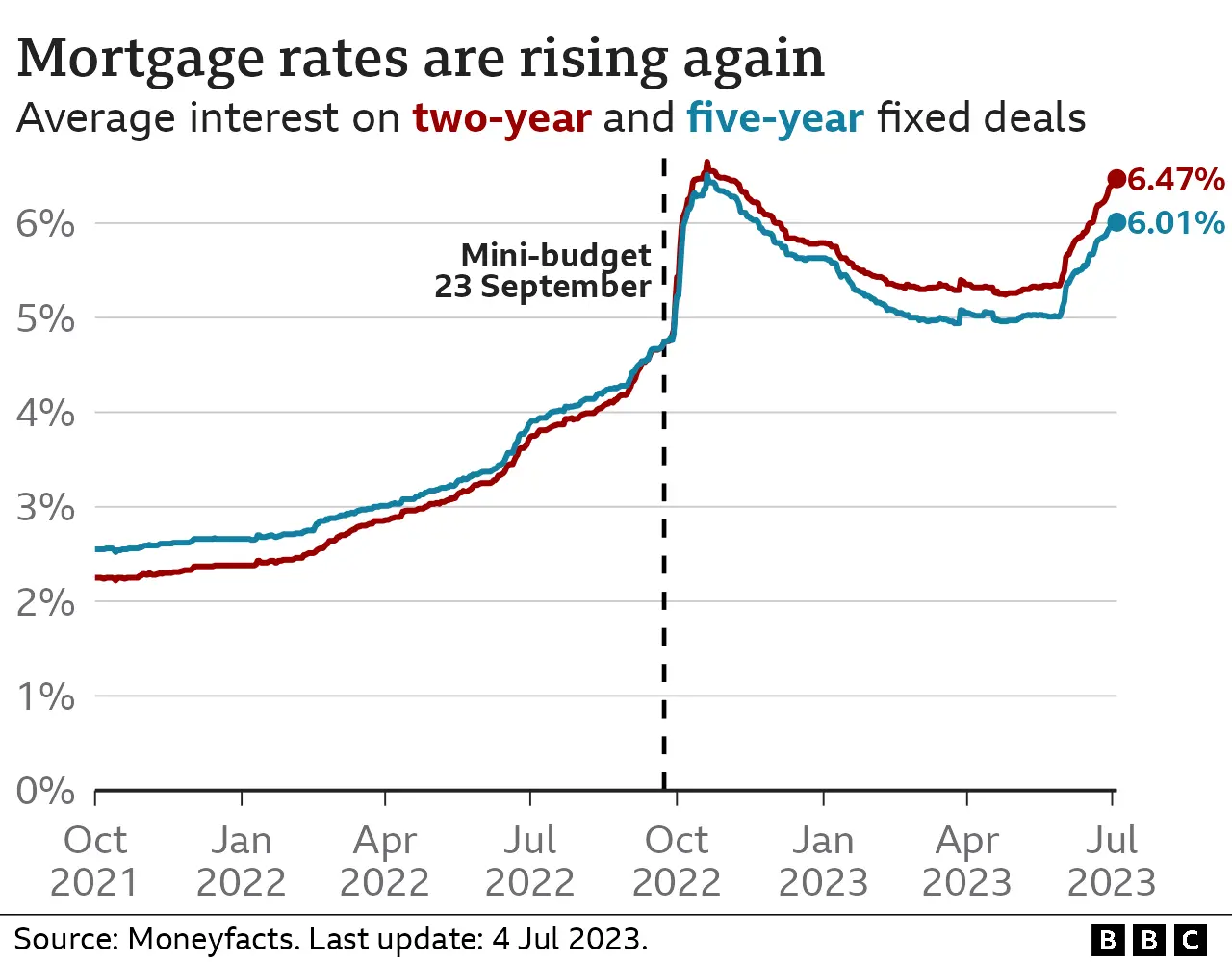
- Affordability: Lower rates make homeownership more affordable, stimulating demand and potentially driving up home prices. Conversely, higher rates reduce affordability, which can cool down the housing market, lead to fewer sales, and potentially stabilize or even decrease prices.
- Buyer Behavior: When rates are low, more buyers enter the market, leading to bidding wars and a seller’s market. When rates rise, some buyers may be priced out or choose to wait, shifting power towards buyers.
- Investment Decisions: Investors also factor interest rates into their calculations for rental property yields and appreciation potential, affecting their willingness to purchase additional properties.
In conclusion, the mortgage interest rate is a central pillar of real estate finance. Its fluctuations dictate the immediate affordability of your home, shape the trajectory of your wealth over decades, and broadly influence the health of the housing market.
Conclusion
The question “What is the interest rate on mortgage?” is far more profound than a simple number. It’s the gateway to understanding one of the most significant financial commitments most individuals will ever make. This article has illuminated the intricate layers of mortgage interest rates, from their fundamental definition and the distinctions between fixed and adjustable options to the diverse array of factors—economic, lender-specific, and borrower-centric—that sculpt their movements.
We’ve explored how macroeconomic indicators like inflation and Federal Reserve policy cast a wide shadow over rates, while individual attributes such as credit scores and down payments hold immediate sway over the rates offered to you. Critically, we’ve outlined actionable strategies for securing the most favorable rates, emphasizing the power of improving creditworthiness, increasing your down payment, and diligently shopping around.
Ultimately, the long-term ramifications of your chosen interest rate cannot be overstated. A seemingly minor percentage point difference can equate to hundreds of thousands of dollars in total interest paid over a loan’s lifespan, directly impacting your monthly budget, your capacity for wealth building, and your opportunities for future financial maneuverability, such as refinancing.
In a dynamic economic landscape, being an informed borrower is your most potent tool. By grasping the nuances of mortgage interest rates, actively managing your financial profile, and engaging in thorough market research, you empower yourself to make strategic decisions that pave the way for a more affordable and financially secure homeownership journey. The interest rate isn’t just a cost; it’s a cornerstone of your financial future.
aViewFromTheCave is a participant in the Amazon Services LLC Associates Program, an affiliate advertising program designed to provide a means for sites to earn advertising fees by advertising and linking to Amazon.com. Amazon, the Amazon logo, AmazonSupply, and the AmazonSupply logo are trademarks of Amazon.com, Inc. or its affiliates. As an Amazon Associate we earn affiliate commissions from qualifying purchases.