
For anyone navigating the complex world of real estate, understanding housing interest rates is paramount. Whether you’re a first-time homebuyer, a seasoned investor, or looking to refinance, these rates dictate the true cost of borrowing and profoundly impact your financial future. Far from being a static figure, housing interest rates are dynamic, influenced by a myriad of economic forces, central bank policies, and global events. This article will demystify housing interest rates, exploring their fundamental nature, the factors that shape them, how to interpret current trends, and strategies for securing the most favorable terms for your financial goals.
Understanding the Fundamentals of Housing Interest Rates
At its core, a housing interest rate is the cost of borrowing money to purchase a home, expressed as a percentage of the loan amount. This rate is critical because it determines how much you’ll pay back over the life of your mortgage, significantly impacting your monthly payments and the total cost of your home.
The Basics: What is an Interest Rate?
An interest rate is essentially the lender’s fee for providing capital. When you take out a mortgage, the bank or financial institution charges you interest on the principal amount borrowed. This interest compensates them for the risk they take by lending you money and for the opportunity cost of not using that money elsewhere. The rate you’re offered will vary based on numerous factors, including your creditworthiness, the type of loan, and the prevailing economic conditions. A lower interest rate translates to lower monthly payments and a reduced total cost of borrowing, while a higher rate means the opposite.
How Interest Rates Impact Your Mortgage Payment
The impact of interest rates on your mortgage payment cannot be overstated. Even a seemingly small difference in percentage points can translate into tens of thousands of dollars over a 15-year or 30-year mortgage term. For example, on a $300,000 mortgage, moving from a 6% interest rate to a 7% interest rate could increase your monthly payment by over $200 and add more than $70,000 to the total interest paid over 30 years. This substantial difference underscores why understanding and optimizing your interest rate is a cornerstone of responsible homeownership and personal finance. It directly affects your disposable income, your ability to save, and your overall financial stability.
Fixed-Rate vs. Adjustable-Rate Mortgages (ARMs)
When considering a mortgage, you’ll primarily encounter two types: fixed-rate and adjustable-rate mortgages (ARMs).
- Fixed-Rate Mortgages: With a fixed-rate mortgage, the interest rate remains constant for the entire life of the loan. This provides predictability and stability, as your principal and interest payment will never change. This certainty is highly appealing to homeowners who prefer consistent budgeting and protection against rising interest rates. The most common terms are 15-year and 30-year fixed-rate mortgages.
- Adjustable-Rate Mortgages (ARMs): ARMs offer an initial period (e.g., 3, 5, 7, or 10 years) during which the interest rate is fixed, often at a lower rate than comparable fixed-rate mortgages. After this initial period, the rate adjusts periodically (e.g., annually) based on a specified index, such as the Secured Overnight Financing Rate (SOFR), plus a fixed margin. While ARMs can offer lower initial payments, they introduce interest rate risk. If rates rise, your monthly payments could increase significantly, potentially straining your budget. Conversely, if rates fall, your payments could decrease. ARMs typically have caps that limit how much the rate can adjust in a single period and over the life of the loan, offering some protection against extreme fluctuations.
The choice between a fixed-rate and an ARM depends on your risk tolerance, your expected duration in the home, and your outlook on future interest rate movements.
Key Factors Influencing Housing Interest Rates
Housing interest rates are not set in a vacuum. They are a reflection of broader economic health, monetary policy, and investor sentiment. Understanding these underlying drivers provides crucial context for interpreting current rates and anticipating future trends.
Federal Reserve Policy and the Federal Funds Rate
The Federal Reserve, the central bank of the United States, plays a pivotal role in influencing interest rates. While the Fed does not directly set mortgage rates, its actions, particularly regarding the federal funds rate, have a ripple effect. The federal funds rate is the target rate for overnight lending between banks. When the Fed raises this rate, it signals a tighter monetary policy, making it more expensive for banks to borrow money. This increased cost trickles down, leading banks to raise their prime rate and, consequently, the interest rates they charge consumers for various loans, including mortgages. Conversely, a cut in the federal funds rate generally leads to lower borrowing costs across the economy.
Inflation Expectations
Inflation, the rate at which the general level of prices for goods and services is rising, is a significant driver of interest rates. Lenders need to ensure that the return on their loans outpaces inflation to maintain the purchasing power of their capital. If lenders expect inflation to rise, they will demand higher interest rates to compensate for the anticipated erosion of money’s value over time. High inflation often prompts the Federal Reserve to raise interest rates to cool down the economy, which in turn pushes mortgage rates higher. Conversely, low inflation or deflationary fears can lead to lower rates.
Economic Growth and Employment Data
The overall health of the economy, measured by indicators like Gross Domestic Product (GDP) growth and employment figures, also impacts interest rates. A robust economy with strong job growth generally indicates higher consumer demand and potential for inflation. In such an environment, the Fed might lean towards tightening monetary policy, leading to higher interest rates. Conversely, a sluggish economy with high unemployment may prompt the Fed to lower rates to stimulate economic activity. Mortgage-backed securities, which are influenced by these economic forecasts, directly affect what lenders can offer.
Bond Market Dynamics (Treasury Yields)
Mortgage rates are closely tied to the yield on U.S. Treasury bonds, particularly the 10-year Treasury note. Mortgage lenders typically price their loans at a spread above these Treasury yields. When the demand for Treasury bonds is high, their prices rise, and their yields fall. This often translates to lower mortgage rates. Conversely, when bond demand is low, prices fall, yields rise, and mortgage rates tend to follow suit. Various factors, including investor confidence, global economic stability, and inflation expectations, influence the bond market.
Supply and Demand in the Housing Market
While macroeconomic factors dominate, the fundamental principles of supply and demand within the housing market itself can also exert some influence, especially on local rates or specific loan products. A housing market with abundant inventory and low demand might prompt lenders to offer more competitive rates to attract buyers. Conversely, in a red-hot market with scarce inventory and high demand, lenders may have less incentive to lower rates. However, this factor is generally secondary to the broader economic and monetary influences.
Navigating the Current Interest Rate Landscape
Staying informed about current interest rates is crucial for making timely and financially sound decisions regarding your home loan. The market is constantly in flux, and what might be a good rate one month could be less so the next.
Where to Find Current Rates
Reliable sources for current housing interest rates abound. Major financial news outlets (e.g., Wall Street Journal, Bloomberg, Reuters), dedicated mortgage rate comparison websites (e.g., Bankrate, LendingTree, Zillow Mortgages), and individual lender websites (banks, credit unions, mortgage brokers) all provide up-to-date information. It’s important to note that the rates displayed are often “advertised rates” or “average rates” and may not be the exact rate you qualify for. Your personal rate will depend on your specific financial profile. When comparing, ensure you’re looking at comparable loan types (e.g., 30-year fixed conforming loan) and paying attention to associated fees or “points.”
Analyzing Rate Trends and Forecasts
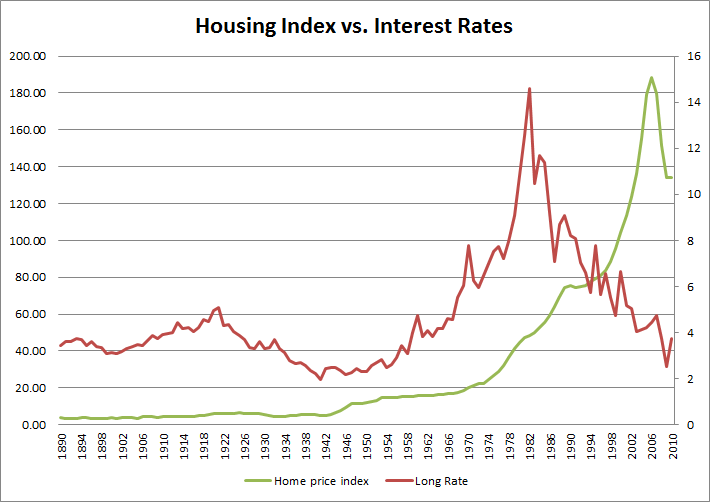
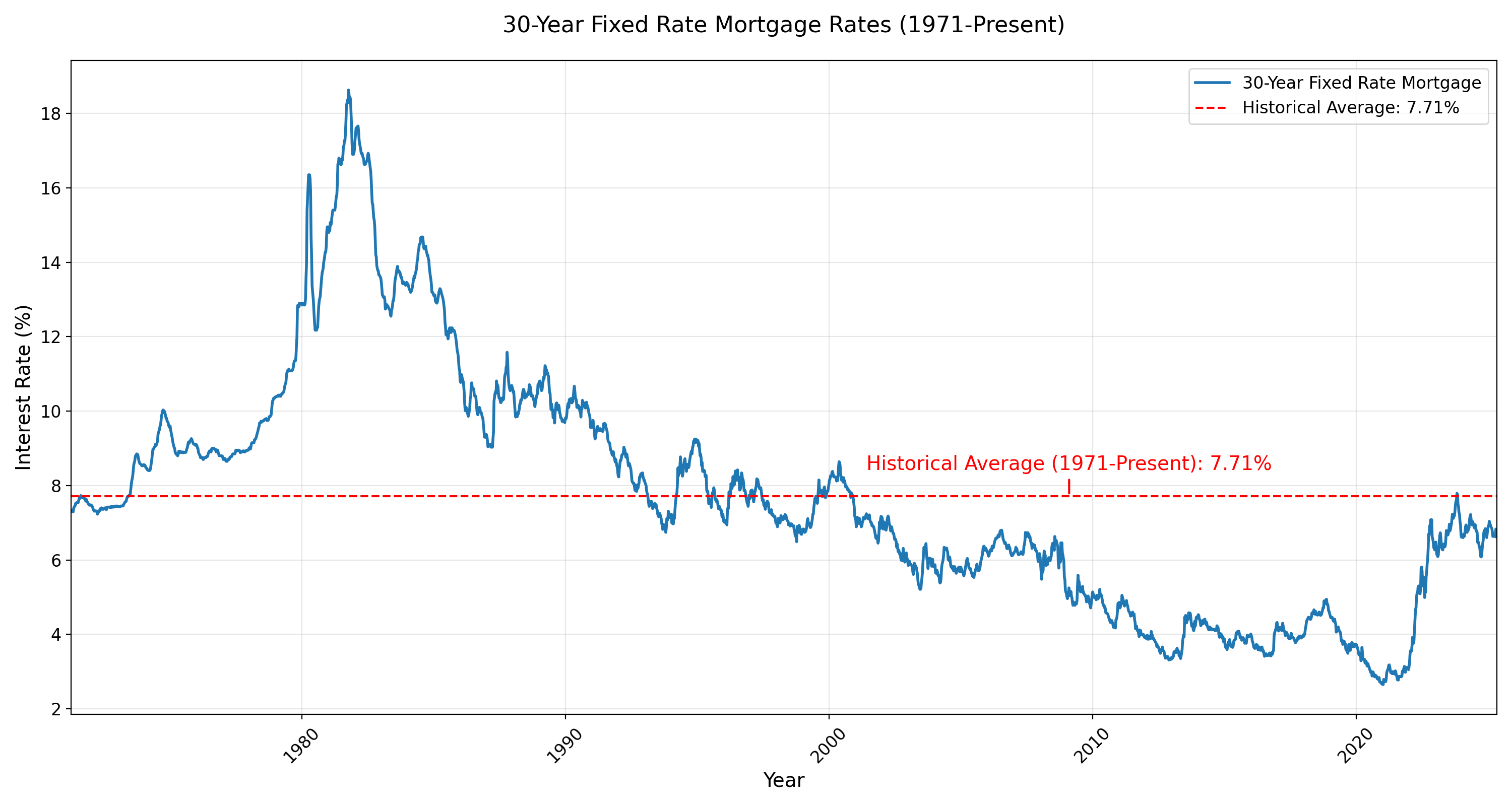
Understanding where rates have been and where they might be headed is invaluable. Historical charts illustrate past movements, revealing patterns related to economic cycles. Financial analysts and economists frequently publish interest rate forecasts, often based on their projections for inflation, GDP growth, and Federal Reserve policy. While no forecast is infallible, monitoring these predictions can help you gauge market sentiment and anticipate potential shifts. For instance, if forecasts suggest rates are likely to rise, it might incentivize you to lock in a rate sooner rather than later. Conversely, if a dip is expected, waiting might prove beneficial.
The Impact of Global Events
In our interconnected world, global events can significantly impact domestic interest rates. Geopolitical instability, major international economic crises, or even pandemics can create uncertainty, causing investors to seek safe-haven assets like U.S. Treasury bonds. This increased demand for Treasuries can drive down their yields, potentially leading to lower mortgage rates. Conversely, global economic booms or inflationary pressures originating overseas could push rates higher. For example, during times of significant global market stress, a flight to quality often occurs, where investors pour money into U.S. government bonds, pushing yields down and potentially lowering mortgage rates.
Strategies for Securing the Best Mortgage Rate
While macroeconomic forces are beyond your control, there are concrete steps you can take to position yourself favorably and secure the most competitive interest rate available to you.
Improving Your Credit Score
Your credit score is arguably the most significant factor a lender considers when determining your interest rate. Lenders use it to assess your creditworthiness and the likelihood of you repaying your loan. Borrowers with excellent credit scores (typically 740 and above) are seen as lower risk and generally qualify for the lowest available rates. To improve your credit score:
- Pay bills on time, every time. Payment history is the most important factor.
- Reduce outstanding debt, especially credit card balances.
- Avoid opening new credit accounts unnecessarily before applying for a mortgage.
- Check your credit report for errors and dispute any inaccuracies.
Even a modest improvement in your credit score can translate into substantial savings over the life of your loan.
Optimizing Your Debt-to-Income (DTI) Ratio
Your debt-to-income (DTI) ratio is another critical metric for lenders. It compares your total monthly debt payments (including your prospective mortgage payment) to your gross monthly income. A lower DTI ratio indicates you have more disposable income to cover your mortgage payments, making you a less risky borrower. Most lenders prefer a DTI ratio of 43% or less, though ideal ratios are often below 36%. To optimize your DTI:
- Pay down existing debts, such as credit cards, car loans, or student loans.
- Avoid taking on new debt before applying for a mortgage.
- Consider strategies to increase your income if possible.
A favorable DTI can not only help you qualify for a loan but also secure a better interest rate.
Shopping Around for Lenders
One of the simplest yet most effective strategies is to shop around and compare offers from multiple lenders. Don’t simply go with the first quote you receive or assume your primary bank will offer the best deal. Different lenders have different overheads, risk appetites, and loan products, leading to variations in rates and fees. Obtain quotes from at least three to five different sources, including large national banks, local credit unions, and independent mortgage brokers. Mortgage brokers, in particular, can be valuable as they work with multiple lenders to find you the best terms. Ensure you compare not just the interest rate but also the Annual Percentage Rate (APR), which includes certain fees in the cost of the loan.
Considering Mortgage Points
Mortgage points, also known as discount points, are fees paid to the lender at closing in exchange for a lower interest rate. One point typically costs 1% of the loan amount. For example, on a $300,000 mortgage, one point would cost $3,000. By paying points upfront, you effectively “buy down” your interest rate. This strategy can be beneficial if you plan to stay in your home for many years, as the long-term savings from a lower interest rate can outweigh the upfront cost of the points. Calculate the “break-even point”—how long it will take for the savings from the lower rate to cover the cost of the points—to determine if this is a wise financial move for your specific situation.
The Long-Term Implications of Interest Rate Changes
Interest rates don’t just affect your initial home purchase; they have ongoing implications for your financial well-being, influencing everything from refinancing decisions to the broader housing market and your long-term wealth accumulation.
Refinancing Opportunities
Interest rate fluctuations create opportunities for homeowners to refinance their existing mortgages. If interest rates fall significantly after you’ve secured your initial mortgage, refinancing to a lower rate can substantially reduce your monthly payments or the total interest paid over the life of the loan. This can free up cash flow for other financial goals, reduce your loan term, or even help you consolidate debt. Conversely, if rates rise, refinancing might be less appealing unless you’re looking to change loan terms or tap into home equity. Savvy homeowners regularly monitor current rates against their existing mortgage rate to identify potential refinancing windows.
Impact on Housing Affordability and Market Dynamics
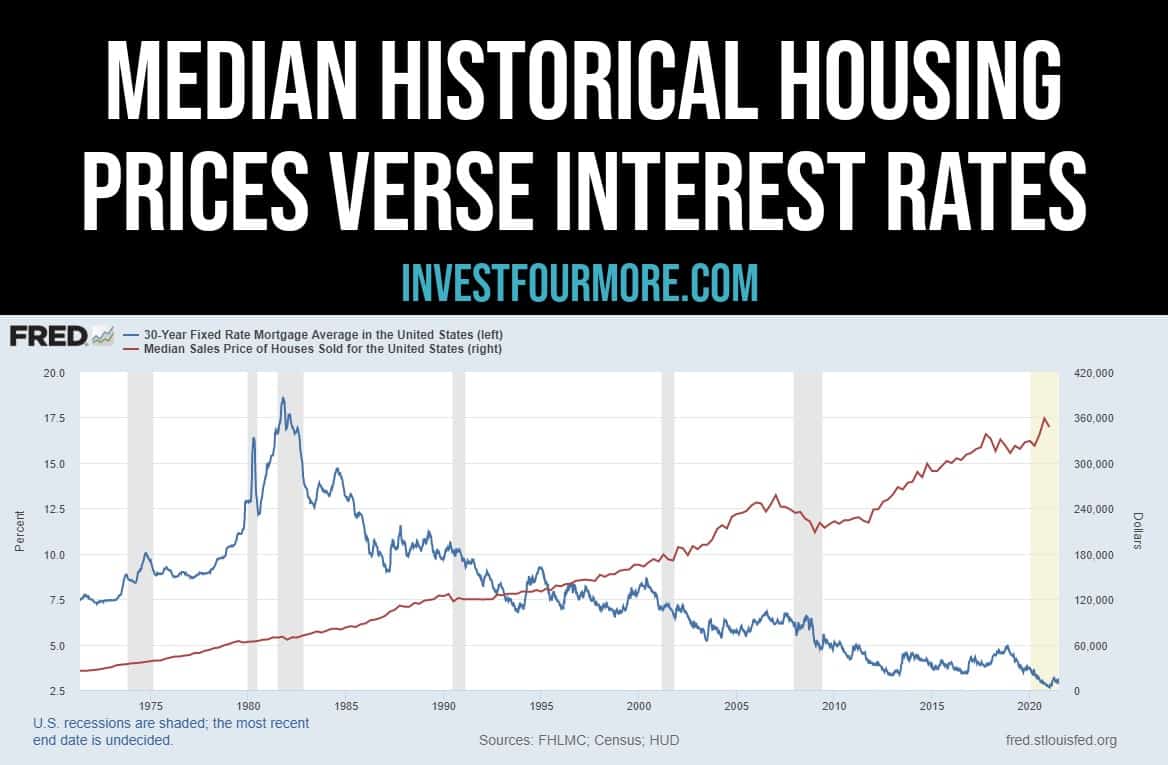
Changes in interest rates have a profound impact on overall housing affordability. When rates are low, the cost of borrowing is lower, making homes more affordable for a larger segment of the population. This increased affordability can stimulate demand, potentially driving up home prices. Conversely, when interest rates rise, the cost of borrowing increases, making homes less affordable and potentially cooling down a hot housing market. Higher rates can lead to reduced buyer demand, longer market times for properties, and a stabilization or even decrease in home values. This dynamic plays a crucial role in the cyclical nature of the real estate market.
Wealth Building Through Real Estate
For many, homeownership is a significant path to wealth building. The equity gained through principal payments and property appreciation contributes to your net worth. Interest rates play a dual role here. Lower rates make it easier to enter the market and accelerate principal repayment, thereby building equity faster. They also make real estate a more attractive investment compared to other assets with lower returns. However, it’s not just about the rate. Understanding the interplay between interest rates, property values, and your personal financial situation is key to leveraging real estate as a long-term wealth-building asset, whether through your primary residence or investment properties.
In conclusion, housing interest rates are a cornerstone of personal finance and real estate investment. They are complex, influenced by a global tapestry of economic indicators and policy decisions, yet their impact on your financial journey is undeniable. By understanding the fundamentals, monitoring key drivers, and implementing strategic financial practices, you can navigate the interest rate landscape with confidence, making informed decisions that contribute to your financial stability and long-term wealth.
aViewFromTheCave is a participant in the Amazon Services LLC Associates Program, an affiliate advertising program designed to provide a means for sites to earn advertising fees by advertising and linking to Amazon.com. Amazon, the Amazon logo, AmazonSupply, and the AmazonSupply logo are trademarks of Amazon.com, Inc. or its affiliates. As an Amazon Associate we earn affiliate commissions from qualifying purchases.