
In an increasingly interconnected world, the ability to travel has never been more accessible, yet the process of booking flights has evolved from a simple phone call or visit to a travel agent into a complex digital dance. Today, booking flights is an inherently technological endeavor, relying on sophisticated software, intelligent algorithms, mobile applications, and robust digital security protocols. This comprehensive guide will demystify the modern flight booking process, empowering you to leverage the latest technological tools and strategies for a seamless, secure, and optimized travel planning experience. We’ll delve into the digital ecosystem, walk through the essential tech-driven steps, emphasize digital security, explore advanced features, and even glimpse into the future of flight booking, all strictly within the realm of technology.

The Digital Frontier of Flight Booking: Understanding the Ecosystem
The first step in mastering flight bookings is to understand the diverse technological platforms that govern the travel industry. The landscape is rich with options, each designed to simplify, compare, and execute your travel plans, all powered by complex backend systems and user-friendly interfaces.
Evolution of Online Travel Agencies (OTAs)
Once the domain of brick-and-mortar agencies, the internet revolution gave rise to Online Travel Agencies (OTAs) like Expedia, Booking.com, and Kayak. These platforms represent a significant leap in digital convenience, consolidating vast amounts of flight data from multiple airlines into a single, searchable interface. Their evolution has been driven by continuous technological advancements, from early search engines to today’s AI-powered recommendation systems. OTAs leverage powerful aggregation software to pull real-time availability and pricing, offering a one-stop shop for comparing itineraries, often bundling flights with hotels or car rentals through integrated booking engines. This technological integration simplifies the user experience, providing a broad overview of options that would be impossible to compile manually.
Direct Airline Websites vs. Aggregators
When booking flights, travelers face a fundamental choice: utilize an OTA/aggregator or go directly to an airline’s official website. Each approach has its technological advantages. Aggregators like Google Flights, Skyscanner, or Momondo are pure search engines, acting as sophisticated data crawlers that scan hundreds of airline and OTA sites to present the cheapest or most convenient options. They use advanced algorithms to quickly process and display complex fare structures across different providers. While they don’t typically handle the actual transaction, they are indispensable for initial research and price discovery.
Direct airline websites, on the other hand, offer a more controlled booking experience. They are proprietary platforms, often featuring more robust seat selection tools, options for upgrading, and direct access to loyalty program benefits. Their booking engines are designed for optimal performance within their specific airline’s system, ensuring direct communication with their inventory management software. For travelers prioritizing specific amenities, loyalty points, or more direct customer service, booking directly through the airline’s sophisticated e-commerce platform can be advantageous.
Leveraging Mobile Apps for Seamless Bookings
The ubiquity of smartphones has fundamentally reshaped flight booking. Dedicated mobile applications from airlines and OTAs alike offer unparalleled convenience and specialized features. These apps are optimized for smaller screens, provide push notifications for price drops or flight status changes, and often integrate with mobile wallets for one-tap payments. Features like in-app check-in, mobile boarding passes (using QR code technology), and real-time gate change alerts exemplify how mobile technology has streamlined the travel experience. The development of robust APIs (Application Programming Interfaces) allows these apps to communicate effortlessly with backend systems, ensuring up-to-the-minute information and a fluid user journey from search to boarding.
Mastering the Tools: A Step-by-Step Tech Tutorial
Once you understand the digital ecosystem, the next step is to master the tools available. This involves learning how to effectively navigate and utilize the features embedded within booking platforms to find and secure your ideal flight.
Utilizing Flight Comparison Engines for Optimal Results
Flight comparison engines (like Google Flights, Kayak, Skyscanner, or Momondo) are your primary technological allies in the initial search phase. These platforms employ advanced algorithms to scour vast databases of flights, presenting you with a comprehensive list of options.
- Inputting Parameters: Start by entering your departure and arrival airports, dates, and number of passengers. The user interface is designed for intuitive input, often with predictive text features.
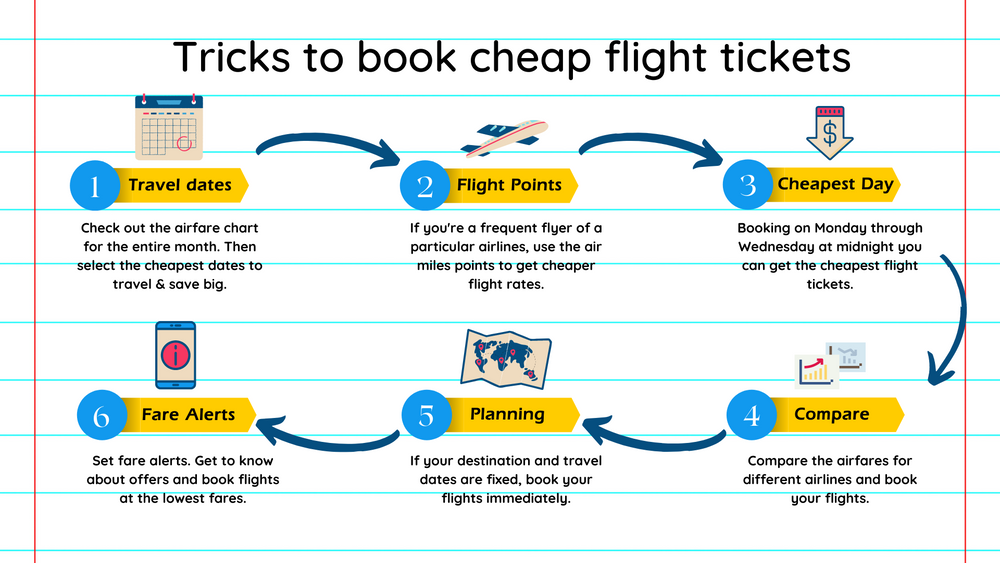
- Flexible Date Searches: Many engines offer “flexible date” or “month view” options, which are incredibly powerful. These tools visualize fare prices across an entire month or year, using data analytics to highlight the cheapest days to fly, often leveraging historical pricing data and predictive models.
- Multi-City and Open-Jaw Options: For complex itineraries, utilize multi-city search functions. This allows you to string together several flights into one booking, a feature supported by sophisticated routing algorithms.
Advanced Search Filters and Customization Options
Beyond basic parameters, modern booking platforms offer an array of advanced filters that empower users to tailor their search results precisely. These filters are driven by robust database queries and sophisticated sorting mechanisms.
- Airline Preferences: Filter by specific airlines or alliances, useful for loyalty program members.
- Layover Control: Specify preferred layover durations, number of stops, or even stopover cities.
- Departure/Arrival Times: Narrow down results based on preferred time windows, ideal for red-eye avoiders or early bird travelers.
- Aircraft Type & Cabin Class: For the technically inclined or comfort-focused, some platforms allow filtering by aircraft model or specific cabin features, drawing data from airline fleet information.
- Price Range and Alerts: Set a maximum price, or crucially, create price alerts. This feature employs automated monitoring software that tracks fare fluctuations for your desired route and notifies you via email or app notification when prices drop to your specified threshold.
Setting Price Alerts and Harnessing AI for Fare Predictions
One of the most valuable technological features in modern flight booking is the ability to set price alerts. This functionality utilizes persistent background processes that constantly monitor fare changes for your selected routes and dates. When a price change meets your criteria, the system triggers an automated notification, saving you countless hours of manual checking.
Furthermore, some advanced platforms, notably Google Flights, integrate artificial intelligence (AI) and machine learning (ML) algorithms for fare predictions. These AI models analyze historical pricing data, current market trends, demand patterns, and even external factors like holidays or events to predict whether a fare is likely to increase or decrease in the near future. While not infallible, these AI-driven insights provide a data-backed recommendation, guiding you on whether to “book now” or “wait,” adding a layer of sophisticated intelligence to your decision-making process.
Ensuring Digital Security and Privacy in Online Transactions
The convenience of online flight booking comes with the critical responsibility of safeguarding your personal and financial information. Robust digital security measures are paramount.

Identifying Secure Booking Platforms
Before inputting any personal or payment data, verify the security of the booking platform. Look for:
- HTTPS Protocol: Ensure the website address begins with “https://” (the ‘s’ stands for secure) and a padlock icon is visible in your browser’s address bar. This indicates that your connection to the website is encrypted using SSL/TLS protocols, protecting data in transit.
- Reputable Providers: Stick to well-known OTAs, direct airline websites, or aggregators with established reputations. Exercise caution with unfamiliar sites offering deals that seem too good to be true, as they could be phishing attempts or insecure platforms.
- Privacy Policies: A legitimate site will clearly display its privacy policy, outlining how your data is collected, stored, and used. Understanding this document, although often dense, is crucial for informed consent.
Best Practices for Payment Information Protection
Your credit card details are a prime target for cybercriminals. Employ these tech-focused best practices:
- Use Strong, Unique Passwords: For any account associated with booking (airline loyalty programs, OTA accounts), use complex passwords that combine letters, numbers, and symbols, and ideally, use a password manager.
- Two-Factor Authentication (2FA): Enable 2FA whenever available. This adds an extra layer of security, requiring a second verification step (like a code sent to your phone) beyond just your password, significantly reducing the risk of unauthorized access.
- Secure Payment Gateways: Reputable booking sites use secure payment gateways (e.g., Stripe, PayPal, Visa Secure, Mastercard ID Check) which encrypt your financial data during the transaction process, often handled by third-party payment processing specialists.
- Avoid Public Wi-Fi for Transactions: Public Wi-Fi networks are often unsecured and vulnerable to eavesdropping. If you must book on the go, use a Virtual Private Network (VPN) to encrypt your connection, or preferably, use your mobile data connection.
Understanding Data Privacy and Personalization in Travel Tech
Travel tech platforms collect vast amounts of user data – search history, booking patterns, demographic information. This data is used to personalize your experience, from tailored flight recommendations to dynamic pricing. While beneficial for discovering relevant deals, it’s essential to understand the privacy implications. Review cookie settings, understand how your data contributes to profiling, and be mindful of what information you consent to share. Modern browsers offer robust privacy controls, and many platforms are becoming more transparent about data usage in response to regulations like GDPR.
Beyond Basic Booking: Smart Tech for Enhanced Travel
Modern flight booking extends beyond merely purchasing a ticket; it encompasses a suite of technological solutions designed to optimize your entire travel journey.
Integrating Loyalty Programs and Digital Wallets
Tech solutions seamlessly integrate with loyalty programs and digital wallets. When booking directly with an airline or via an OTA, ensure your frequent flyer number is correctly entered. The booking system automatically syncs your flight with your loyalty account, accruing miles or points based on its internal algorithms. Digital wallets like Apple Pay, Google Pay, or various airline-specific apps offer expedited checkout processes and enhanced security by tokenizing your payment information, meaning your actual card number is never transmitted during the transaction. This convenience is a direct result of advanced API integrations between payment systems and booking platforms.
Post-Booking Tech: Managing Reservations and Digital Boarding Passes
The technological journey doesn’t end with booking. Post-booking, airline apps and websites offer robust reservation management tools. You can digitally select seats, upgrade, add baggage, check in online, and access your itinerary details. The most significant advancement is the digital boarding pass, utilizing QR code or barcode technology accessible directly on your smartphone. These digital passes interface directly with airport scanning systems, streamlining the boarding process and reducing reliance on physical documents. Flight tracking apps, which pull real-time data from air traffic control systems, also become invaluable for monitoring delays or gate changes.
Emerging Technologies: AI Chatbots and Voice Assistants in Travel
The travel industry is increasingly adopting AI-powered chatbots and voice assistants. Chatbots embedded in airline websites and apps provide instant customer support, answer FAQs about baggage policies, flight status, or booking modifications, and even assist with rebooking in case of disruptions. Voice assistants like Amazon Alexa or Google Assistant are also integrating with travel platforms, allowing users to inquire about flight prices, track flight status, or even initiate bookings through voice commands, leveraging natural language processing (NLP) to understand and respond to complex queries. These technologies aim to offer a more intuitive and conversational interface for travel planning and support.
The Future of Flight Booking: What’s Next in Travel Tech?
The technological innovation in flight booking is relentless. Several emerging trends promise to further revolutionize how we discover, book, and manage our air travel.
Blockchain for Secure Identity and Payments
Blockchain technology holds significant promise for enhancing security and efficiency in travel. Imagine a decentralized digital identity system where your passport information is securely stored and verified, eliminating repetitive data entry and strengthening fraud prevention. Blockchain could also underpin secure, transparent payment systems, reducing transaction fees and offering instant settlement for airlines, potentially leading to more competitive pricing. Smart contracts on a blockchain could automate compensation for delayed flights or lost luggage, driven by immutable data.
Hyper-Personalization Driven by AI
AI’s role will deepen, moving beyond fare predictions to hyper-personalization. Future booking platforms will leverage vast datasets – your past travel, preferences, social media activity (with consent), and even biometric data – to offer truly bespoke flight and experience recommendations. This could range from suggesting specific seat types based on your comfort history to proactively re-routing you based on anticipated weather disruptions, all orchestrated by intelligent, predictive AI models.
Sustainable Travel Tech: Tools for Eco-Conscious Flyers
As environmental concerns grow, technology will increasingly empower sustainable travel. Future booking tools will not only display flight prices and durations but also carbon footprint metrics for each itinerary, allowing travelers to make informed, eco-conscious choices. Innovations in sustainable aviation fuels will be transparently integrated into booking options, and platforms might offer tools to offset carbon emissions directly during the booking process, leveraging partnerships with environmental tech initiatives.
The journey of booking flights has transformed into a sophisticated interaction with technology. By understanding and embracing the digital tools, security protocols, and emerging innovations, travelers can navigate the digital skies with unprecedented confidence, ensuring efficient, secure, and increasingly personalized journeys. The future promises even more intelligent, seamless, and responsible ways to connect the world, all powered by the relentless march of technological progress.
aViewFromTheCave is a participant in the Amazon Services LLC Associates Program, an affiliate advertising program designed to provide a means for sites to earn advertising fees by advertising and linking to Amazon.com. Amazon, the Amazon logo, AmazonSupply, and the AmazonSupply logo are trademarks of Amazon.com, Inc. or its affiliates. As an Amazon Associate we earn affiliate commissions from qualifying purchases.