
In the vast landscape of online retail, Amazon stands as an undeniable behemoth. For many, the convenience of two-day, one-day, or even same-day shipping has become synonymous with an Amazon Prime membership. Yet, a significant portion of the platform’s users operates without this subscription, raising a crucial question for the financially astute consumer: “How much is Amazon shipping without Prime?” Understanding these costs is not merely about curiosity; it’s a vital aspect of personal finance, allowing shoppers to budget effectively, make informed purchasing decisions, and ultimately maximize their savings in the digital marketplace.
This article delves into the financial intricacies of Amazon’s non-Prime shipping, dissecting the various costs, exploring strategies to mitigate them, and offering a robust financial analysis to help you decide if a Prime membership genuinely aligns with your spending habits and financial goals. For those committed to fiscal prudence, navigating Amazon without Prime requires a strategic approach, turning every purchase into an opportunity for financial optimization.
Unpacking Amazon’s Non-Prime Shipping Structure: The Baseline Costs
For shoppers without a Prime membership, the world of Amazon shipping can seem less straightforward, often subject to variables that can quickly accumulate on the final bill. The perception that all shipping is free on Amazon is a common misconception, primarily driven by the ubiquity of Prime. Without it, standard shipping costs become a tangible line item requiring careful consideration.
The “Free Shipping” Threshold for Standard Orders
Amazon does offer a path to free standard shipping for non-Prime members, but it comes with a condition: a minimum order value. Historically, this threshold has fluctuated, often settling around $25 to $35 for eligible items. When your cart total for items sold or fulfilled by Amazon reaches this minimum, you generally qualify for free standard shipping, which typically delivers within 5-8 business days. This threshold is a primary financial lever for non-Prime shoppers. Failing to meet it means incurring a shipping fee, which can range from a few dollars for small, lightweight items to significantly more for larger or heavier goods. The critical takeaway here is that every dollar spent below this minimum effectively adds a “shipping penalty” to your purchase, making small, singular orders financially less efficient.
Expedited Options: When Speed Comes at a Price
While free standard shipping is attainable, the desire for speed often trumps patience, leading many to consider expedited shipping options. For non-Prime members, faster delivery always comes at an additional cost. Amazon typically offers several tiers of expedited shipping, such as “Standard,” “Expedited,” and “Two-Day” or “One-Day” delivery, each with its own price tag.
- Standard Shipping: Usually 3-5 business days, with costs varying based on item size, weight, and destination if the free shipping threshold isn’t met.
- Expedited Shipping: Often 2-3 business days, significantly more expensive than standard, typically starting around $6-$10 and increasing from there.
- Two-Day/One-Day Shipping: These are the fastest options available to non-Prime members and are priced at a premium, often costing upwards of $15-$20 or more per order, making them financially prohibitive for regular use unless absolutely necessary.
The decision to opt for expedited shipping without Prime is purely a financial one. It’s an immediate trade-off between convenience and cost, and for budget-conscious individuals, it’s a trade-off that should be made judiciously, perhaps only for critical purchases.
Seller-Specific Shipping Fees: The Marketplace Variable
A significant factor often overlooked by non-Prime members is the shipping policies of third-party sellers on the Amazon Marketplace. While many sellers participate in “Fulfillment by Amazon” (FBA), meaning Amazon handles their shipping and their items often count towards the free shipping threshold, others fulfill orders themselves. These third-party sellers set their own shipping rates, which can vary wildly.
- Independent Seller Rates: Some sellers may offer free shipping regardless of order size, while others charge flat rates or calculated rates based on weight and distance.
- No Free Shipping Threshold: Items from these sellers often do not count towards Amazon’s free shipping minimum, meaning you could have a cart well over the minimum but still pay shipping for a third-party item.
- Return Shipping: It’s also crucial to note that return shipping policies for third-party sellers can differ significantly from Amazon’s, potentially adding another layer of financial consideration if a return becomes necessary.
Before completing a purchase from a third-party seller, it’s always financially prudent to review their specific shipping policies and costs, as these can dramatically inflate your total spend without a Prime membership.
Deconstructing the “Free Shipping” Illusion: Factors Influencing Your Total
While Amazon’s non-Prime free shipping threshold provides a baseline, a myriad of other factors can subtly, or overtly, impact your final cost. Understanding these nuances is key to truly grasping the financial implications of shopping without Prime. The concept of “free shipping” often comes with asterisks, and for the savvy shopper, reading the fine print is paramount.
Item Type and Size: Bulky Goods vs. Small Parcels
The physical characteristics of an item play a significant role in determining shipping costs, especially for non-Prime members.
- Weight and Dimensions: Heavy, oversized, or unusually shaped items almost always incur higher shipping fees due to increased handling and transport costs. Even if you meet the free shipping threshold for other items, a single bulky item might have a separate, non-waivable surcharge.
- Special Handling: Items requiring special handling (e.g., fragile goods, hazardous materials) may also come with additional fees that are not covered by standard free shipping policies.
- Packaging: While less common for direct customer charges, items requiring specialized packaging can indirectly influence the overall shipping cost calculation.
Always pay close attention to the estimated shipping cost for individual items, particularly those that are not standard size or weight. A “great deal” on a large item can quickly become less attractive once shipping is factored in.
Destination and Proximity: Geographic Impact on Shipping
Where you live can also influence the cost and speed of shipping for non-Prime members.
- Remote Locations: Deliveries to rural or remote areas, or regions far from Amazon fulfillment centers, can sometimes incur higher shipping costs or take longer, even with standard options.
- International Shipping: For purchases made on Amazon.com and shipped internationally, non-Prime shipping costs skyrocket, often including duties, taxes, and high international shipping rates. While less common for the average domestic shopper, it’s a crucial consideration for those outside the US or ordering from international Amazon sites.
For most domestic shoppers, proximity primarily affects delivery speed more than base cost, but it’s an underlying logistical factor that Amazon considers in its pricing algorithms.
Special Handling and Third-Party Logistics
Beyond physical characteristics, certain items or fulfillment methods trigger additional costs.
- Drop-Shipped Items: Some items, particularly those from third-party sellers, might be drop-shipped directly from a manufacturer or another warehouse, leading to independent shipping charges that don’t align with Amazon’s standard structure.
- Freight Shipping: Very large items (e.g., furniture, major appliances) might require freight shipping, which is a specialized and considerably more expensive service, almost always incurring additional fees for non-Prime customers. These costs are often quoted separately and can run into hundreds of dollars.
It’s essential to scrutinize the shipping details during checkout, particularly for non-standard items, to avoid any unexpected financial surprises.
The Impact of Sales Tax on Your Final Bill
While not a “shipping cost” per se, sales tax is a direct financial component that increases your overall purchase price and often applies to shipping fees themselves, further inflating the total cost.
- State Regulations: Sales tax rates vary by state and local jurisdiction. Amazon is legally required to collect sales tax in virtually all states where it has a physical presence or meets economic nexus laws.
- Tax on Shipping: In many states, sales tax is applied not only to the product’s price but also to any shipping and handling charges. This means that a $5 shipping fee could effectively cost you $5.40 with an 8% sales tax, incrementally adding to your expenses.
Always factor in sales tax when calculating the true cost of your Amazon purchases, as it’s a non-negotiable addition to your financial outlay.
Smart Spending Strategies: Cutting Shipping Costs Without a Prime Membership
For the financially savvy shopper committed to avoiding a Prime subscription, actively managing and minimizing shipping costs on Amazon is paramount. This requires a shift from impulse buying to strategic planning, treating every potential purchase as an opportunity to optimize your personal finances.

Consolidating Orders: Hitting the Free Shipping Minimum
The most straightforward and effective strategy for non-Prime members is to consolidate purchases to meet Amazon’s free shipping threshold.
- Batching Purchases: Instead of buying a single item as soon as you need it, create a “wish list” or a running shopping cart. Wait until you have multiple items that collectively meet or exceed the free shipping minimum before checking out.
- Future Needs: Consider purchasing non-perishable household staples, gifts, or items you know you’ll need in the near future along with your immediate necessities.
- Amazon’s “Add-on” Items: Be aware of “Add-on Items,” which are typically low-priced goods that only ship with orders over a certain amount (usually the free shipping threshold). These are perfect for topping up a cart to qualify for free shipping.
By planning ahead, you transform potential shipping fees into opportunities to acquire goods you genuinely need, making your spending more efficient.
Leveraging Amazon Day Delivery (When Available)
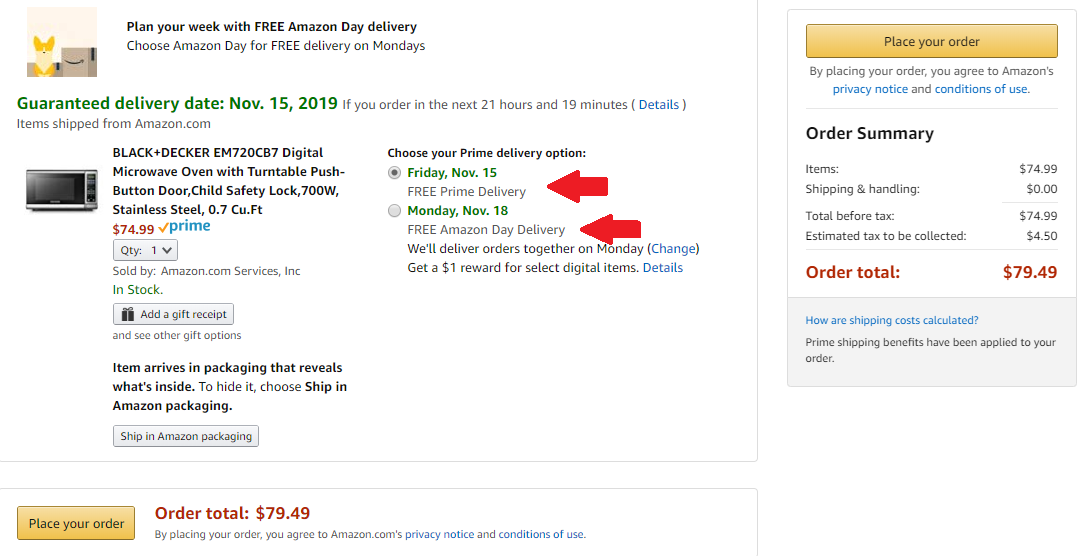
Amazon Day is a lesser-known but incredibly valuable feature for non-Prime members who qualify for free standard shipping.
- Consolidated Deliveries: If you select “Amazon Day” during checkout, all eligible items ordered throughout the week will be delivered together on a single, designated day of your choice. This option is typically available for items that qualify for free shipping.
- Environmental and Financial Benefit: While primarily marketed for its environmental benefits (fewer packages, fewer delivery trips), it also consolidates your receiving, simplifying logistics and ensuring you’re taking full advantage of the free shipping options.
Always check if Amazon Day is available for your order, as it can be a convenient way to manage multiple free-shipping purchases.
Exploring Amazon Lockers and Pickup Points
For those who live near an Amazon Locker or other designated pickup location, this can be an excellent way to secure your delivery while also sometimes offering more flexible shipping options.
- Security and Convenience: Lockers provide a secure alternative to home delivery, especially if you’re not home to receive packages.
- Potential for Faster Delivery: In some instances, choosing a Locker might offer slightly faster standard delivery times compared to home delivery, depending on the logistics. It’s not a direct cost-saving measure on shipping fees but can enhance the value of your free shipping by providing convenience and security.
Check the availability of Amazon Lockers in your area and consider using them, particularly for valuable or time-sensitive items where you’ve already qualified for free shipping.
Price Comparison and Alternative Retailers
One of the most powerful financial tools for any savvy shopper is the ability to compare prices across different retailers.
- “Showrooming” Amazon: Use Amazon to research products, but then check competitors like Walmart, Target, eBay, Best Buy, or even direct brand websites. These retailers often have their own free shipping thresholds, sales, or in-store pickup options that might make the total cost (item + shipping) cheaper than Amazon without Prime.
- Local Stores: Don’t forget local brick-and-mortar stores. Sometimes, walking into a store and purchasing an item outright avoids any shipping fees and supports local businesses. The cost of gasoline vs. shipping fees should be part of this calculation.
By broadening your shopping horizons beyond Amazon, you maintain financial flexibility and prevent brand loyalty from leading to unnecessary expenditures.
Taking Advantage of Limited-Time Free Shipping Promotions
Occasionally, Amazon will run special, limited-time promotions offering free shipping on all orders, no minimum required, for non-Prime members.
- Seasonal Sales: These often coincide with major sales events like Black Friday, Cyber Monday, or specific holiday periods.
- Targeted Promotions: Keep an eye on Amazon’s homepage or promotional emails for these fleeting opportunities.
- Financial Advantage: These promotions are prime opportunities (pun intended) to make smaller purchases without incurring shipping fees, allowing you to bypass the usual threshold.
Staying vigilant for these promotions can yield significant savings, especially for items you need but don’t quite meet the free shipping minimum.
The Prime Dilemma: A Financial Weigh-In for Frequent Shoppers
Ultimately, for many non-Prime Amazon shoppers, the question isn’t just “how much is Amazon shipping without Prime?” but also “at what point does a Prime membership become a financially sound investment?” This requires a robust financial analysis, moving beyond just shipping costs to consider the full spectrum of benefits.
Calculating Your Break-Even Point: When Prime Pays Off
The core of this financial decision lies in determining your personal “break-even point” for a Prime membership.
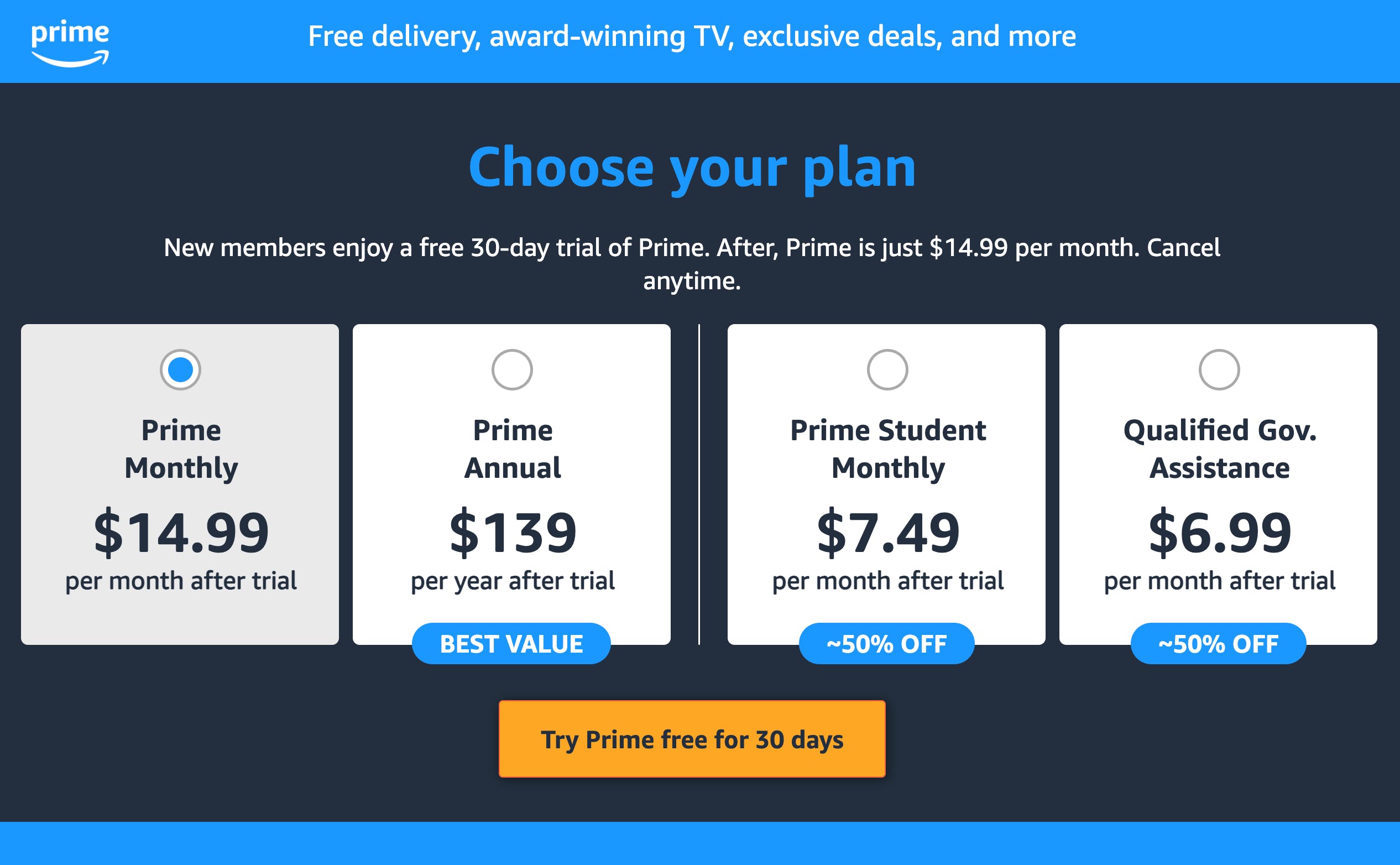
- Annual Cost: A Prime membership has an annual fee (or monthly, which is usually more expensive over a year). For example, if the annual fee is $139, and you typically pay $8 per non-Prime shipping fee, you would need to make roughly 17-18 orders per year that would have incurred shipping fees for Prime to pay for itself purely on shipping savings ($139 / $8 per shipment = ~17.4 shipments).
- True Shipping Savings: Be honest about how many times you actually pay for shipping. If you consistently meet the free shipping threshold, your effective shipping savings from Prime might be minimal, making the break-even point much higher or even unattainable.
- Marginal Benefit: Calculate the marginal benefit. If you make 10 purchases a year that would incur a $7 shipping fee ($70 total), paying $139 for Prime still means you’re effectively paying an extra $69 for the other benefits (or losing money if you don’t value them).
This calculation should be individualized and based on your actual spending patterns, not theoretical ones. Track your purchases and estimated shipping costs for a few months to get an accurate picture.
Beyond Shipping: Evaluating the Full Suite of Prime Benefits from a Financial Lens
Prime is more than just free shipping; it’s a bundle of services. A comprehensive financial analysis must consider the monetary value you derive from each of these:
- Prime Video: If you currently pay for other streaming services, could Prime Video replace one, leading to direct savings? Or is it an “extra” service that adds no net financial benefit?
- Prime Music/Reading: Similar to video, do these replace existing subscriptions or add value you’d otherwise pay for?
- Exclusive Deals & Discounts: Prime members often get early access to Lightning Deals or exclusive discounts. Do you regularly use these to save money on purchases you’d make anyway? Be wary of buying things just because they’re on sale.
- Amazon Fresh/Whole Foods Discounts: If you shop at Whole Foods or use Amazon Fresh regularly, the exclusive discounts and free grocery delivery (over a certain threshold) can represent significant savings.
- Other Digital Benefits: Photo storage, gaming benefits, etc. Assess if these offer financial value by replacing paid services or saving you money.
Assign a realistic monetary value to each benefit you genuinely use and would otherwise pay for. Sum these up, add your estimated shipping savings, and compare it to the annual Prime fee.
Is a Shared Prime Account a Viable Financial Solution?
For families or close friends, Amazon Household allows two adults to share Prime benefits, including free shipping, Prime Video, and exclusive deals.
- Cost Splitting: This can effectively halve the annual Prime membership cost, making the break-even point for individual users much lower. For example, if two adults split a $139 membership, each pays $69.50, meaning they only need to save $69.50 in shipping fees or other benefits to break even.
- Benefit Sharing: Ensure both parties genuinely use enough of the benefits to justify their half of the cost.
This is a powerful financial tool for reducing the individual burden of a Prime membership, making it a more attractive proposition for households with multiple frequent Amazon shoppers.
Short-Term Needs: The Free Prime Trial for Big Purchases
Amazon offers a 30-day free trial of Prime, which can be a strategic financial move for non-members.
- Strategic Timing: If you anticipate a large purchase (e.g., a new TV, furniture, holiday shopping) or a period of intense online shopping, activating the free trial can grant you access to free, fast shipping for a limited time.
- Cancellation Discipline: The key is to remember to cancel the trial before it automatically renews into a paid membership. Set a reminder in your calendar immediately after signing up.
- No Obligation: This allows you to experience the benefits without financial commitment, offering a real-world test of whether the value proposition justifies the cost for your particular spending habits.
The free trial is an excellent way to financially “test drive” Prime, especially if your Amazon usage is sporadic but occasionally heavy, giving you access to all benefits without incurring the annual fee.
In conclusion, navigating Amazon without Prime is entirely feasible and, for many, financially prudent. By understanding the granular costs of shipping, adopting smart spending strategies like order consolidation and external price comparison, and meticulously evaluating the true financial value of a Prime membership against your personal purchasing habits, you can empower yourself to make cost-effective choices. Amazon’s digital shelves are open to all, but only the financially aware will truly master the art of shopping smart, with or without a Prime badge.
aViewFromTheCave is a participant in the Amazon Services LLC Associates Program, an affiliate advertising program designed to provide a means for sites to earn advertising fees by advertising and linking to Amazon.com. Amazon, the Amazon logo, AmazonSupply, and the AmazonSupply logo are trademarks of Amazon.com, Inc. or its affiliates. As an Amazon Associate we earn affiliate commissions from qualifying purchases.