
The simple act of donating food transcends mere charity; it is a profound engagement with the economic realities of our communities. From mitigating the staggering financial costs of food waste to bolstering the financial resilience of vulnerable households, understanding where and how to donate food effectively is a critical component of responsible personal finance and community investment. This article delves into the economic facets of food donation, illustrating how thoughtful giving can yield significant returns, both tangible and intangible, within the financial ecosystem.
The Economic Imperative: Confronting Food Waste and Insecurity
Before exploring donation avenues, it’s essential to grasp the monumental economic challenges posed by food waste and insecurity. These aren’t just social issues; they represent massive drains on national and individual finances, creating a compelling economic argument for efficient food redistribution.
The Hidden Costs of Food Waste
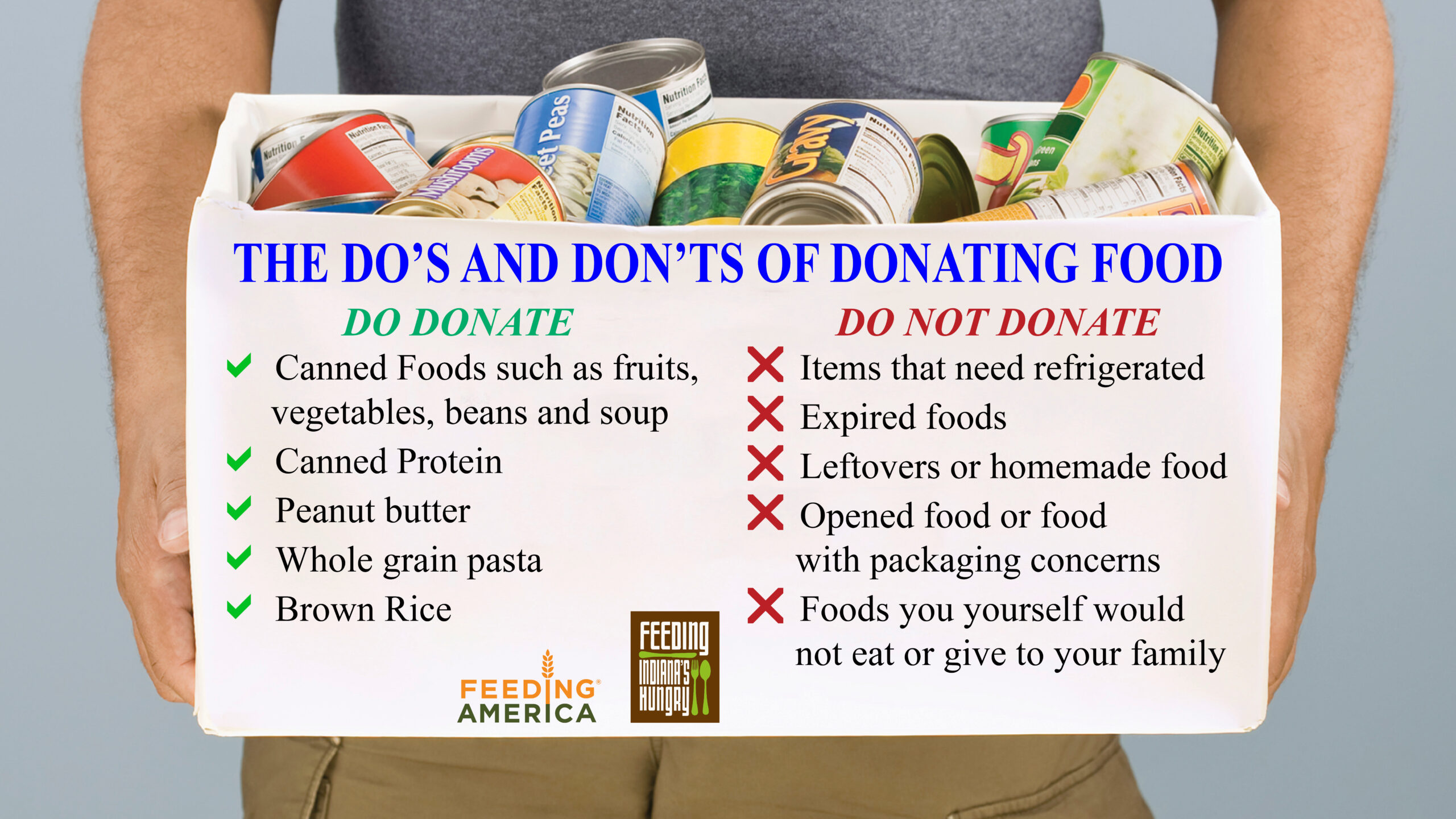
The sheer scale of food waste is a financial tragedy. Globally, an estimated one-third of all food produced for human consumption is lost or wasted, amounting to an astonishing economic cost. In developed nations, a significant portion of this waste occurs at the consumer level, where perfectly edible food is discarded due to expiration dates, aesthetic imperfections, or over-purchasing. This represents not only the monetary value of the food itself – the dollars spent on groceries that end up in the bin – but also the wasted financial inputs across the entire supply chain: labor, water, energy, land, and transportation. Farmers incur losses when surplus crops are not harvested; retailers face financial write-offs for unsold items; and households effectively throw money away with every discarded meal. Beyond direct financial losses, there are significant environmental externalities, such as greenhouse gas emissions from landfills, which translate into long-term economic burdens through climate change impacts like increased disaster relief costs and agricultural instability. Reducing food waste through donation is, therefore, a direct form of economic recovery, transforming potential loss into tangible value for those in need.
The Financial Burden of Food Insecurity
On the flip side of waste lies food insecurity – the lack of consistent access to enough food for an active, healthy life. This condition carries a heavy financial burden that permeates individual lives and wider societal structures. For families experiencing food insecurity, a significant portion of their limited income must be allocated to food, often at the expense of other essential needs such like rent, utilities, healthcare, or education. This creates a vicious cycle where financial instability deepens. Children who are food insecure may suffer from cognitive impairments and chronic health issues, impacting their educational attainment and future earning potential, thereby perpetuating intergenerational poverty. Adults facing food insecurity are more prone to preventable illnesses, leading to higher healthcare costs, reduced productivity, and increased reliance on public assistance programs. From a macroeconomic perspective, food insecurity suppresses human capital development, strains public health systems, and diminishes overall economic output. Food donations, therefore, are not just about feeding the hungry; they are a direct investment in human capital, aiming to alleviate these financial pressures and foster a healthier, more productive workforce.
The Supply Chain’s Role in Economic Disparity
The modern food supply chain, while incredibly efficient at large scales, can also contribute to both waste and unmet needs, highlighting areas ripe for financial optimization through donations. Supermarkets often discard food nearing its “best by” date, even if it remains perfectly safe and nutritious, due to stringent internal policies and consumer expectations. Farmers might leave entire fields unharvested if the market price for their produce doesn’t justify the labor costs of picking, leading to significant economic loss and waste. These inefficiencies, driven by market dynamics and logistical challenges, create surpluses in one part of the system while acute shortages persist in another. Food donation networks serve as critical intermediaries, bridging these gaps by diverting edible surplus from landfills to plates. By optimizing the redistribution of these resources, donations help to reclaim economic value that would otherwise be lost, transforming it into tangible relief and financial support for communities struggling with disparity.
Strategic Giving: Integrating Food Donations into Your Personal Finance Plan
For individuals and families, integrating charitable food donations into a personal finance plan is a savvy approach that offers both philanthropic satisfaction and potential financial benefits. It transforms impulsive giving into a structured, impactful contribution.
Budgeting for Philanthropy: Allocating Resources Wisely
Just as you budget for savings, investments, or discretionary spending, allocating a specific portion of your monthly or annual budget for charitable giving, including food donations, is a financially sound practice. This approach ensures consistency in your contributions and prevents giving from becoming an ad-hoc expense that strains your finances. You might budget for regular purchases of non-perishable items specifically for donation, or set aside a cash amount to donate to a food bank, allowing them to purchase items they need most, often at wholesale prices, which maximizes the purchasing power of your dollar. This deliberate financial planning ensures that your generosity is sustainable and impactful, turning a spontaneous act into a consistent investment in community well-being.
The Tax Advantages of Charitable Contributions
A often-overlooked financial benefit of food donation, particularly in many jurisdictions, is the potential for tax deductions. In the United States, for instance, individuals who itemize deductions can often deduct the fair market value of donated items, provided they donate to qualified charitable organizations. While direct food donations by individuals may have specific rules regarding valuation and record-keeping, cash donations to food banks are generally straightforward to deduct. Keeping meticulous records – receipts for purchased donation items, acknowledgment letters from organizations, or even detailed lists with estimated values – is crucial for maximizing these financial advantages. Consulting with a tax professional can help ensure you correctly navigate these rules, effectively reducing your taxable income and making your philanthropic endeavors even more financially efficient.
Bulk Buying and Smart Shopping for Donations
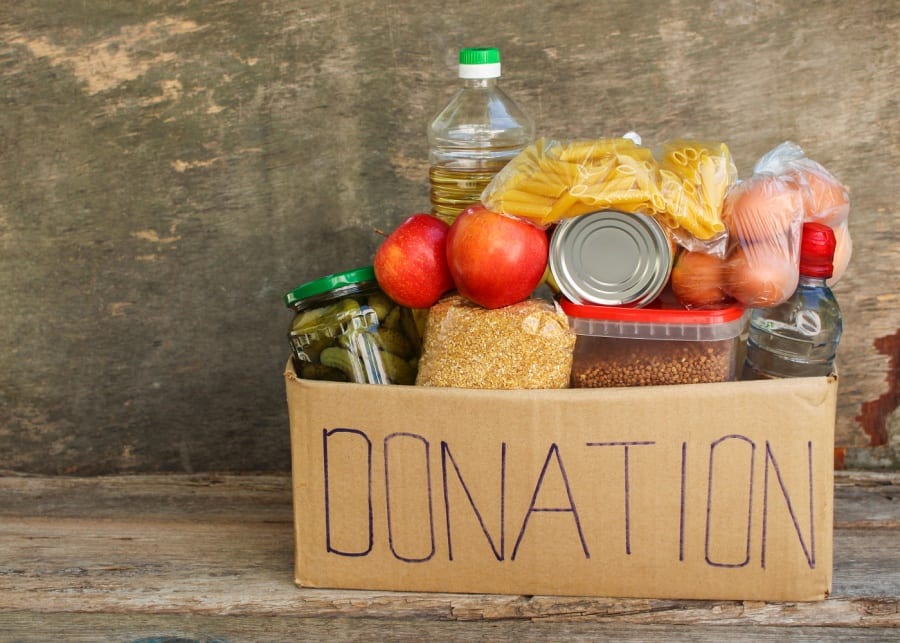
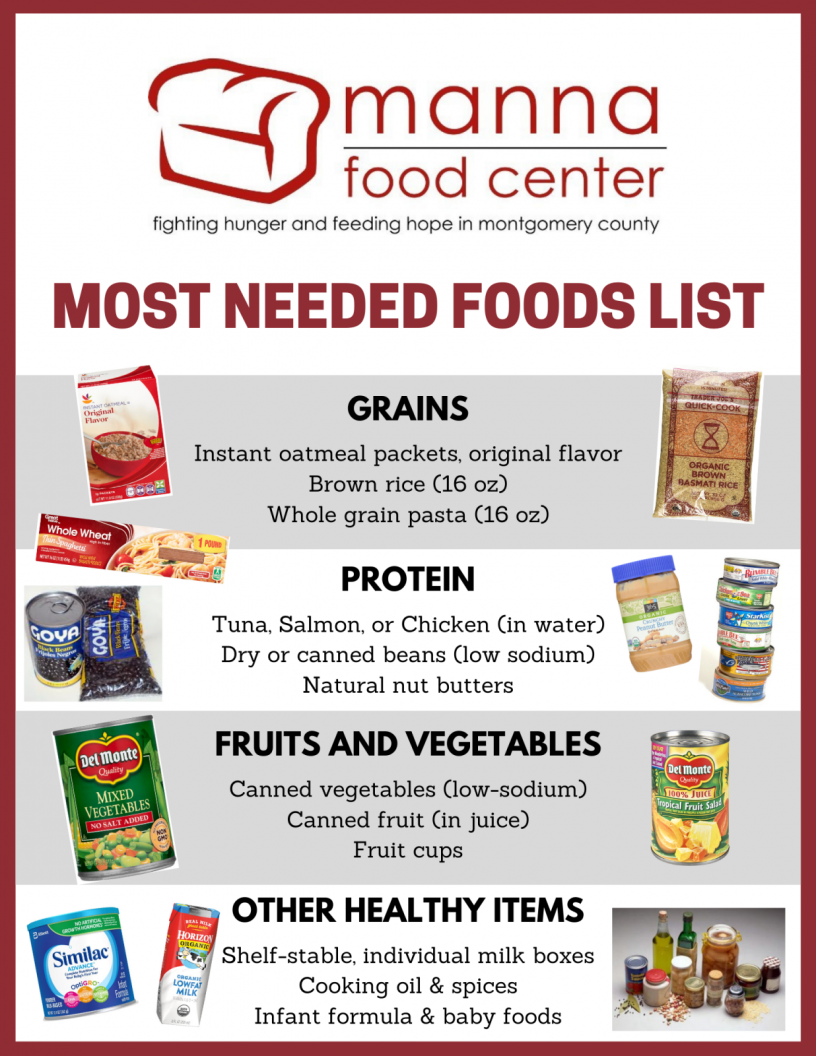
Maximizing the impact of your food donations also involves strategic shopping. By planning your purchases for donations in advance, you can leverage sales, use coupons, and engage in bulk buying (e.g., at warehouse clubs) to acquire more food items for the same budget. For example, buying non-perishable staples like rice, pasta, canned goods, or peanut butter when they are on sale can significantly increase the volume of your contribution. This “smart shopping” approach means your donation dollar goes further, providing greater nutritional value and quantity to recipients. It’s an exercise in financial prudence that directly translates into increased philanthropic output, demonstrating how savvy consumer behavior can be harnessed for collective good.
Navigating Donation Avenues: Financial Efficiency and Impact
The choice of where to donate food can significantly influence the financial efficiency and ultimate impact of your contribution. Different organizations have varying operational models, reach, and capacity to convert donations into meals.
Local Food Banks and Pantries: The Cornerstone of Community Support
Local food banks and pantries are often the most financially efficient points of contact for food donations. These organizations operate on a hub-and-spoke model: food banks act as central warehouses, receiving large donations (often from manufacturers, retailers, and food drives), sorting them, and then distributing them to smaller, local food pantries and meal programs. Their economies of scale allow them to process vast quantities of food, manage logistics efficiently, and often acquire additional food at wholesale or discounted prices. A cash donation to a food bank can be particularly impactful, as they can typically purchase 3-5 meals for every dollar donated, far exceeding what an individual might buy at retail prices. This purchasing power means your financial contribution is amplified, providing maximum return on investment in terms of meals served and individuals reached. Donating non-perishable items directly to a local pantry, especially those with limited logistical capabilities, can also be highly effective, reducing their need to expend funds on purchasing those specific items.
Religious Organizations and Community Centers: Direct Impact on Local Economies
Many religious organizations (churches, mosques, synagogues, temples) and community centers run their own food pantries or meal programs, often serving their immediate neighborhoods. These groups frequently operate with minimal overhead, relying heavily on volunteers and direct donations. While they may not have the same purchasing power as large food banks, their strength lies in their direct, localized impact and ability to address specific community needs with agility. Donating food here means it often goes directly to families living within a few blocks, fostering a stronger sense of community and providing immediate relief. Furthermore, by providing food aid, these centers free up financial resources for families to spend on other local businesses, creating a small but significant ripple effect within the local economy. Supporting these grassroots efforts is an investment in direct, immediate relief with a localized financial benefit.
School Programs and Educational Initiatives: Investing in Future Economic Stability
School-based food programs, such as “backpack programs” that provide food for children over weekends or holidays, represent a targeted investment in future economic stability. By ensuring children have consistent access to nutritious food, these programs combat hunger’s detrimental effects on learning and development. Children who are well-fed are better able to concentrate in class, achieve higher academic results, and are less prone to health issues. This, in turn, has profound long-term financial implications: improved educational outcomes lead to better job prospects, higher earning potential, and reduced reliance on social services in adulthood. Donating to these programs is therefore not just feeding a child; it’s an investment in human capital, contributing to a more educated, healthier, and financially stable future workforce. The return on this investment is a more robust local and national economy down the line.
The Economic Multiplier Effect: Beyond the Immediate Plate
The act of donating food extends beyond the simple exchange of goods for hunger relief. It initiates an economic multiplier effect, creating far-reaching benefits that bolster community financial health and individual well-being in myriad ways.
Strengthening Local Economies Through Food Security
A community where food insecurity is prevalent is a community under economic stress. When residents struggle to afford food, they are less likely to be healthy, productive, and engaged members of the workforce. By ensuring food security through donations, we help create healthier populations, leading to reduced healthcare costs for individuals and public health systems. Healthier individuals are more capable of maintaining employment, contributing taxes, and participating in local commerce. This increased productivity and economic participation strengthen the local tax base, support local businesses, and foster a more dynamic and resilient local economy. Food donations, therefore, aren’t merely a charitable act; they are a strategic investment in the foundational health and economic vitality of a community.
Empowering Financial Stability for Recipients
For individuals and families on tight budgets, the cost of food represents a significant financial outlay. When food assistance is provided through donations, it effectively frees up a portion of their limited financial resources that would otherwise be spent on groceries. This crucial flexibility allows recipients to allocate those funds to other pressing financial needs, such as rent, utilities, transportation, medication, or educational expenses. This seemingly simple reallocation can be transformative, helping to prevent eviction, avoid utility shut-offs, and reduce medical debt – all of which are major drivers of deeper financial distress. By mitigating these immediate financial pressures, food donations play a vital role in empowering recipients to achieve greater financial stability and prevent a downward spiral into deeper poverty, creating a pathway toward self-sufficiency.
The Volunteer Economy: Financial Value of Time and Effort
Behind every successful food donation network lies the invaluable contribution of volunteers. While often overlooked in traditional economic analyses, the “volunteer economy” represents a substantial financial contribution that boosts the operational efficiency of food banks and pantries without direct monetary cost. Volunteers sort donations, pack meals, manage logistics, and distribute food, effectively providing labor that organizations would otherwise have to pay for. The imputed financial value of these volunteer hours is enormous, allowing charitable organizations to direct more of their financial resources (donated cash) directly towards food acquisition, storage, and specialized programs rather than administrative overhead. This leverage of human capital for community benefit is a powerful example of how non-monetary contributions significantly enhance the financial efficacy and reach of food donation initiatives.
In conclusion, donating food is far more than a gesture of goodwill; it is an economically sound decision with cascading benefits. By understanding the financial costs of waste and insecurity, strategically integrating giving into personal finance, choosing efficient donation avenues, and recognizing the broader economic multiplier effect, we can transform a simple act of charity into a powerful engine for community health and financial resilience.
aViewFromTheCave is a participant in the Amazon Services LLC Associates Program, an affiliate advertising program designed to provide a means for sites to earn advertising fees by advertising and linking to Amazon.com. Amazon, the Amazon logo, AmazonSupply, and the AmazonSupply logo are trademarks of Amazon.com, Inc. or its affiliates. As an Amazon Associate we earn affiliate commissions from qualifying purchases.