
In the world of personal finance, few assets are as highly debated or as potentially lucrative as credit card rewards. Among these, American Express (Amex) Membership Rewards points stand as a titan. Often referred to as a “flexible currency,” these points are not tethered to a single airline or hotel chain, providing a level of financial versatility that few other ecosystems can match. However, the question “What are Amex points worth?” does not have a single, static answer. Depending on how you deploy them, a single point could be worth as little as 0.5 cents or as much as 4.0 cents.
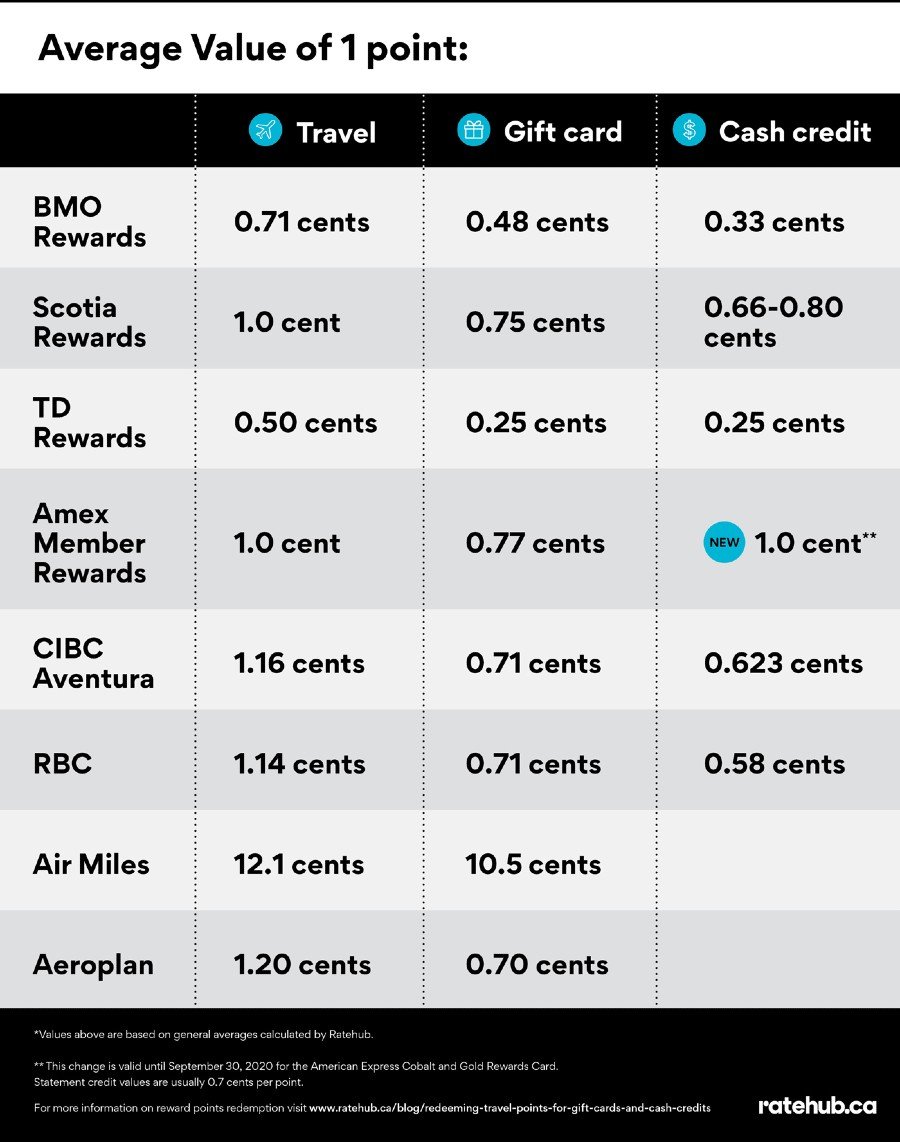
Understanding the valuation of Membership Rewards is a critical skill for any savvy consumer or business owner. It is the difference between getting a mediocre return on your spending and unlocking thousands of dollars in “free” travel and luxury experiences. This guide will dissect the valuation of Amex points, explore the different redemption tiers, and provide a strategic framework for treating your points portfolio as a serious financial asset.
Understanding the Fundamentals of American Express Membership Rewards
Before diving into the specific math of valuation, one must understand what makes Membership Rewards (MR) points unique in the financial landscape. Unlike cash-back rewards, which have a fixed 1:1 ratio to the dollar, MR points are a “transferable currency.” This means they act as a bridge between your spending and dozens of third-party loyalty programs.
The Concept of Flexible Rewards Currency
The primary value of Amex points lies in their flexibility. In personal finance, liquidity and flexibility are key components of risk management. If you hold 100,000 Delta SkyMiles, you are at the mercy of Delta’s specific devaluation cycles. However, if you hold 100,000 Amex points, you hold the keys to Delta, British Airways, Hilton, Marriott, and many others. This flexibility creates an inherent “premium” value because you can move the points to whichever partner offers the best redemption rate at any given moment.
How Points Are Earned: The Cost of Acquisition
To calculate the true worth of a point, one must also consider the “cost of acquisition.” Through cards like the American Express® Gold Card, which offers 4x points on dining and groceries, or the The Business Platinum Card®, which offers 5x points on flights booked through Amex Travel, the rate at which you accumulate points is incredibly high. If you earn 4 points per dollar spent, and each point is worth 2 cents, you are essentially receiving an 8% “rebate” on your spending. This is significantly higher than the 1.5% or 2% offered by standard cash-back cards.
Calculating the Value: How Much Is One Point Actually Worth?
The value of an Amex point is entirely dependent on the redemption method. In the financial world, we categorize these redemptions into three tiers: Low Value, Standard Value, and High Value.
The Baseline: Statement Credits and Gift Cards
At the bottom of the ladder are statement credits and “Cover Your Charges” options. When you use points to pay off your credit card balance, you typically receive a valuation of 0.6 cents per point. From a financial perspective, this is a poor use of assets. You are essentially trading a high-potential currency for a low-value cash equivalent.
Gift cards and shopping with points at merchants like Amazon usually offer a valuation between 0.7 and 1.0 cents per point. While slightly better than statement credits, this still fails to capture the true potential of the Membership Rewards program. If you are redeeming points for less than 1 cent each, you would be better off using a dedicated cash-back credit card.
The Sweet Spot: Travel Through the Amex Portal
For many cardholders, the simplest way to get a solid return is by booking travel directly through the American Express Travel portal. Generally, points are worth 1.0 cent each when used to book flights.
However, there is a significant “Money” hack for those holding the Business Platinum Card: the 35% Airline Bonus. This allows certain cardholders to get 35% of their points back when booking a first or business-class flight (or any flight on their selected qualifying airline) via the portal. This effectively bumps the value of each point to approximately 1.54 cents, providing a consistent, high-floor valuation for business owners who prefer simplicity over complex transfers.
The Gold Mine: Transfer Partners and High-Value Redemptions
The highest valuations—often exceeding 2.0 to 3.0 cents per point—are found by transferring points to Amex’s 20+ airline and hotel partners. Because Amex transfers to most partners at a 1:1 ratio, you can move 100,000 Amex points to an airline like Virgin Atlantic or Singapore Airlines.
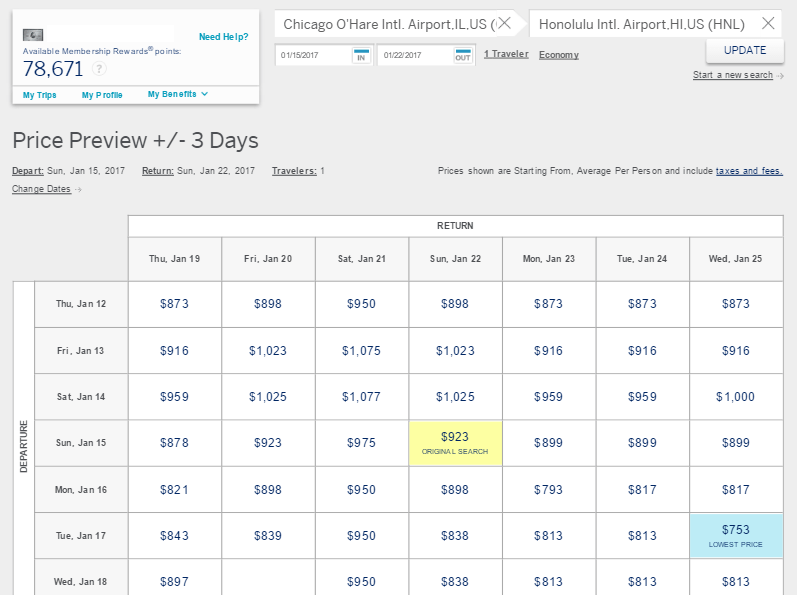
If a business-class flight to Europe costs $5,000 but can be booked for 100,000 transferred points, your points are suddenly worth 5.0 cents each. This is the pinnacle of rewards strategy, where the “Money” value of the point is maximized by arbitrage—exploiting the difference between the cash price and the mileage price of a seat.
Strategic Redemption Methods for Maximum ROI
To treat your Amex points like a financial portfolio, you must look for “Sweet Spots.” These are specific redemption routes where the value of the point far outstrips its cost.
Leveraging International Airline Partners
Amex shines brightest with international partners. Programs like Avios (British Airways/Iberia), Air France-KLM Flying Blue, and Air Canada Aeroplan often offer outsized value. For example, transferring points to Iberia Plus for a business-class flight from New York to Madrid during off-peak dates can cost as little as 34,000 points. Given that these seats often sell for over $2,000, the math reveals a staggering valuation of nearly 6 cents per point.
Hotel Transfers: When It Makes Sense
Generally, transferring Amex points to hotels like Hilton or Marriott is a suboptimal financial move, as these points are often worth less than 0.8 cents each. However, there are exceptions. During “Transfer Bonus” periods, Amex might offer a 30% or 40% bonus when moving points to Hilton Honors. If you are booking a high-end property like the Waldorf Astoria Maldives where nights exceed $1,500, a transfer could still yield a respectable value. Nevertheless, for the pure “Money” strategist, airline transfers remain the superior choice.
Avoiding Low-Value “Pitfalls”
A key part of maximizing your financial tools is knowing what not to do. Using points at the “Amex Mall,” paying for Uber rides with points, or using them at checkout on BestBuy.com are all examples of value erosion. In these scenarios, Amex is essentially buying your points back from you at a discount. To maintain the health of your rewards portfolio, you should rarely, if ever, redeem points for less than 1.0 cent per point.
Managing Your Points Portfolio for Long-Term Wealth
Viewing credit card rewards as a component of your broader financial strategy requires a shift in mindset. Points should be managed with the same scrutiny as a brokerage account or a high-yield savings account.
The Impact of Annual Fees vs. Point Accrual
Most cards that earn Membership Rewards come with significant annual fees, ranging from $150 to $695. To determine if the points are “worth it,” you must subtract the annual fee from the total value generated.
For instance, if you earn 100,000 points a year (valued at $2,000) but pay $695 in fees, your net gain is $1,305. However, if you also utilize the “soft benefits” like airport lounge access, digital entertainment credits, and hotel elite status, the effective cost of the points can drop to zero. In this case, the points become “pure profit” in your personal finance ledger.
Diversifying Your Financial Rewards
While Amex points are incredibly valuable, a sound financial strategy involves diversification. Relying solely on one ecosystem leaves you vulnerable to devaluations (when a program raises the number of points required for a flight). Savvy investors in the rewards space often balance Amex points with Chase Ultimate Rewards or Capital One Miles. This allows for “multi-program” booking, ensuring that you always have the right currency for the right redemption, further protecting the “purchasing power” of your points.
Conclusion: The True Value of an Amex Point
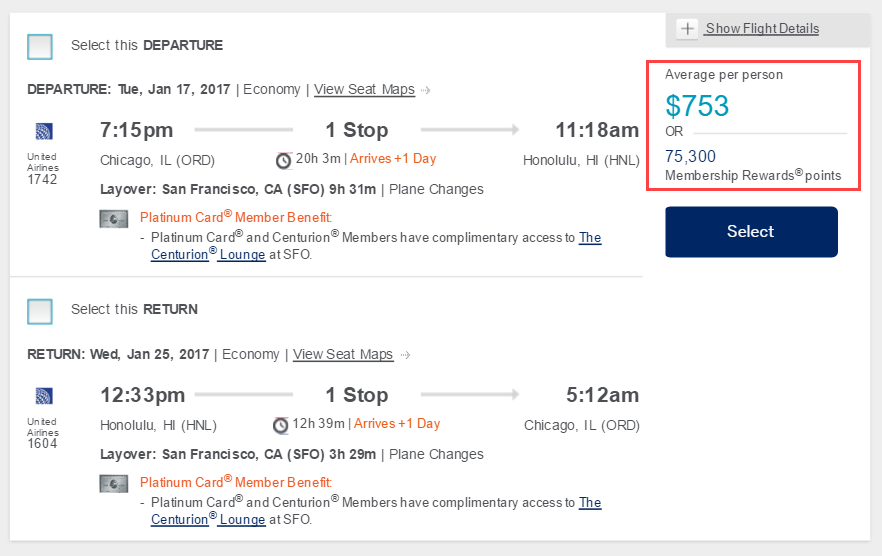
So, what are Amex points worth? For the average user who doesn’t want to do much homework, they are worth 1.0 cent. For the disciplined financial strategist who understands transfer partners and waits for the right opportunity, they are worth 2.0 cents or more.
In the context of personal finance, Amex Membership Rewards are more than just “perks”—they are a sophisticated financial tool. By earning points through targeted spending categories and redeeming them through high-value transfer partners, you can effectively lower your cost of living and enjoy luxury experiences that would otherwise require significant capital outlay. Treat your points with the same respect as your cash savings, and the “yield” will continue to provide exceptional returns for years to come.
aViewFromTheCave is a participant in the Amazon Services LLC Associates Program, an affiliate advertising program designed to provide a means for sites to earn advertising fees by advertising and linking to Amazon.com. Amazon, the Amazon logo, AmazonSupply, and the AmazonSupply logo are trademarks of Amazon.com, Inc. or its affiliates. As an Amazon Associate we earn affiliate commissions from qualifying purchases.