
In the modern financial landscape, gift cards have evolved from simple last-minute presents into a significant category of “stored value” assets. While they are often treated as casual tokens, a gift card represents a pre-paid financial contract between a consumer and a merchant. For the financially savvy individual, managing these balances is not merely about convenience; it is an essential component of personal cash flow management and asset protection.
Billions of dollars in gift card value go unredeemed every year—a phenomenon the retail industry calls “breakage.” From a personal finance perspective, this represents a 100% loss of purchasing power on those funds. Understanding how to check your balance, verify the integrity of your card, and integrate these funds into your broader budget is a critical skill in maintaining a healthy financial portfolio.
The Financial Significance of Proactive Gift Card Management
Before diving into the mechanical “how-to,” it is vital to understand why tracking these balances matters to your bottom line. Gift cards are essentially non-interest-bearing accounts. Every day a balance sits unused, its real-world value is eroded by inflation.
Treating Gift Cards as Liquid Assets
To manage your money effectively, you must stop viewing gift cards as “bonuses” and start viewing them as line items in your budget. If you have a $100 Starbucks card, that is $100 of your grocery or entertainment budget that has already been spent. By checking your balance regularly, you ensure that you are utilizing these “siloed” funds rather than dipping into your liquid checking account, thereby keeping more of your cash in high-yield savings accounts for longer.
The Problem of “Breakage” and Expiration
While the Credit CARD Act of 2009 in the U.S. significantly limited the ability of issuers to set short expiration dates, many cards still carry maintenance fees or can become difficult to redeem if the merchant undergoes restructuring or bankruptcy. By frequently checking your balance, you remain aware of the asset’s status, allowing you to liquidate the value (through a purchase) before any unforeseen corporate changes affect the card’s validity.
Strategic Methods for Verifying Your Gift Card Funds
Verifying the balance on a gift card should always be done through official, secure channels. There are three primary ways to do this, each offering different levels of convenience and security.
Utilizing Official Merchant Portals
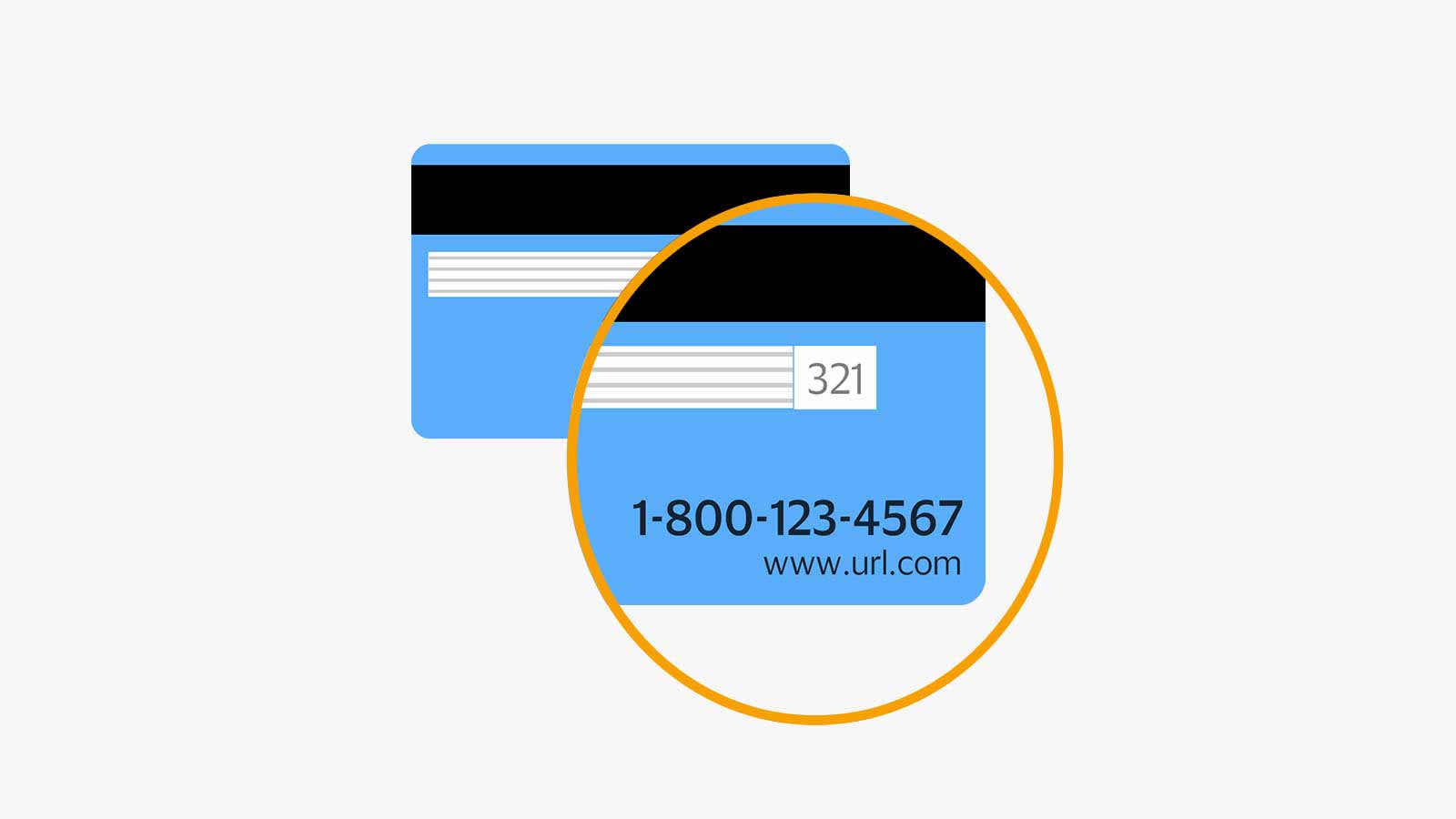
The most common and secure method to check a balance is through the issuer’s official website. Most gift cards have a URL printed on the back. When using this method, ensure you are on the legitimate domain of the company.
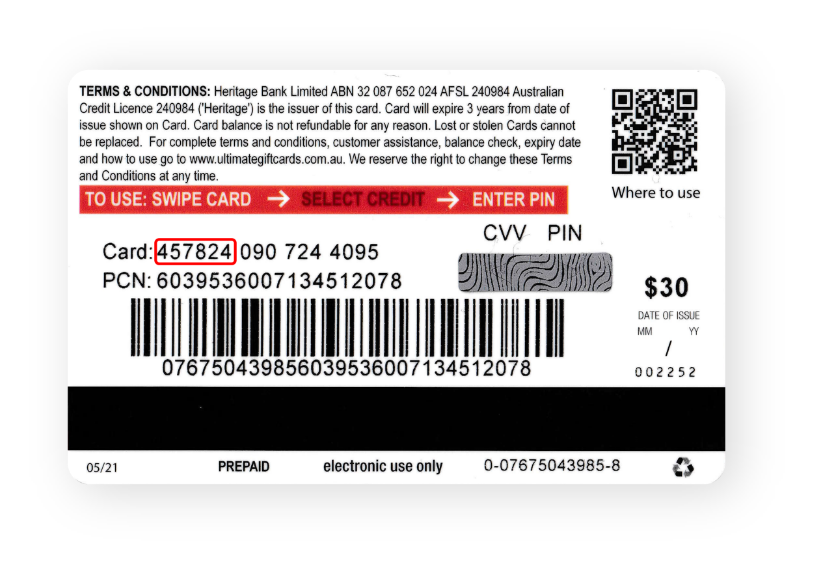
- The Process: You will typically be asked for the 16-digit card number and a Security Code or PIN (usually hidden under a scratch-off silver coating).
- The Financial Benefit: Many online portals also provide a transaction history. Reviewing this history is a vital step in financial auditing, ensuring that no unauthorized transactions have occurred—a common issue with cards purchased from open-access racks in grocery stores.
Telephone Verification and Automated Systems
For those who prefer not to enter sensitive card data into a web browser, almost all major retailers provide a toll-free number for balance inquiries.
- Accuracy: These automated systems are directly linked to the merchant’s point-of-sale (POS) database, providing the most real-time data available.
- Documentation: When checking via phone, it is a professional financial habit to write the date and the confirmed balance directly on the back of the card with a permanent marker. This prevents the “mental math” errors that often lead to abandoned small balances (e.g., $1.45 remaining on a card) which contribute significantly to industry breakage.
In-Store Point of Sale (POS) Inquiries
If you are physically visiting a retail location, any cashier can “ping” the card through their register.
- The Advantage: This is the only method that provides a physical receipt of the balance.
- Strategic Tip: If you have multiple cards for the same merchant, a cashier can often “consolidate” smaller balances onto a single card, making your personal accounting much simpler.

Security Protocols: Protecting Your Digital Currency
Checking a gift card balance involves handling sensitive financial data. Because gift cards lack the robust consumer protections associated with credit cards (such as the ability to dispute a charge), security is paramount.
Avoiding Third-Party Balance Checkers
A common trap for consumers is the use of “aggregator” websites that claim to check balances for multiple stores in one place. From a financial security standpoint, these are high-risk.
- The Risk: These sites are often “phishing” tools designed to capture your card number and PIN. Once you enter the data, a bot automatically drains the balance before you can spend it.
- The Rule: Only ever check a balance on the official website of the retailer printed on the back of the physical card.
The “Scratch-Off” Audit
Before you even attempt to check a balance on a newly received gift card, inspect the silver security coating over the PIN. If it has been tampered with, the funds may have already been compromised. In the world of personal finance, a gift card with a visible PIN is “vulnerable paper.” If you receive such a card, contact the merchant immediately to have the funds transferred to a new, secure account number.
Managing Digital Gift Cards (E-Gifts)
Digital cards sent via email are increasingly common. These should be treated with the same level of security as a bank login. Avoid checking these balances on public Wi-Fi networks, as “man-in-the-middle” attacks can intercept the data packets containing the card’s digital code.
Integrating Gift Cards into Your Personal Finance Ecosystem
Once you know your balance, the final step is ensuring that value is utilized efficiently. This involves moving the card from a drawer into your active financial workflow.
Using Gift Cards as Budgetary Offsets
If you use budgeting software (like YNAB or Mint), you should ideally track your gift card balances as “Cash” or “Other Assets.”
- The Strategy: If you have a $50 gift card for a grocery store, reduce your grocery budget for the month by $50 and move that “saved” cash into your savings or investment account. This effectively “liquifies” the gift card, turning a restricted asset into unrestricted capital.
The Secondary Market and Liquidity
Sometimes, you may have a balance on a card for a merchant you do not frequent. In this case, checking the balance is the first step toward liquidation.
- Resale Platforms: Websites like Raise or CardCash allow you to sell your gift card for a percentage of its value (usually 70% to 92%).
- The Math: While you take a small hit on the total value, receiving $90 in cash is a better financial move than holding a $100 card for three years that you never intend to use. Knowing the exact balance is a prerequisite for these transactions.
Maximizing Small “Residual” Balances
One of the biggest leaks in personal finance is the $0.50 to $2.00 left on “closed loop” gift cards. Individually, they seem insignificant, but collectively, they represent a massive transfer of wealth from consumers to corporations.
- The Amazon Hack: For small balances on Visa/Mastercard prepaid cards, you can often “reload” your Amazon Gift Card balance with the exact odd amount (e.g., $1.64). This allows you to combine various tiny, unusable balances into one useful pot of money.
Conclusion: Mastering Your Stored Value Assets
Checking the balance on a gift card is more than a simple inquiry; it is a fundamental act of financial stewardship. By treating these cards with the same rigor as a bank account—regularly auditing balances, protecting security codes, and strategically integrating them into your monthly budget—you reclaim value that would otherwise be lost to the retail ecosystem.
In the pursuit of financial independence, every dollar counts. Whether it is a $5 coffee card or a $500 department store credit, these funds represent your labor or the generous intent of a donor. By mastering the habit of balance verification and secure management, you ensure that your personal “stored value” always works for you, rather than sitting idle on a plastic shelf.
aViewFromTheCave is a participant in the Amazon Services LLC Associates Program, an affiliate advertising program designed to provide a means for sites to earn advertising fees by advertising and linking to Amazon.com. Amazon, the Amazon logo, AmazonSupply, and the AmazonSupply logo are trademarks of Amazon.com, Inc. or its affiliates. As an Amazon Associate we earn affiliate commissions from qualifying purchases.