
In the landscape of American tourism, few locations demonstrate the power of cohesive brand strategy as effectively as Pigeon Forge, Tennessee. While the average visitor sees a collection of neon lights, dinner theaters, and mountain views, a strategic observer sees a masterclass in corporate identity, personality-driven marketing, and experiential design. Understanding “what to do in Pigeon Forge” is not merely about a checklist of attractions; it is about analyzing how a once-quiet mountain town transformed into a multi-billion-dollar brand ecosystem that attracts over 10 million visitors annually.
The Power of Personality-Driven Branding
The cornerstone of the Pigeon Forge brand identity is its inextricable link to Dolly Parton. In marketing and brand strategy, the “Celebrity Anchor” model is often used to provide a face to a geographic location, but nowhere is this executed with more nuance and authenticity than in Pigeon Forge.
The Dolly Parton Effect: A Case Study in Authenticity
At the heart of the town’s brand is Dollywood. From a brand strategy perspective, Dollywood serves as the “Flagship Product.” It isn’t just a theme park; it is a physical manifestation of a personal brand built on values of resilience, mountain heritage, and hospitality. For a brand to succeed, it must have a story, and the story of Pigeon Forge is filtered through the rags-to-riches narrative of its most famous patron. This alignment creates a level of trust and emotional resonance that traditional corporate-owned parks struggle to replicate.
Leveraging Heritage to Build Modern Appeal
Beyond the celebrity endorsement, the Pigeon Forge brand leverages “Appalachian Heritage” as a unique selling proposition (USP). In a world of sterile, homogenized entertainment, Pigeon Forge markets authenticity. By integrating traditional crafts, regional food, and bluegrass music into the core visitor experience, the brand creates a “sense of place.” This strategic positioning ensures that the destination is not viewed as a generic tourist trap, but as a curated cultural experience that cannot be found elsewhere.
Experience Design: Beyond Traditional Tourism
In brand management, the “product” is the experience. When visitors ask what to do in Pigeon Forge, they are essentially asking for a high-value experiential return on their investment. The city has mastered the art of “Experience Design,” ensuring that every touchpoint—from the hotels to the high-energy shows—reinforces the brand promise of family-centric wonder.
Creating Immersive Environments in Dollywood and Beyond
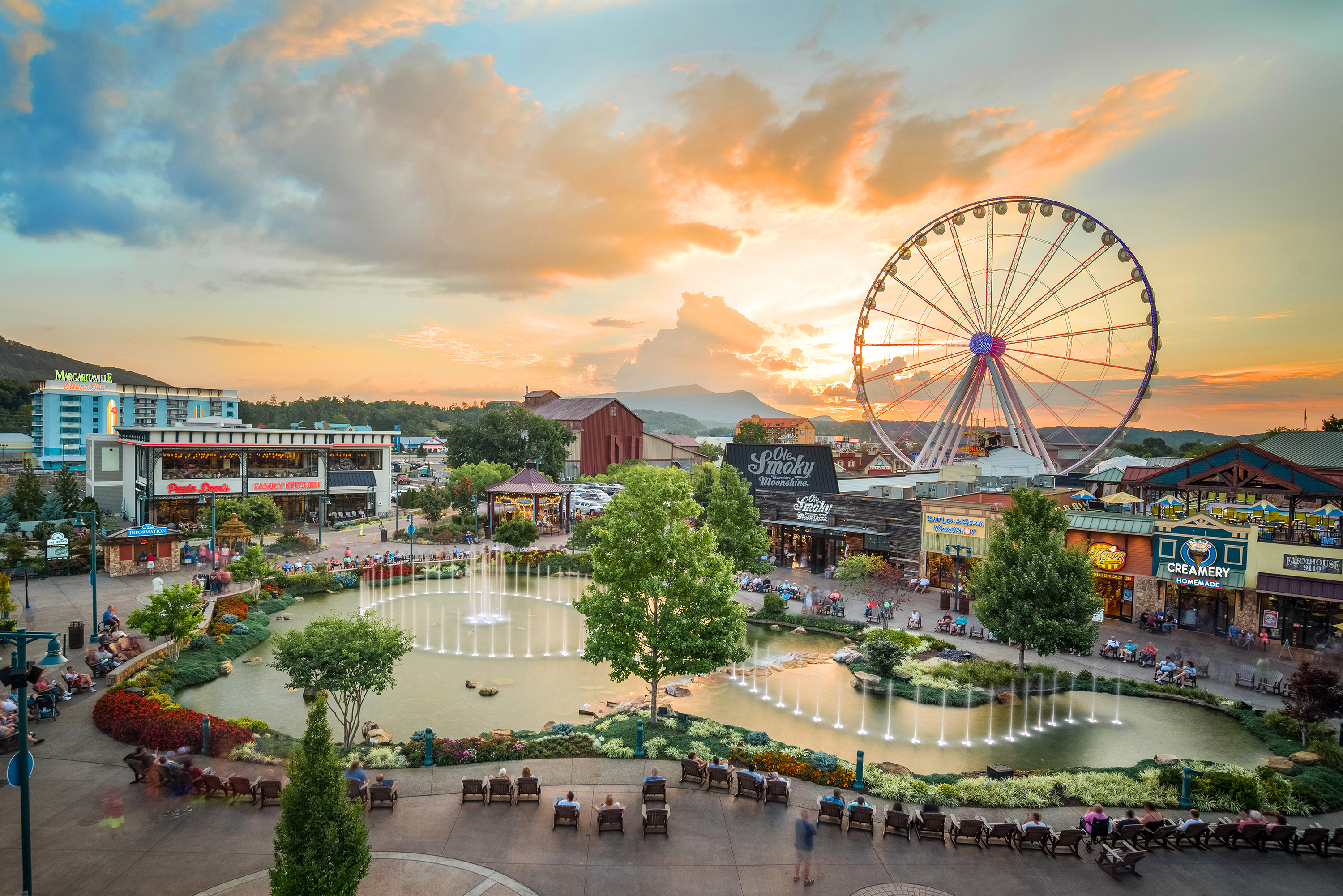
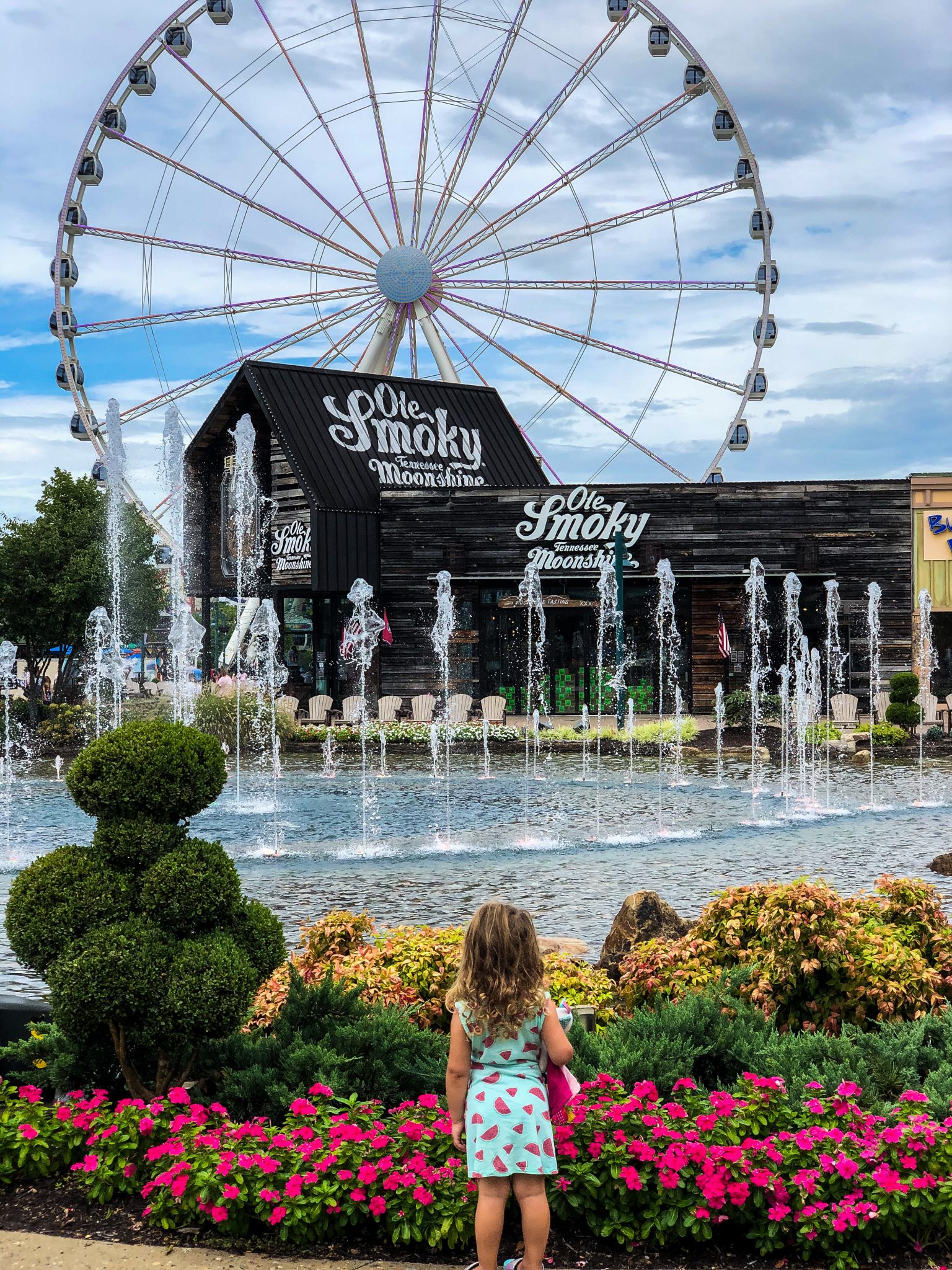
A brand is only as strong as its weakest touchpoint. Pigeon Forge maintains brand consistency by creating immersive environments. Whether it is the Titanic Museum Attraction or the Island in Pigeon Forge, the brand strategy focuses on “Themed Realism.” These attractions are designed to transport the visitor into a specific narrative. This immersion is a deliberate marketing tactic to increase “dwell time,” which directly correlates to higher per-capita spending and stronger brand loyalty.
The Role of Dinner Theater in Brand Narratives
Pigeon Forge is arguably the world capital of dinner theater. From a marketing perspective, these venues—such as Dolly Parton’s Stampede or the Hatfield & McCoy Dinner Feud—are genius examples of “Packaged Value.” They combine food, entertainment, and storytelling into a single transaction. This simplifies the consumer’s decision-making process while reinforcing the brand’s identity as a provider of wholesome, high-production-value family entertainment. These shows serve as the “Content Marketing” of the physical world, telling stories that resonate with the demographic’s core values.
Strategic Marketing and the Tourist Journey
The success of Pigeon Forge is not accidental; it is the result of sophisticated omnichannel marketing and a deep understanding of the customer journey. The Pigeon Forge Department of Tourism and local stakeholders operate with a corporate-level focus on conversion and retention.
Omnichannel Marketing for Mountain Getaways
The brand strategy for Pigeon Forge utilizes a sophisticated mix of traditional and digital media. Billboards across the Southeast act as a “Top of Funnel” awareness tool, while targeted social media campaigns and search engine optimization (SEO) capture “High Intent” travelers looking for specific activities. By dominating the “What to do in Pigeon Forge” search intent, the brand ensures it is present at the exact moment of discovery.
Data-Driven Personalization in Visitor Experiences
Modern branding relies on data. The stakeholders in Pigeon Forge utilize visitor data to track peak seasons, demographic shifts, and spending patterns. This allows for seasonal brand pivots—such as “Winterfest” or the “Flower & Food Festival.” These seasonal sub-brands create urgency (the “Fear of Missing Out”) and encourage repeat visitation, which is the holy grail of brand management. By refreshing the “brand packaging” every few months, Pigeon Forge remains relevant year-round, maximizing the Lifetime Value (LTV) of each visitor.
The Future of the Pigeon Forge Brand Identity
As the travel industry evolves, Pigeon Forge faces the challenge of maintaining its core identity while appealing to a younger, more tech-savvy demographic. The brand’s future success depends on its ability to scale its infrastructure without losing the “small-town” charm that defines its corporate identity.
Scaling Sustenance in a Competitive Market
The expansion of high-end resorts, such as DreamMore or the upcoming HeartSong Lodge & Resort, indicates a brand shift toward the “Premium-Casual” market. This strategic move allows Pigeon Forge to capture a higher-income demographic while maintaining its accessibility. By diversifying the brand portfolio to include luxury accommodations alongside traditional camp-grounds, the city ensures it can weather economic fluctuations.
Sustainable Branding and Environmental Stewardship
In the modern era, a brand’s reputation is closely tied to its environmental impact. Pigeon Forge sits at the gateway to the Great Smoky Mountains National Park—the most visited national park in the United States. The city’s brand strategy increasingly emphasizes conservation and “Green Tourism.” By positioning itself as a steward of the mountains, Pigeon Forge enhances its brand equity with socially conscious consumers. This alignment with the National Park Service is a strategic partnership that provides the town with a “Halo Effect,” associating the commercial brand of the city with the pristine, natural brand of the wilderness.
Conclusion: The Blueprint of a Destination Powerhouse
When analyzing what to do in Pigeon Forge, one finds more than just attractions; one finds a meticulously crafted brand ecosystem. Through the strategic use of celebrity influence, immersive experience design, and data-driven marketing, Pigeon Forge has built a corporate identity that is both iconic and incredibly profitable.
For brand strategists and marketers, Pigeon Forge offers a clear lesson: a successful brand is not just about a logo or a slogan; it is about a consistent, emotionally resonant story that is told at every level of the customer experience. Whether it’s the smell of smoked barbecue on the Parkway or the sound of a steam engine at Dollywood, every element is a calculated brand touchpoint designed to convert a first-time visitor into a lifelong advocate. As it continues to evolve, the Pigeon Forge brand remains a premier example of how geographic locations can be transformed into global destinations through the power of strategic brand management.
aViewFromTheCave is a participant in the Amazon Services LLC Associates Program, an affiliate advertising program designed to provide a means for sites to earn advertising fees by advertising and linking to Amazon.com. Amazon, the Amazon logo, AmazonSupply, and the AmazonSupply logo are trademarks of Amazon.com, Inc. or its affiliates. As an Amazon Associate we earn affiliate commissions from qualifying purchases.