
Bitcoin, the pioneering cryptocurrency, has undeniably carved out a significant niche in the global financial landscape since its inception in 2009. What began as an obscure digital experiment has evolved into a formidable asset class, captivating the attention of individual investors, institutional funds, and even sovereign nations. Its journey has been marked by remarkable volatility and stratospheric growth, leading many to ponder: “How do you invest in Bitcoin?” This article will delve into the practical steps, strategic considerations, and various avenues available for those looking to add this revolutionary digital asset to their investment portfolio. Navigating the world of cryptocurrency investing requires a blend of technological understanding, financial acumen, and a robust risk management strategy, all of which we will explore within the domain of personal finance and investment.

Understanding Bitcoin: The Digital Gold Rush
Before embarking on any investment journey, a fundamental understanding of the asset itself is paramount. Bitcoin is more than just a buzzword; it represents a paradigm shift in how we perceive and transact value.
What is Bitcoin? A Brief Overview
At its core, Bitcoin is a decentralized digital currency, meaning it operates independently of a central bank or administrator. It was created by an anonymous entity known as Satoshi Nakamoto. Transactions are verified by network nodes through cryptography and recorded in a public distributed ledger called a blockchain. This innovative technology ensures transparency, security, and immutability. There’s a finite supply of Bitcoin, capped at 21 million coins, which contributes to its perceived scarcity and often fuels its value proposition as “digital gold.” Unlike traditional fiat currencies, Bitcoin’s value is not backed by a government or commodity, but rather by supply and demand dynamics, its utility as a medium of exchange, and the network effect of its growing user base. Its peer-to-peer nature allows for direct value transfer without intermediaries, promising efficiency and reduced costs in cross-border transactions.
Why Invest in Bitcoin? Potential and Volatility
The allure of Bitcoin as an investment stems from several factors. Firstly, its historical performance has been exceptional, with early investors witnessing exponential returns. Proponents view it as a hedge against inflation, similar to gold, due to its capped supply and decentralized nature, which shields it from conventional monetary policy dilution. Furthermore, its potential as a global, permissionless payment system and its adoption by major companies and institutions suggest a growing mainstream acceptance.
However, it’s crucial to acknowledge Bitcoin’s inherent volatility. Its price can experience dramatic swings within short periods, making it a high-risk, high-reward asset. This volatility is influenced by factors such as regulatory news, macroeconomic events, technological developments, market sentiment, and major investor movements. While the potential for significant gains exists, so does the risk of substantial losses. Therefore, a clear understanding of your risk tolerance is an indispensable prerequisite before considering any Bitcoin investment.
Essential Steps Before Investing in Bitcoin
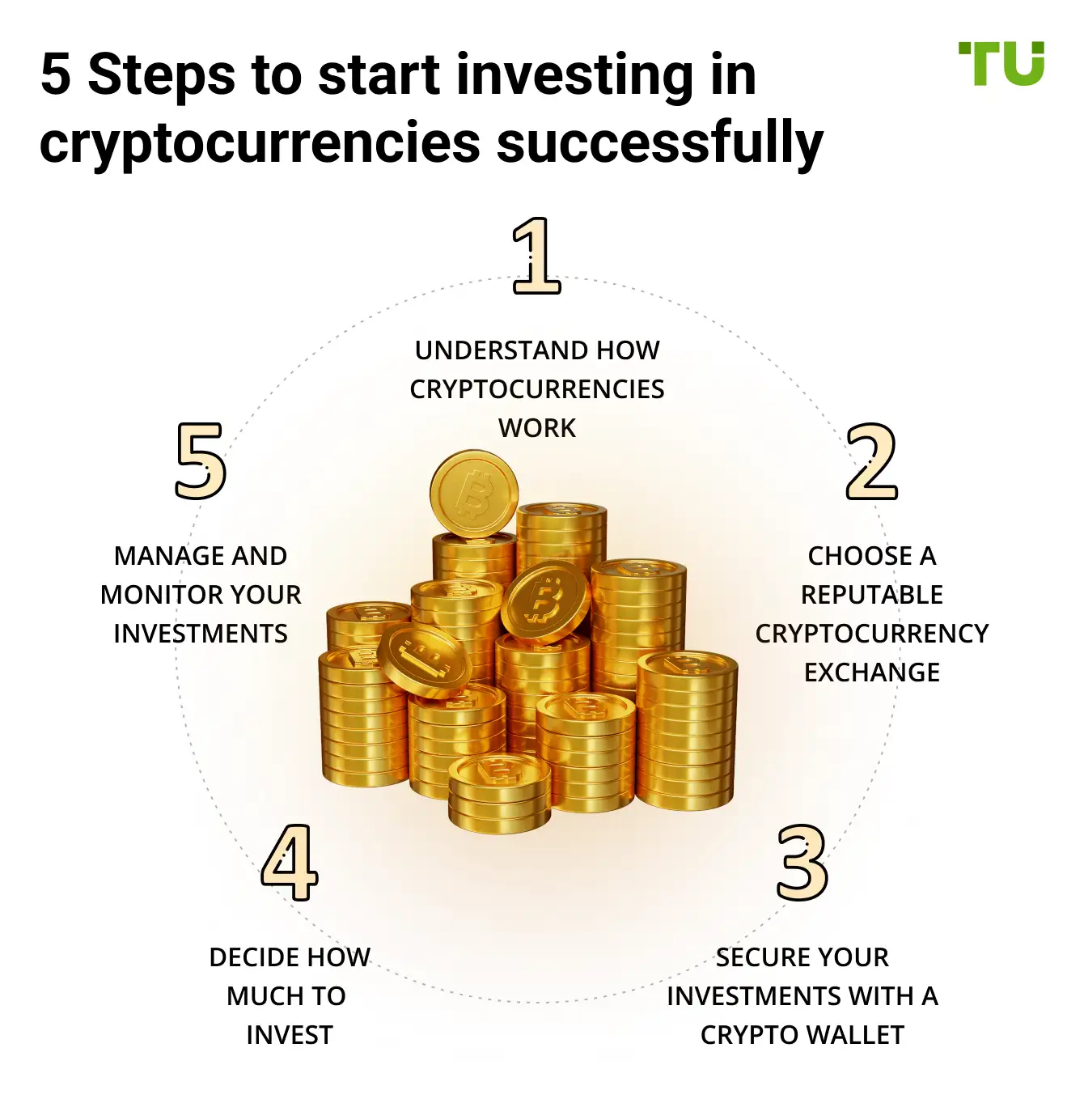
Embarking on the Bitcoin investment path requires careful preparation. Jumping in without due diligence can lead to costly mistakes. These foundational steps are crucial for any prudent investor.
Research and Due Diligence
Thorough research is the bedrock of successful investing, and Bitcoin is no exception. It’s imperative to understand the technology (at a conceptual level), the market dynamics, the regulatory environment, and the various investment vehicles available. Don’t rely solely on social media hype or anecdotal evidence. Read whitepapers, reputable financial news, analyses from established crypto experts, and academic research. Understand the difference between Bitcoin and other cryptocurrencies (altcoins) and why you are choosing Bitcoin specifically. Evaluate the various exchanges and platforms, scrutinizing their security measures, fee structures, and customer support.
Risk Assessment and Financial Planning
Before allocating capital, assess your personal financial situation rigorously. Bitcoin should be considered a speculative asset, and as such, only capital you can afford to lose should be invested. Never invest money that is essential for your daily living expenses, emergency fund, or other critical financial goals. Determine your risk tolerance honestly. Are you comfortable with potential 30-50% price drops, or would such fluctuations cause undue stress? Integrate Bitcoin into a broader financial plan. What percentage of your total investment portfolio are you willing to allocate to such a volatile asset? Financial advisors generally recommend a small allocation (e.g., 1-5%) for most retail investors, considering its risk profile.
Setting Up a Secure Digital Wallet
If you plan to own Bitcoin directly, a secure digital wallet is indispensable. A wallet is software or hardware that stores the private keys necessary to access and spend your Bitcoin. There are several types:
- Hot Wallets: Connected to the internet (e.g., exchange wallets, mobile apps, desktop applications). Convenient but more susceptible to hacks.
- Cold Wallets: Not connected to the internet (e.g., hardware wallets, paper wallets). Offer superior security but are less convenient for frequent transactions.
For substantial investments, hardware wallets (like Ledger or Trezor) are highly recommended, as they provide an excellent balance of security and usability. Always prioritize wallets from reputable manufacturers and follow best practices for backing up your seed phrase securely offline.
Navigating the Investment Landscape: Direct and Indirect Approaches
Investors have multiple pathways to gain exposure to Bitcoin, ranging from direct ownership to indirect investment vehicles. Each method carries distinct advantages and risks.
Direct Investment: Buying Bitcoin on Exchanges
The most common method for individuals to invest is by directly purchasing Bitcoin through a cryptocurrency exchange. These platforms act as brokers, facilitating the buying and selling of digital assets.
Choosing a Reliable Cryptocurrency Exchange
Selecting the right exchange is a critical decision. Key factors to consider include:
- Security: Look for exchanges with robust security protocols, multi-factor authentication (MFA), cold storage for a majority of assets, and insurance coverage (though often limited).
- Reputation and Regulation: Opt for well-established exchanges with a strong track record and adherence to regulatory compliance in your jurisdiction.
- Fees: Understand the trading fees, deposit fees, withdrawal fees, and spread. These can significantly impact your overall returns.
- Liquidity: High liquidity ensures you can buy or sell Bitcoin quickly at fair market prices.
- User Experience: An intuitive interface and good customer support can be invaluable, especially for beginners.
- Available Fiat Pairs: Ensure the exchange supports your local currency for deposits and withdrawals.
Popular choices include Coinbase, Binance, Kraken, and Gemini, among others, each with its own regional strengths and specific features. After creating an account, you’ll typically need to complete a Know Your Customer (KYC) verification process, link a bank account or debit card, and then you can place your buy order.
Understanding Order Types (Market, Limit)
When buying Bitcoin, you’ll encounter different order types:
- Market Order: This executes immediately at the best available current market price. It’s simple but doesn’t guarantee a specific price, especially in volatile markets.
- Limit Order: This allows you to set a specific price at which you want to buy (or sell) Bitcoin. The order will only execute if the market price reaches your specified limit. This gives you more control over your entry price but might not execute immediately.
Security Best Practices for Direct Ownership
Beyond choosing a secure exchange and wallet, personal security practices are vital:
- Use strong, unique passwords for all crypto-related accounts.
- Enable two-factor authentication (2FA) using an authenticator app (like Google Authenticator) rather than SMS.
- Be wary of phishing attempts and suspicious emails or links.
- Regularly review your transaction history.
- Consider transferring significant amounts of Bitcoin from exchange hot wallets to your personal cold storage wallet for enhanced security.
Indirect Investment: Gaining Exposure Without Direct Ownership
For those who prefer not to manage private keys or navigate crypto exchanges directly, several indirect methods offer exposure to Bitcoin’s price movements.
Bitcoin ETFs and Mutual Funds
In certain jurisdictions, Bitcoin Exchange-Traded Funds (ETFs) and mutual funds are available. These funds allow investors to gain exposure to Bitcoin’s price without directly owning the cryptocurrency. Instead, they own shares of a fund that holds Bitcoin or Bitcoin-related derivatives. This provides a more traditional investment vehicle, often accessible through standard brokerage accounts, offering convenience and potentially regulatory oversight. The emergence of spot Bitcoin ETFs in various markets has significantly broadened access for institutional and retail investors.
Bitcoin Futures and Options
Sophisticated investors can trade Bitcoin futures and options contracts on regulated exchanges. Futures contracts allow investors to bet on the future price of Bitcoin, while options give the holder the right, but not the obligation, to buy or sell Bitcoin at a specific price by a certain date. These derivatives are complex, carry significant risk, and are typically suitable for experienced traders with a deep understanding of leverage and market dynamics.
Investing in Companies with Bitcoin Holdings or Exposure
Another indirect strategy is to invest in publicly traded companies that either hold substantial amounts of Bitcoin on their balance sheets (e.g., MicroStrategy) or whose business operations are significantly tied to the cryptocurrency ecosystem (e.g., Bitcoin miners, crypto exchanges that are publicly listed, or companies providing blockchain infrastructure). This approach allows investors to gain Bitcoin exposure through traditional stock market investing, albeit with additional company-specific risks.
Strategies for Smart Bitcoin Investing
Successfully investing in Bitcoin involves more than just buying it; it requires a well-thought-out strategy tailored to your financial goals and risk tolerance.
Dollar-Cost Averaging (DCA)
Given Bitcoin’s volatility, dollar-cost averaging (DCA) is a highly recommended strategy, especially for long-term investors. DCA involves investing a fixed amount of money at regular intervals (e.g., weekly or monthly), regardless of Bitcoin’s price. This strategy helps to mitigate the risk of buying at a market peak, as you average out your purchase price over time. When the price is high, your fixed sum buys less Bitcoin; when the price is low, it buys more. DCA helps to remove emotional decision-making from investing and fosters discipline.
Long-Term Holding (HODLing) vs. Active Trading
The term “HODL” (a misspelling of “hold”) originated within the crypto community and refers to the strategy of buying Bitcoin and holding it for an extended period, often years, irrespective of short-term price fluctuations. This strategy is based on the belief that Bitcoin’s value will appreciate significantly over the long run. It requires patience and resilience during bear markets but avoids the complexities and stresses of active trading.
Active trading, on the other hand, involves frequently buying and selling Bitcoin to profit from short-term price movements. This strategy demands extensive market analysis, technical charting skills, and significant time commitment. It also incurs higher trading fees and can lead to substantial losses if executed poorly. For most retail investors, particularly those new to Bitcoin, a long-term HODL strategy using DCA is generally more prudent than attempting to actively trade.
Portfolio Diversification and Risk Management
Even with Bitcoin’s potential, it should not be the sole component of your investment portfolio. Diversification across different asset classes (stocks, bonds, real estate, other cryptocurrencies if appropriate) is crucial for managing risk. Bitcoin remains a high-risk asset, and its allocation should reflect that. Regularly review and rebalance your portfolio to ensure your Bitcoin exposure aligns with your evolving risk tolerance and financial objectives. Never invest more than you are prepared to lose.
Regulatory Landscape and Future Outlook
The regulatory environment surrounding Bitcoin and cryptocurrencies is constantly evolving and plays a significant role in its adoption and stability as an asset class.
Understanding Current Regulations
Regulatory approaches vary widely across different countries. Some nations have embraced Bitcoin, establishing clear legal frameworks for its trading and taxation, while others have imposed strict restrictions or outright bans. Investors must be aware of the specific regulations in their jurisdiction regarding Bitcoin ownership, trading, and taxation (e.g., capital gains tax). Compliance with local laws is paramount to avoid legal repercussions and ensure responsible investing. The lack of a uniform global regulatory framework adds a layer of complexity and uncertainty to the market.
The Evolving Future of Bitcoin as an Asset Class
The future of Bitcoin as an investment asset is a subject of intense debate. Proponents foresee continued institutional adoption, increased integration into traditional finance, and a growing role as a global store of value and medium of exchange. They point to technological advancements (like the Lightning Network) that aim to improve its scalability and utility. Critics, however, highlight its environmental concerns (energy consumption), regulatory risks, and the potential for new, more efficient digital currencies to emerge. Despite these challenges, Bitcoin has demonstrated remarkable resilience and a capacity for innovation, suggesting it will remain a relevant, albeit volatile, asset for the foreseeable future. Staying informed about technological developments, regulatory changes, and broader economic trends will be key for any Bitcoin investor.

Conclusion: A Prudent Path to Digital Asset Accumulation
Investing in Bitcoin presents a unique opportunity to participate in a nascent yet revolutionary financial technology. While the allure of significant returns is strong, a measured and informed approach is essential. By understanding what Bitcoin is, conducting thorough due diligence, implementing robust security measures, and employing strategic investment techniques like dollar-cost averaging and long-term holding within a diversified portfolio, investors can navigate this exciting yet volatile market more effectively. Always prioritize risk management, adhere to financial planning principles, and stay abreast of the evolving regulatory and technological landscape. For those prepared to undertake the necessary research and accept the inherent risks, Bitcoin offers a compelling avenue for digital asset accumulation within a well-structured investment strategy.
aViewFromTheCave is a participant in the Amazon Services LLC Associates Program, an affiliate advertising program designed to provide a means for sites to earn advertising fees by advertising and linking to Amazon.com. Amazon, the Amazon logo, AmazonSupply, and the AmazonSupply logo are trademarks of Amazon.com, Inc. or its affiliates. As an Amazon Associate we earn affiliate commissions from qualifying purchases.