
In the rapidly evolving landscape of digital entertainment, the transition from traditional cable to over-the-top (OTT) streaming services has redefined how we consume media. At the forefront of this revolution is YouTube TV, Google’s premier live television offering. While the question “how much does youtube tv cost per month” seems straightforward, the answer lies within a complex ecosystem of tech features, hardware integrations, and software tiers that justify its position in the market. As of late 2023 and moving into 2024, the landscape of digital cord-cutting has matured, making it essential to understand the full technical and financial breakdown of this service.
1. The Core Pricing Architecture of YouTube TV
The entry point for YouTube TV is designed to be a comprehensive replacement for traditional satellite and cable infrastructure. Unlike the fragmented packages often found in the telecommunications industry, Google has opted for a more streamlined, software-centric approach.
The Base Plan Overview
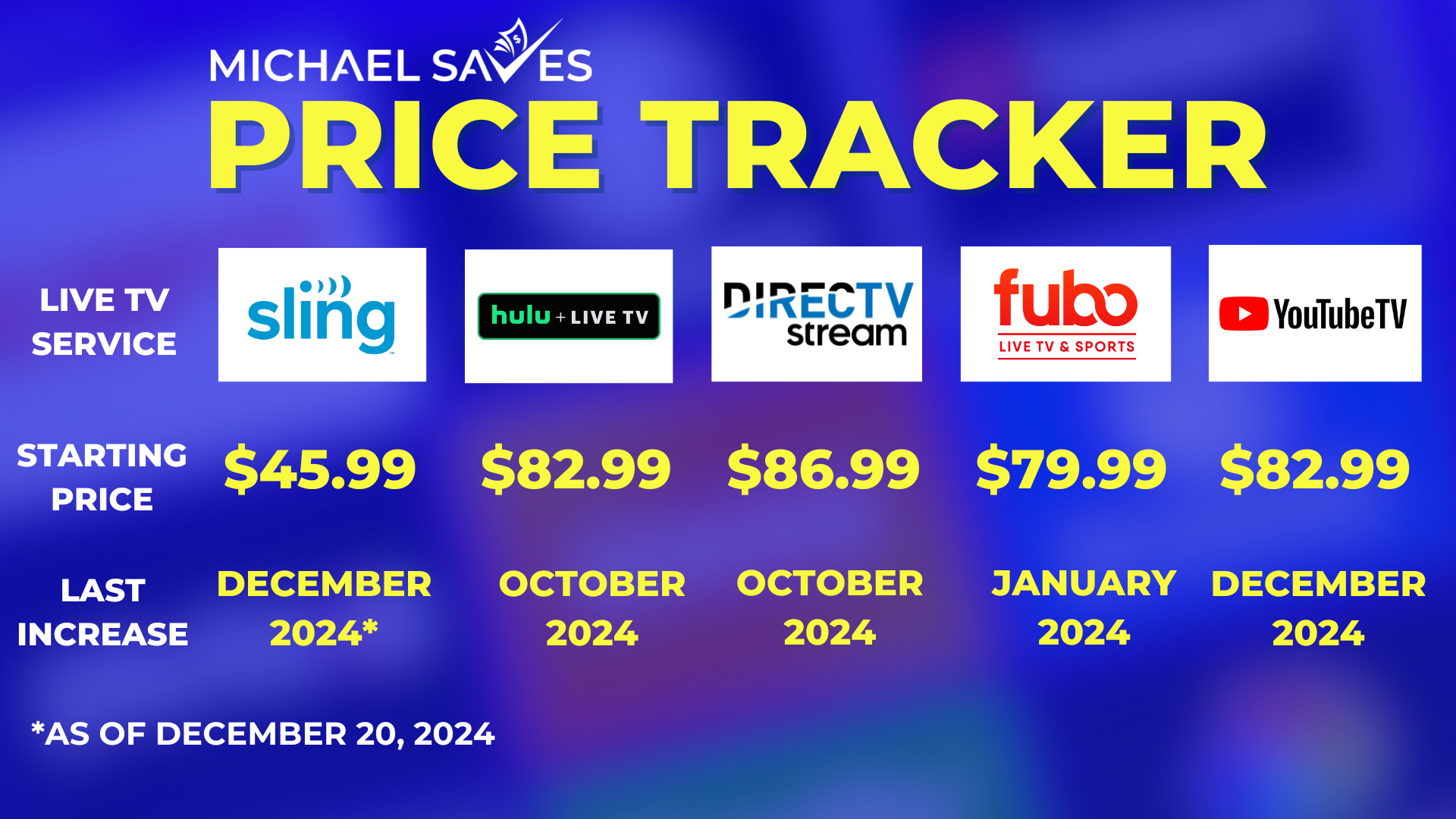
The standard cost for a YouTube TV subscription is currently $72.99 per month. For this price, users gain access to over 100 channels, including local broadcast networks (ABC, CBS, FOX, NBC), sports staples like ESPN, and news giants like CNN and MSNBC. This pricing model reflects the rising costs of content licensing in the tech world, as Google must negotiate with massive media conglomerates to provide a seamless cloud-based broadcast experience.
Trial Periods and Promotional Incentives
To lower the barrier to entry, Google frequently utilizes “growth hacking” tech strategies, offering introductory rates. New users often find promotions such as $52.99 or $62.99 for the first three months. These technical “on-boarding” periods are crucial for the software giant to demonstrate the platform’s superior UI/UX (User Interface/User Experience) compared to clunky, hardware-dependent cable boxes.
Hidden Technical Costs: Taxes and Regional Fees
While the $72.99 sticker price is the baseline, the final monthly bill is influenced by the digital infrastructure of your specific location. Depending on state-level “Netflix taxes” or digital service fees, the price may vary by a few dollars. However, unlike cable, there are no “broadcast fee” surcharges or “regional sports fees” added on top of the advertised price—a significant win for transparency in the tech-service sector.
2. Expanding the Tech Stack: Add-ons and Premium Features
For the power user, the base subscription is just the foundation. YouTube TV’s true strength lies in its modularity, allowing users to stack additional software features and content libraries onto their monthly bill.
4K Plus: Elevating the Visual Experience
One of the most significant tech-forward upgrades is the “4K Plus” add-on. For an additional monthly fee (typically around $9.99, though it fluctuates with promotions), users can unlock 4K Ultra High Definition streaming for selected live and on-demand content. This isn’t just about resolution; the 4K Plus package also enables “Unlimited Streams” at home, whereas the base plan limits users to three simultaneous streams. This is a critical technical consideration for large households with multiple smart TVs and mobile devices.
Sports Plus and Specialized Content
For the sports-tech enthusiast, the Sports Plus add-on (approximately $10.99/month) introduces niche networks like NFL RedZone, BeIN Sports, and Billiard TV. This demonstrates Google’s ability to use its massive data infrastructure to cater to specific sub-segments of the viewing audience, providing low-latency streams for high-action events.
Premium Network Integrations
YouTube TV functions as a centralized hub for other SaaS (Software as a Service) entertainment platforms. Users can integrate Max (formerly HBO Max), Showtime, and STARZ directly into their YouTube TV interface. By consolidating these services, users pay a single bill through the Google Play ecosystem, simplifying their digital footprint while expanding their content library.
3. The Technical Advantage: Cloud DVR and Multi-User Synergy
The cost of YouTube TV isn’t just paying for “channels”; it is paying for a sophisticated cloud-computing service that replaces traditional hardware.
Unlimited Cloud DVR: The Tech Game Changer
Perhaps the most significant technological feature included in the monthly price is the unlimited Cloud DVR. Traditional cable providers often charge $10–$20 per month for hardware DVRs with limited storage. YouTube TV’s software allows for unlimited simultaneous recordings that are stored on Google’s servers for up to nine months. This shift from physical storage to cloud-based storage is a hallmark of modern software trends, ensuring users never have to manage “disk space.”
Multi-User Profiles and Family Sharing
A single YouTube TV subscription supports up to six individual accounts. Each account receives its own personalized recommendations, customized live guide, and private DVR library. This multi-tenant architecture is a sophisticated piece of software engineering, allowing a family to share the $72.99 cost while maintaining six distinct, data-driven user experiences.
The App Ecosystem and Device Compatibility
The “cost” of the service also covers the development and maintenance of high-performance apps across virtually every gadget imaginable. From Apple TV and Roku to PlayStation 5 and Android-based smart fridges, the YouTube TV engineering team ensures a consistent experience. This cross-platform compatibility is a massive undertaking in digital security and software optimization, ensuring that the stream quality remains high regardless of the hardware.
4. Comparing the Competitive Landscape: The Value of the Tech
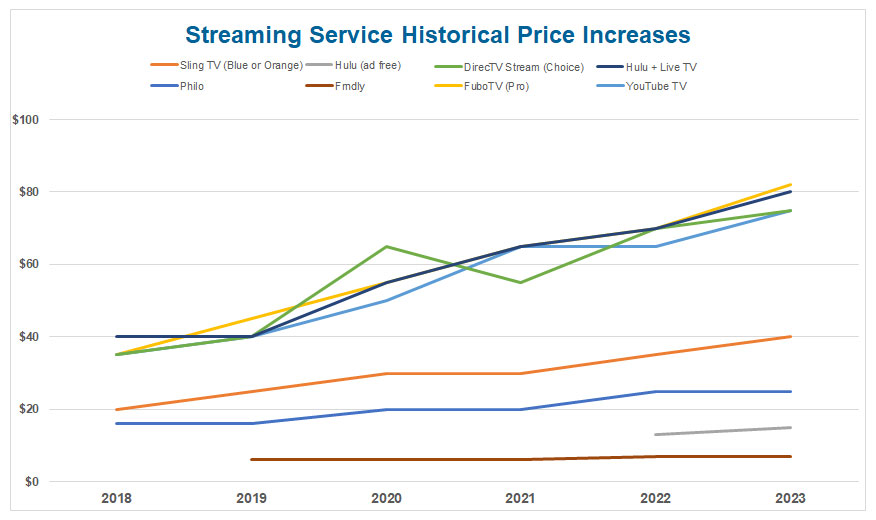
To understand if the monthly cost is justified, one must compare YouTube TV’s technical offerings against its primary rivals in the OTT space: Hulu + Live TV, FuboTV, and Sling TV.
YouTube TV vs. Hulu + Live TV
Hulu + Live TV is the closest competitor, often priced similarly around $76.99 (when bundled with Disney+ and ESPN+). While Hulu offers a vast on-demand library, many tech reviewers point to YouTube TV’s superior “Live Guide” and faster channel-switching speeds. The latency on YouTube TV is often lower, making it the preferred choice for those who value the technical performance of live broadcasts.
FuboTV and the Sports Niche
FuboTV starts at a similar price point but often includes additional “Regional Sports Fees” that can push the monthly total significantly higher than YouTube TV. From a software perspective, Fubo offers unique features like “Multiview” on Apple TV, but YouTube TV has recently countered this with its own “Multiview” technology, particularly optimized for NFL Sunday Ticket.
Sling TV: The Budget Alternative
Sling TV offers a much lower entry point (around $40/month), but it lacks the comprehensive channel lineup and the robust Cloud DVR of YouTube TV. For users who prioritize software stability and a “complete” tech package, the extra $30 per month for YouTube TV is often seen as a necessary investment for a frictionless experience.
5. The Future of YouTube TV: Integration and Sustainability
As we look toward the future of technology, YouTube TV’s pricing must be viewed through the lens of Google’s broader strategy. The integration of AI and the acquisition of major sports contracts like NFL Sunday Ticket suggest that the platform is moving toward becoming the central “Operating System” for the living room.
The Impact of NFL Sunday Ticket
The acquisition of NFL Sunday Ticket was a massive tech-industry milestone. While it is an additional cost (often ranging from $349 to $489 per season), it is integrated directly into the YouTube TV interface. This allows for features like real-time stats, AI-generated highlights, and “key plays” views. The technology required to sync these data points with live video is a significant part of what users are funding with their monthly subscriptions.
AI and Personalization Trends
Google is increasingly using its AI prowess to improve the YouTube TV experience. From improved voice search via Google Assistant to hyper-personalized “Suggested for You” algorithms, the platform is becoming smarter. These software updates are rolled out continuously, meaning the $72.99 monthly fee covers a product that is technically superior today than it was six months ago.

Is the Monthly Cost Sustainable?
As content costs rise, many wonder if the price of YouTube TV will continue to climb. In the tech world, this is known as “feature creep” vs. “price scaling.” While the price has increased since its initial $35 launch, the technical capabilities—4K, unlimited DVR, multiview, and massive device support—have expanded at an even faster rate. For the tech-savvy consumer, the monthly cost represents more than just TV; it represents a premium, software-driven media hub that is constantly iterating.
In conclusion, when asking “how much does youtube tv cost per month,” the answer is $72.99, but the value is found in the robust cloud infrastructure, the seamless app ecosystem, and the forward-thinking features that traditional cable simply cannot match. For those looking to optimize their home technology setup, YouTube TV remains the gold standard of the cord-cutting era.
aViewFromTheCave is a participant in the Amazon Services LLC Associates Program, an affiliate advertising program designed to provide a means for sites to earn advertising fees by advertising and linking to Amazon.com. Amazon, the Amazon logo, AmazonSupply, and the AmazonSupply logo are trademarks of Amazon.com, Inc. or its affiliates. As an Amazon Associate we earn affiliate commissions from qualifying purchases.