
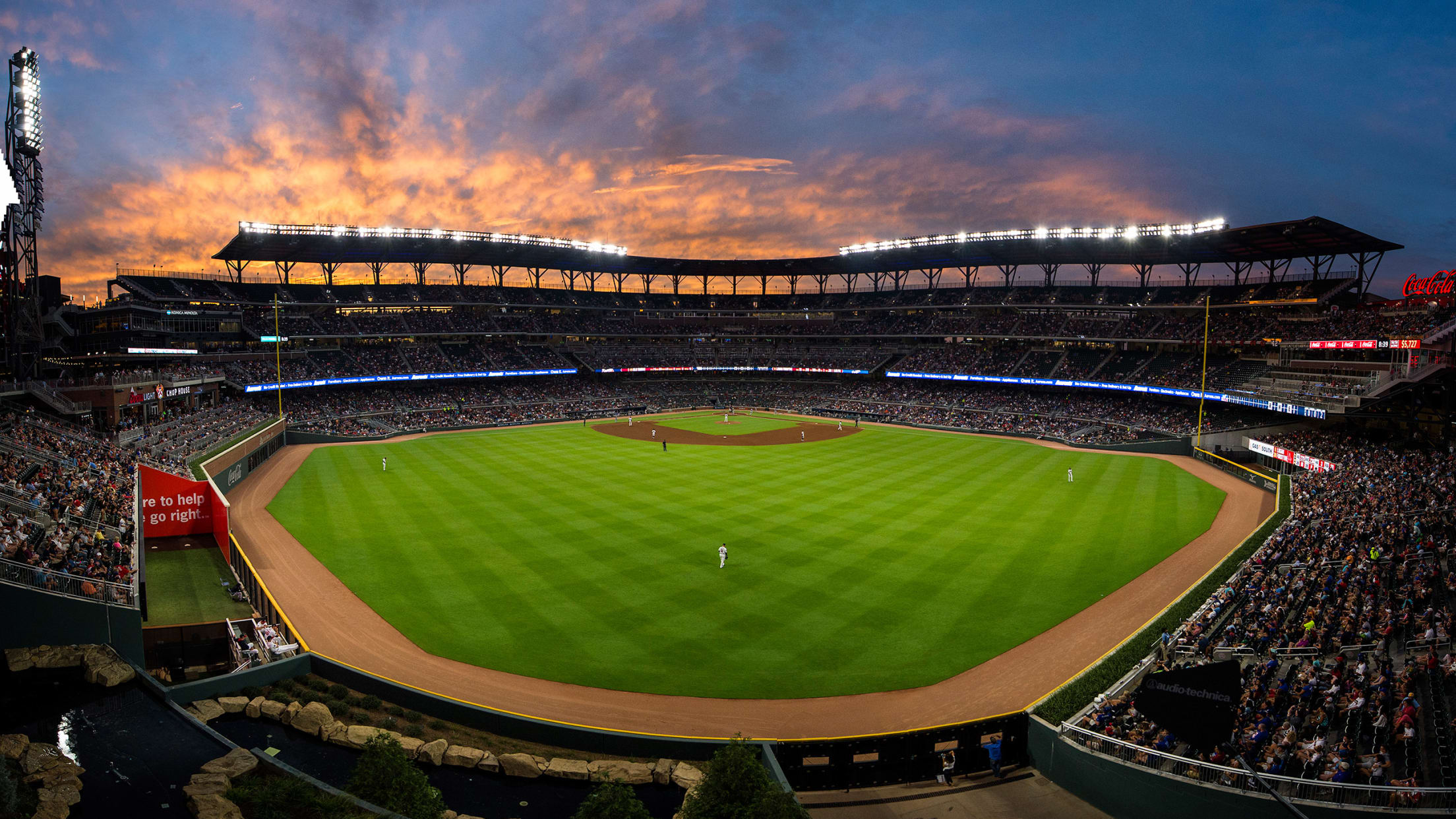
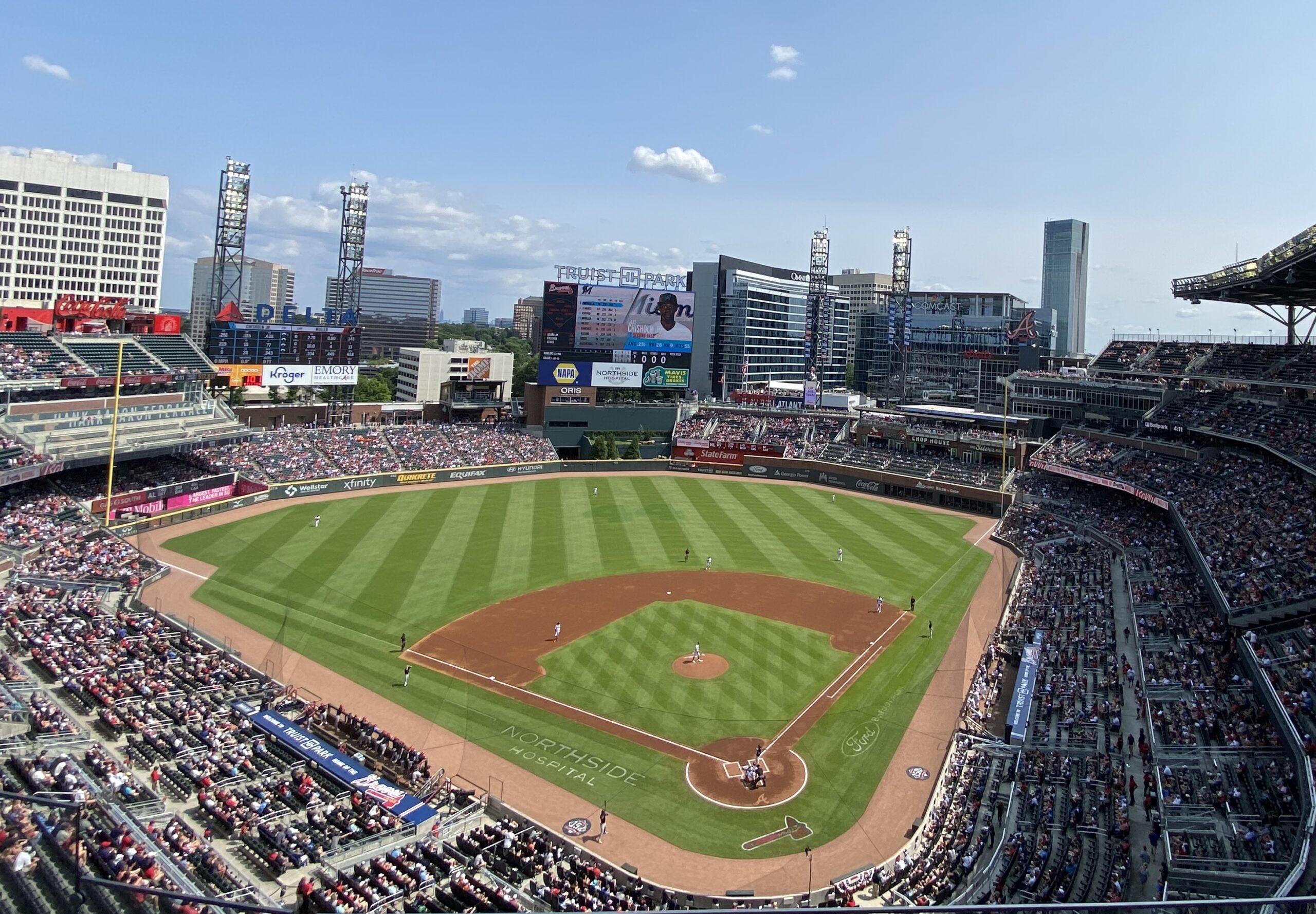
To the casual observer, the question “Where do the Atlanta Braves play?” yields a straightforward geographic answer: Truist Park, located in the Cumberland district of Cobb County, Georgia. However, for brand strategists, marketing executives, and corporate identity experts, the answer is far more complex. The Atlanta Braves do not merely play in a stadium; they play within a meticulously curated brand ecosystem known as The Battery Atlanta.
The relocation of the Braves from downtown Atlanta’s Turner Field to the suburban enclave of Cobb County in 2017 remains one of the most significant case studies in modern brand migration. It represents a fundamental shift from being a seasonal sports franchise to becoming a year-round lifestyle brand. By analyzing the “where” of the Atlanta Braves, we uncover a sophisticated strategy of place-branding, mixed-use development, and the intentional architectural construction of corporate identity.
The Strategic Migration: Redefining the Brand via Relocation
The decision to move the Braves was not merely a reaction to an aging stadium; it was a proactive brand pivot. For decades, the team played in venues—first Atlanta–Fulton County Stadium and then Turner Field—where the organization had little control over the surrounding environment. This lack of “territorial branding” meant that the fan experience began and ended at the stadium gates.
Escaping the Constraints of Urban Infrastructure
In the world of brand strategy, environment is everything. At Turner Field, the Braves were landlocked by state-owned parking lots and highways. The brand lived in a vacuum, disconnected from the daily lives of its consumers except during the three hours of a game. By moving to a 60-acre site at the intersection of I-75 and I-285, the Braves organization gained something more valuable than a new field: they gained the ability to own the entire consumer journey. This move allowed the brand to dictate the aesthetic, the commerce, and the atmosphere of the fan’s arrival and departure, effectively extending the brand’s touchpoints from a few hours to an entire weekend.
Transitioning from “Tenant” to “Developer”
A key component of the Braves’ brand evolution was the transition from being a tenant of the city to a master developer. In Cumberland, the Braves created a destination that functions independently of the baseball schedule. This strategic move solved a perennial problem for sports brands: the “dead zone” effect of an empty stadium during the off-season. By building a permanent physical footprint that includes office space, residential units, and retail, the Braves transformed their corporate identity from a baseball team into a real estate and entertainment powerhouse.
The Battery Atlanta: The Architecture of an Ecosystem
If Truist Park is the heart of the Braves’ brand, The Battery Atlanta is its circulatory system. This mixed-use development is a masterclass in “place-branding,” where the physical location becomes synonymous with the brand’s values of community, premium entertainment, and Southern hospitality.
Creating a 365-Day Brand Experience
The primary challenge for any sports brand is maintaining relevance during the 200-plus days a year when no games are played. The Battery solves this through a diversified brand portfolio. With the inclusion of the Coca-Cola Roxy music venue, an Omni Hotel, and global corporate headquarters like Comcast’s regional hub, the “place” where the Braves play has become a vibrant district. For the brand, this means constant visibility. A person may visit The Battery for a business lunch or a concert, yet they are constantly immersed in Braves-themed iconography and architecture. This creates a psychological “halo effect,” where the positive associations of the lifestyle district bleed into the perception of the baseball team itself.
Synergy through Naming Rights and Corporate Partnerships
The evolution of the stadium’s name from SunTrust Park to Truist Park (following the merger of SunTrust and BB&T) serves as a vital lesson in brand alignment. The “where” of the Braves is inextricably linked to the “who” of their corporate partners. The transition to the Truist brand was handled with surgical precision to ensure that the team’s identity wasn’t overshadowed by the corporate entity. Instead, the partnership is presented as a shared commitment to the “Braves Country” community. This integration shows how physical locations serve as massive billboards for corporate identity, where the stadium serves as a tangible manifestation of a multi-billion dollar financial partnership.

Identity and Consistency: Preserving Heritage in a Modern Space
One of the greatest risks in rebranding or moving a historic franchise is the potential loss of “brand equity.” The Braves have a legacy dating back to Boston and Milwaukee, and their “A” logo is one of the most recognizable marks in global sports. When designing their new home, the organization had to balance cutting-edge modernity with the weight of history.
The Visual Language of Truist Park
The architecture of Truist Park uses materials that evoke a sense of permanence and tradition—brick, steel, and stone—while incorporating modern amenities like the “Xfinity Rooftop” and high-tech displays. This visual language tells a story of a brand that respects its past but is positioned for the future. Inside the stadium, the “Monument Garden” serves as a brand museum, grounding the new location in the team’s historical achievements. This ensures that even though the team moved to a new zip code, the brand’s “soul” remained intact. It is a lesson in using physical space to reinforce brand narrative.
Cultivating Community through Physical Touchpoints
A brand is only as strong as the community it fosters. The design of the plaza outside the stadium gates is intentional; it is a communal space where fans gather hours before the first pitch. In brand strategy, this is known as “fostering organic brand advocates.” By providing a space for fans to socialize, celebrate, and interact with the brand on their own terms, the Braves have strengthened the emotional bond with their audience. The “where” is no longer just a seat in a bleacher; it is a shared social experience that defines the modern Braves fan’s identity.
The Business of Experience: How Location Drives Brand Equity
Ultimately, the move to Cobb County was a financial strategy wrapped in a brand transformation. The “Braves Model” is now being studied by sports franchises globally as the gold standard for how to leverage physical location to drive brand value and revenue.
The Economics of Brand Loyalty
By controlling the restaurants, the parking, and the retail surrounding the stadium, the Braves have internalized the “spillover” revenue that previously went to third-party businesses in downtown Atlanta. From a brand perspective, this allows for a consistent quality of service. If a fan has a great meal at a restaurant in The Battery, that positive experience is credited to the Braves’ ecosystem. This control over the “end-to-end” experience is what separates premium brands from commodity brands. The Braves have effectively turned their location into a walled garden of brand loyalty.
Scaling the Model: The Future of Professional Sports Branding
The success of Truist Park and The Battery has fundamentally changed the conversation around where professional teams should play. We see this influence in the “Title District” projects of other cities. The lesson for brand managers is clear: your physical location is not a passive backdrop; it is an active participant in your brand story. The Atlanta Braves have proven that by investing in a comprehensive “place-branding” strategy, a company can insulate itself against the volatility of its core product (in this case, wins and losses on the field) by providing a consistent, high-quality brand environment.
Conclusion: The Location as the Ultimate Brand Asset
When we ask, “Where do the Atlanta Braves play?” we are really asking how a brand manifests in the physical world. The Braves have successfully moved beyond the limitations of a sports team to become a pillar of regional identity. They play at the intersection of commerce, community, and entertainment.
Truist Park and The Battery Atlanta represent more than just a stadium and a shopping mall; they represent a bold vision of corporate identity where the brand is the environment. By meticulously curating every square inch of their 60-acre home, the Atlanta Braves have ensured that their brand remains relevant, profitable, and deeply embedded in the lives of their fans. In the modern era of marketing, the “where” is just as important as the “how,” and the Braves have mastered the art of being exactly where their audience wants to be.
aViewFromTheCave is a participant in the Amazon Services LLC Associates Program, an affiliate advertising program designed to provide a means for sites to earn advertising fees by advertising and linking to Amazon.com. Amazon, the Amazon logo, AmazonSupply, and the AmazonSupply logo are trademarks of Amazon.com, Inc. or its affiliates. As an Amazon Associate we earn affiliate commissions from qualifying purchases.