
For many, the transition from the holiday season into the new year brings a sense of renewal, but for the financially savvy, it marks the beginning of “tax season.” The question of “when can I start doing my taxes” is more than just a matter of curiosity; it is a strategic inquiry that impacts cash flow, financial security, and mental well-being. While the Internal Revenue Service (IRS) typically begins accepting returns in late January, the process of preparation begins much earlier.
Understanding the mechanics of the tax calendar is essential for anyone looking to optimize their personal finances. Whether you are an employee with a single W-2 or an entrepreneur managing multiple income streams, timing your filing can be the difference between a seamless financial transition and a stressful scramble against the April deadline.

Understanding the IRS Filing Calendar: Key Dates and Deadlines
The most important date on the tax calendar is not actually the filing deadline, but the opening date. While the IRS traditionally sets the “start” of the tax season in the second or third week of January, this date fluctuates yearly based on legislative changes and system updates.
The Official IRS Opening Date
Typically, the IRS begins processing individual tax returns between January 20th and January 31st. For the current tax year, this “opening day” is when the IRS’s e-file systems become fully operational. Even if you complete your return using software in early January, the provider will hold your return in a queue until the IRS officially begins accepting transmissions. Knowing this date allows you to time your final submission so that you are at the front of the line for processing.
Why the IRS Start Date Matters
The start date is the catalyst for the “refund clock.” For taxpayers expecting a refund—particularly those claiming the Earned Income Tax Credit (EITC) or the Additional Child Tax Credit (ACTC)—filing as close to the opening date as possible is critical. However, by law, the IRS cannot issue refunds for returns claiming these specific credits before mid-to-late February. Even with this delay, filing early ensures that your return is already through the initial verification stages when that hold is lifted.
Quarterly Deadlines for Entrepreneurs and Freelancers
For those in the “Money” niche who operate as freelancers, contractors, or business owners, tax season is a year-round event. While the annual return is filed in the spring, the final estimated quarterly payment for the previous tax year is usually due on January 15th. This date serves as the true “start” of the tax preparation process for the self-employed, as it requires a final accounting of the prior year’s fourth-quarter earnings before the final annual filing can be synthesized.
The Benefits of Early Tax Filing
While the temptation to procrastinate is high, there are significant financial and security advantages to starting your taxes as soon as the IRS allows. In the realm of personal finance, time is a valuable commodity, and early filing allows you to leverage it to your advantage.
Faster Access to Refunds
The most immediate benefit of filing early is the speed of your refund. Most taxpayers receive their refunds within 21 days of filing electronically with direct deposit. By filing in late January or early February, you avoid the “peak season” bottleneck that occurs in late March and April. This liquidity can be used to pay off high-interest holiday debt, contribute to an IRA for the previous tax year, or bolster an emergency fund, allowing your money to start working for you sooner.
Mitigating the Risk of Identity Theft
Tax-related identity theft occurs when someone uses your social security number to file a fraudulent return and claim your refund. Because the IRS operates on a “first-come, first-served” basis regarding social security numbers, filing your legitimate return early effectively “locks” your account. Once your return is in the system, any subsequent fraudulent attempts using your information will be automatically rejected, saving you from a multi-month administrative nightmare to reclaim your identity and your money.
More Time to Manage Potential Tax Bills
If, after running the numbers, you discover that you owe the IRS money, filing early is still beneficial. Filing your return in February does not mean you have to pay in February. You can file early to lock in the paperwork but schedule your payment for the actual April deadline. This provides you with several months to adjust your budget, liquidate assets, or move funds into a high-yield savings account to earn interest on the tax money before it must be handed over to the government.
Essential Documentation: Preparing Your Tax Portfolio
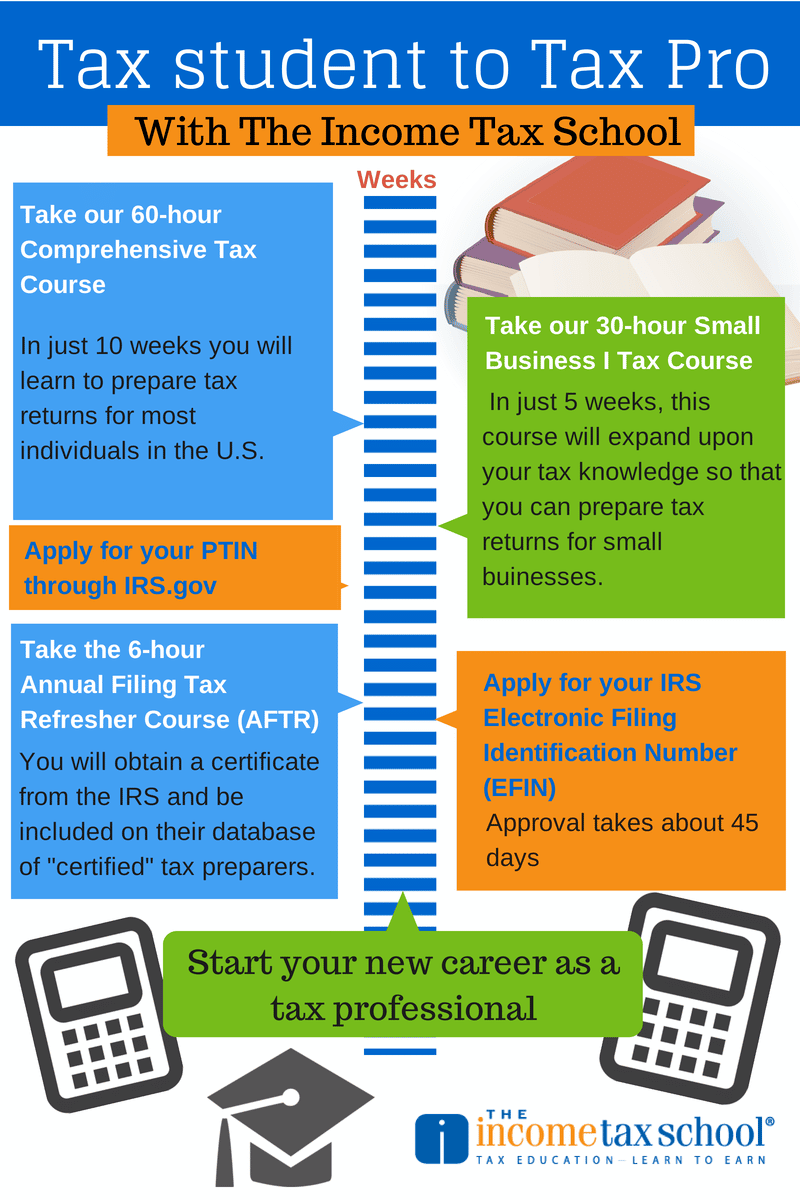
You cannot “start” your taxes in a meaningful way until you have the necessary documentation. The IRS requires specific forms from employers, financial institutions, and service providers to verify the information you report.
Income Records: W-2s, 1099s, and Beyond
By law, employers and businesses are required to mail or provide digital access to W-2s and 1099 forms by January 31st. For many, this is the true bottleneck.
- W-2 Forms: Provided by employers for salaried or hourly work.
- 1099-NEC/MISC: Provided for independent contractor work or “side hustles.”
- 1099-INT/DIV: Provided by banks and brokerage firms for interest and dividends earned.
Collecting these forms as they arrive in your inbox or mailbox is the first physical step in the filing process.
Tracking Deductions and Credits
To minimize your tax liability, you must have your “Money” documents in order. This includes records of student loan interest (1098-E), mortgage interest (1098), and charitable contribution receipts. If you plan to itemize rather than take the standard deduction, you will need a meticulous log of medical expenses, property taxes, and state and local taxes paid. For the self-employed, this also means reconciling your business expense ledger to ensure every legal deduction is captured.
Organizing Digital Receipts and Financial Statements
In our modern digital economy, many “receipts” are hidden in email folders or banking apps. Early preparation involves spending an afternoon in early January exporting CSV files from your bank accounts and credit cards. Categorizing these transactions early allows you to spot missing deductions that you might have forgotten over the previous twelve months, ensuring that you don’t overpay the government.
Modern Strategies for Efficient Tax Preparation
The “how” of tax filing has changed significantly with the rise of financial technology. Choosing the right method is a balance between cost-efficiency and the complexity of your financial life.
Choosing the Right Tax Software
For the majority of taxpayers, cloud-based tax software is the most efficient way to file. These tools are designed to guide you through a series of questions, effectively “doing” the taxes for you based on your inputs. When selecting a tool, consider whether you qualify for the IRS Free File program, which provides free brand-name software to taxpayers with an Adjusted Gross Income (AGI) below a certain threshold (usually $79,000).
When to Hire a Certified Public Accountant (CPA)
As your wealth grows and your financial portfolio becomes more complex—incorporating rental properties, K-1s from partnerships, or intricate stock option exercises—software may not be enough. Starting your taxes early gives you the luxury of time to interview and hire a CPA. Tax professionals provide more than just data entry; they offer strategic advice on tax-loss harvesting and long-term financial planning that software often misses.
Leveraging Automation in Personal Finance
To make next year’s “start” even easier, consider implementing automation tools now. Financial apps that sync with your bank accounts can automatically categorize tax-deductible expenses throughout the year. By the time January rolls around, your “tax preparation” is essentially just a final review of a pre-populated report, rather than a frantic search through shoeboxes of paper receipts.
Navigating Recent Changes in Tax Laws
Tax laws are not static; they are adjusted annually for inflation and updated through new legislation. Staying informed on these changes is a hallmark of sophisticated financial management.
Updates to Standard Deductions and Brackets
Every year, the IRS adjusts the standard deduction and the income tax brackets to account for inflation. For the current filing year, these amounts have typically increased, meaning you can earn more money before hitting higher tax percentages. Being aware of these new thresholds helps you understand why your “bottom line” might look different this year compared to last, even if your income remained the same.
Tax Credits for Families and Sustainable Energy
Governments often use the tax code to incentivise certain behaviors. Recent years have seen significant updates to the Child Tax Credit and various “green” energy credits. If you installed solar panels, purchased an electric vehicle, or made energy-efficient home improvements (like new windows or heat pumps), you may be eligible for substantial credits. Starting your taxes early allows you to research the specific requirements for these credits, which often require specific manufacturer certifications.

New Regulations for Digital Assets and Crypto
The IRS has significantly increased its focus on digital assets. Every tax return now includes a prominent question regarding the receipt, sale, or exchange of cryptocurrency. If you have been active in the crypto market, “starting” your taxes means reconciling your exchange data using specialized crypto tax software. Because these transactions can be voluminous, this is often the most time-consuming part of modern tax preparation and should be initiated as soon as the year ends.
In conclusion, while the IRS officially opens its doors in late January, the most successful taxpayers start their journey on January 1st. By organizing your documentation, understanding the benefits of early filing, and staying abreast of legislative changes, you transform tax season from a dreaded chore into a powerful tool for financial optimization. Starting early isn’t just about meeting a deadline; it’s about taking command of your financial future.
aViewFromTheCave is a participant in the Amazon Services LLC Associates Program, an affiliate advertising program designed to provide a means for sites to earn advertising fees by advertising and linking to Amazon.com. Amazon, the Amazon logo, AmazonSupply, and the AmazonSupply logo are trademarks of Amazon.com, Inc. or its affiliates. As an Amazon Associate we earn affiliate commissions from qualifying purchases.