
When tax season rolls around, millions of Americans eagerly await their refunds. The most common question asked—aside from “When will I get my money?”—is often “What bank does the IRS use for direct deposit?” There is a common misconception that the Internal Revenue Service (IRS) maintains a traditional commercial bank account, much like a private corporation, to distribute funds. However, the reality of federal financial distribution is far more complex and involves a sophisticated network of government agencies and the nation’s central banking system.
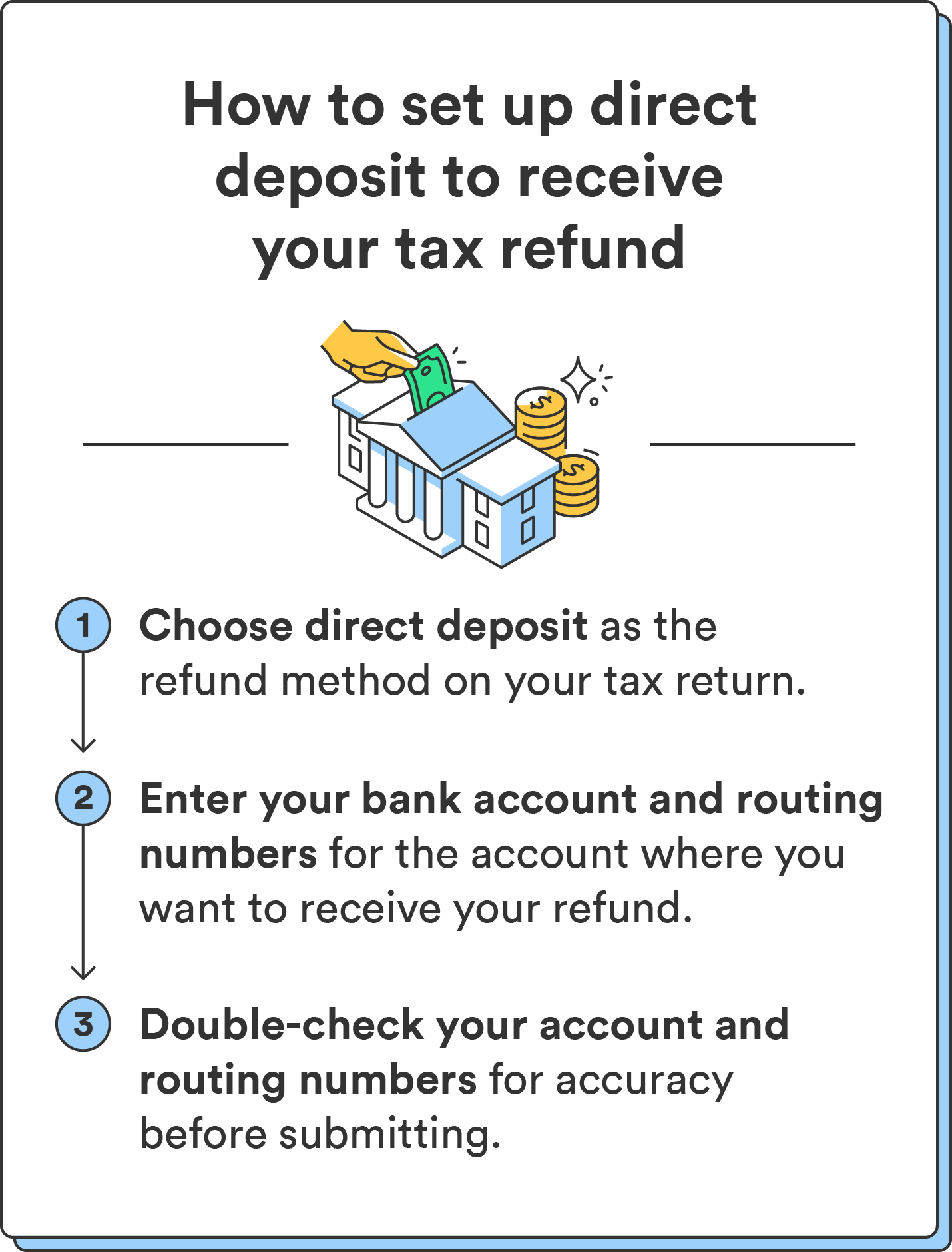
To manage your personal finances effectively, it is essential to understand the machinery behind these payments. By understanding the “bank” behind the IRS, you can better navigate the timing of your refund, ensure the security of your data, and choose the right financial tools to receive your hard-earned money.
The Financial Infrastructure Behind IRS Direct Deposits
The IRS does not actually “have a bank” in the way a consumer or a private business does. Instead, it operates as a division of the U.S. Department of the Treasury. When you receive a direct deposit from the IRS, you aren’t receiving a transfer from a private entity like Chase or Bank of America; you are receiving an Electronic Funds Transfer (EFT) from the United States government itself.
The Role of the U.S. Department of the Treasury
The Department of the Treasury is the executive department responsible for managing the nation’s finances. Within this department, the IRS acts as the revenue collector, but it is not the primary payor. Once the IRS processes a tax return and approves a refund, it sends a payment instruction to another wing of the Treasury: the Bureau of the Fiscal Service. This bureau is the actual “paymaster” of the federal government, handling everything from Social Security benefits to tax refunds.
The Bureau of the Fiscal Service
The Bureau of the Fiscal Service is the entity that executes the vast majority of federal payments. While the IRS calculates what you are owed, the Bureau is the agency that communicates with the banking system. They manage the technical side of the transaction, ensuring that billions of dollars are moved accurately across the digital landscape every year. This centralized system allows the government to maintain a high level of oversight and reduces the costs associated with paper checks.
The Federal Reserve Bank: The Government’s Fiscal Agent
If we must identify a single “bank” that the IRS uses, it is the Federal Reserve Bank. The Federal Reserve acts as the “fiscal agent” for the United States government. Just as individuals have accounts at commercial banks, the U.S. Treasury maintains a General Account (TGA) at the Federal Reserve. When a direct deposit is triggered, the funds are moved from the TGA at the Federal Reserve into the commercial banking system. The Federal Reserve serves as the bridge between the government’s internal accounting and the private financial sector.
How Direct Deposits Work: From the IRS to Your Account
Understanding the path a refund takes is vital for personal finance planning. The journey of a direct deposit involves several layers of verification and digital handshakes between government servers and private financial institutions.
The Automated Clearing House (ACH) Network
The primary vehicle for IRS direct deposits is the Automated Clearing House (ACH) network. This is a nationwide electronic fund transfer system that provides for the interbank clearing of electronic payments. When the Bureau of the Fiscal Service initiates your refund, it creates an ACH file containing your bank routing number and account number. These files are processed in batches. This is why refunds often arrive on specific days of the week—usually a Friday or a Wednesday—depending on when the “batch” was finalized by the Treasury and sent into the ACH system.
Verification Processes and Security
Security is a paramount concern for federal payments. Before a direct deposit is finalized, the IRS and the Bureau of the Fiscal Service perform various checks to prevent fraud. This includes verifying that the name on the tax return matches the information associated with the social security number. While the government does not “see” into your private bank account to check your balance, they do utilize the Treasury Check Verification System and other protocols to ensure that funds are being sent to legitimate, active accounts.
Why Your Choice of Bank Matters
While the government uses a standardized process, the “last mile” of the journey depends entirely on your chosen financial institution. Some traditional banks may take one to three business days to “clear” an ACH deposit once they receive the notification from the Federal Reserve. In contrast, many modern online banks and fintech platforms offer “early direct deposit” features. These institutions credit your account as soon as they receive the payment notification from the Treasury, potentially giving you access to your tax refund up to two days earlier than a traditional brick-and-mortar bank.
The Best Financial Tools for Receiving IRS Payments
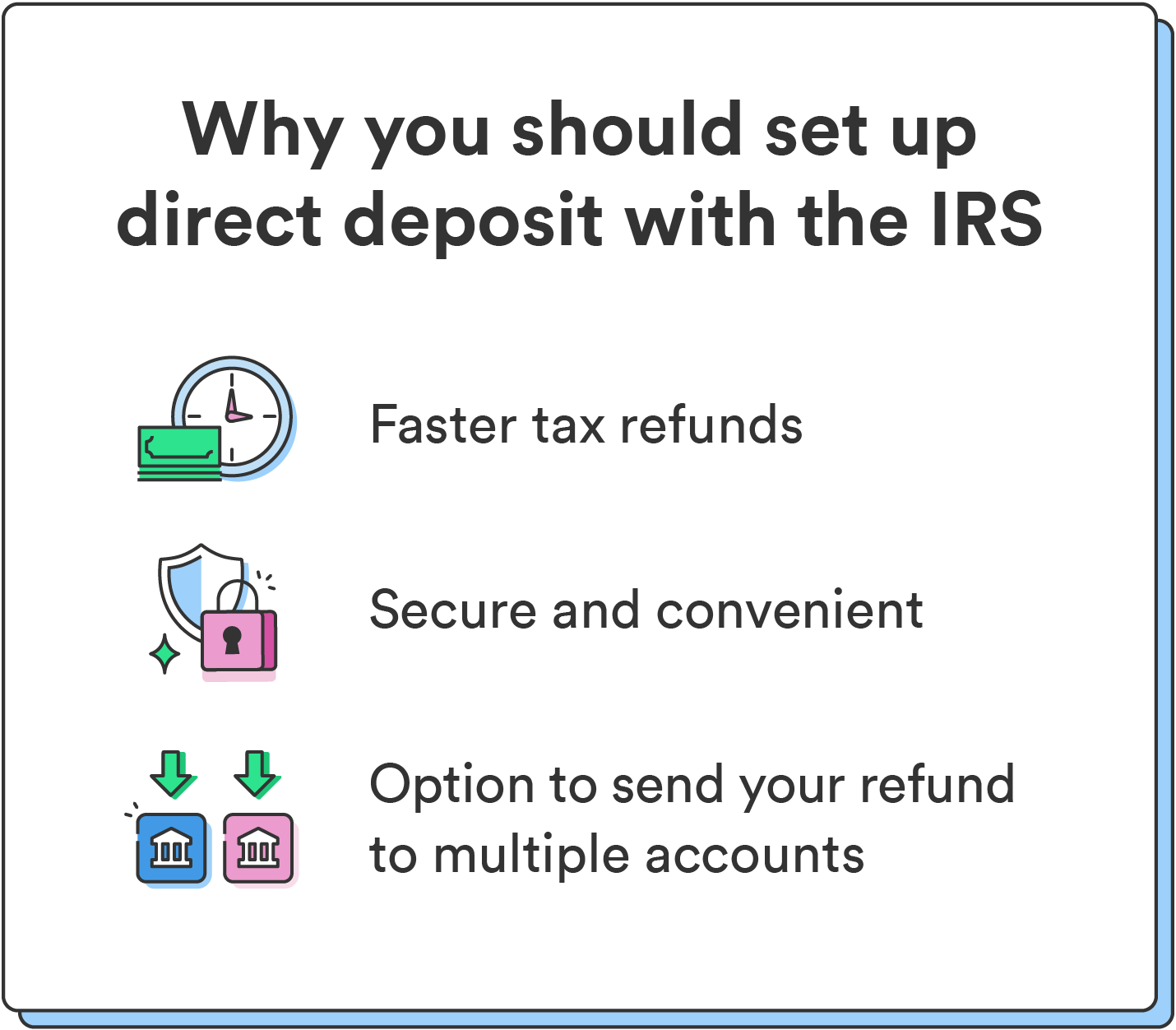
In the realm of personal finance, how you choose to receive your money is just as important as how you earn it. Since the IRS allows you to choose where your direct deposit goes, you have several strategic options to maximize the utility of your refund.
Traditional Banks vs. Digital Neobanks
Traditional banks offer stability and a physical presence, which some taxpayers prefer for large transactions like a tax refund. However, digital-first neobanks (like Chime, Ally, or Varo) have become increasingly popular for IRS deposits. These platforms often have no monthly fees and, as mentioned, can process government payments faster than legacy institutions. If you are living paycheck to paycheck or have urgent bills to pay, the speed of a digital bank can be a significant advantage.
Using Prepaid Debit Cards for Refunds
For the “unbanked” or “underbanked” population—those who do not have a traditional checking or savings account—the IRS allows direct deposits into many types of prepaid debit cards. Many reputable financial services provide these cards with a routing and account number specifically for this purpose. This is a much faster and more secure option than waiting for a paper check in the mail, which can be lost or stolen. However, it is important to be mindful of the fees associated with these cards to ensure your refund isn’t eroded by maintenance or ATM costs.
High-Yield Savings Accounts: Maximizing Your Refund
For those who do not need their refund for immediate expenses, directing the IRS to deposit funds into a High-Yield Savings Account (HYSA) is a smart wealth-building move. By bypassing a standard checking account, you remove the temptation to spend the money and immediately begin earning interest—often at rates 10 to 20 times higher than a traditional savings account. This is one of the simplest ways to automate your savings and improve your overall financial health.
Troubleshooting and Maximizing Personal Finance Security
Even with a robust system in place, errors can occur. In personal finance management, being proactive about your direct deposit information can save months of bureaucratic headaches.
Common Errors in Direct Deposit Information
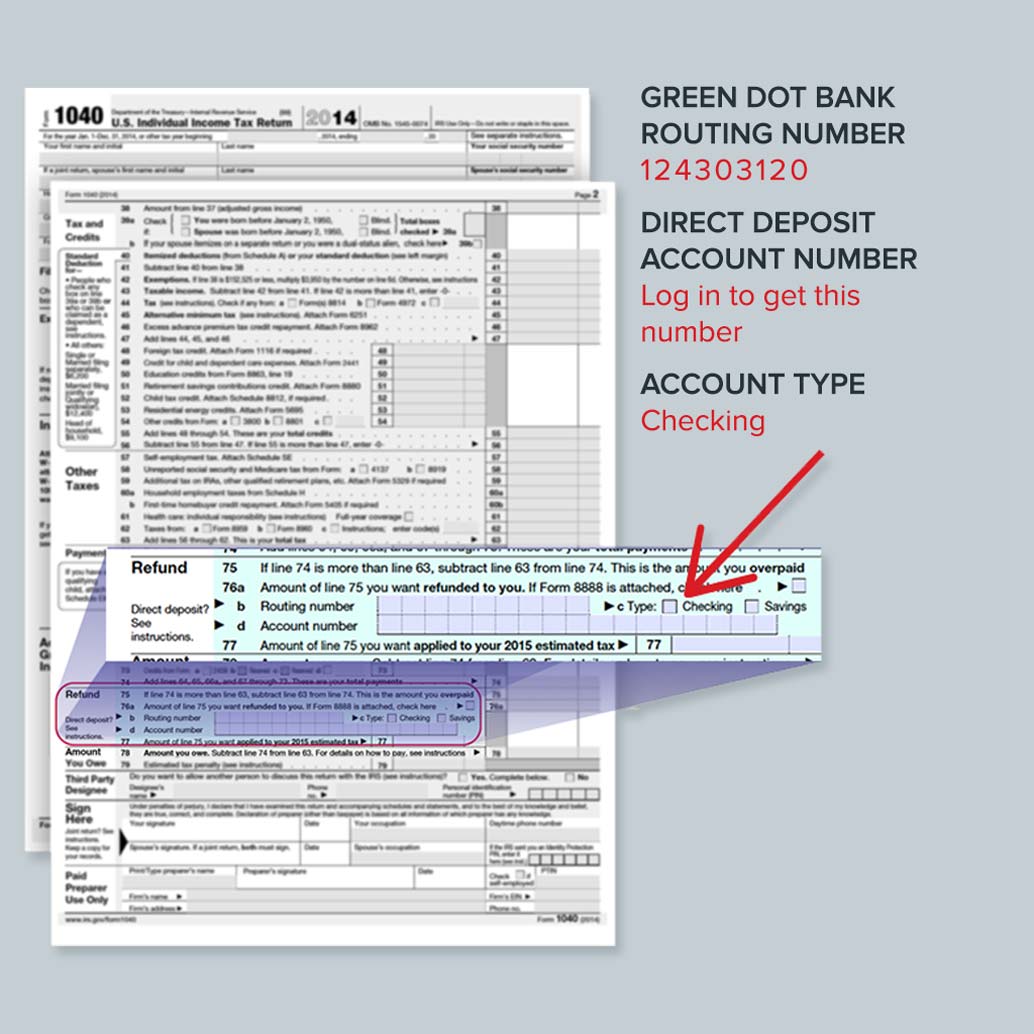
The most frequent cause of a “missing” IRS refund is a typo in the routing or account number. If the number provided is invalid, the bank will typically reject the deposit and return the funds to the IRS. Once the IRS receives the returned funds, they will default to mailing a paper check to the address on file. This process can add four to six weeks to your wait time. Always double-check your banking details against your bank’s official mobile app or a voided check before submitting your return.
Protecting Your Financial Identity
Tax-related identity theft is a serious concern. Hackers may attempt to file a return in your name and direct the deposit to their own accounts. To mitigate this risk, the IRS uses “Identity Protection PINs” (IP PINs) for certain taxpayers. From a personal finance perspective, the best defense is to file as early as possible. If you file before a fraudster does, their fraudulent return will be rejected by the IRS system. Additionally, ensuring that your bank has two-factor authentication (2FA) enabled adds an extra layer of security to your refund once it lands.
Split Deposits: A Strategy for Wealth Building
A little-known but powerful tool provided by the IRS is Form 8888, the Allocation of Refund. This allows you to split your direct deposit into up to three different accounts. From a financial planning perspective, this is invaluable. You can direct a portion of your refund to your checking account for immediate needs, a portion to a savings account for your emergency fund, and a portion to a retirement account or a Health Savings Account (HSA). By utilizing this “bank-agnostic” feature, you are effectively using the IRS’s payment system as a personal budgeting tool.
Conclusion
While the IRS doesn’t use a “bank” in the traditional sense, it operates through a sophisticated partnership with the U.S. Treasury and the Federal Reserve. By understanding that your refund moves through the ACH network and is processed by the Bureau of the Fiscal Service, you gain a clearer picture of the timeline and security of your money.
In the world of personal finance, knowledge is power. Choosing the right institution—whether it’s a high-speed neobank for quick access or a high-yield savings account for long-term growth—allows you to take control of your refund before it even arrives. By being diligent with your account numbers and strategic with your deposit locations, you can turn a simple government payment into a cornerstone of your financial success.
aViewFromTheCave is a participant in the Amazon Services LLC Associates Program, an affiliate advertising program designed to provide a means for sites to earn advertising fees by advertising and linking to Amazon.com. Amazon, the Amazon logo, AmazonSupply, and the AmazonSupply logo are trademarks of Amazon.com, Inc. or its affiliates. As an Amazon Associate we earn affiliate commissions from qualifying purchases.