
For many taxpayers, the arrival of tax season brings a sense of financial dread. Beyond the potential of owing money to the government, the administrative cost of preparing and filing a return can be a significant burden. In a landscape dominated by expensive commercial software and professional accountants, many individuals are unaware that they can fulfill their civic duty without spending a single dollar.
Navigating the world of free tax preparation requires a blend of financial literacy and strategic planning. Whether you are a student, a freelancer, or a middle-income earner, there are several pathways designed to keep more money in your pocket. This guide explores the most effective ways to file your taxes for free, focusing on government programs, non-profit assistance, and digital financial tools.
Understanding the IRS Free File Program
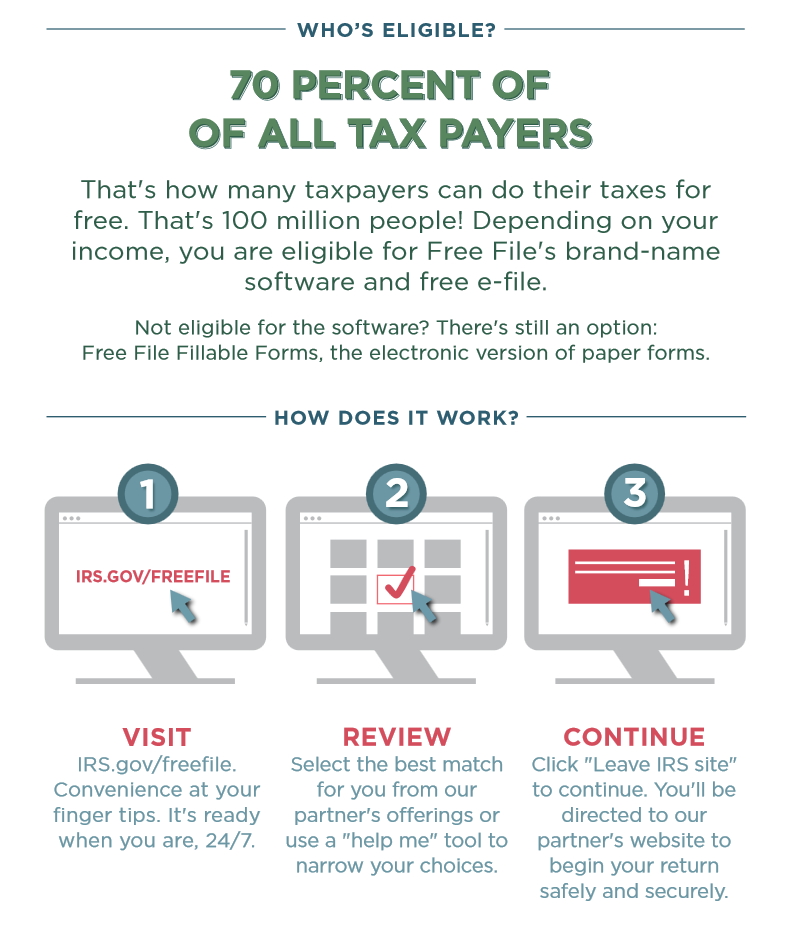
The IRS Free File program is perhaps the most significant resource for taxpayers looking to minimize costs. This program is a public-private partnership between the Internal Revenue Service (IRS) and the Free File Alliance, a group of industry-leading tax software providers. The goal is to provide high-quality filing services to those who need them most.
Eligibility Requirements and Income Thresholds
The primary factor determining your eligibility for IRS Free File is your Adjusted Gross Income (AGI). For the 2024 filing season, taxpayers with an AGI of $79,000 or less generally qualify to use the IRS Free File software. It is important to note that these thresholds are adjusted periodically for inflation and legislative changes.
While the $79,000 limit applies to the federal return, each participating software provider has its own set of criteria. Some may offer free state filing only in specific states, while others may have lower income limits or age requirements. Before selecting a provider, it is essential to use the IRS “Lookup Tool” to find the software that best matches your specific financial situation.
The Difference Between IRS Free File and Commercial “Free” Editions
A common point of confusion for consumers is the distinction between the IRS Free File program and the “Free Edition” products marketed directly by major tax software brands. Often, commercial “Free Editions” are only free for very simple returns (such as those involving only a W-2). If you have student loan interest, unemployment income, or any complex deductions, these commercial products will often prompt an “upgrade” that can cost upwards of $60 to $100.
In contrast, if you access these same providers through the official IRS.gov portal, the “IRS Free File” version usually covers more complex forms—including those for self-employment or investment income—provided you stay under the income cap. Leveraging the official government portal is a vital financial strategy to avoid these hidden “upsell” traps.
Top Digital Platforms for Free Tax Filing
The rise of fintech has revolutionized how we manage our personal finances. Several platforms now offer robust filing capabilities that rival paid software, providing an excellent alternative for those who exceed the IRS Free File income limits or prefer a more modern user interface.
Direct File: The IRS’s Newest In-House Solution
In a major shift for the American tax system, the IRS has launched a pilot program known as “Direct File.” This is a free, mobile-friendly, interview-based filing service owned and operated directly by the federal government. Unlike the Free File program, which redirects you to third-party companies, Direct File allows you to file directly with the IRS.
While the pilot program is currently limited to certain states and specific types of tax situations (such as simple W-2 income and standard deductions), it represents the future of zero-cost tax filing. It eliminates the middleman, reduces data privacy concerns associated with private corporations, and ensures that the filing process remains a public service rather than a profit-driven industry.
Independent Providers: FreeTaxUSA and Cash App Taxes
For taxpayers who do not qualify for the IRS Free File program due to high income but still want to avoid high fees, FreeTaxUSA and Cash App Taxes have emerged as industry favorites.

- FreeTaxUSA: This platform offers free federal filing for almost all tax situations, including complex scenarios like K-1s, rental property income, and small business expenses. While they charge a small, transparent fee for state returns (usually under $15), their federal product is comprehensive and lacks the aggressive upselling found in larger competitors.
- Cash App Taxes: Formerly known as Credit Karma Tax, this service provides 100% free federal and state filing regardless of income level. It is a powerful financial tool for those comfortable with a digital-first approach. By providing this service for free, Cash App attracts users to its broader financial ecosystem, offering a “win-win” for cost-conscious filers.
MilTax for Service Members and Veterans
Members of the military and their families have access to MilTax, a specialized suite of tax services provided by the Department of Defense. This service includes easy-to-use software that handles the unique complexities of military life, such as deployments, combat pay, and multi-state filings. Beyond software, MilTax provides access to tax professionals who are trained in military-specific tax law, ensuring that service members maximize their financial benefits and credits.
Community-Based and In-Person Assistance
Not everyone is comfortable navigating tax software alone. For individuals who prefer human interaction or have concerns about digital literacy, several non-profit programs provide expert help at no cost.
VITA (Volunteer Income Tax Assistance)
The Volunteer Income Tax Assistance (VITA) program has been a cornerstone of community financial support for over 50 years. VITA offers free tax help to people who generally make $64,000 or less, persons with disabilities, and limited English-speaking taxpayers.
VITA sites are managed by IRS-certified volunteers who are trained to identify tax credits for which a taxpayer might be eligible, such as the Earned Income Tax Credit (EITC) or the Child Tax Credit. This is an invaluable resource for low-to-moderate-income families who want to ensure their returns are accurate while avoiding the high costs of retail tax prep chains.
TCE (Tax Counseling for the Elderly)
The Tax Counseling for the Elderly (TCE) program offers free tax help for all taxpayers, particularly those who are 60 years of age and older. TCE specializes in questions about pensions and retirement-related issues unique to seniors. Much of the program is operated through the AARP Foundation’s Tax-Aide service. These volunteers understand the nuances of Social Security benefits and retirement distributions, providing peace of mind to seniors on fixed incomes.
Strategies to Maximize Your Refund and Minimize Costs
Filing for free is only one part of the equation. To truly optimize your financial health, you must ensure you are capturing every deduction and avoiding predatory financial products often associated with tax season.
Avoiding “Add-on” Fees and Upselling
When using “free” software, the user experience is often designed to steer you toward paid services. Common upsells include:
- Audit Defense: A fee paid to have the company represent you in an audit. For most simple returns, this is an unnecessary expense.
- Refund Anticipation Loans (RALs): Some tax preparers offer “instant” refunds. These are actually high-interest loans that can significantly eat into your total refund. It is almost always better to wait the 7-21 days for an electronic deposit from the IRS.
- Prior Year Access: Some companies charge you to view your own tax returns from previous years. It is a good financial practice to download and save a PDF copy of your return immediately after filing to avoid these fees later.
Gathering Essential Documentation for a Seamless Filing
The key to a successful, free filing experience is preparation. Organizing your financial documents beforehand prevents the frustration that leads many to give up and pay for professional help. Ensure you have your W-2s, 1099-NECs (for freelance work), 1099-INTs (for interest earned), and records of any deductible expenses like mortgage interest or charitable donations. Having a “tax folder” throughout the year is a simple habit that yields high financial dividends come April.

The Future of Zero-Cost Tax Filing in a Digital Economy
The movement toward free tax filing is part of a larger trend in personal finance: the democratization of financial tools. As the IRS continues to expand Direct File and as competitive fintech companies offer filing as a “loss leader” to attract customers, the era of paying $150 for a simple tax return is coming to an end.
For the savvy taxpayer, filing for free is not just about saving $50 or $100; it is about taking control of one’s financial life. By utilizing government resources like IRS Free File and community programs like VITA, and by remaining vigilant against the marketing tactics of “Big Tax,” you can ensure that your hard-earned money stays where it belongs—in your bank account. In the modern financial landscape, there is no reason to pay for a service that the government and competitive markets are willing to provide for free.
aViewFromTheCave is a participant in the Amazon Services LLC Associates Program, an affiliate advertising program designed to provide a means for sites to earn advertising fees by advertising and linking to Amazon.com. Amazon, the Amazon logo, AmazonSupply, and the AmazonSupply logo are trademarks of Amazon.com, Inc. or its affiliates. As an Amazon Associate we earn affiliate commissions from qualifying purchases.