
The landscape of personal finance has undergone a seismic shift over the last decade. Gone are the days of sprawling paper forms, manual calculations, and the anxiety of mailing physical documents to the IRS. In the modern era, “how to do online taxes” has become a central question for anyone looking to optimize their financial health. Doing your taxes online is more than just a convenience; it is a strategic move that integrates software efficiency with personal wealth management. By leveraging digital tools, taxpayers can ensure accuracy, maximize their returns, and gain a clearer picture of their overall financial trajectory.
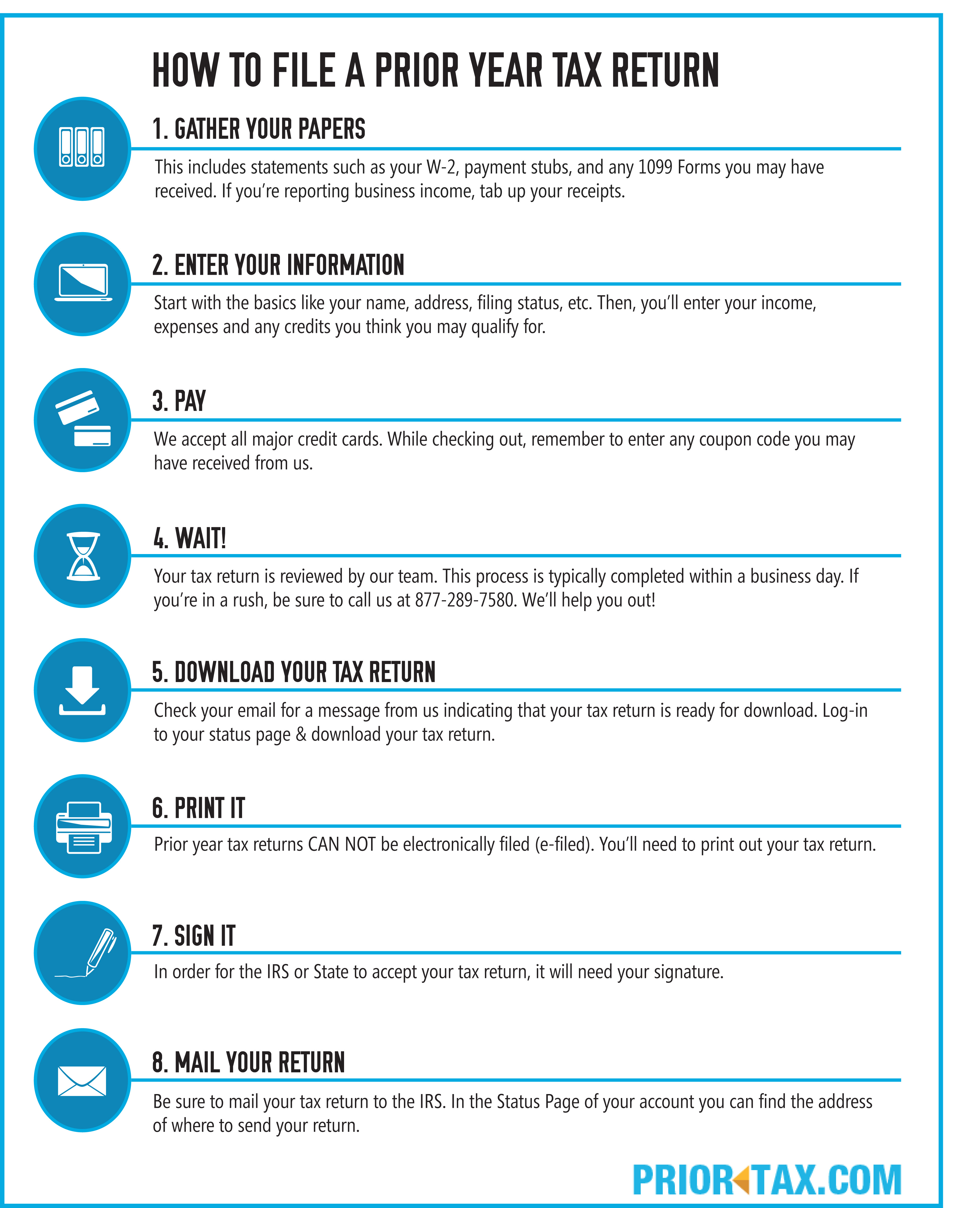
This guide explores the financial intricacies of online filing, helping you navigate the transition from a passive taxpayer to a proactive financial manager.
Choosing the Right Financial Tools for Tax Compliance
Selecting the appropriate platform is the first and most critical step in the online tax process. This decision should not be based solely on branding, but on a rigorous cost-benefit analysis of how the tool serves your specific financial situation. Whether you are a salaried employee, a freelancer, or a high-net-worth investor, the software you choose acts as the foundation of your filing strategy.
Software for Individuals vs. Small Business Owners
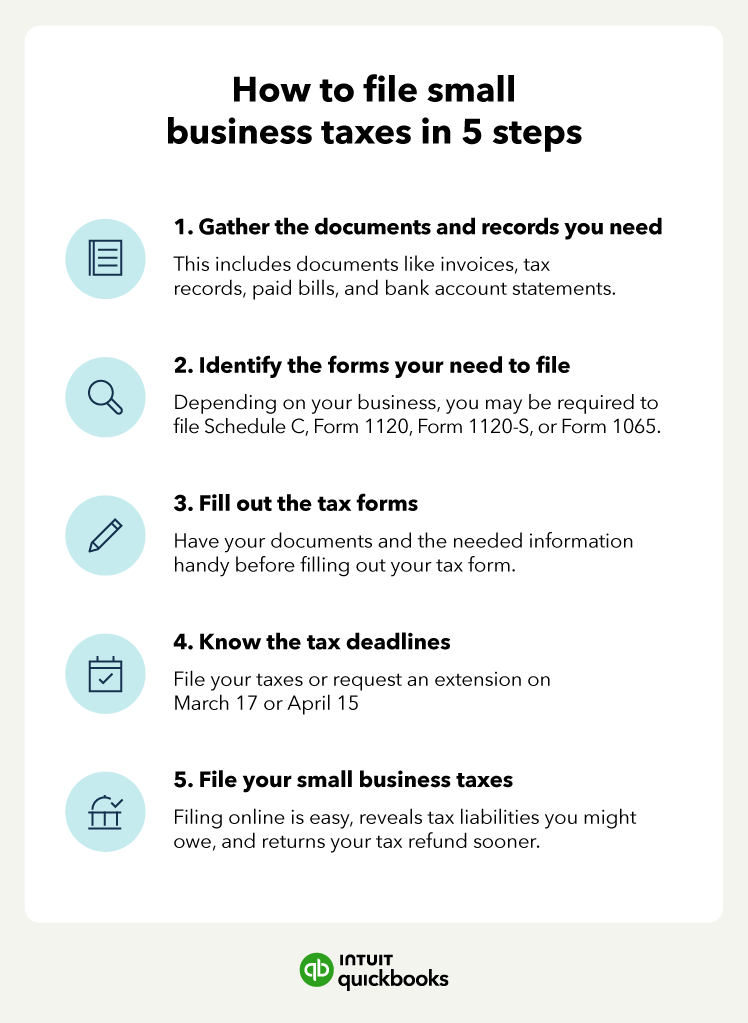
For the average W-2 employee with a straightforward financial profile, free or low-cost online filing options are often the most prudent choice. Platforms like FreeTaxUSA or the IRS Free File program provide robust services without the premium price tag. However, as your financial complexity increases—incorporating side hustles, rental properties, or small business operations—investing in more sophisticated software becomes necessary.
Small business owners and freelancers often require platforms that support Schedule C filings and 1099 management. Tools like TurboTax Self-Employed or H&R Block Premium are designed to handle the nuances of business expenses, helping you separate personal expenditures from professional ones to ensure you aren’t overpaying the government.
Evaluating Cost-Benefit Ratios of Premium Platforms
While free versions are enticing, premium online tax services often offer “audit defense” or “pro reviews” that provide a significant return on investment. If your financial year involved complex events—such as selling a business or navigating an inheritance—the cost of a premium tier is often lower than the potential cost of a filing error. When choosing a tool, evaluate the “Maximum Refund Guarantee” and the quality of their customer support. In the world of money management, paying $100 for a service that secures an extra $1,000 in deductions is a high-yield investment.
Maximizing Deductions and Credits in a Digital Economy
The primary goal of doing taxes online is to minimize your liability and maximize your liquidity. Digital filing platforms use sophisticated algorithms to “interview” you, identifying potential savings that manual filing might overlook. Understanding the difference between a deduction (which lowers your taxable income) and a credit (which provides a dollar-for-dollar reduction in tax owed) is essential for any savvy investor.
Identifying Remote Work and Home Office Expenses
The shift toward a digital and remote workforce has changed the way we view home-based expenses. For those who are self-employed or run an online business, the home office deduction is a powerful tool for wealth preservation. Online filing software makes it easy to calculate the square footage of your dedicated workspace and apply it to your rent or mortgage interest, utilities, and internet costs. It is crucial to be precise; because the IRS scrutinizes these claims, digital records and receipts uploaded directly to your tax portal provide a necessary paper trail to justify these deductions.

Understanding Digital Asset and Cryptocurrency Reporting
As digital assets become a staple of the modern investment portfolio, reporting cryptocurrency transactions has become a mandatory part of financial compliance. Online tax tools now offer direct integrations with major crypto exchanges like Coinbase or Binance. These tools help you calculate capital gains and losses by tracking the “cost basis” of your assets. Failing to report these correctly can lead to significant penalties. By using online tax platforms that specialize in digital assets, you can ensure that every “buy” and “sell” event is accounted for, protecting your investment returns from future IRS audits.
Integrating Online Tax Preparation into Your Year-Round Financial Strategy
A common mistake in personal finance is viewing tax season as a singular event. In reality, how you do your online taxes should be the culmination of a year-long strategy. The most successful investors use tax filing as a diagnostic tool to review their financial performance and adjust their strategies for the coming year.
Tax-Loss Harvesting and Portfolio Optimization
One of the most effective ways to lower your tax bill while managing an investment portfolio is through tax-loss harvesting. This involves selling investments that are at a loss to offset capital gains realized from other investments. Most high-end online tax platforms provide a summary of your gains and losses, allowing you to see exactly how your portfolio moves impacted your tax liability. If you find yourself with a high tax bill due to investment gains, you can use that insight to adjust your asset allocation or increase contributions to tax-advantaged accounts like a 401(k) or an IRA.
Automating Record Keeping for Seamless Filing
The secret to a stress-free tax season is consistent financial hygiene. Throughout the year, use personal finance apps to track expenses, categorize spending, and save digital copies of receipts. Many online tax platforms allow you to import data directly from apps like Mint, YNAB (You Need A Budget), or Quickbooks. By automating the data entry process, you reduce the risk of human error and ensure that you are capturing every possible deduction, from charitable contributions to student loan interest. This level of organization is a hallmark of sophisticated money management.
Ensuring Financial Security and Data Integrity During Filing
When you do your taxes online, you are handling the most sensitive data of your financial life: Social Security numbers, bank account details, and income statements. Protecting this information is as important as the filing itself. A breach of this data can lead to identity theft, which can devastate your credit score and financial stability for years.
Recognizing Common Online Tax Scams
As online filing has increased, so has the sophistication of tax-related fraud. It is a fundamental rule of financial security that the IRS does not initiate contact via email, text message, or social media to request personal or financial information. When filing online, always ensure you are on a “https” secured website and that you are using an official, reputable platform. Be wary of “phishing” attempts that promise a larger-than-usual refund in exchange for your login credentials. Being a savvy money manager means being a skeptical consumer of digital communications.
Protecting Sensitive Financial Documents
Once your online taxes are submitted, your responsibility doesn’t end. You must store your digital returns and supporting documentation for at least three to seven years, depending on the complexity of your filing. Use encrypted cloud storage or a password-protected external hard drive to keep these records. In the event of a future mortgage application or a business loan request, having immediate, organized access to your past tax filings is a major asset that demonstrates financial reliability to lenders.
Conclusion: Empowerment Through Financial Literacy
Learning how to do online taxes is more than just a technological hurdle; it is an act of taking ownership of your financial destiny. The transition from paper to pixels allows for greater accuracy, faster refunds, and a more nuanced understanding of how your income, investments, and expenses interact. By choosing the right tools, maximizing your deductions in the digital economy, and integrating tax preparation into your overall financial planning, you transform a yearly chore into a powerful mechanism for wealth building.
In today’s fast-paced financial world, the most successful individuals are those who leverage every tool at their disposal to protect their capital. Online tax filing is not just a way to satisfy a legal requirement—it is a cornerstone of modern personal finance that provides the clarity and control necessary to achieve long-term financial independence.
aViewFromTheCave is a participant in the Amazon Services LLC Associates Program, an affiliate advertising program designed to provide a means for sites to earn advertising fees by advertising and linking to Amazon.com. Amazon, the Amazon logo, AmazonSupply, and the AmazonSupply logo are trademarks of Amazon.com, Inc. or its affiliates. As an Amazon Associate we earn affiliate commissions from qualifying purchases.