
Lululemon Athletica Inc. has cemented its position as a global leader in athletic apparel and accessories, synonymous with premium quality, innovative design, and a distinct lifestyle brand. Yet, behind the iconic yoga pants and performance wear lies a complex and strategically orchestrated global supply chain. The question of “where are Lululemon clothes made?” is not merely a geographical query but an insightful gateway into the brand’s operational philosophy, its commitment to quality, ethical sourcing, and its overall brand strategy in a highly competitive global market. Understanding the origins of Lululemon products reveals the intricate balance the brand maintains between cost efficiency, risk mitigation, and upholding its core values.
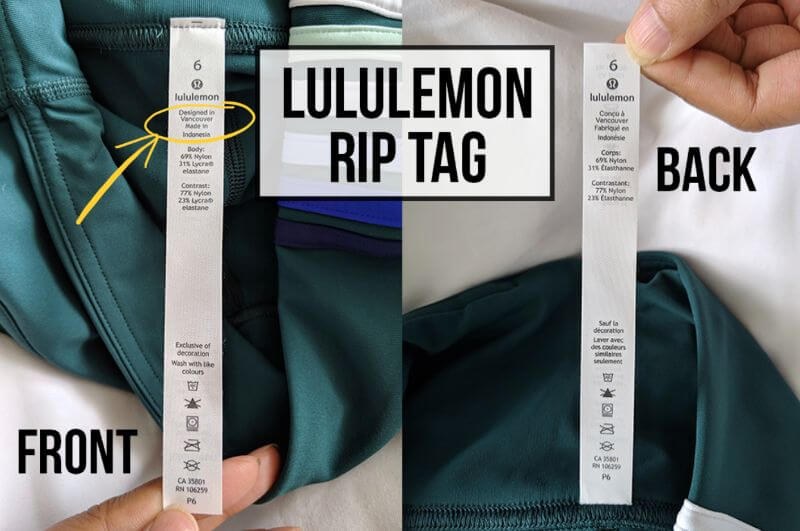
The Global Tapestry of Lululemon’s Manufacturing Strategy
For a brand with Lululemon’s global reach and brand recognition, a single manufacturing location is neither feasible nor strategic. Instead, the company employs a diversified, multi-country production strategy, leveraging the strengths of various regions worldwide. This approach is fundamental to its ability to meet immense global demand, manage costs effectively, and build resilience into its operations.
A Multi-Country Production Strategy: Spreading the Net Wide
Lululemon’s manufacturing footprint spans across numerous countries, primarily concentrated in Asia, with significant contributions from other regions. Key manufacturing hubs include nations like Vietnam, China, Cambodia, Sri Lanka, Indonesia, and Bangladesh. Beyond Asia, the brand also maintains some production capabilities in countries such as the United States and Canada, particularly for specialized items, faster-to-market products, or to serve specific regional demands. This geographical spread is not accidental; it is a deliberate brand strategy to optimize production capabilities, access specialized labor and materials, and mitigate the risks associated with over-reliance on any single country or region. By diversifying, Lululemon can adapt more effectively to geopolitical shifts, economic fluctuations, and potential supply chain disruptions, ensuring a more stable and consistent flow of products to its global customer base, thereby protecting its market presence and brand promise.
Navigating Geopolitical and Economic Landscapes
Operating a global supply chain means constantly navigating a dynamic landscape of international trade policies, geopolitical tensions, and varying economic conditions. Lululemon, as a sophisticated global brand, must skillfully manage these complexities. Decisions about where to manufacture are heavily influenced by factors such as trade agreements, tariffs, import/export regulations, and labor costs. For instance, shifts in trade relations between major economies can necessitate a re-evaluation of production locations to maintain competitive pricing and market access. The brand’s ability to pivot and adjust its manufacturing base in response to these external pressures is a testament to its strategic agility. This nimbleness is critical not just for cost efficiency but for maintaining brand competitiveness and ensuring that products reach consumers without undue price increases or delays, which could otherwise erode brand loyalty and market share.
Core Manufacturing Hubs and Their Strategic Importance
Each primary manufacturing hub Lululemon utilizes brings specific strategic advantages. Countries like Vietnam and China, for example, offer extensive textile manufacturing infrastructure, skilled labor pools, and established supply chains capable of handling large-volume production. Their expertise in performance apparel manufacturing, including the intricate processes required for Lululemon’s proprietary fabrics, makes them invaluable. Sri Lanka and Cambodia, on the other hand, might offer competitive labor costs and specific expertise in certain garment types, contributing to cost optimization while maintaining quality standards. Manufacturing in North America, though often at a higher cost, can provide benefits like faster lead times for certain products, greater control over production for sensitive items, or a “made-in” label that resonates with specific consumer segments. Each location plays a vital role in supporting the brand’s overall production capacity, allowing Lululemon to strategically allocate different product lines to facilities best suited for their production, thereby optimizing efficiency and upholding the brand’s high-quality standards across its diverse product portfolio.
Beyond Borders: Lululemon’s Brand Values and Supply Chain Ethics
For a brand that champions wellbeing and mindful living, its supply chain practices are intrinsically linked to its brand identity and consumer trust. Lululemon recognizes that its reputation is not solely built on product design and performance but also on the integrity of its manufacturing processes. This necessitates a proactive approach to ethical sourcing and transparency.
Upholding Brand Integrity Through Ethical Sourcing
Lululemon’s brand promise extends beyond the product itself to encompass how that product is made. The brand is acutely aware that modern consumers, particularly those aligned with Lululemon’s values, expect companies to demonstrate a strong commitment to social and environmental responsibility. Consequently, Lululemon has implemented robust ethical sourcing policies, aiming to ensure fair labor practices, safe working conditions, and environmental stewardship throughout its supply chain. This involves rigorous vetting of manufacturing partners, regular audits, and adherence to international labor standards. By actively working to prevent issues like forced labor, child labor, and unsafe environments, Lululemon reinforces its image as a responsible and conscientious brand. This commitment is not just about compliance; it’s a strategic imperative to protect and enhance its brand equity, resonating with a demographic that increasingly values corporate social responsibility.
Transparency as a Brand Pillar
In an era where consumers demand greater accountability, supply chain transparency has become a critical brand pillar. Lululemon understands that providing visibility into its manufacturing operations builds trust and strengthens the relationship with its customers. While complete, real-time transparency across an entire global supply chain is a monumental challenge, the brand strives to communicate its efforts and progress in this area. This might include publishing lists of key suppliers, detailing audit processes, or sharing initiatives aimed at improving worker welfare and environmental performance. By being open about its journey and challenges in ethical sourcing, Lululemon cultivates authenticity, an increasingly valuable attribute for premium lifestyle brands. This transparency helps to humanize the brand, demonstrating that it is actively engaged in making a positive impact, thereby reinforcing its brand narrative of holistic well-being.
Addressing Challenges: Reputation Management and CSR
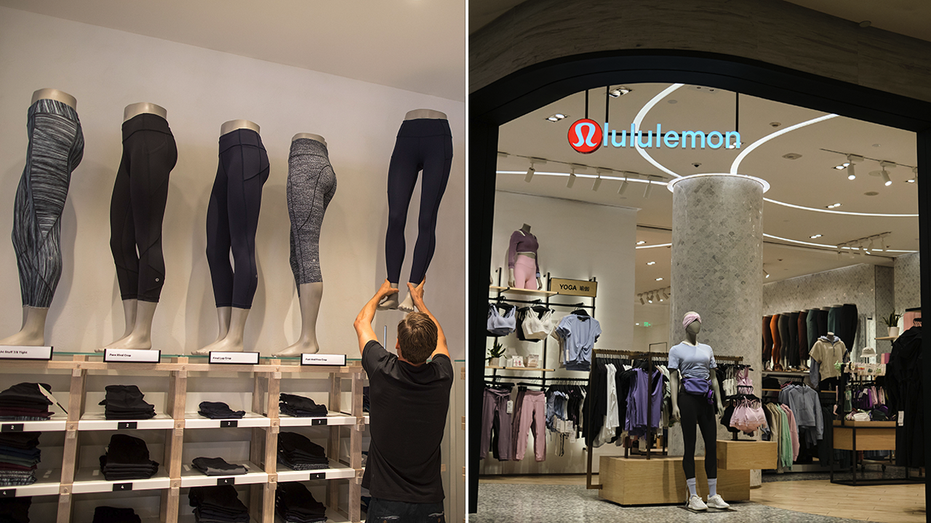
Even with the best intentions and robust policies, global supply chains can present unforeseen challenges, from labor disputes to environmental incidents. For a high-profile brand like Lululemon, how these issues are addressed can significantly impact brand reputation. Therefore, effective reputation management and a strong commitment to Corporate Social Responsibility (CSR) are paramount. When issues arise, Lululemon’s brand strategy demands swift, transparent, and decisive action to mitigate negative impacts. This includes engaging with stakeholders, implementing corrective actions, and clearly communicating its response to the public. Beyond remediation, Lululemon’s CSR efforts in its manufacturing locations—such as investing in worker training programs, promoting sustainable manufacturing practices, or supporting local communities—are crucial. These initiatives go beyond mere compliance; they demonstrate a proactive commitment to ethical leadership, reinforcing the brand’s values and safeguarding its esteemed reputation in the eyes of conscious consumers.
The Impact on Brand Identity and Product Quality
The manufacturing process is not merely a logistical step; it is integral to how Lululemon’s brand identity is experienced by consumers, particularly through the quality and innovation of its products. The choice of manufacturing partners and locations directly influences the consistency, performance, and uniqueness of Lululemon apparel.
Consistency in Craftsmanship Across Continents
One of Lululemon’s defining brand attributes is its unwavering commitment to product quality and performance. Achieving this consistency across multiple manufacturing sites, scattered across different continents, is a significant operational and brand challenge. It requires stringent quality control protocols, standardized manufacturing processes, and continuous training for factory workers. Lululemon invests heavily in ensuring that whether a pair of leggings is made in Vietnam or Sri Lanka, it meets the exact specifications for fit, fabric integrity, stitching, and durability that customers expect from the brand. This uniform craftsmanship is critical for maintaining Lululemon’s premium brand image. Any deviation in quality could erode consumer trust and diminish the perception of value, which is particularly vital for a brand operating in the high-end athletic wear segment. Thus, managing quality across its global network is a cornerstone of Lululemon’s brand integrity.
Innovation and Material Sourcing: Driving Brand Differentiation
Lululemon’s success is largely predicated on its innovative proprietary fabrics, such as Luon and Nulu, and its cutting-edge designs that combine functionality with fashion. The manufacturing partners play a crucial role in bringing these innovations to life. Collaboration with these partners extends to material sourcing, fabric development, and the implementation of advanced manufacturing techniques that can handle Lululemon’s specialized materials. This close partnership enables the brand to push boundaries in textile technology, creating products that offer superior comfort, stretch, breathability, and durability. The ability of its global supply chain to adeptly integrate these innovations directly impacts Lululemon’s market positioning and differentiation. Without manufacturing partners capable of executing these complex requirements, Lululemon would struggle to maintain its reputation as a leader in athletic apparel innovation, thereby weakening its brand appeal and competitive edge.
Responding to Market Demands and Agility
The fashion and athletic wear industries are characterized by rapidly changing trends and consumer preferences. A brand like Lululemon needs to be agile and responsive to market demands to maintain its relevance and leadership position. A diversified manufacturing base significantly contributes to this agility. By having production capabilities in various regions, Lululemon can strategically shift production to respond to spikes in demand for certain products, adapt to regional preferences, or react quickly to emerging fashion trends. For instance, if a particular product line experiences unexpected popularity in a specific market, the brand can leverage nearby manufacturing facilities for quicker replenishment. This responsiveness not only minimizes lost sales opportunities but also reinforces the brand’s image as a dynamic and consumer-focused entity, capable of consistently delivering what its customers want, when they want it.
The Strategic Advantages of Lululemon’s Manufacturing Approach
The global manufacturing strategy employed by Lululemon is far more than a logistical necessity; it is a fundamental component of its overarching brand strategy, providing significant strategic advantages that contribute to its sustained success and market leadership.
Risk Mitigation and Supply Chain Resilience
One of the most compelling strategic advantages of a diversified manufacturing footprint is risk mitigation. Reliance on a single factory or country for production exposes a brand to immense risks, including natural disasters, political instability, labor unrest, or economic downturns in that region. By spreading its production across multiple countries and numerous facilities, Lululemon significantly reduces its exposure to these potential disruptions. If one region faces a challenge, production can be potentially shifted or ramped up in other locations, ensuring a continuous supply of products to the market. This resilience is critical for maintaining consistent inventory levels, meeting consumer demand, and avoiding stock-outs that could damage brand reputation and lead to lost sales. In an increasingly unpredictable global environment, this built-in resilience safeguards Lululemon’s operational continuity and strengthens its brand reliability.
Cost Efficiency vs. Brand Premium: A Delicate Balance
Lululemon operates at the premium end of the athletic wear market, where consumers expect high quality and are willing to pay for it. However, even premium brands must manage costs effectively to maintain profitability and competitive pricing. A global manufacturing strategy allows Lululemon to strike a delicate balance between cost efficiency and upholding its brand premium. By strategically placing production in countries with competitive labor costs and robust manufacturing ecosystems, the brand can manage its production expenses without compromising on quality or ethical standards. This enables Lululemon to invest more in product innovation, marketing, and the premium retail experience that defines its brand. The goal is not simply to find the cheapest labor but to optimize the entire supply chain to deliver exceptional value that justifies its premium price point, reinforcing the brand’s perceived worth.
Future-Proofing the Brand’s Supply Chain
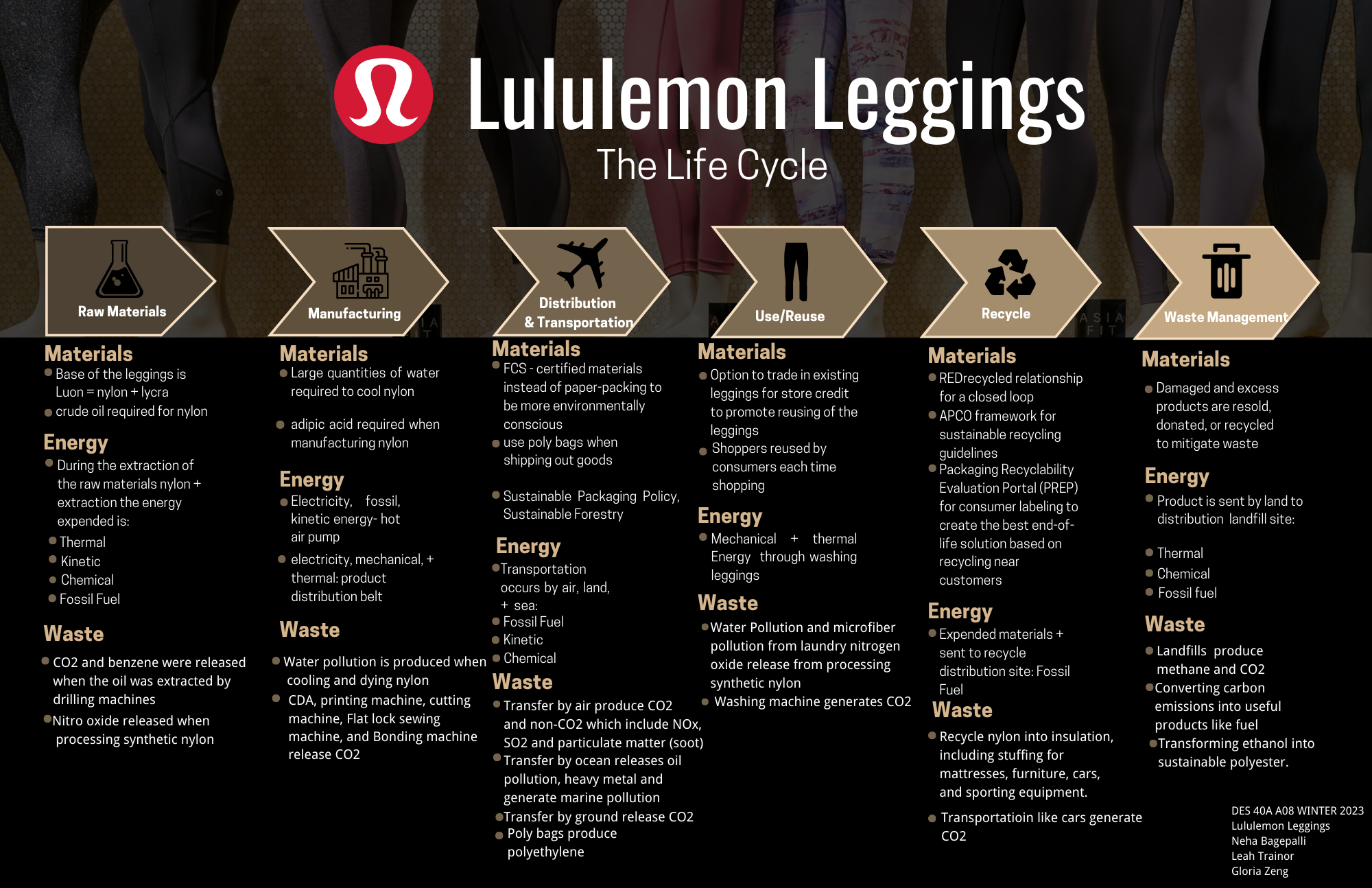
Looking ahead, Lululemon’s manufacturing strategy is also about future-proofing the brand. The global landscape is constantly evolving, with new technologies, changing trade policies, and shifting consumer expectations around sustainability and ethical production. Lululemon’s diversified and adaptable supply chain positions it well to respond to these future challenges and opportunities. This might involve exploring automation in manufacturing, investing in more sustainable production methods, or further diversifying suppliers to reduce environmental impact. By continually evaluating and optimizing its manufacturing footprint, Lululemon can ensure its brand remains relevant, responsible, and resilient for years to come. This forward-looking approach to its supply chain is a testament to Lululemon’s strategic vision, ensuring its continued growth and leadership in the global athletic apparel market.
In conclusion, “where are Lululemon clothes made?” is a question that unravels a sophisticated brand strategy. It highlights the intricate web of global operations, ethical commitments, quality assurance, and market responsiveness that underpins Lululemon’s success. The brand’s multi-country manufacturing approach is not merely about production; it is a strategic imperative that sustains its brand identity, ensures product quality, mitigates risks, and positions Lululemon as a leading and responsible global brand in the dynamic world of athletic apparel.
aViewFromTheCave is a participant in the Amazon Services LLC Associates Program, an affiliate advertising program designed to provide a means for sites to earn advertising fees by advertising and linking to Amazon.com. Amazon, the Amazon logo, AmazonSupply, and the AmazonSupply logo are trademarks of Amazon.com, Inc. or its affiliates. As an Amazon Associate we earn affiliate commissions from qualifying purchases.