
Buying a vehicle is often the second-largest financial commitment a person makes, surpassed only by the purchase of a home. Yet, while most people spend months researching real estate trends and mortgage rates, the process of buying a car is frequently driven by emotion and immediate gratification. From a wealth-management perspective, a car is not an asset—it is a depreciating liability. Therefore, the goal of “how to buy a car” is not simply to acquire transportation, but to do so while minimizing capital erosion and maximizing the efficiency of your personal cash flow.
In this guide, we will dissect the car-buying process through the lens of personal finance, focusing on budgeting frameworks, the mathematics of financing, and the strategic negotiation techniques required to protect your net worth.
Establishing a Robust Financial Foundation
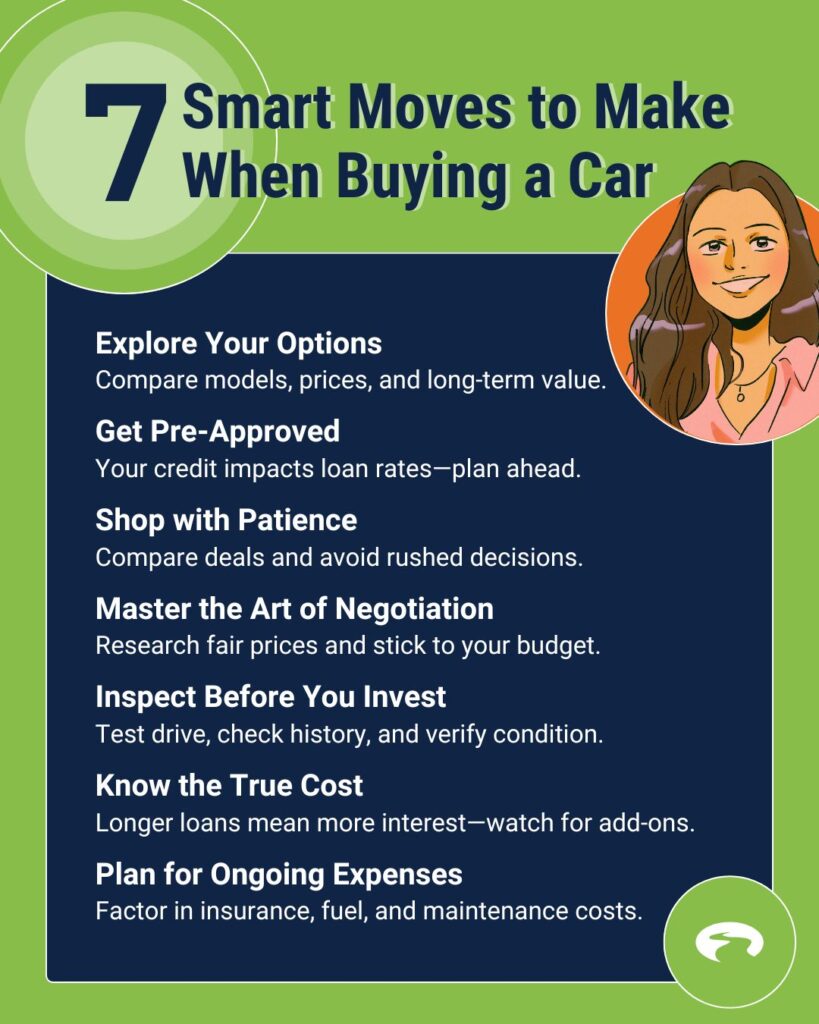
Before stepping onto a dealership lot or browsing online marketplaces, you must establish a clear financial perimeter. Most consumers make the mistake of shopping for a car based on what they want rather than what their balance sheet permits. A professional approach to car buying begins with a rigid budgeting framework.
The 20/4/10 Rule of Thumb
Financial advisors often recommend the “20/4/10” rule to ensure a vehicle does not overwhelm a household budget. This rule dictates that you should:
- Put at least 20% down: This provides immediate equity in the vehicle, protecting you from becoming “underwater” (owing more than the car is worth) the moment you drive off the lot.
- Finance for no more than 4 years (48 months): Longer loan terms (60, 72, or even 84 months) may lower monthly payments, but they drastically increase the total interest paid and keep you in a cycle of debt.
- Keep total automotive costs under 10% of gross income: This 10% should include not just the loan payment, but also insurance, fuel, and maintenance.
Adhering to these parameters ensures that your car serves as a tool for mobility rather than a weight on your financial future.
The Power of Pre-Approved Financing
One of the most significant mistakes buyers make is walking into a dealership without a financing offer already in hand. When you rely on dealer financing, you are essentially allowing the dealership to act as a middleman between you and a bank. They often “mark up” the interest rate, pocketing the difference as profit.
By visiting a credit union or local bank and securing a pre-approval letter, you establish a “ceiling” for your interest rate. This gives you immense leverage. You can tell the dealer, “I have 5.5% from my bank. If you can beat that by 0.5%, I’ll finance with you.” This turns the financing stage into a competitive bidding environment where you are the beneficiary.
Deciphering the Total Cost of Ownership (TCO)
The “sticker price” of a car is a deceptive figure. To make a sound financial decision, you must look beyond the purchase price and calculate the Total Cost of Ownership (TCO) over a five-year horizon. A car that is $5,000 cheaper today might end up costing $10,000 more over five years due to fuel inefficiency, high insurance premiums, and rapid depreciation.
Depreciation: The Silent Wealth Eroder
Depreciation is the single largest expense in car ownership, yet it is often ignored because it isn’t an “out-of-pocket” monthly cost. On average, a new car loses about 20% of its value in the first year and roughly 60% of its value after five years.
From a money-management perspective, the smartest financial move is often to buy a “certified pre-owned” (CPO) vehicle that is 2–3 years old. By doing this, you allow the first owner to absorb the steepest part of the depreciation curve. You receive a vehicle that is still under warranty and mechanically sound, but at a 30-40% discount from its original price.
Insurance, Maintenance, and Opportunity Cost
Different vehicles carry vastly different risk profiles for insurance companies. A high-performance luxury sedan will command a significantly higher premium than a standard crossover, even if their market values are similar. Before finalizing a purchase, call your insurance provider with the VIN (Vehicle Identification Number) to get an exact quote.
Furthermore, consider the “opportunity cost” of your purchase. If you choose a $50,000 car over a $30,000 car, the $20,000 difference, if invested in a diversified index fund yielding 7% annually, would grow to nearly $28,000 over five years. Every dollar spent on a depreciating car is a dollar that isn’t working for your retirement or long-term wealth.
Strategic Negotiation and Deal Structure
Negotiation is where many buyers feel most vulnerable, but it is simply a math problem. Dealerships are designed to confuse the buyer by mixing multiple variables: the price of the new car, the trade-in value of your old car, the interest rate, and the monthly payment.
Focusing on the “Out-the-Door” Price
Salespeople are trained to ask, “What monthly payment are you looking for?” This is a trap. By focusing on the monthly payment, the dealer can stretch the loan term to 72 months to make an expensive car “fit” your budget while hiding the fact that you are paying thousands more in interest and a higher base price.
Always negotiate the “Out-the-Door” (OTD) price first. The OTD price includes the sales price, taxes, registration fees, and any dealer fees. This is the only number that truly matters. Once you have agreed on an OTD price in writing, only then should you discuss financing or your trade-in. Treat these as three separate transactions:
- The purchase of the new vehicle.
- The sale of your old vehicle.
- The financing of the balance.
Navigating the F&I Office
The real profit for a dealership often happens in the Finance and Insurance (F&I) office after you’ve agreed on the price. Here, you will be offered extended warranties, gap insurance, paint protection, and tire-and-wheel packages.
From a financial standpoint, most of these add-ons are high-margin products that offer poor value to the consumer. For example, Gap Insurance (which covers the difference between what you owe and what the car is worth if it’s totaled) is often sold for $800 at a dealer but can be added to your existing auto insurance policy for a few dollars a month. Be prepared to say “no” to these ancillary products unless they offer a specific, quantifiable benefit to your situation.
Financing vs. Leasing: A Mathematical Approach
The decision to lease or buy is frequently debated, but it usually comes down to your cash flow needs and how long you intend to keep the vehicle.
When Leasing Makes Financial Sense
Leasing is essentially paying for the depreciation of a vehicle over a fixed term (usually 36 months). It can be a viable financial strategy if:
- You own a business and can use the lease as a tax deduction.
- You value predictable monthly costs and always want a car under warranty.
- You do not drive more than 10,000–12,000 miles per year.
However, from a pure net-worth perspective, leasing is the most expensive way to operate a vehicle because you are always paying for the “steepest” years of depreciation and never build equity.
The Long-Term Benefits of Ownership
The most effective way to minimize the cost of a car is to buy it (ideally used) and drive it until it is no longer cost-effective to repair. Once the loan is paid off, the “payment” you were making should be redirected into an investment account or a “sinking fund” for your next vehicle.
Owning a car for 10 years instead of 3 allows you to experience several years of “payment-free” driving. During these years, your cost of transportation drops to its absolute minimum, allowing you to accelerate your other financial goals, such as retirement savings or paying down a mortgage.
Conclusion: Turning a Purchase into a Plan
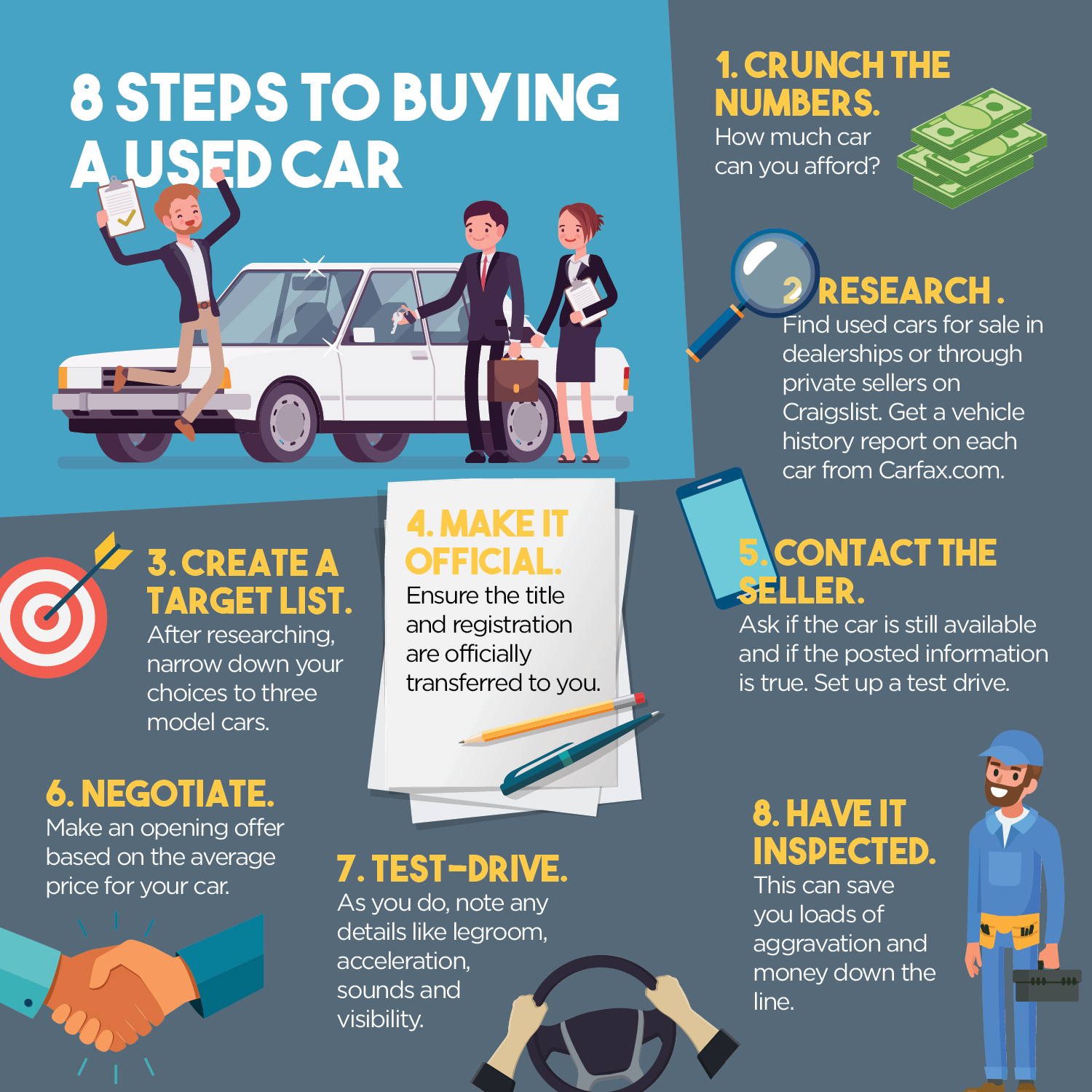
Buying a car is a significant financial event that requires more than just an aesthetic preference. It requires a deep understanding of interest rates, depreciation curves, and negotiation tactics. By applying the 20/4/10 rule, securing pre-approved financing, and focusing on the total cost of ownership rather than the monthly payment, you transform a potentially stressful expenditure into a controlled financial move.
The most successful car buyers are those who remain clinical and data-driven. Remember that the car is a tool meant to provide utility. By managing the “Money” aspect of the purchase with precision, you ensure that your vehicle supports your lifestyle without compromising your long-term financial independence.
aViewFromTheCave is a participant in the Amazon Services LLC Associates Program, an affiliate advertising program designed to provide a means for sites to earn advertising fees by advertising and linking to Amazon.com. Amazon, the Amazon logo, AmazonSupply, and the AmazonSupply logo are trademarks of Amazon.com, Inc. or its affiliates. As an Amazon Associate we earn affiliate commissions from qualifying purchases.