
The allure of global exploration is undeniable, yet for many, the dream of discovering far-flung destinations often collides with the formidable reality of flight costs. High airfares can transform an exciting travel plan into a daunting financial burden, pushing coveted experiences further out of reach. However, the pursuit of affordable travel is not merely a game of luck; it is a strategic endeavor rooted deeply in sound financial principles and astute decision-making. This guide aims to demystify the process, offering a robust financial framework and actionable strategies to significantly reduce your airfare expenses, empowering you to traverse continents without depleting your savings. By embracing a proactive and financially informed approach, “anywhere” becomes a tangible possibility rather than a distant fantasy.

Mastering the Art of Flight Search: Strategic Financial Planning
Finding cheap flights begins with adopting a financially intelligent mindset, treating flight searching not as a passive browse but as an active financial optimization task. This involves leveraging flexibility, utilizing powerful comparison tools, and understanding market dynamics to secure the best possible value for your travel investment.
Flexibility is Your Financial Superpower
One of the most potent weapons in your arsenal for securing cheaper flights is flexibility. Rigid travel plans often come with a premium, as airlines capitalize on fixed demand. Financially savvy travelers understand that being adaptable can unlock significant savings.
- Dates and Seasons: The financial impact of flying during peak seasons (holidays, summer months, major events) versus off-peak times can be staggering. Airlines employ dynamic pricing models that inflate fares when demand is high. Shifting your travel by just a few weeks or even days can lead to substantial financial benefits. Consider traveling during the shoulder seasons (spring or fall in many regions) when the weather is still pleasant, but tourist crowds and prices have receded.
- Days of the Week: Historically, Tuesdays, Wednesdays, and Saturdays have been identified as potentially cheaper days to fly, while Fridays and Sundays often command higher prices due to business and weekend leisure travel demand. While this isn’t a hard-and-fast rule, having the flexibility to depart or return mid-week can lead to noticeable cost reductions, representing a direct financial saving on your ticket.
- Time of Day: Early morning or late-night flights, often less convenient, frequently come with lower price tags. The financial trade-off for an odd-hour departure can be a significant discount, especially on popular routes.
- Destination Agility: If your primary goal is to travel and experience something new, rather than visit a specific location, being open to various destinations can be incredibly financially rewarding. Tools like Google Flights “Explore” feature or Skyscanner “Everywhere” search allow you to input your departure airport and see the cheapest places you can fly to, empowering you to discover unexpected budget-friendly adventures.
The Power of Price Comparison Tools: From a Financial Lens
In today’s digital age, a multitude of online travel agencies (OTAs) and metasearch engines exist to assist in finding flights. However, a financially astute traveler understands how to leverage these tools strategically to ensure maximum savings. These platforms aggregate data from hundreds of airlines and travel sites, presenting a comparative overview of prices, which is crucial for making an informed financial decision.
- Metasearch Engines (Skyscanner, Google Flights, Kayak, Momondo): These tools do not sell tickets directly but scour the web for deals, redirecting you to the airline or OTA that offers the lowest price. They are invaluable for gaining a comprehensive market view. Always check a few different platforms, as their algorithms and partnerships can result in slight price discrepancies.
- Direct Airline Websites: After identifying a promising fare via a comparison tool, always cross-reference the price on the airline’s official website. Sometimes, airlines offer exclusive deals or slightly lower prices directly, or you might find better terms regarding baggage or seat selection. This direct comparison ensures you’re not missing out on potential financial advantages.
- Incognito Mode & VPNs: A controversial but often recommended tactic is to search for flights in your browser’s incognito or private browsing mode. Some argue that websites use cookies to track your searches and potentially inflate prices if they detect repeated interest in a particular route. While not definitively proven, clearing cookies or using incognito mode can’t hurt and might protect you from potential dynamic pricing hikes based on your browsing history. For even more aggressive price scouting, some travelers experiment with VPNs to search from different geographical locations, as flight prices can sometimes vary by country of purchase, though this strategy requires more technical savvy.
Leveraging Fare Alerts and Price Prediction
The flight market is highly volatile, with prices fluctuating multiple times a day. To capitalize on optimal buying moments, leveraging technology for price tracking is a key financial strategy.
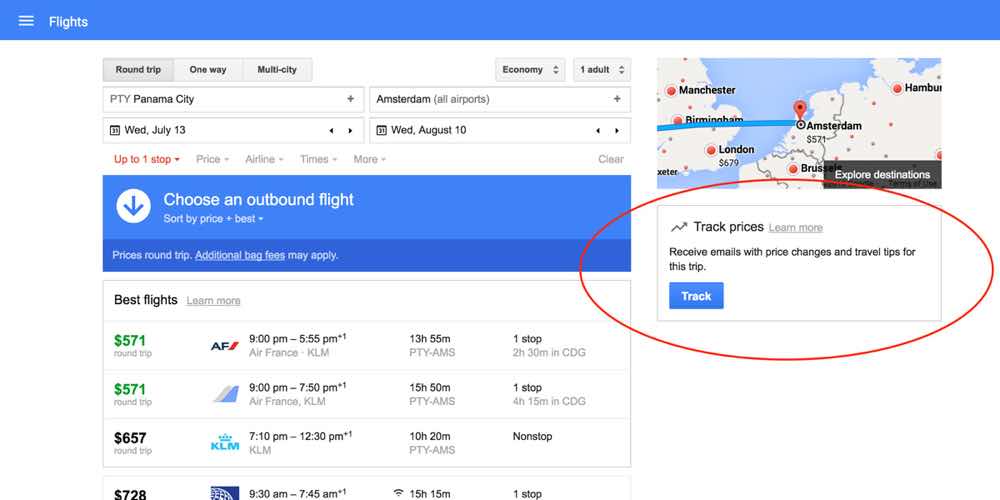
- Fare Alerts: Most major flight search engines (Google Flights, Kayak, Skyscanner) offer the option to set up price alerts for specific routes and dates. You’ll receive email notifications when the price changes, allowing you to monitor fluctuations without constant manual checking. This passive monitoring ensures you’re immediately aware when a financially advantageous price drop occurs, enabling quick action.
- Price Prediction Tools (Hopper): Apps like Hopper go a step further by using historical data and predictive analytics to advise you whether to “buy now” or “wait for a price drop.” While not foolproof, these tools provide an educated financial guess, offering insights into market trends and potential future price movements, thus helping you make a more informed purchasing decision. Trusting these predictions can lead to significant financial savings if timed correctly.
Unconventional Financial Strategies for Airfare Savings
Beyond the fundamental search techniques, a suite of less conventional but highly effective financial strategies can further reduce your flight expenditures, turning what might seem like minor adjustments into substantial savings.
Exploring Alternative Airports and Routes
Often, the most direct path isn’t the most financially prudent one. Savvy travelers look beyond the obvious to uncover hidden savings.
- Smaller or Secondary Airports: Major international airports often charge higher landing fees, which airlines pass on to passengers. Many large cities have smaller, secondary airports that service budget airlines or offer competitive rates. For example, flying into London Stansted or Luton instead of Heathrow might save you a considerable sum, even after factoring in the cost and time of ground transportation to the city center. Always perform a cost-benefit analysis to determine the true financial advantage.
- Connecting Flights and Layovers: Direct flights are convenient but almost always more expensive. Opting for flights with one or more layovers can significantly reduce the ticket price. While it adds travel time, the financial saving can be substantial. For routes without a direct option, consider “self-connecting” – booking two separate tickets on different airlines to construct a cheaper route. This strategy requires careful planning, as missed connections due to delays are not the responsibility of either airline, potentially leading to additional financial outlay. However, with sufficient layover time, it’s a powerful money-saving tactic.
The Myth of the “Best Day to Book”: A Data-Driven Financial Perspective
You’ve likely heard various adages about the “best day” or “best time” to book flights – Tuesday afternoons, 60 days out, etc. While there might be some historical correlation, relying on a single magical moment is a simplistic and often misleading financial approach.
- Dynamic Pricing Realities: Airline pricing is driven by complex algorithms that factor in demand, capacity, competitor pricing, fuel costs, and even current events. These algorithms are constantly updating. Therefore, a fixed “best day” is a myth.
- The “Goldilocks Zone” for Booking: Instead of a specific day, think about a “goldilocks zone” – a window of time where prices are typically most favorable. For international flights, this is often 2-5 months in advance, and for domestic flights, 1-3 months out. Booking too early means airlines haven’t started discounting, and booking too late means most cheaper seats are gone. Deviations from this window usually imply a higher financial cost.
- React to Price Drops, Not Fixed Days: A more financially robust strategy is to set fare alerts and be prepared to book when a good price appears, regardless of the day of the week. The market is too fluid to depend on fixed booking schedules; instead, focus on reacting quickly to favorable financial conditions.
Strategic Use of Budget Airlines
Budget airlines have revolutionized travel by offering incredibly low base fares. However, navigating them requires a shrewd financial eye to avoid unexpected costs.
- Understanding the Business Model: Budget airlines strip down the fare to its absolute minimum. Everything else – checked baggage, carry-on bags (beyond a small personal item), seat selection, in-flight meals, priority boarding – is an “add-on” fee.
- Calculate the True Cost: Before booking a budget airline ticket, meticulously calculate the total cost, including all necessary add-ons. Sometimes, a full-service airline’s slightly higher base fare might end up being cheaper or comparable once all ancillary fees are accounted for. This holistic financial analysis prevents sticker shock and ensures genuine savings.
- Pack Light and Smart: To truly benefit from budget airlines, embrace minimalist packing. Adhering strictly to their often-stringent baggage policies avoids costly last-minute fees at the airport gate, which can quickly negate any initial savings.
Advanced Financial Tactics for Frequent Fliers and Savvy Savers
For those who travel frequently or are keen to maximize every possible financial advantage, a more sophisticated set of strategies can turn travel into a significant asset rather than just an expense.
Maximizing Travel Rewards and Credit Card Benefits
Leveraging financial products designed for travelers can unlock free or heavily discounted flights.
- Travel Credit Cards: Many credit cards offer substantial sign-up bonuses in points or miles, often enough for one or more free flights after meeting a minimum spending requirement. Beyond bonuses, these cards typically offer accelerated earnings on travel-related purchases, travel insurance benefits, and sometimes even free checked bags, seat upgrades, or airport lounge access. A careful selection of travel credit cards, aligned with your spending habits and travel goals, can yield immense financial returns in terms of free flights and enhanced travel experiences.
- Airline Loyalty Programs: Even if you don’t fly frequently enough to earn elite status, signing up for every airline’s loyalty program is a no-brainer. Every flight earns miles, which accumulate over time and can eventually be redeemed for award travel. These programs cost nothing to join and represent a direct financial benefit from your travel.
- Strategic Redemption: Understanding how to redeem points and miles effectively is key. Sometimes, transferring points to partner airlines can yield better value than redeeming directly. Look for “sweet spots” in award charts or promotional redemption offers to maximize the financial power of your accumulated rewards.
The Art of Error Fares and Price Glitches
Occasionally, airlines make mistakes. These “error fares” or “price glitches” are highly coveted by savvy travelers.
- What Are They? Error fares are typically caused by human error (e.g., misplacing a decimal point), currency conversion mistakes, or technical glitches in online booking systems, resulting in ridiculously cheap flights.
- How to Find Them: These deals are fleeting and require vigilance. Subscribe to specialized deal alerts (e.g., Scott’s Cheap Flights, Secret Flying, FareDealAlerts) that actively hunt for these anomalies. Following certain travel hacking blogs and forums can also provide real-time updates.
- Act Fast and Be Prepared: When an error fare appears, you must book immediately, as airlines typically correct them within hours. Be prepared for the possibility that the airline might cancel the ticket, though generally, if the booking is confirmed and ticketed, they are legally obligated to honor it. While rare, successfully snagging an error fare represents an extraordinary financial windfall for travel.
Bundling vs. Unbundling: A Cost-Benefit Analysis
When planning a trip, the decision to book flights and accommodation separately or as a package can have significant financial implications.
- Package Deals: Sometimes, online travel agencies (OTAs) or tour operators can offer attractive flight+hotel packages that are cheaper than booking each component individually. This is because they often secure wholesale rates or have exclusive agreements with hotels and airlines. It’s particularly common for popular vacation destinations.
- Unbundling for Flexibility and Specificity: However, for travelers with very specific accommodation preferences, or those who prefer boutique hotels or Airbnb, unbundling offers greater flexibility and control over costs. Booking flights and accommodation separately allows you to optimize each component for price and suitability.
- The Hybrid Approach: A financially prudent strategy involves checking both options. Compare the total cost of a reputable package deal against the sum of the cheapest flight and your preferred accommodation when booked individually. This dual analysis ensures you choose the option that provides the best financial value for your specific travel needs.
Long-Term Financial Planning for Sustainable Travel
Finding cheap flights isn’t just about tactical booking; it’s also about embedding travel into your broader financial landscape, ensuring that your adventures are sustainable and align with your financial goals.
Building a Dedicated Travel Savings Fund
Consistent financial planning is the bedrock of stress-free travel. Rather than scrambling to find funds last minute, a dedicated travel savings fund ensures readiness.
- Automated Savings: Set up an automatic transfer from your checking account to a separate savings account specifically for travel. Even small, regular contributions accumulate significantly over time. Treat this savings goal with the same discipline as any other financial priority, like retirement or a down payment.
- Budgeting for Travel: Integrate travel into your overall household budget. Allocate a specific percentage of discretionary income towards travel, ensuring that your pursuit of exploration is a planned expense, not an impulse purchase that derails other financial commitments. This proactive approach minimizes financial strain and allows for more ambitious travel planning.
Understanding the True Cost of Travel (Beyond Airfare)
While cheap flights are a fantastic starting point, a truly financially intelligent traveler considers the entire scope of travel expenses.
- Holistic Budgeting: A flight is merely the gateway. Remember to budget for accommodation, local transportation (taxis, public transport, car rental), food and dining, activities and excursions, travel insurance, visas, and even incidental spending.
- Unexpected Expenses: Always allocate a contingency fund for unexpected costs, such as medical emergencies, lost luggage, or unforeseen itinerary changes. A financially robust travel plan includes a buffer to absorb these potential setbacks without derailing your entire budget.

Continuous Learning and Adaptability in a Dynamic Market
The travel industry is constantly evolving. New airlines emerge, pricing algorithms change, and innovative tools are introduced.
- Stay Informed: Regularly read travel blogs, subscribe to deal newsletters, and follow industry news. Staying abreast of the latest trends and tools will give you a competitive edge in finding the best deals.
- Embrace New Technologies: Be open to experimenting with new apps and platforms that promise to simplify or cheapen travel. From AI-powered itinerary planners to innovative flight comparison tools, technology can be a powerful ally in your financial quest for cheap flights.
- Review and Adjust: After each trip, review your spending and the effectiveness of your flight-finding strategies. What worked well? What could be improved? This iterative process of learning and adapting ensures that your financial strategies for securing cheap flights continuously improve, making every subsequent journey more cost-effective.
In conclusion, the quest for cheap flights to anywhere is fundamentally a financial journey. It demands strategic planning, diligent research, and a willingness to embrace flexibility and innovative tools. By treating airfare procurement as a significant component of your personal finance strategy—leveraging comparison engines, understanding dynamic pricing, exploring alternative routes, and capitalizing on rewards programs—you transform the daunting task of finding affordable flights into a manageable and even enjoyable pursuit. With these financial strategies firmly in hand, the world truly becomes your oyster, accessible and affordable, one smartly booked flight at a time.
aViewFromTheCave is a participant in the Amazon Services LLC Associates Program, an affiliate advertising program designed to provide a means for sites to earn advertising fees by advertising and linking to Amazon.com. Amazon, the Amazon logo, AmazonSupply, and the AmazonSupply logo are trademarks of Amazon.com, Inc. or its affiliates. As an Amazon Associate we earn affiliate commissions from qualifying purchases.