
In an increasingly interconnected world, the allure of travel remains potent, promising adventure, cultural immersion, and cherished memories. However, for many, the financial hurdle of airfare often seems like an insurmountable barrier. The quest for cheaper flights isn’t merely about finding a good deal; it’s a fundamental exercise in personal finance, demanding strategic planning, astute use of digital tools, and a deep understanding of market dynamics. Mastering the art of securing affordable air travel is a valuable skill that can significantly expand your travel horizons without depleting your savings. This guide delves into the multi-faceted strategies and financial wisdom required to consistently find and book cheaper flights, transforming aspiration into accessible reality.

Strategic Planning: The Foundation of Flight Savings
Effective financial management for travel begins long before you even search for a ticket. A well-thought-out strategy, underpinned by flexibility and market awareness, is the bedrock upon which significant savings are built.
Flexibility is Your Financial Friend
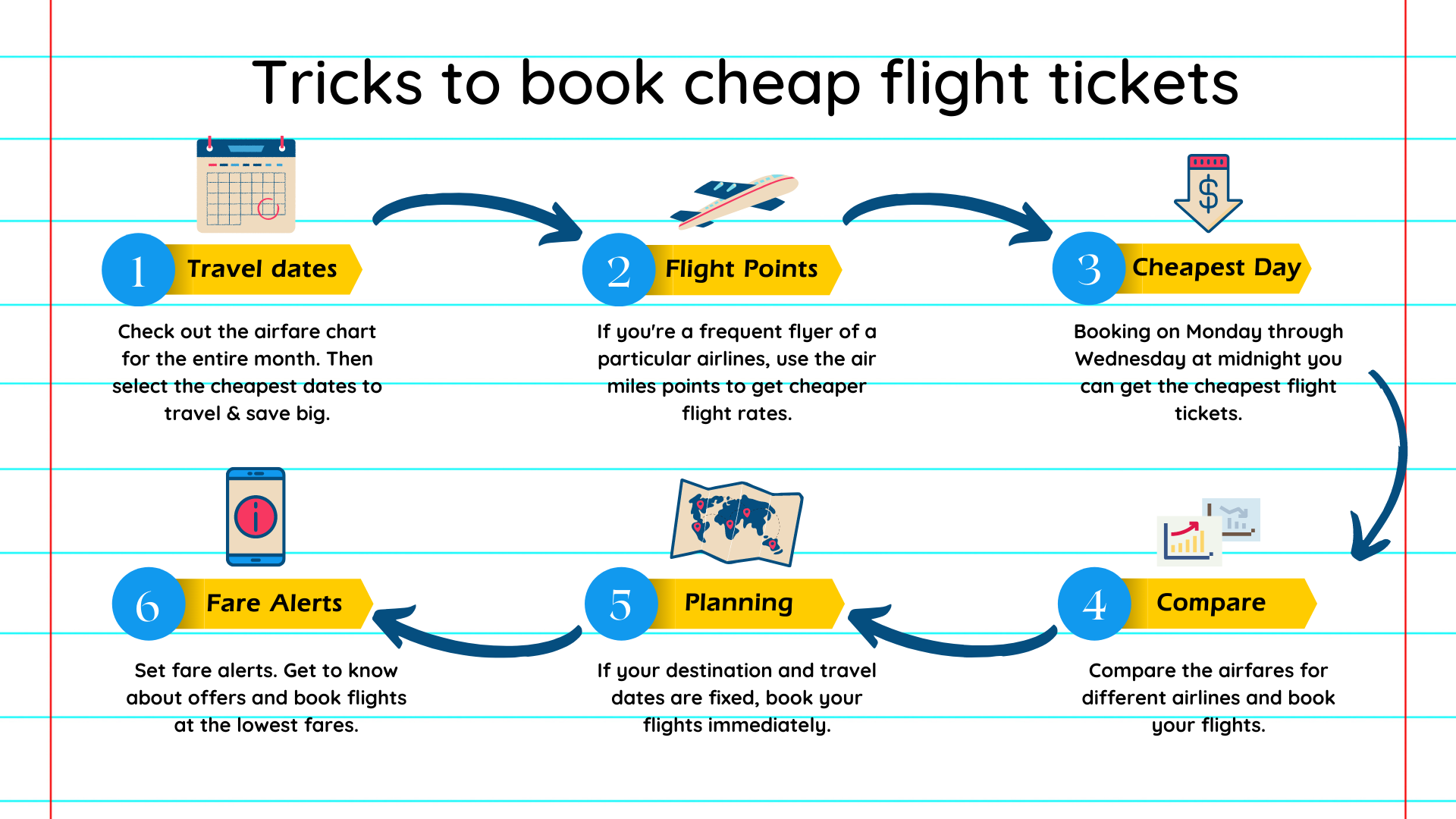
The most powerful tool in your arsenal for securing cheaper flights is flexibility – in both dates and destinations. Airlines operate on dynamic pricing models, where demand dictates cost. Flying during off-peak seasons (e.g., late autumn, early spring outside of holidays), mid-week (Tuesday to Thursday), or red-eye flights can yield substantial savings. Shifting your departure or return by just a day or two can sometimes alter a fare by hundreds of dollars. Furthermore, being open to different destinations can unlock incredible value. Instead of fixating on one city, use “everywhere” search functions on comparison sites to discover the cheapest places to fly during your preferred travel window. This adaptability transforms travel from a fixed expense into a variable opportunity, aligning with a smart budgeting approach that prioritizes value over rigid adherence.
The Art of Advance Booking vs. Last-Minute Deals
The conventional wisdom often advises booking far in advance, and while this holds true for peak seasons or highly sought-after routes, it’s not a universal rule. The “sweet spot” for booking international flights is generally 2-8 months out, while domestic flights might be 1-3 months. Booking too early can mean you miss out on sales, and booking too late often results in inflated prices. However, there can be exceptions for genuine last-minute deals, though these are typically more unpredictable and carry a higher risk of limited options or higher prices. A balanced approach involves monitoring prices within the optimal booking window and being prepared to act when a financially attractive fare appears, integrating market observation into your personal finance discipline.
Understanding Fare Seasons and Events
Travel pricing is heavily influenced by seasonal demand and major events. Summer holidays, Christmas, New Year’s, Spring Break, and major festivals or sporting events inevitably drive up airfare costs. Savvy travelers, mindful of their budget, meticulously plan around these periods. If travel during a peak season is unavoidable, the strategy shifts to booking at the earliest possible moment within the optimal window. Conversely, targeting shoulder seasons (the periods just before or after peak season) or true off-peak times can dramatically reduce expenses, allowing for a more cost-effective allocation of travel funds. Awareness of these cyclical patterns is crucial for any financially conscious traveler.
Leveraging Digital Tools and Platforms for Financial Advantage
The digital age has revolutionized the way we search and book flights, providing an array of tools that, when used strategically, can translate into significant financial savings. These platforms act as vital financial instruments for discerning travelers.
Mastering Flight Comparison Sites
Flight comparison websites like Google Flights, Skyscanner, Kayak, and Momondo are indispensable. They aggregate data from countless airlines and online travel agencies (OTAs), presenting a comprehensive overview of available fares. However, simply using them isn’t enough; mastering them is key. Utilize their advanced filters to refine searches by price range, number of stops, specific airlines, and even departure/arrival times to align with your financial preferences. Always cross-reference prices across several different aggregators, and then visit the airline’s direct website to compare. Sometimes, direct bookings offer exclusive deals or better cancellation policies, ensuring you’re always securing the best possible financial outcome.
Price Alerts and Tracking: Your Automated Savings Assistant
One of the most powerful features offered by these platforms is the ability to set up price alerts. Once you’ve identified a desired route and date range, you can instruct the system to notify you when the price drops or fluctuates. This eliminates the need for constant manual checking and ensures you don’t miss out on a fleeting deal. Think of it as an automated financial assistant working in the background, continuously monitoring the market for opportunities to save you money. Services like Google Flights’ price tracking or Scott’s Cheap Flights (now Going) go a step further, identifying error fares and exceptional deals, providing a curated financial advantage to their subscribers.
The VPN Advantage and Incognito Mode
While controversial and not always effective, some travelers report success using Virtual Private Networks (VPNs) or simply browsing in incognito/private mode to find cheaper flights. The theory is that airlines and OTAs may track your browsing history and IP address, potentially showing higher prices on subsequent searches to create a sense of urgency. By using a VPN to change your virtual location or browsing incognito to prevent cookie tracking, you might occasionally bypass these dynamic pricing tactics. While not a guaranteed saving, it’s a low-effort experiment that aligns with a financially savvy approach to exploring all potential avenues for cost reduction.
Smart Booking Tactics: Maximizing Your Monetary Efficiency
Beyond strategic planning and digital tools, the actual booking process presents several opportunities to maximize your financial efficiency and reduce the final cost of your ticket. These are tactical financial maneuvers that can significantly impact your budget.
The Power of Connecting Flights and Layover Strategy
Direct flights are convenient, but they are almost invariably more expensive. Opting for flights with one or more layovers can significantly reduce the fare. This is a classic trade-off: time versus money. While a longer journey might involve a layover, the financial savings can be substantial, making it a compelling option for budget-conscious travelers. Furthermore, consider a “self-connecting” strategy (booking separate tickets for different legs of your journey on different airlines), though this comes with increased risk if delays occur and you miss a connection. Always weigh the potential financial savings against the inconvenience and risk.
Exploring Different Airports (and Airlines)
Many major cities are served by multiple airports. Flying into or out of a smaller, secondary airport (e.g., London Gatwick instead of Heathrow, or Chicago Midway instead of O’Hare) can often be significantly cheaper, even after factoring in ground transportation costs. Similarly, don’t limit your search to major flag carriers. Budget airlines (like Ryanair, EasyJet, Southwest, Spirit) often offer rock-bottom fares, though it’s crucial to understand their fee structures for baggage, seat selection, and other extras to accurately assess the total cost. A comprehensive financial comparison is essential before committing.
Understanding Ancillary Fees and Baggage Strategies
Budget airlines are notorious for their low base fares, which can quickly escalate with ancillary fees. Checked baggage, seat selection, in-flight meals, and even printing your boarding pass can add up. To counter this, master the art of packing light and traveling with only a carry-on that adheres to airline size and weight restrictions. If a checked bag is essential, sometimes it’s cheaper to pay for it online in advance rather than at the airport. Factor all potential fees into your total cost calculation to avoid budget surprises and make a truly informed financial decision.
Loyalty Programs and Credit Cards: Financial Instruments for Frequent Flyers
For those who travel regularly, leveraging loyalty programs and travel rewards credit cards can transform travel expenses into valuable assets, offering a sophisticated layer of financial savings.
Maximizing Frequent Flyer Miles and Points
Joining frequent flyer programs for airlines you use regularly is a no-brainer. Even if you don’t fly one airline exclusively, accumulating miles can lead to free flights, upgrades, or discounts. Look for opportunities to earn miles through partner airlines, hotel stays, car rentals, or even everyday purchases through airline shopping portals. Strategic redemption is key: sometimes, using miles for upgrades provides better value than for a free economy ticket, making your travel funds go further. Treat your miles as a form of currency, managing them wisely to maximize their financial return.
Travel Rewards Credit Cards: Strategic Spending for Savings
Travel rewards credit cards are powerful financial tools for accruing miles, points, or cash back that can be redeemed for flights. Many cards offer substantial sign-up bonuses after meeting a minimum spending requirement, often enough for a free domestic or even international flight. Beyond bonuses, these cards often provide benefits like free checked bags, lounge access, travel insurance, and accelerated earning rates on travel or specific spending categories. However, responsible credit card use is paramount. Only use these cards if you can pay your balance in full each month to avoid interest charges that would negate any travel benefits. They are a financial instrument to be wielded with discipline and awareness.
Leveraging Bundles and Packages (When It Makes Financial Sense)
While often advised against for maximum flexibility, sometimes booking flight-and-hotel packages through online travel agencies can offer significant savings. This is particularly true for destination packages where OTAs have negotiated bulk rates. Before committing, always compare the package price against booking each component separately. Do the math to ensure you are indeed getting a better deal. This strategy requires careful financial analysis to determine if the convenience and potential savings outweigh the loss of individual control over each booking element.
Beyond the Flight Ticket: A Holistic Financial Approach to Travel
Securing a cheap flight is a fantastic achievement, but it’s just one component of a broader financial strategy for travel. A holistic view ensures your entire journey is cost-effective.
Budgeting for the Entire Journey
A truly financially savvy traveler budgets for more than just the flight. Accommodation, local transportation, food, activities, travel insurance, and incidental expenses all contribute to the total cost. Creating a comprehensive travel budget ensures that the savings you achieve on flights aren’t immediately absorbed by other overlooked expenditures. It’s about managing your overall financial outlay for the entire experience.
Travel Insurance: A Financial Safeguard
While it adds to the upfront cost, travel insurance is a crucial financial safeguard. It protects against unforeseen circumstances such as flight cancellations, lost baggage, medical emergencies abroad, or trip interruptions. The modest investment in insurance can prevent potentially catastrophic financial losses, aligning with sound personal finance principles of risk management and protection.
Continuous Learning and Adaptation
The airline industry and its pricing models are constantly evolving. What works today might be less effective tomorrow. Staying informed about new airline routes, emerging budget carriers, changes in loyalty programs, and new digital tools is crucial for long-term financial success in booking cheaper flights. Treat it as an ongoing learning process, continuously adapting your strategies to maximize your monetary efficiency and keep your travel dreams alive and affordable.

Conclusion
The pursuit of cheaper flights is a sophisticated exercise in personal finance, combining meticulous planning, smart utilization of digital resources, and a disciplined approach to spending. By embracing flexibility, leveraging comparison tools, understanding fare dynamics, and strategically employing loyalty programs and credit cards, travelers can significantly reduce their airfare expenses. This isn’t just about finding a good deal; it’s about empowering yourself with the financial acumen to travel more often, more comfortably, and to more destinations, transforming the dream of global exploration into an accessible and sustainable reality. Prioritize these strategies, and the world truly becomes your oyster, reachable without breaking the bank.
aViewFromTheCave is a participant in the Amazon Services LLC Associates Program, an affiliate advertising program designed to provide a means for sites to earn advertising fees by advertising and linking to Amazon.com. Amazon, the Amazon logo, AmazonSupply, and the AmazonSupply logo are trademarks of Amazon.com, Inc. or its affiliates. As an Amazon Associate we earn affiliate commissions from qualifying purchases.