
In the complex and often sensitive world of pharmaceutical products, a brand name carries immense weight, encapsulating not just a chemical compound but a promise, a reputation, and a strategic position in the market. Qsymia stands as a prominent example within the burgeoning sector of prescription weight management. To ask “what is Qsymia” is not merely to inquire about its pharmacological composition or efficacy; it is to delve into the intricate layers of its brand identity, its strategic market placement, and the deliberate efforts to cultivate its image among healthcare professionals and patients alike. This article will explore Qsymia not as a purely medical entity, but as a carefully constructed and managed brand, dissecting its identity, market dynamics, and the strategic decisions that define its presence in the highly competitive arena of health and wellness.
The Brand Identity and Value Proposition of Qsymia
Every successful brand, especially in pharmaceuticals, crafts a distinct identity and a clear value proposition to resonate with its target audience. Qsymia, as a prescription medication approved for chronic weight management, is no exception. Its brand identity is meticulously designed to convey scientific credibility, patient-centric solutions, and a pathway to improved health outcomes.
Defining Qsymia: More Than Just a Medication
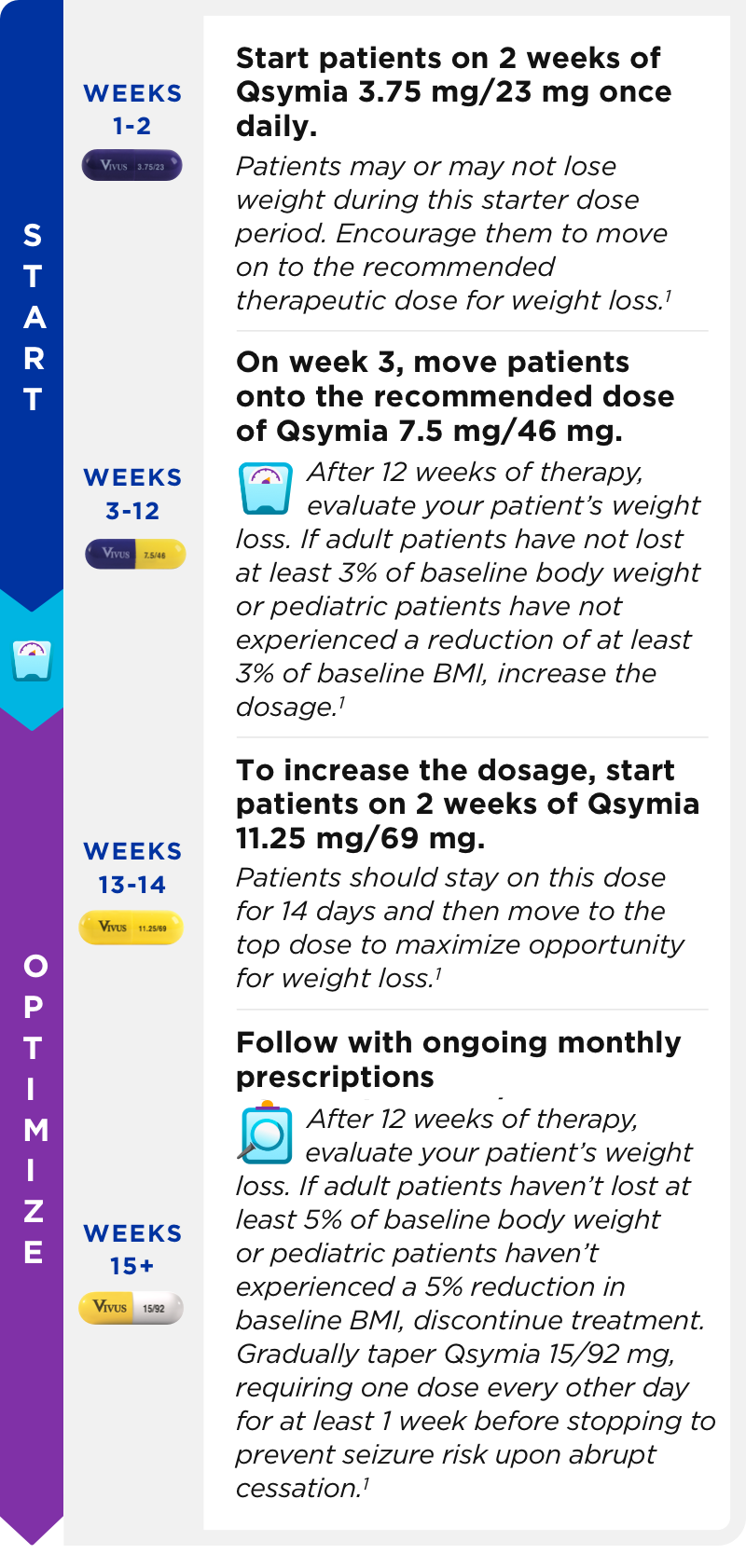
At its core, Qsymia is a brand representing a combination medication comprising phentermine (an appetite suppressant) and topiramate extended-release (an anticonvulsant that can reduce appetite and increase satiety). However, from a branding perspective, Qsymia transcends its chemical components. It is positioned as a sophisticated, FDA-approved therapeutic option for individuals struggling with obesity or overweight with at least one weight-related comorbidity (such as high blood pressure, type 2 diabetes, or high cholesterol). The brand aims to signify a credible, physician-prescribed intervention rather than a quick fix or a lifestyle fad. Its name, “Qsymia,” while derived from scientific roots, is crafted to sound modern, authoritative, and memorable within the medical lexicon. The visual identity, packaging, and accompanying educational materials all contribute to this perception of a professional and reliable health solution. The brand strives to build trust, offering a sense of hope and a structured approach for patients who have often faced long and frustrating battles with weight loss through diet and exercise alone.
Target Audience and Brand Messaging
The primary target audience for Qsymia’s brand messaging includes not only the end-users (patients) but, perhaps more critically, the prescribers (doctors, endocrinologists, bariatric specialists). For patients, the messaging often focuses on the potential for sustained weight loss, improved health markers, and an enhanced quality of life, all underpinned by clinical validation. The brand acknowledges the emotional and physical burden of excess weight, positioning Qsymia as a tool that can help individuals regain control and achieve meaningful progress.
For healthcare professionals, the brand messaging emphasizes scientific rigor, clinical trial data, safety profiles, and the mechanism of action. The brand needs to reassure prescribers about its efficacy and safety in various patient populations, highlighting its role as a valuable adjunct to lifestyle modifications. Educational campaigns, medical conference sponsorships, and detailed product information provided to physicians are key branding tools that reinforce Qsymia’s credibility and place it firmly within evidence-based medical practice. The subtle art of pharmaceutical branding lies in tailoring communication to these distinct but interconnected audiences, ensuring consistency in the core brand values while adapting the delivery to their specific needs and concerns.
Market Positioning and Competitive Landscape
The pharmaceutical market for weight management is dynamic, characterized by significant patient need, evolving scientific understanding, and intense competition. Qsymia’s brand positioning is critical to its sustained success in this environment.
Navigating a Highly Regulated and Competitive Sector
The journey of any pharmaceutical brand from development to market leadership is fraught with regulatory hurdles, scientific scrutiny, and ethical considerations. For Qsymia, gaining FDA approval was a monumental brand milestone, signifying safety and efficacy. However, the approval process itself shapes the brand’s early narrative, influencing how it is perceived by both the medical community and the public. Post-approval, Qsymia must continually navigate strict advertising regulations, ensuring its promotional claims are substantiated and not misleading. This regulatory environment inherently constrains creative marketing but simultaneously elevates the importance of factual, evidence-based branding.
Beyond regulation, Qsymia operates within a crowded competitive landscape. This includes other prescription weight-loss medications (e.g., Wegovy, Saxenda, Contrave, Xenical), bariatric surgery options, and an overwhelming array of over-the-counter supplements, diets, and lifestyle programs. Each competitor, whether a pharmaceutical giant or a niche wellness brand, vies for a share of patient and prescriber attention. Qsymia’s brand strategy must account for these alternatives, articulating a distinct reason for its existence and preference.
Differentiation and Unique Selling Proposition (USP)
To thrive amidst competition, Qsymia leverages its unique selling proposition (USP). Its combination of phentermine and topiramate in a single extended-release capsule provides a distinct pharmacological profile. This combination is often highlighted as offering a dual mechanism of action that addresses both appetite suppression and satiety, which can be a powerful differentiator. The brand emphasizes this synergy as a key benefit, suggesting a more comprehensive approach to weight management compared to single-agent therapies.
From a brand perspective, Qsymia also differentiates itself through specific clinical outcomes demonstrated in its trials, such as average percentage of weight loss and improvements in certain cardiometabolic parameters. This evidence-based differentiation allows the brand to speak to the practical needs of patients and the clinical objectives of healthcare providers. Furthermore, the convenience of a once-daily oral medication contributes to its brand appeal, simplifying the treatment regimen for patients compared to injectable alternatives. The brand narrative consistently reinforces these points, ensuring that its unique attributes are clearly communicated and understood by all stakeholders, thereby carving out a distinct niche in the weight management market.

The Brand Journey: From Development to Market Penetration
The life cycle of a pharmaceutical brand is a strategic journey that begins long before market launch and continues throughout its commercial existence. For Qsymia, this journey has involved meticulous development, rigorous testing, and a carefully orchestrated market introduction and ongoing engagement strategy.
Building Trust and Credibility Through Clinical Evidence
The bedrock of any pharmaceutical brand’s credibility is its scientific foundation. For Qsymia, the extensive clinical trial program, which meticulously evaluated its safety and efficacy, was instrumental in building this trust. Each phase of clinical development, culminating in regulatory approval, generated data that became central to the brand’s narrative. From a branding perspective, these trials provided the irrefutable evidence that underpins every claim made about Qsymia.
The publication of clinical results in peer-reviewed journals, presentations at medical conferences, and inclusion in professional guidelines are all vital aspects of brand building. These activities don’t just disseminate information; they confer authority and legitimacy upon the Qsymia brand. Healthcare professionals rely on this evidence to make informed prescribing decisions, and patients often seek out treatments supported by robust research. Therefore, the brand strategy for Qsymia heavily invested in translating complex scientific data into accessible, yet credible, messages that reinforce its status as a well-researched and clinically validated option. The brand’s commitment to ongoing research, real-world evidence, and post-market surveillance further strengthens this foundation of trust and reliability.
Marketing Strategies and Patient Engagement
Once approved, the challenge for Qsymia’s brand was to achieve broad market penetration and sustained adoption. This required a multi-faceted marketing strategy targeting both prescribers and patients. For healthcare professionals, the brand’s sales force plays a crucial role, providing detailed product information, clinical data, and support. Educational programs, webinars, and continuing medical education (CME) courses, often sponsored or developed by the brand, help integrate Qsymia into clinical practice. These efforts are not just about promotion; they are about educating the medical community on appropriate patient selection, dosing, and management of potential side effects, thereby fostering confidence in the brand.
For patients, brand awareness and engagement are achieved through direct-to-consumer (DTC) advertising where permitted, but more significantly through patient support programs and informational websites. The Qsymia brand offers resources that go beyond just medication, including diet and exercise advice, adherence support, and tools to track progress. These patient-centric initiatives aim to create a holistic experience, positioning Qsymia not just as a pill, but as a partner in the patient’s weight loss journey. The brand understands that successful outcomes are often a combination of medication and sustained lifestyle changes, and its engagement strategies reflect this comprehensive approach. Through these diverse marketing channels, Qsymia actively shapes its perception and establishes a meaningful connection with its stakeholders.
Challenges and Future Outlook for the Qsymia Brand
Like all brands, particularly in the healthcare sector, Qsymia faces ongoing challenges and must continually adapt to evolving market dynamics, scientific advancements, and societal perceptions. The brand’s long-term success hinges on its ability to navigate these complexities strategically.
Overcoming Stigma and Misinformation
Weight loss medications, including Qsymia, often contend with a degree of societal stigma. There can be a misconception that using medication for weight loss is a “shortcut” or a sign of personal failure, rather than a legitimate medical treatment for a complex chronic disease. This stigma can impede patient adoption and even influence prescriber comfort levels. The Qsymia brand must actively work to counteract these narratives by emphasizing obesity as a disease requiring medical intervention, similar to other chronic conditions like hypertension or diabetes. Brand messaging often highlights the scientific basis of obesity and the evidence-based role of medication in managing it.
Furthermore, the brand must contend with misinformation, particularly prevalent in the digital age, regarding the safety and efficacy of weight loss drugs. This necessitates a proactive communication strategy, ensuring accurate information is readily available through official channels, and empowering healthcare professionals to educate their patients effectively. The brand’s commitment to transparency and adherence to scientific facts is paramount in building and maintaining public trust in the face of skepticism and misinformation.
Adapting to Evolving Healthcare and Consumer Needs
The landscape of healthcare and consumer needs is constantly shifting. The rise of telehealth, digital health platforms, and personalized medicine presents both challenges and opportunities for the Qsymia brand. Integrating with digital health tools for patient monitoring, adherence tracking, and virtual support could enhance the brand’s value proposition and extend its reach. The brand must explore how it can seamlessly fit into increasingly integrated and technology-driven healthcare ecosystems.
Moreover, the competitive environment continues to evolve with the emergence of new medications, particularly GLP-1 receptor agonists, which have significantly impacted the weight management market. Qsymia’s brand strategy must adapt to this new reality, articulating its continued relevance, unique benefits, and potentially different positioning relative to these newer therapies. This might involve focusing on specific patient populations, cost-effectiveness, or ease of administration as key differentiators. The future success of the Qsymia brand will depend on its agility to innovate its offerings, refine its messaging, and continuously demonstrate its value in an ever-changing environment, ensuring it remains a trusted and viable option for chronic weight management.

Conclusion
To fully grasp “what is Qsymia” is to appreciate it as a meticulously crafted pharmaceutical brand operating within a crucial, yet challenging, healthcare sector. It is not just a drug, but a brand built on scientific evidence, strategic positioning, and a persistent effort to connect with both healthcare providers and patients. From its initial development through its journey in a highly regulated and competitive market, Qsymia has leveraged its unique formulation and clinical data to establish a distinct identity. The brand’s ongoing success hinges on its ability to overcome societal stigmas, combat misinformation, and adapt to the dynamic landscape of medical advancements and evolving patient needs. As the understanding of obesity as a chronic disease continues to grow, Qsymia’s brand will undoubtedly continue to evolve, striving to maintain its relevance and impact as a significant player in the pursuit of better health outcomes through responsible weight management.
aViewFromTheCave is a participant in the Amazon Services LLC Associates Program, an affiliate advertising program designed to provide a means for sites to earn advertising fees by advertising and linking to Amazon.com. Amazon, the Amazon logo, AmazonSupply, and the AmazonSupply logo are trademarks of Amazon.com, Inc. or its affiliates. As an Amazon Associate we earn affiliate commissions from qualifying purchases.