
For many individuals embarking on a weight loss journey, prescription medications like phentermine can be a valuable tool when used under medical supervision. However, the financial aspect, especially for those without health insurance, often presents a significant hurdle. Understanding the costs associated with phentermine, and how to manage them, is crucial for making informed health and financial decisions. This article delves into the various factors influencing phentermine prices, strategies for reducing out-of-pocket expenses, and the broader financial considerations when pursuing this path to weight management.
Understanding Phentermine and Its Role in Weight Management
Before diving into the financial implications, it’s essential to grasp what phentermine is, how it works, and its intended use. This context will help in understanding why it’s a prescribed medication and the importance of professional oversight, which also contributes to the overall cost.

What is Phentermine?
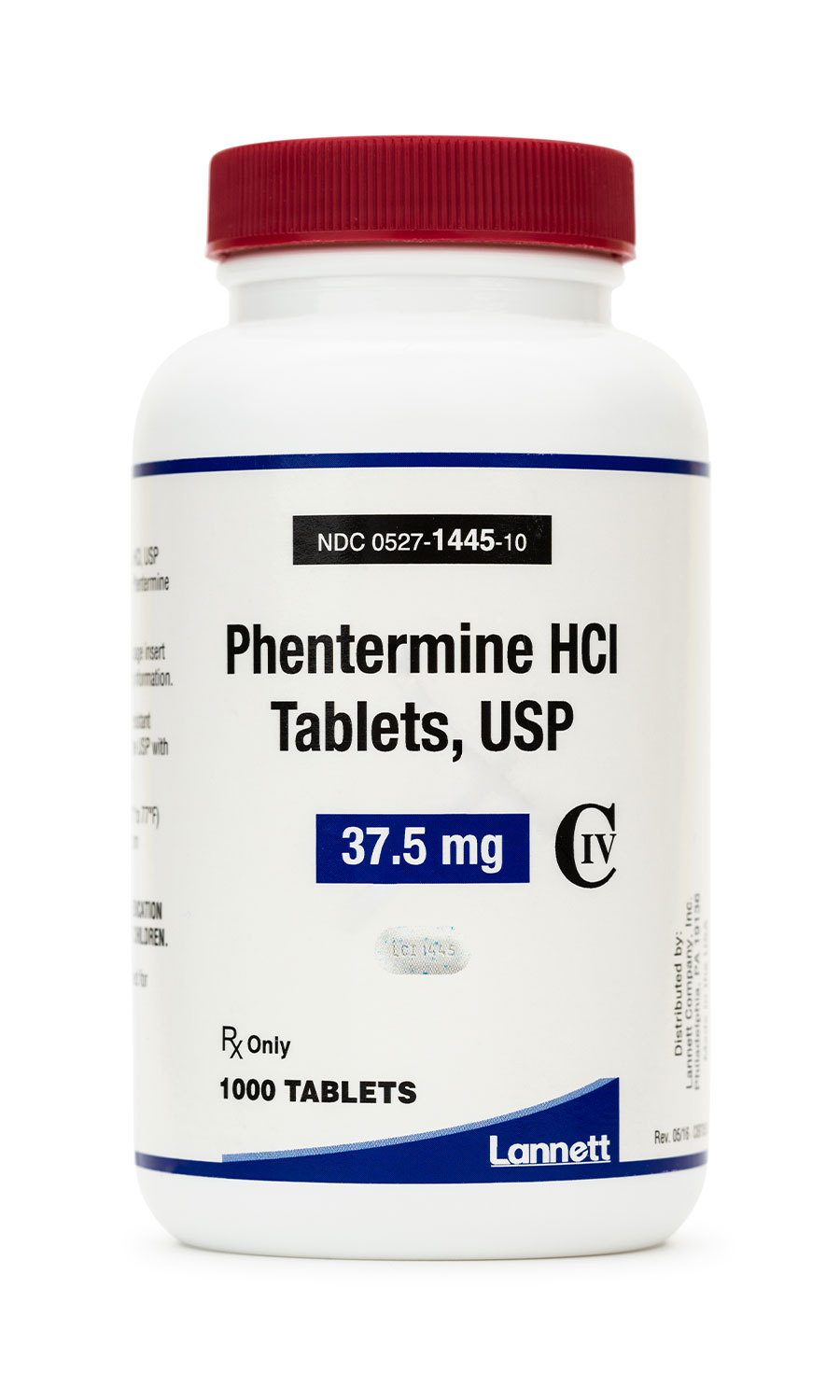
Phentermine is a prescription stimulant primarily used for short-term weight loss. It functions as an appetite suppressant, working on the central nervous system to decrease hunger and increase feelings of fullness. It belongs to a class of drugs called sympathomimetic amines and is often prescribed as part of a comprehensive weight management program that includes diet, exercise, and behavioral changes. The drug is typically available in various forms, including tablets and extended-release capsules, and in different dosages (e.g., 15mg, 30mg, 37.5mg). It is FDA-approved for use in individuals who are obese or overweight with at least one weight-related condition, such as high blood pressure, high cholesterol, or diabetes.
When is Phentermine Prescribed?
Phentermine is not a first-line treatment for weight loss and is generally reserved for individuals with a Body Mass Index (BMI) of 30 or greater (obese) or a BMI of 27 or greater (overweight) with significant weight-related comorbidities. A healthcare provider will thoroughly evaluate a patient’s medical history, current health status, and potential risks before prescribing phentermine. Its use is typically short-term, often for a few weeks, as its effectiveness tends to diminish over time, and there are risks associated with long-term use. The decision to prescribe phentermine is a complex medical one, emphasizing the need for ongoing medical supervision throughout the treatment period.
The Importance of a Doctor’s Prescription
Obtaining phentermine legally and safely requires a valid prescription from a licensed healthcare provider. This isn’t merely a bureaucratic step; it’s a critical safeguard for your health. A doctor ensures that phentermine is appropriate for your specific health profile, monitors for side effects, and adjusts treatment as necessary. Attempting to acquire phentermine without a prescription, often through unregulated online sources, carries significant risks, including receiving counterfeit or contaminated medication, incorrect dosages, and lacking medical guidance, which can lead to serious health complications and legal repercussions. This medical necessity directly impacts the financial aspect, as doctor visits and follow-ups are an integral part of the overall cost, even for those without insurance.
The Core Challenge: Phentermine Costs Without Insurance
The most pressing concern for many is the direct cost of the medication itself when they lack health insurance. Without the leverage of negotiated insurance rates, individuals face the full sticker price, which can vary significantly.
Factors Influencing Phentermine Prices
Several variables contribute to the final price you pay for phentermine without insurance:
- Dosage and Quantity: Higher dosages and larger quantities (e.g., a 30-day supply vs. a 7-day supply) will naturally cost more. The prescribing doctor will determine the appropriate dosage and duration.
- Pharmacy Location and Type: Prices can differ substantially between different pharmacies. Large chain pharmacies (e.g., CVS, Walgreens, Rite Aid), independent pharmacies, and big-box store pharmacies (e.g., Walmart, Costco) all have their own pricing structures. Even within the same chain, prices can vary by location.
- Brand vs. Generic: Phentermine is available as a generic drug (phentermine hydrochloride) and under various brand names (e.g., Adipex-P, Lomaira). Generic versions are almost always significantly cheaper than their brand-name counterparts due to competition and the absence of development and marketing costs borne by the original patent holder.
- Manufacturer: Different generic manufacturers may offer their versions at varying price points.
- Online vs. Brick-and-Mortar Pharmacies: While some online pharmacies might offer competitive pricing, it’s crucial to ensure they are legitimate, licensed, and require a valid prescription from a U.S. physician. Reputable online pharmacies generally won’t offer significantly lower prices than brick-and-mortar stores without some form of discount program.
Typical Price Ranges
Given the variables, providing an exact price is difficult, but we can offer a general range for phentermine without insurance. For a typical 30-day supply of generic phentermine (e.g., 37.5mg tablets), prices can range anywhere from $30 to $100 or more. Brand-name versions, such as Adipex-P, can easily cost $100 to $200 or even higher for the same supply.
It’s important to remember these are estimates. Factors like specific location, ongoing sales, or the use of discount cards can drastically alter these figures. For example, a 15mg or 30mg dosage might be slightly less expensive than 37.5mg, but the difference may not be substantial if you’re buying a full month’s supply.
Why Insurance Coverage Matters
Insurance coverage significantly mitigates these costs. With insurance, patients typically pay a co-pay or a percentage of the drug’s cost after meeting a deductible, which is usually much lower than the full retail price. Some plans might cover phentermine fully, while others might have it on a higher tier, requiring a larger co-pay. The absence of this financial buffer means individuals without insurance bear the entire burden, making cost-saving strategies all the more critical.
Strategies for Reducing Phentermine Costs When Uninsured
For those without insurance, proactive measures are essential to make phentermine more affordable. There are several avenues to explore that can substantially lower your out-of-pocket expenses.
Exploring Pharmacy Discount Programs and Cards
One of the most effective ways to reduce phentermine costs is by utilizing pharmacy discount programs and cards.
- GoodRx, SingleCare, and Similar Platforms: Websites and apps like GoodRx, SingleCare, and RxSaver compile current prices and offer coupons for various medications at different pharmacies. By simply entering the drug name and your zip code, you can compare prices and get a discount coupon to present at the pharmacy. These can often reduce the price of generic phentermine by 50% or more, sometimes bringing a 30-day supply down to $15-$30.
- Manufacturer Coupons: For brand-name phentermine or related combination drugs (like Qsymia, which contains phentermine), the manufacturers sometimes offer patient assistance programs or coupons directly on their websites. These are less common for generic phentermine but always worth checking, especially if your doctor recommends a specific brand.
- Pharmacy Loyalty Programs: Some individual pharmacy chains have their own discount or loyalty programs that can offer savings on generic medications. It’s worth inquiring when you visit.
Generic vs. Brand-Name Phentermine

As mentioned, the generic version of phentermine (phentermine hydrochloride) is almost always considerably cheaper than brand-name alternatives like Adipex-P. Most doctors will prescribe the generic version unless there’s a specific medical reason not to, given that generic drugs contain the same active ingredients and are held to the same FDA standards for safety and efficacy as their brand-name counterparts. Always ask your doctor if a generic option is suitable for you.
Comparing Pharmacy Prices
Don’t settle for the first price you see. Take the time to call different pharmacies in your area or use online comparison tools (like those mentioned above) to find the best deal. A few phone calls could save you a significant amount over the course of your treatment. Prices can vary not just between chains but also between individual locations of the same chain, so a little legwork can pay off.
Discussing Options with Your Prescribing Doctor
Your doctor is not just a medical expert but can also be an advocate for your financial well-being.
- Lower Dosages: In some cases, a lower effective dosage might be prescribed, which could slightly reduce the cost per pill, although the total monthly cost might not change significantly if the number of pills remains constant.
- Alternative Medications: If the cost of phentermine is prohibitive even with discounts, discuss alternative weight loss medications or strategies with your doctor. There might be other FDA-approved options that are more affordable or have patient assistance programs.
- Referrals to Financial Aid Programs: While rare specifically for phentermine, your doctor’s office might be aware of local community health programs, non-profits, or state-specific initiatives that offer assistance with prescription drug costs or have discounted services for uninsured patients.
The Bigger Picture: Beyond the Pill Cost
The cost of the phentermine prescription is just one piece of the financial puzzle. A comprehensive approach to weight management involves several other expenses that individuals without insurance must consider.
Related Medical Expenses
- Doctor Visits: Before a phentermine prescription, during treatment, and for follow-up appointments, you’ll need to see a doctor. Without insurance, these visits typically incur the full self-pay rate, which can range from $100 to $300 or more per visit, depending on the provider and location.
- Lab Tests: To ensure phentermine is safe for you and to monitor its effects, your doctor may order blood tests (e.g., for thyroid function, cholesterol, blood sugar, kidney function). These lab tests can also be expensive without insurance, potentially costing hundreds of dollars per panel.
- Screenings and Referrals: If your doctor identifies underlying health issues contributing to weight gain or concerns related to phentermine use, they might recommend further screenings or referrals to specialists (e.g., cardiologists, endocrinologists), each incurring additional costs.
Investing in a Holistic Approach to Weight Loss
While phentermine can be a catalyst, sustainable weight loss requires a holistic approach. Factor in potential costs for:
- Nutritional Counseling: A registered dietitian can help you develop a sustainable eating plan, but sessions can cost $75-$200 or more without insurance.
- Fitness Programs/Gym Memberships: Access to exercise facilities or personal training can be an additional expense.
- Healthy Food: While eating healthy doesn’t inherently have to be more expensive, planning and purchasing fresh produce and lean proteins might be perceived as a higher upfront cost than processed foods.
Considering these broader expenses helps create a realistic financial plan for your entire weight loss journey, not just the medication.
Long-Term Financial Planning for Health
For individuals consistently facing high healthcare costs due to a lack of insurance, it’s wise to consider long-term financial planning strategies:
- Emergency Fund: Maintaining a robust emergency fund is crucial for unexpected medical expenses.
- Health Savings Accounts (HSAs) or Flexible Spending Accounts (FSAs): If you eventually secure a high-deductible health plan (HDHP), an HSA can be a powerful tool to save for future medical expenses on a tax-advantaged basis. FSAs, often offered through employers, allow you to set aside pre-tax money for healthcare costs.
- Exploring Insurance Options: Regularly revisit the possibility of obtaining health insurance through the Affordable Care Act (ACA) marketplace, employer-sponsored plans, or state-specific programs. Subsidies can make plans surprisingly affordable for many individuals, and the protection offered against catastrophic medical bills is invaluable.
Making an Informed Financial and Health Decision
Deciding whether to take phentermine, especially without insurance, requires a careful balance of health needs and financial realities.
Weighing the Costs Against Potential Benefits
The primary benefit of phentermine is its potential to aid in significant short-term weight loss, which can lead to improvements in weight-related health conditions (e.g., blood pressure, blood sugar, cholesterol) and an overall improved quality of life. For some, the investment is worthwhile if it jumpstarts a healthier lifestyle that they struggle to achieve otherwise.
However, you must weigh these potential benefits against the total financial outlay—not just for the medication, but for doctor visits, lab tests, and potential lifestyle changes. It’s a personal financial decision that should be made in consultation with your doctor, ensuring you understand both the medical and monetary commitments.
Resources for Financial Assistance and Health Information
Beyond the discount cards, here are broader resources to consider:
- Community Health Centers: These centers often provide medical care, including doctor visits and sometimes discounted lab services, on a sliding scale based on income, making healthcare more accessible for the uninsured.
- Pharmaceutical Company Patient Assistance Programs: While less common for generic phentermine, some companies offer programs for their brand-name drugs to help low-income patients afford their medications. Inquire directly with the drug manufacturer.
- Non-profit Organizations: Organizations dedicated to specific health conditions (e.g., diabetes, heart disease) may offer resources or connect you with programs that can help manage medication costs or find affordable healthcare.
- Government Websites: Healthcare.gov (for the ACA marketplace) and state health department websites are excellent resources for understanding insurance options, eligibility for assistance programs, and general health information.
Navigating the costs of phentermine without insurance can be complex, but with diligent research, strategic use of discount programs, and open communication with your healthcare provider, it is possible to make this essential medication more affordable. Remember, investing in your health is a critical financial decision, and making informed choices is key to both your well-being and your wallet.
aViewFromTheCave is a participant in the Amazon Services LLC Associates Program, an affiliate advertising program designed to provide a means for sites to earn advertising fees by advertising and linking to Amazon.com. Amazon, the Amazon logo, AmazonSupply, and the AmazonSupply logo are trademarks of Amazon.com, Inc. or its affiliates. As an Amazon Associate we earn affiliate commissions from qualifying purchases.