
In the modern economy, a credit card is more than just a piece of plastic or a digital number in a mobile wallet; it is a fundamental tool for building a financial identity. Whether you are looking to establish credit for the first time, earn rewards on your daily spending, or manage a large upcoming expense with a low-interest introductory offer, knowing where to turn is the first step. The landscape of financial services has shifted dramatically over the last decade, moving from traditional wood-paneled bank lobbies to instantaneous mobile approvals.
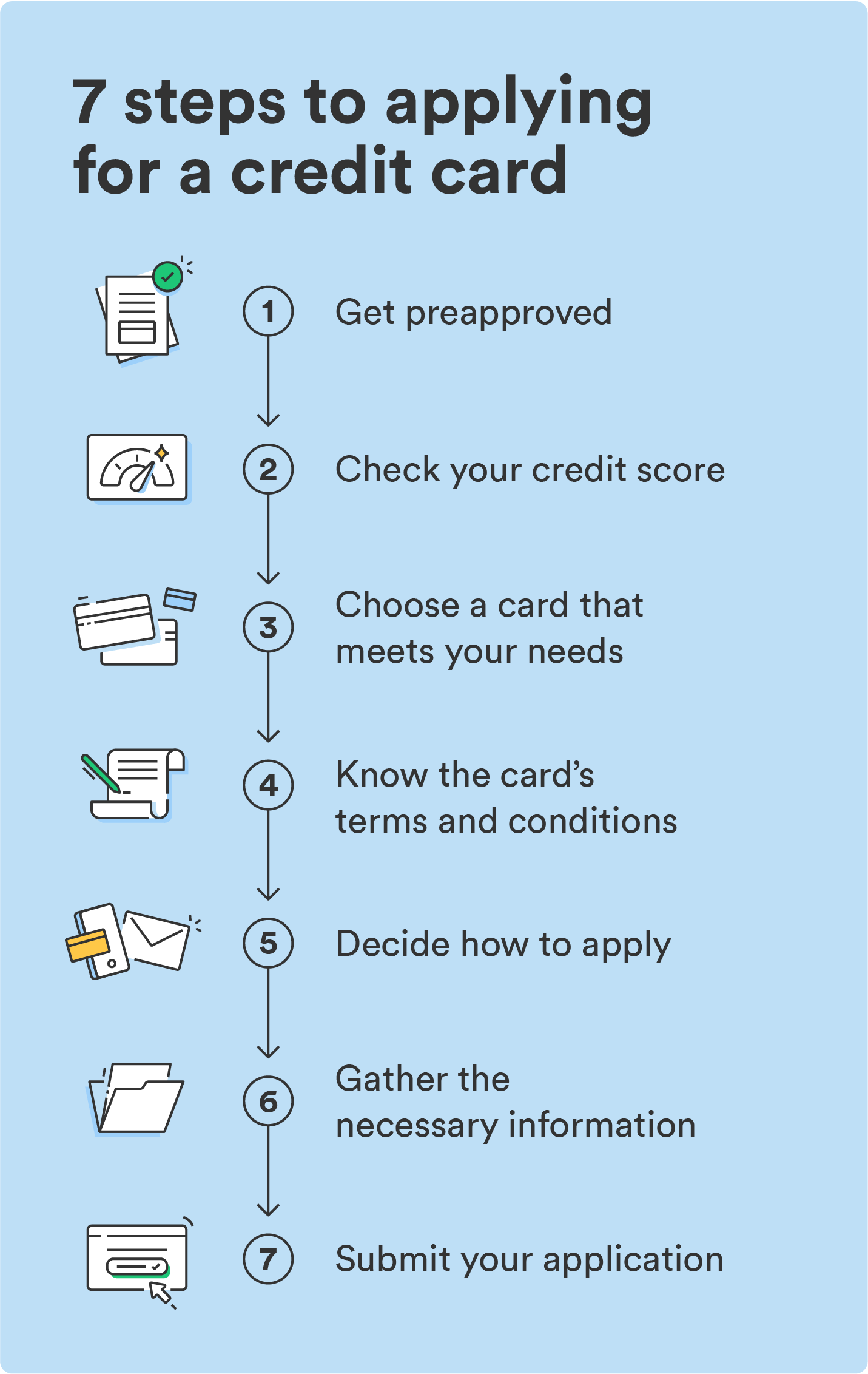
Choosing where to get a credit card depends heavily on your current financial standing, your long-term goals, and your preference for customer service. Below, we explore the primary avenues available for securing a credit card, the nuances of each provider, and how to navigate the application process effectively.
1. Traditional Institutions: The Foundation of Consumer Credit
For many, the first instinct is to visit a traditional financial institution. These organizations have long been the gatekeepers of consumer credit, offering stability and a wide range of products tailored to different life stages.
National and Regional Banks
Large national banks—such as Chase, Bank of America, Citibank, and Wells Fargo—are among the most common places to get a credit card. These institutions offer some of the most competitive rewards programs in the world, including high-value travel points and significant cash-back percentages. The primary advantage of a large bank is its robust infrastructure. If you already have a checking or savings account with one of these giants, the application process for a credit card is often streamlined, and your existing relationship may even improve your chances of approval.
Regional banks offer a similar experience but often focus on specific geographic areas. While their rewards programs might not always be as flashy as the national players, they often provide more personalized customer service and might offer specialized cards that cater to local economic needs.
Credit Unions: The Member-Centric Alternative
If you prefer a more community-focused approach to finance, credit unions are an excellent place to get a credit card. Unlike banks, credit unions are member-owned, not-for-profit cooperatives. This structure often translates to lower interest rates (APR) and fewer fees.
To get a card from a credit union, you must first become a member, which usually involves meeting certain criteria (such as living in a specific area, working for a certain employer, or being part of an association). Credit unions are particularly well-suited for individuals who may have a slightly lower credit score or those who want a “plain vanilla” card with a low interest rate rather than a complex rewards system. They are known for looking at the “whole person” during the underwriting process rather than relying solely on an automated credit score algorithm.
2. The Digital Revolution: Getting a Card via FinTech and Neobanks
The rise of Financial Technology (FinTech) has revolutionized how and where we access credit. For those who prioritize speed, mobile integration, and innovative features, digital-first platforms are often the best choice.
Digital-First Banking Platforms
Neobanks and FinTech companies—such as Chime, SoFi, and many others—have eliminated the need for physical branches. You can apply for a card through a smartphone app in minutes. These providers often cater to younger demographics or “tech-forward” consumers who manage their entire financial lives on their phones.
The advantage of these platforms is the user experience. Their apps typically feature real-time spending notifications, advanced budgeting tools, and the ability to freeze or unfreeze your card instantly. Furthermore, many FinTech companies use alternative data (such as your rent payment history or utility bills) to determine creditworthiness, making them accessible to those who are overlooked by traditional banks.
Specialized Credit Builders for Beginners
For individuals with no credit history or those looking to rebuild after a financial setback, specialized “Credit Builder” cards are available through online platforms. These are often “Secured” credit cards, where you provide a cash deposit that serves as your credit limit.
Where traditional banks might offer a few secured options, the FinTech space has optimized this process. Some companies offer cards with no credit check at all, focusing instead on your cash flow and income. This makes the digital space one of the most inclusive areas of the financial market for those starting from zero.
3. Retailers and Co-Branded Partnerships
Another common avenue for obtaining a credit card is through the stores where you already shop. These are known as retail or co-branded credit cards, and they serve a specific niche in a consumer’s financial portfolio.
Department Stores and Big-Box Retailers
Almost every major retailer, from Target and Amazon to specialized department stores like Macy’s or Nordstrom, offers a branded credit card. These cards are often pitched at the point of sale, promising an immediate discount on your current purchase if you are approved.
Retail-specific cards usually come in two forms: “Closed-loop” cards that can only be used at that specific store, and “Open-loop” cards (branded with Visa or Mastercard) that can be used anywhere. While these cards often have lower credit score requirements for approval, they typically carry significantly higher interest rates than bank cards. They are best used by loyal customers who plan to pay their balance in full every month to reap the rewards without accruing interest.
Travel and Airline Co-Branded Cards
If your goal is to travel more, the best place to get a card might be through your favorite airline or hotel chain. These cards are usually issued in partnership with a major bank (like Amex, Chase, or Citi) but carry the branding of companies like Delta, Marriott, or United.
These cards are powerful tools for frequent flyers. They often provide perks that “pay for themselves,” such as free checked bags, priority boarding, and airport lounge access. For someone who travels for business or pleasure multiple times a year, getting a card through a travel partner can offer thousands of dollars in annual value that a standard cash-back card cannot match.
4. Navigating the Application Process: What You Need to Know
Once you have decided where to go, you need to understand how to apply. The process has become highly automated, but there are several key factors that influence whether you will walk away with an approval or a rejection.
Understanding Credit Score Requirements
Before applying, it is vital to know your credit score. Most major issuers categorize their cards based on credit tiers:
- Excellent (740+): Eligible for the best rewards and lowest rates.
- Good (670–739): Eligible for most standard cards and some premium rewards.
- Fair (580–669): May need to look at “Entry-level” cards or cards with higher APRs.
- Poor (Below 580): Generally limited to secured cards or credit-builder products.
Many online financial tools now offer “pre-qualification” or “pre-approval.” This is a crucial step because it allows you to see if you are likely to be approved without a “hard pull” on your credit report, which can temporarily dip your score.
Documentation and Security Measures
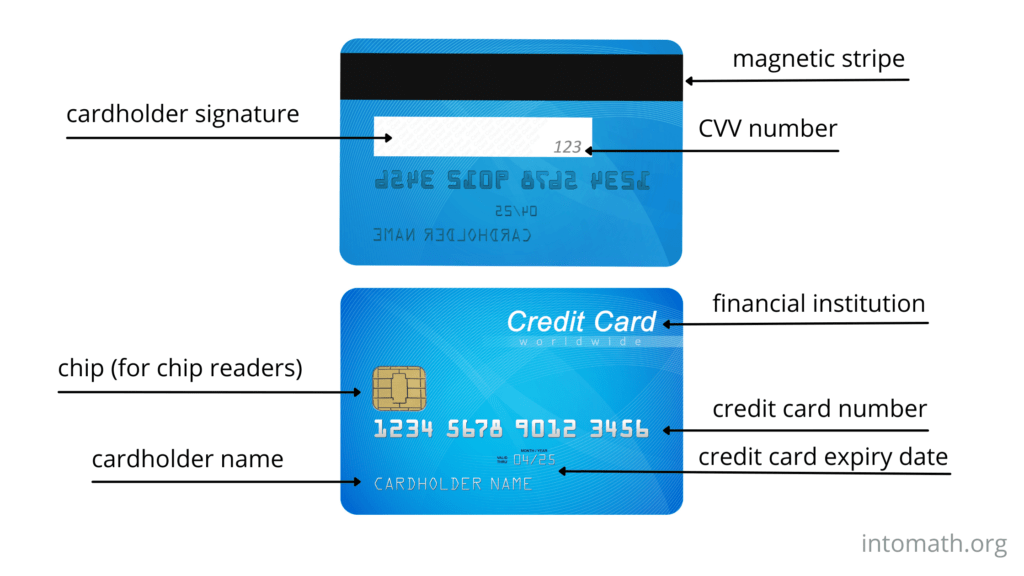
Regardless of where you apply, you will need to provide specific information. This usually includes your Social Security number (or ITIN), proof of income, and physical address. In the age of digital security, be prepared for “Know Your Customer” (KYC) protocols. This might involve uploading a photo of your government-issued ID or using facial recognition software on your phone to verify your identity. These steps are designed to prevent identity theft and ensure that the line of credit is being extended to the correct person.
5. Choosing the Right Card for Your Financial Goals
The final step in the journey of getting a credit card is ensuring that the card you choose aligns with your financial strategy. Not all credit cards are created equal, and the “best” card is entirely subjective.
Cash Back vs. Points vs. Low Interest
You must decide what you want the card to do for you.
- The Optimizer: If you want a simple return on your spending, a flat-rate cash-back card (usually 1.5% to 2% on everything) is the most efficient choice.
- The Traveler: If you enjoy luxury travel, a points-based card that allows for transfers to airline partners offers the highest “cents-per-point” value.
- The Planner: If you have an existing balance you want to pay off, you should look for a “Balance Transfer” card with a 0% introductory APR period.

Managing Your New Line of Credit Responsibly
Once you have successfully navigated the “where” and “how” of getting a card, the focus shifts to management. A credit card is a double-edged sword. When used correctly—by paying the statement balance in full every month—it is a free short-term loan that builds your credit score and earns you rewards. When used incorrectly—by carrying a balance and paying high interest—it can become a significant financial burden.
As you choose your provider, look for tools that help you stay on track. This includes auto-pay features, spending alerts, and educational resources. Whether you choose a century-old bank or a cutting-edge FinTech startup, the goal remains the same: to use credit as a bridge to a more secure and prosperous financial future.
aViewFromTheCave is a participant in the Amazon Services LLC Associates Program, an affiliate advertising program designed to provide a means for sites to earn advertising fees by advertising and linking to Amazon.com. Amazon, the Amazon logo, AmazonSupply, and the AmazonSupply logo are trademarks of Amazon.com, Inc. or its affiliates. As an Amazon Associate we earn affiliate commissions from qualifying purchases.