
In the modern era of digital finance, the distinction between various strings of numbers associated with your bank account can often become blurred. One of the most common points of confusion for consumers is the elusive “routing number.” Specifically, many users find themselves searching their physical debit or credit cards, asking: “What is the routing number on my card?”
To navigate the world of personal finance effectively, it is essential to understand that while your plastic cards are your primary tools for spending, they do not contain all the information required for every type of financial transaction. This article explores the fundamental role of the routing number, explains why it is rarely found on a card, and provides a comprehensive guide on how to manage this crucial piece of financial data.
Understanding the Role of Routing Numbers in Modern Banking
To manage your personal finances with confidence, you must first understand the architecture of the banking system. At the heart of every domestic transaction in the United States is the American Bankers Association (ABA) routing transit number.
The History and Definition of the ABA Routing Number
The routing number system was established in 1910 by the American Bankers Association. Its primary purpose was to simplify the sorting, bundling, and shipment of paper checks. In an era before computers, banks needed a standardized way to identify which financial institution a check originated from so that it could be returned to the correct “home” for payment.
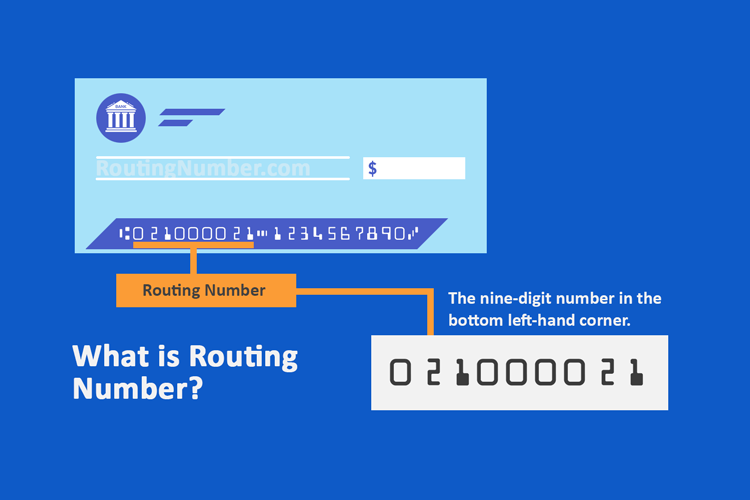
A routing number is a unique nine-digit code assigned to every financial institution in the U.S. Think of it as a digital physical address for your bank. Just as a zip code tells the post office which town you live in, the routing number tells the Federal Reserve and other banks exactly where to send your money.
How Routing Numbers Differ from Account Numbers
A common mistake in personal finance management is conflating the routing number with the account number. While they work together, they serve very different purposes. The routing number identifies the bank, whereas the account number identifies your specific pocket within that bank.
If you visualize a large apartment complex, the routing number is the street address of the building itself, and the account number is your specific apartment number. To deliver a package (or a direct deposit), the delivery service needs both. Without the routing number, the financial system knows “who” you are but not “where” your bank is located.
The Confusion: Is the Routing Number Actually on Your Card?
The short answer to the question “what is the routing number on my card” is a surprising one for many: It is almost never there. Whether you are holding a high-end rewards credit card or a standard checking account debit card, the numbers printed on the plastic serve a different function entirely.
Why Debit and Credit Cards Don’t Display Routing Numbers
Debit cards and credit cards are designed for “point-of-sale” transactions and ATM access. They operate on global payment networks like Visa, Mastercard, American Express, or Discover. These networks use their own identification systems, which are separate from the domestic ACH (Automated Clearing House) or wire transfer systems that require a routing number.
The 16-digit number on the front or back of your card is your Permanent Account Number (PAN). While it is linked to your bank account, it is not your account number, nor does it include the routing number. Including a routing number on a card would be redundant for the card’s primary purpose and could potentially lead to confusion during manual entries for online shopping.
The Difference Between Card Numbers and Bank Identifiers
It is a common misconception that the first few digits of a debit card are the routing number. In reality, the first six to eight digits of a credit or debit card are known as the Bank Identification Number (BIN) or Issuer Identification Number (IIN). While the BIN tells the merchant which bank issued the card, it is not the same as the nine-digit ABA routing number used for electronic transfers or check clearing.
For those managing their business finance or personal side hustles, knowing this distinction is vital. If you attempt to use your 16-digit card number in a field requesting a routing number for a direct deposit, the transaction will fail, potentially delaying your income.
How to Find Your Routing Number (If Not on the Card)
Since your routing number isn’t on your card, you need to know where to look when setting up things like monthly utility payments, tax refunds, or payroll deposits. Fortunately, modern financial tools make this information easily accessible.
Paper Checks: The Traditional Method
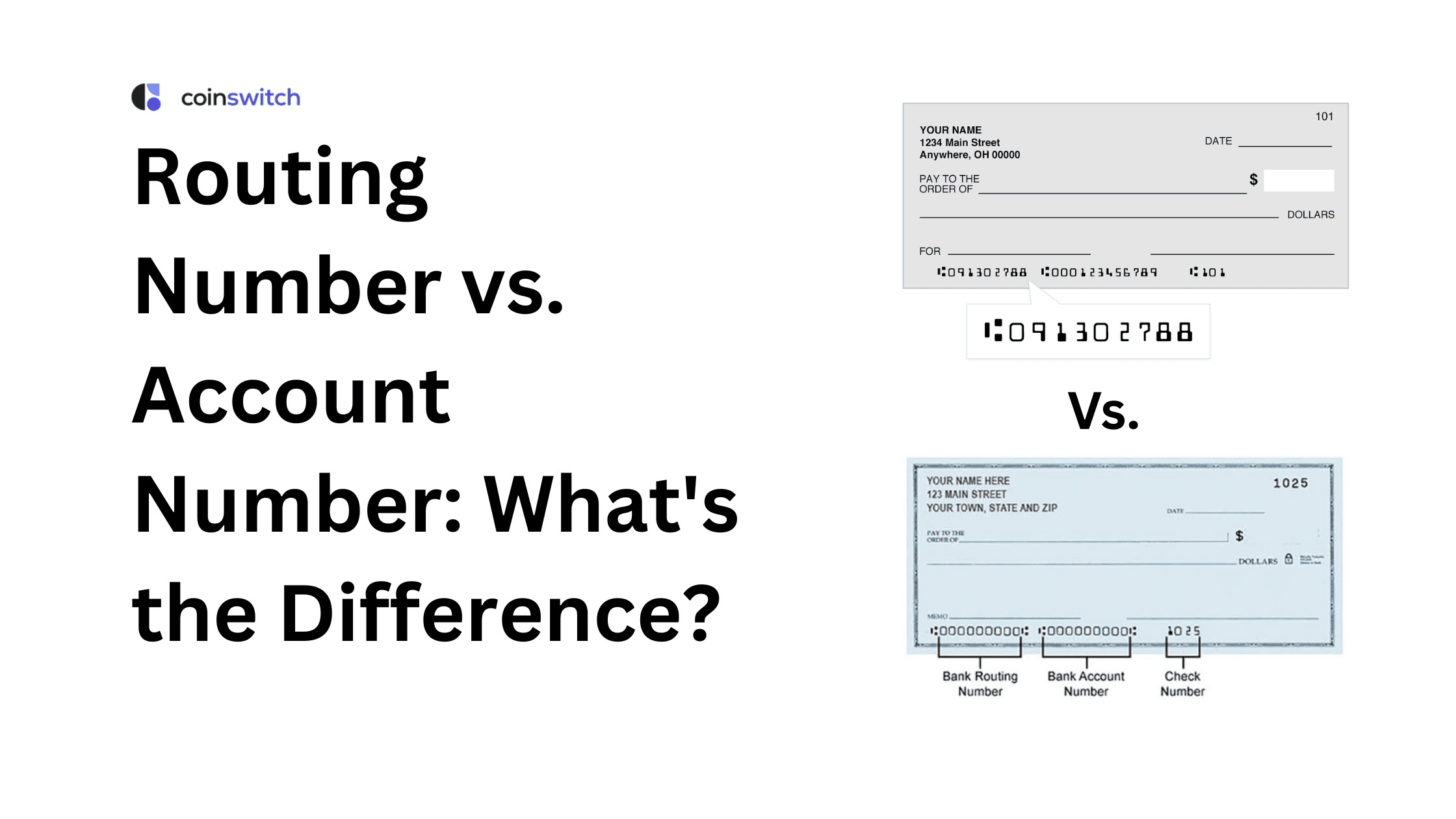
If you still use a physical checkbook, finding your routing number is straightforward. Look at the bottom left-hand corner of any check. You will see three sets of numbers printed in a special font (MICR).
- The first set (9 digits): This is your ABA routing number.
- The second set: This is your unique account number.
- The third set: This is the specific check number.
For decades, this was the only way most consumers interacted with their routing numbers. However, as we move toward a cashless society, many people no longer carry checkbooks.
Online Banking and Mobile Apps
In the age of digital banking, your routing number is usually just a few taps away. Most financial institutions display this information prominently within their mobile apps or online portals.
Typically, you can find it by:
- Logging into your banking app.
- Selecting the specific checking or savings account.
- Looking for a tab labeled “Account Details,” “Details,” or “Direct Deposit Information.”
- Many banks now provide a “Copy” button specifically for the routing number to ensure accuracy when pasting it into other financial documents.
Contacting the Financial Institution or Using Their Website
If you cannot access your online account, most banks list their routing numbers on their public-facing websites. Because routing numbers identify the institution, they are not considered private information (unlike your account number). A simple search for “[Bank Name] + Routing Number” will usually yield the correct result. However, be cautious: some large national banks use different routing numbers for different states or types of transactions (e.g., one for ACH and another for wire transfers).
Why Routing Numbers Matter for Your Financial Security
Understanding routing numbers isn’t just about administrative convenience; it’s a core component of financial literacy and security. Knowing how and when to share this number—and when to keep it private—is essential for protecting your wealth.
Facilitating Direct Deposits and Wire Transfers
The primary reason you will need your routing number is to “pull” or “push” money directly from one bank account to another without using a card network. Direct deposit is the most common example. By providing your employer with your routing and account numbers, you bypass the need for physical checks and the delays associated with card-based transfers.
Similarly, for large transactions like a down payment on a home, a wire transfer is used. In this case, you may need a specific “wire routing number,” which can sometimes differ from the “ACH routing number” used for payroll.
Automating Bill Payments
Many savvy personal finance practitioners use routing numbers to set up automatic bill payments for utilities, mortgages, or insurance. Using your routing and account numbers for these payments (known as ACH transfers) is often preferable to using a debit card. Why? Because debit cards expire or get replaced if lost, which can lead to missed payments and late fees. An ACH link to your routing number remains stable unless you close the bank account entirely.
Fraud Prevention and Security Best Practices
While a routing number is public information, it is the key that opens the door to your account when paired with your account number. You should treat your routing/account combination with the same care you treat your Social Security number.
In the realm of digital security:
- Never provide your routing and account numbers over unencrypted email.
- Be wary of “phishing” calls asking for these numbers to “verify” an account.
- Regularly monitor your bank statements for unauthorized ACH withdrawals, as these are the primary way routing number data is exploited by bad actors.
Navigating International Transactions: SWIFT vs. Routing Numbers
As the economy becomes more global, many individuals find themselves needing to send or receive money across borders. This is where the standard U.S. routing number reaches its limit.
Domestic vs. International Transfers
The nine-digit ABA routing number is a domestic standard used exclusively within the United States. If you are receiving a transfer from an uncle in London or paying a freelance designer in Berlin, your domestic routing number will not suffice.
For these transactions, you will likely need a SWIFT code (also known as a BIC). SWIFT stands for the Society for Worldwide Interbank Financial Telecommunication. Like a routing number, it identifies the bank, but it does so on an international scale. Some countries also use an IBAN (International Bank Account Number), which integrates the bank’s identity and the individual’s account number into one long string of characters.
Choosing the Right Financial Tool for Global Money Movement
For those involved in international business or online income, choosing the right tool for moving money is vital for minimizing fees. While traditional banks can handle international wires using SWIFT codes and routing numbers, they often charge high fees and offer poor exchange rates.
Modern financial tools and “fintech” platforms often provide “virtual” routing numbers. These services allow you to have a domestic routing number in multiple countries, making it easier and cheaper to receive international payments as if they were local deposits. Understanding these tools is a hallmark of sophisticated personal finance management in the 21st century.

Conclusion: Mastering Your Financial Identifiers
In summary, the search for a routing number on a physical card is a common but ultimately fruitless endeavor. The routing number is a pillar of the banking infrastructure—a nine-digit code that directs the flow of capital across the country—but it lives in your checkbook and your banking app, not on your plastic.
By distinguishing between your card number, your account number, and your routing number, you gain better control over your financial life. You can set up automated systems to grow your wealth, ensure your hard-earned income is deposited without delay, and protect yourself from the evolving threats of financial fraud. In the world of money, knowledge is the most valuable asset you can own.
aViewFromTheCave is a participant in the Amazon Services LLC Associates Program, an affiliate advertising program designed to provide a means for sites to earn advertising fees by advertising and linking to Amazon.com. Amazon, the Amazon logo, AmazonSupply, and the AmazonSupply logo are trademarks of Amazon.com, Inc. or its affiliates. As an Amazon Associate we earn affiliate commissions from qualifying purchases.