
In the ever-shifting landscape of personal finance, the quest for the “highest” interest rate is a journey that requires both timing and strategy. For many conservative investors and savers, the Certificate of Deposit (CD) remains a cornerstone of a balanced portfolio. As the Federal Reserve adjusts benchmark interest rates to combat inflation or stimulate growth, the banking sector responds in kind, creating a competitive marketplace where banks vie for your deposits.
Finding the bank with the highest CD rates is not merely about looking at a single percentage point on a specific day; it is about understanding the mechanics of the banking industry, the types of institutions that offer these rates, and the strategies you can employ to ensure your money is working as hard as possible. This guide explores the current environment for CD rates, where to look for the best returns, and how to choose a financial institution that aligns with your long-term wealth-building goals.

Understanding Certificates of Deposit (CDs) in Today’s Economy
Before identifying specific types of banks that offer top-tier rates, it is essential to understand what a CD is and why its rates fluctuate. A Certificate of Deposit is a time-bound savings account that typically offers a higher interest rate than a standard savings account in exchange for leaving your money untouched for a set period—ranging from a few months to several years.
How CDs Function as Financial Tools
When you open a CD, you are essentially entering into a contract with a bank. You agree to lend them your capital for a fixed duration, and in return, they provide a guaranteed Annual Percentage Yield (APY). This fixed nature makes CDs an attractive “low-risk” investment, particularly for those who have a specific future expense in mind, such as a home down payment or a wedding. Unlike the stock market, where your principal can fluctuate, a CD at an FDIC-insured bank guarantees the return of your initial investment plus the agreed-upon interest.
The Impact of Federal Reserve Policy on Rates
The primary driver of CD rates is the Federal Reserve’s federal funds rate. When the Fed raises rates to cool an overheating economy, banks generally follow suit by increasing the APY on their savings products to attract more liquidity. Conversely, in a falling-rate environment, CD rates are often the first to be slashed. To find the highest rates, savers must keep a close eye on the “yield curve.” Occasionally, we see an “inverted yield curve,” where short-term CDs (12 to 18 months) actually offer higher rates than long-term CDs (5 years). This happens when banks anticipate that interest rates will drop in the future, making them hesitant to lock in high payouts for long durations.
Where to Find the Highest CD Rates Right Now
To find the absolute highest rates, you must look beyond the traditional big-name banks found on every street corner. While “Big Four” banks offer convenience and physical branches, they rarely offer the most competitive APYs because they do not need to fight as hard for customer deposits.
Online-Only Banks and Neobanks
The digital revolution in finance has been a boon for savers. Online-only banks—such as Marcus by Goldman Sachs, Ally Bank, and SoFi—consistently lead the market in CD rates. Because these institutions do not have the overhead costs of physical real estate, utility bills for branches, and large on-site staff, they pass those savings directly to the consumer in the form of higher interest rates. If you are searching for the highest CD rates, your first stop should almost always be a reputable, FDIC-insured online bank.
Credit Unions and Member-Owned Institutions
Credit unions are another powerhouse for high CD rates (often called “Share Certificates” in the credit union world). Because credit unions are non-profit cooperatives owned by their members, they prioritize returning value to their depositors rather than maximizing profits for shareholders. It is common to find “special” promotional rates at credit unions that significantly outperform national averages. While some credit unions have strict membership requirements based on geography or profession, many now allow anyone to join by making a small donation to a specific charity or association.
High-Yield Niche Banks and Brokered CDs
In addition to traditional and online banks, brokered CDs—available through brokerage firms like Fidelity, Charles Schwab, or Vanguard—often offer some of the highest yields available. These firms negotiate with various banks across the country to offer their clients “bulk” rates. Furthermore, smaller, regional banks looking to expand their footprint often offer “CD Specials” with non-standard terms (like a 7-month or 13-month CD) to attract new capital quickly. These promotional windows are often where the highest rates hide.
Strategies to Maximize Your Interest Earnings
Securing a high rate is only half the battle; the other half is ensuring that your money remains accessible and that you aren’t missing out on future rate hikes. Maximizing your return requires a more nuanced approach than simply dumping all your cash into a single high-interest account.
The CD Laddering Strategy
One of the most effective ways to balance high rates with liquidity is the “CD Ladder.” Instead of putting $50,000 into a single 5-year CD, you might split that amount into five $10,000 increments. You would then invest them in 1-year, 2-year, 3-year, 4-year, and 5-year CDs. As each CD matures, you reinvest it into a new 5-year CD at the then-current highest rate. This strategy ensures that a portion of your money becomes available every year, allowing you to take advantage of rising rates while maintaining a higher average yield than a standard savings account.
Comparing Term Lengths: Short-Term vs. Long-Term
Choosing the right term is a gamble on the future of the economy. If you believe interest rates have peaked and will soon fall, locking in a 5-year CD at a high rate is a brilliant move, as it protects your yield even when market rates plummet. However, if rates are still climbing, a series of short-term (6 to 12 month) CDs might be more beneficial, allowing you to “roll over” your funds into higher-paying certificates as they mature.
Specialized CD Types: Bump-Up and No-Penalty
For those who fear “buyer’s remorse” after locking in a rate, many top-tier banks offer specialized products. A “Bump-Up CD” allows you to request a rate increase once or twice during the term if the bank’s standard rates go up. A “No-Penalty CD” offers a slightly lower rate than a traditional CD but allows you to withdraw your full balance and interest without paying a fee, providing the ultimate safety net if you suddenly need cash or find a significantly better rate elsewhere.
Key Factors to Consider Before Opening a CD
High rates are attractive, but they are not the only factor that defines a good financial move. Before committing your capital, you must read the fine print to ensure the “highest rate” doesn’t come with the “highest headache.”
Early Withdrawal Penalties
The biggest risk of a CD is the penalty for accessing your money before the term ends. These penalties can be severe, often eating up several months’ worth of interest or even a portion of your principal. Before choosing a bank based on a high rate, calculate the potential penalty. If the bank with the highest rate has a penalty of 365 days of interest, and a slightly lower-rate bank has a penalty of only 90 days, the lower-rate bank may actually be the safer choice for your emergency fund.
FDIC and NCUA Insurance
Safety should never be sacrificed for a few extra basis points. Ensure that any bank you choose is insured by the Federal Deposit Insurance Corporation (FDIC) and any credit union is insured by the National Credit Union Administration (NCUA). This insurance protects your deposits up to $250,000 per depositor, per institution. In the rare event of a bank failure, your principal and earned interest are backed by the full faith and credit of the U.S. government.
Minimum Deposit Requirements
Some of the highest CD rates are reserved for “Jumbo CDs,” which typically require a minimum deposit of $100,000. Other banks may offer their best rates starting at $500, $1,000, or $25,000. When comparing banks, ensure that the rate you are seeing applies to the amount of money you actually intend to deposit. Some institutions use “tiered interest,” where the highest APY only applies to balances above a certain threshold.
Conclusion: How to Choose the Right Bank
Determining which bank has the highest CD rates is a dynamic process. While online giants and local credit unions often lead the pack, the “best” bank is the one that offers a combination of a high APY, manageable minimum deposits, and a penalty structure that fits your risk tolerance.
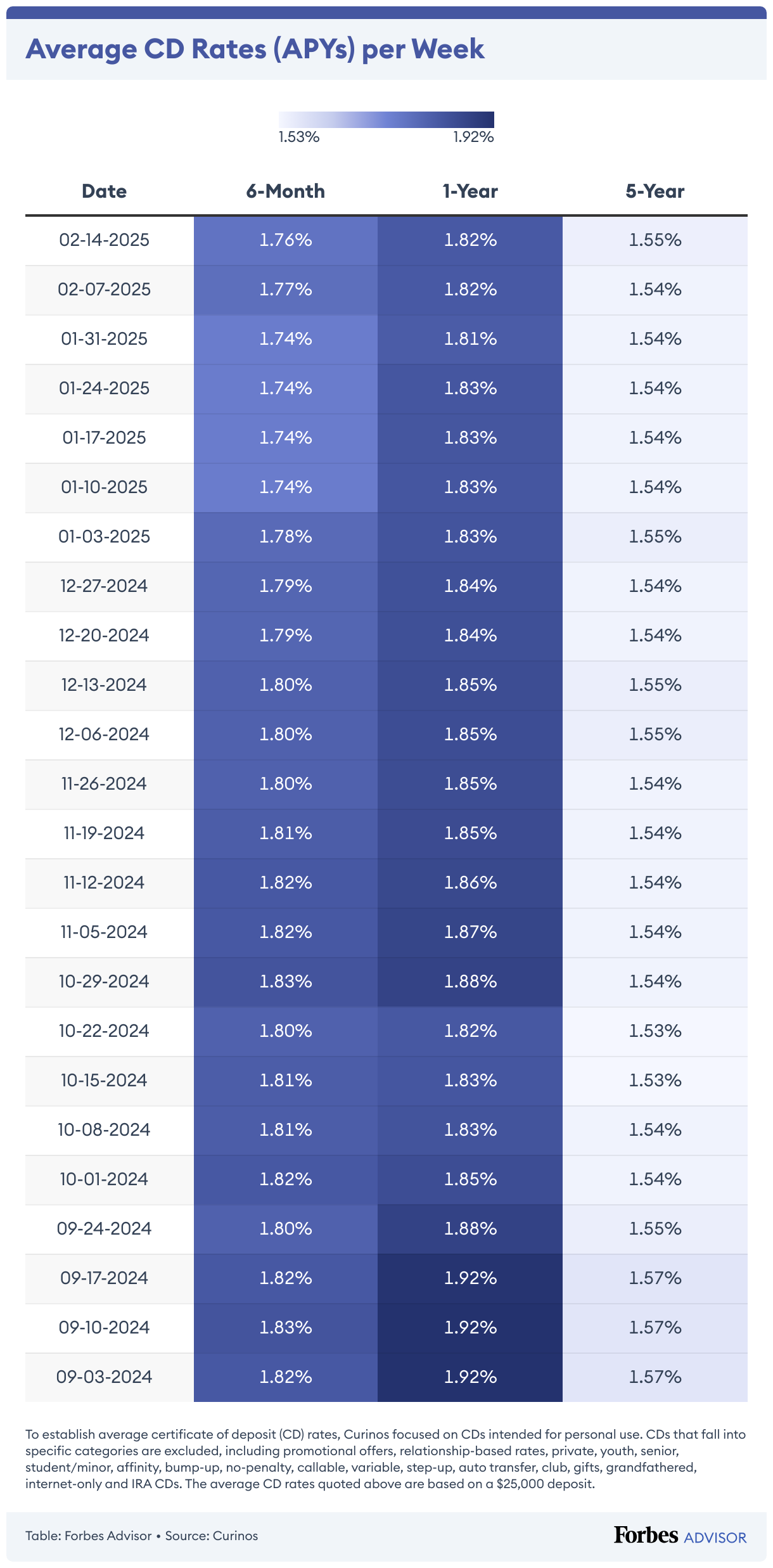
To maximize your personal finance health, don’t just look for a number; look for a partner. Monitor financial news, use online comparison tools to track weekly rate shifts, and consider the CD laddering strategy to hedge against market volatility. By staying informed and remaining flexible, you can ensure that your savings are not just sitting idle, but are actively growing in the most secure and profitable environment possible.
aViewFromTheCave is a participant in the Amazon Services LLC Associates Program, an affiliate advertising program designed to provide a means for sites to earn advertising fees by advertising and linking to Amazon.com. Amazon, the Amazon logo, AmazonSupply, and the AmazonSupply logo are trademarks of Amazon.com, Inc. or its affiliates. As an Amazon Associate we earn affiliate commissions from qualifying purchases.