
In the world of high-performance sports equipment, brand names usually carry a weight built over decades of professional endorsements, multi-million dollar R&D budgets, and high-gloss marketing campaigns. For years, the golf ball market was dominated by a few “Goliaths”—Titleist, Callaway, and TaylorMade. However, in 2016, a “David” emerged from an unlikely place: the warehouse aisles of Costco.
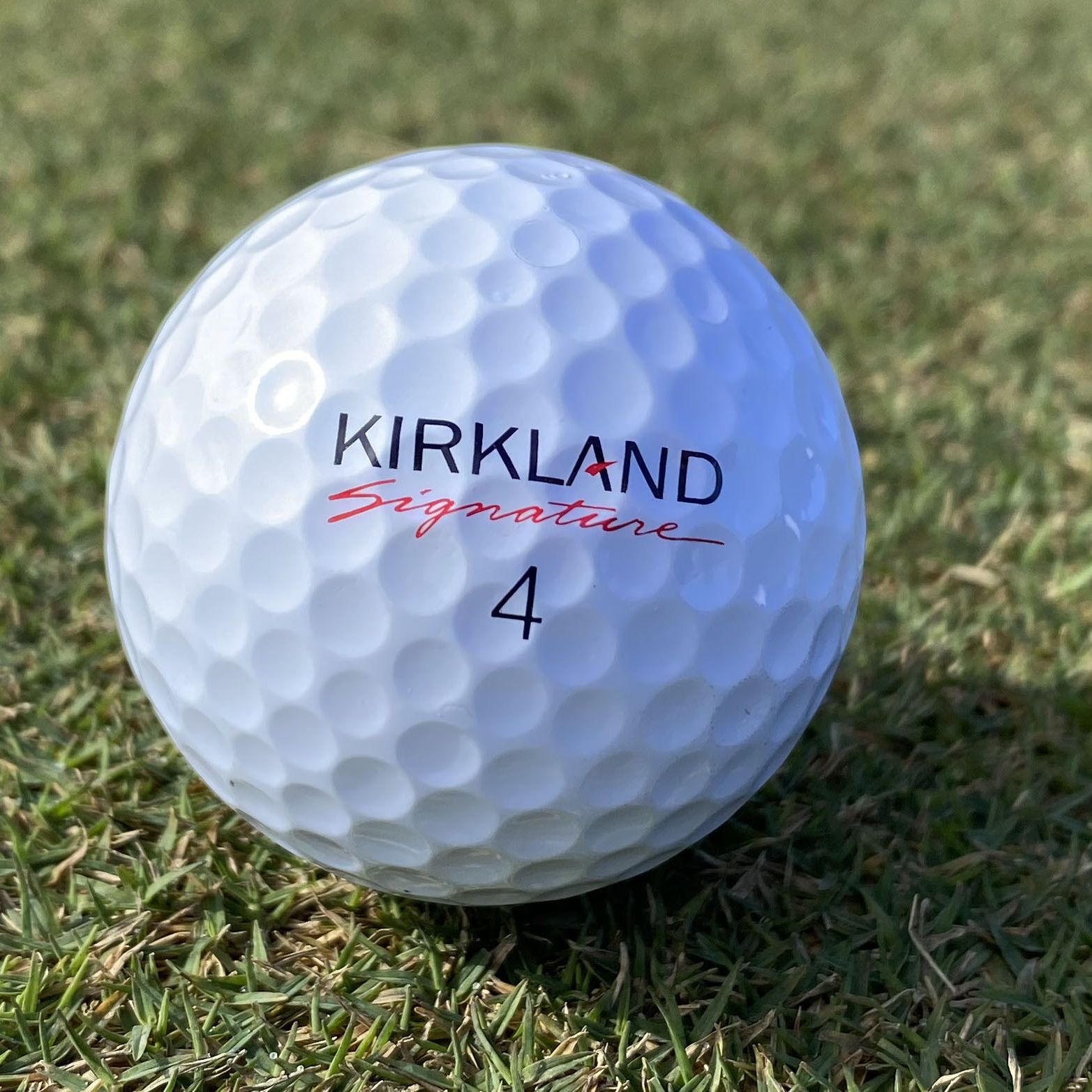
The Kirkland Signature golf ball didn’t just enter the market; it shattered the industry’s pricing and branding architecture. Understanding who makes the Kirkland golf ball is more than a pursuit of manufacturing data; it is a deep dive into a masterclass in brand strategy, private labeling, and the disruption of traditional corporate identity.
The Architecture of a Private Label Powerhouse
To understand why the Kirkland golf ball became a cultural and commercial phenomenon, one must first understand the brand strategy of “Kirkland Signature.” Costco’s house brand is unique in the retail world. While most private labels are positioned as “budget” alternatives to national brands, Kirkland Signature is positioned as a “quality” alternative that happens to be cheaper.
The White-Label Strategy
The core of the Kirkland brand strategy involves sourcing products from top-tier manufacturers who already produce industry-leading goods. Costco identifies a high-margin category—like premium golf balls—and seeks a partner capable of meeting or exceeding the specifications of the market leader. By stripping away the costs of traditional marketing, athlete sponsorships, and middle-man distribution, Costco can offer a product that performs at 90-100% of the level of a Titleist Pro V1 at roughly 30% of the price.
Why Costco Chose the Premium Golf Niche
Golf is a sport deeply rooted in brand loyalty and status symbols. For a long time, the “premium” segment was considered untouchable by private labels because golfers were thought to be too brand-conscious to play a “grocery store ball.” Costco recognized a gap in the market: the “Value-Premium” segment. They realized that while some golfers care about the logo, many more care about the data. By focusing on the “Performance+” moniker, they signaled to the consumer that this wasn’t a cheap range ball, but a serious piece of equipment.
Identifying the Maker: The Logistics of Brand Sourcing
The question of “who makes the Kirkland golf ball” is a frequent topic of debate in clubhouses. Unlike many golf companies that own their own manufacturing facilities, Costco utilizes a sophisticated global supply chain. The branding strategy relies on the quality of the manufacturer remaining high enough to protect the Kirkland Signature reputation.
The SM Parker and Qingdao Taylor Connection
Public records and USGA conforming ball lists have historically pointed toward manufacturing partners in South Korea and China. The original, “unicorn” four-piece Kirkland ball was manufactured by Nassau Golf Co. Ltd in South Korea (later acquired by TaylorMade). More recent iterations, specifically the three-piece Performance+ models, have been linked to SM Parker and the Qingdao Taylor Sporting Goods Co. Ltd in China.
The strategy here is clear: Costco does not need to be an expert in rubber vulcanization or aerodynamic dimple patterns. Instead, they leverage the expertise of established manufacturers who possess the specialized machinery and technical know-how. This allows the Kirkland brand to remain agile, switching manufacturers or updating specifications without the “sunken cost” of owning a factory.
Quality Control as Brand Equity
For a private label brand, the biggest risk is a “dud” product. If a Kirkland golf ball were to fail or perform poorly, it wouldn’t just hurt the golf ball sales; it would tarnish the entire Kirkland Signature brand, from their olive oil to their luxury bedsheets. Therefore, the brand strategy involves rigorous third-party testing. By the time a ball reaches the shelf, it has been vetted to ensure it meets the USGA standards, providing the “seal of approval” that replaces the need for traditional advertising.
The Brand Identity War: Costco vs. Titleist

Nothing validated the Kirkland Signature brand strategy more than the legal and marketing friction it caused with the industry leader, Acushnet (the parent company of Titleist). This conflict highlighted the disruptive power of a well-executed corporate identity.
The Legal Precedent and Brand Validation
In 2017, Acushnet sent a cease-and-desist letter to Costco, alleging patent infringement and false advertising (specifically challenging Costco’s claim that the Kirkland ball met or exceeded the quality of national brands). Costco didn’t back down; they filed a preemptive lawsuit seeking a declaratory judgment that they were not infringing on patents.
From a branding perspective, this was a massive win for Costco. The “legal war” with Titleist essentially told the world: The industry leader is afraid of this ball. It gave the Kirkland Signature ball a “rebel” identity. It was no longer just a cheap ball; it was the ball that was “too good for its own price point,” so much so that the giants had to sue to stop it.
Changing the “Generic” Perception
Traditionally, generic brands are seen as “knock-offs.” However, the Kirkland golf ball flipped the script. Through the use of independent reviews and viral social media “ball tests,” the brand identity shifted from “cheap” to “smart.” Choosing a Kirkland ball became a signal of a “savvy golfer”—someone who understands physics and value over marketing hype. This is a rare feat in brand strategy: turning a budget-friendly alternative into a “cool” insider secret.
Strategic Positioning: High Quality at Low Friction
The success of the Kirkland golf ball is a result of what brand strategists call “low-friction” purchasing. By removing the complexity of choosing between ten different models and pricing them at a point where the “risk” of trying them is nearly zero, Costco captured a massive market share.
Price as a Brand Attribute
In the Kirkland ecosystem, the price is not just a financial metric; it is a brand attribute. Selling a two-dozen pack for the price of a single dozen of a competitor’s ball creates an immediate psychological “win” for the consumer. This pricing strategy builds intense brand loyalty. When a consumer feels they are getting a “steal,” they become an organic brand ambassador. The Kirkland golf ball didn’t need a Super Bowl ad because it had thousands of golfers telling their friends about the “crazy deal” they found at Costco.
The Power of Scarcity and “The Hunt”
Initially, Costco struggled to keep the balls in stock. While some might see this as a supply chain failure, it worked brilliantly as a brand-building tool. It created a “scarcity mindset.” Golfers began tracking stock levels and sharing “sighting” reports on Reddit and golf forums. This organic engagement is something most brands spend millions to achieve. The Kirkland brand became an “event,” turning the mundane act of buying golf balls into a treasure hunt.
The Future of Kirkland’s Branding Strategy
As we look forward, the Kirkland golf ball serves as a blueprint for how Costco will continue to expand its “Signature” brand into other high-performance categories. We have already seen this with the introduction of Kirkland putters, wedges, and even irons.
Brand Diversification and Ecosystem Building
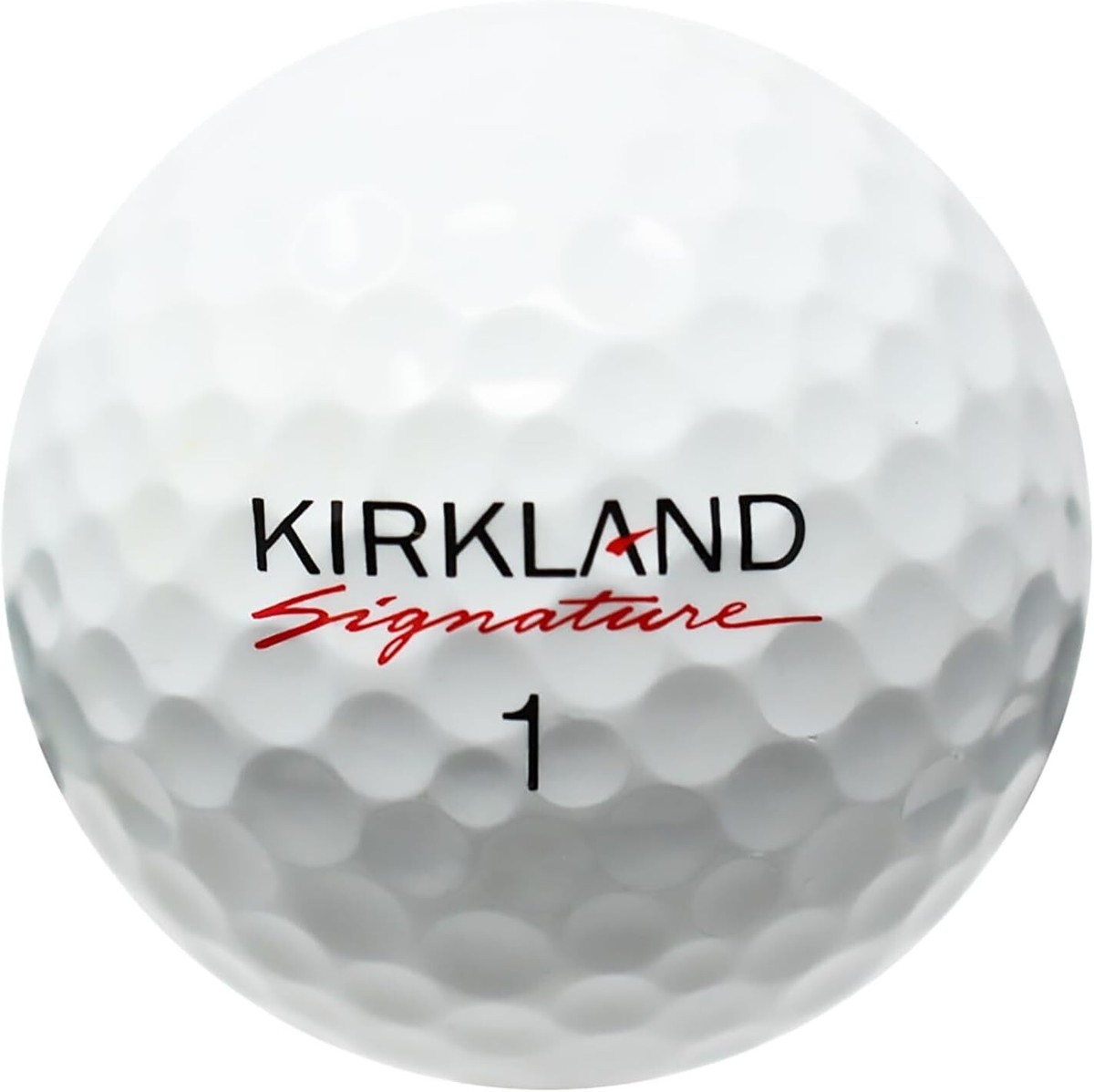
The golf ball was the “entry drug” for the Kirkland golf ecosystem. Once the consumer trusted the ball, they were much more likely to trust a $100 putter that looked and felt like a $400 Scotty Cameron. The branding strategy is cumulative; each successful product category adds “trust equity” to the next. Costco is effectively building a sports equipment brand that competes with specialized manufacturers across the board.
Maintaining Brand Integrity Beyond the Warehouse
The challenge for the future of the Kirkland brand will be maintaining its “disruptor” status. As the brand becomes more established, it risks becoming the “establishment” itself. To counter this, Costco must continue to innovate with its manufacturing partners, ensuring that each new iteration of the ball keeps pace with the technological advancements of the major brands.
In conclusion, the story of who makes the Kirkland golf ball is less about a specific factory in China or South Korea and more about the power of a perfectly executed brand strategy. Costco proved that in the modern era, a corporate identity built on transparency, extreme value, and proven performance can successfully challenge even the most entrenched industry icons. The Kirkland Signature ball is a testament to the fact that in the eyes of the modern consumer, a great product at an honest price is the most powerful brand of all.
aViewFromTheCave is a participant in the Amazon Services LLC Associates Program, an affiliate advertising program designed to provide a means for sites to earn advertising fees by advertising and linking to Amazon.com. Amazon, the Amazon logo, AmazonSupply, and the AmazonSupply logo are trademarks of Amazon.com, Inc. or its affiliates. As an Amazon Associate we earn affiliate commissions from qualifying purchases.