
Costco Wholesale Corporation stands as a global titan in the retail industry, revered for its bulk product offerings, competitive pricing, and a unique membership-based operating model. For many savvy shoppers and businesses, Costco represents a treasure trove of savings. However, the gateway to these benefits isn’t free; it requires a membership. Understanding “what is the membership fee for Costco” is not merely about knowing a number, but rather the first step in a crucial financial evaluation: Is the investment in a membership truly worth it for your personal or business finances?
This article delves into the specifics of Costco’s membership fees, exploring the different tiers, their respective costs, and, most importantly, how to financially assess the value a Costco membership can bring. We’ll move beyond the sticker price to dissect the financial implications, helping you determine if joining the ranks of Costco members aligns with your financial goals and spending habits.

Understanding Costco’s Membership Tiers: A Financial Breakdown
Costco’s membership structure is designed to cater to different needs, primarily differentiating between basic access and enhanced benefits tied to potential savings. Each tier comes with a distinct fee, representing an annual investment in the potential for significant savings on goods and services.
The Gold Star Membership: Your Entry Point to Savings
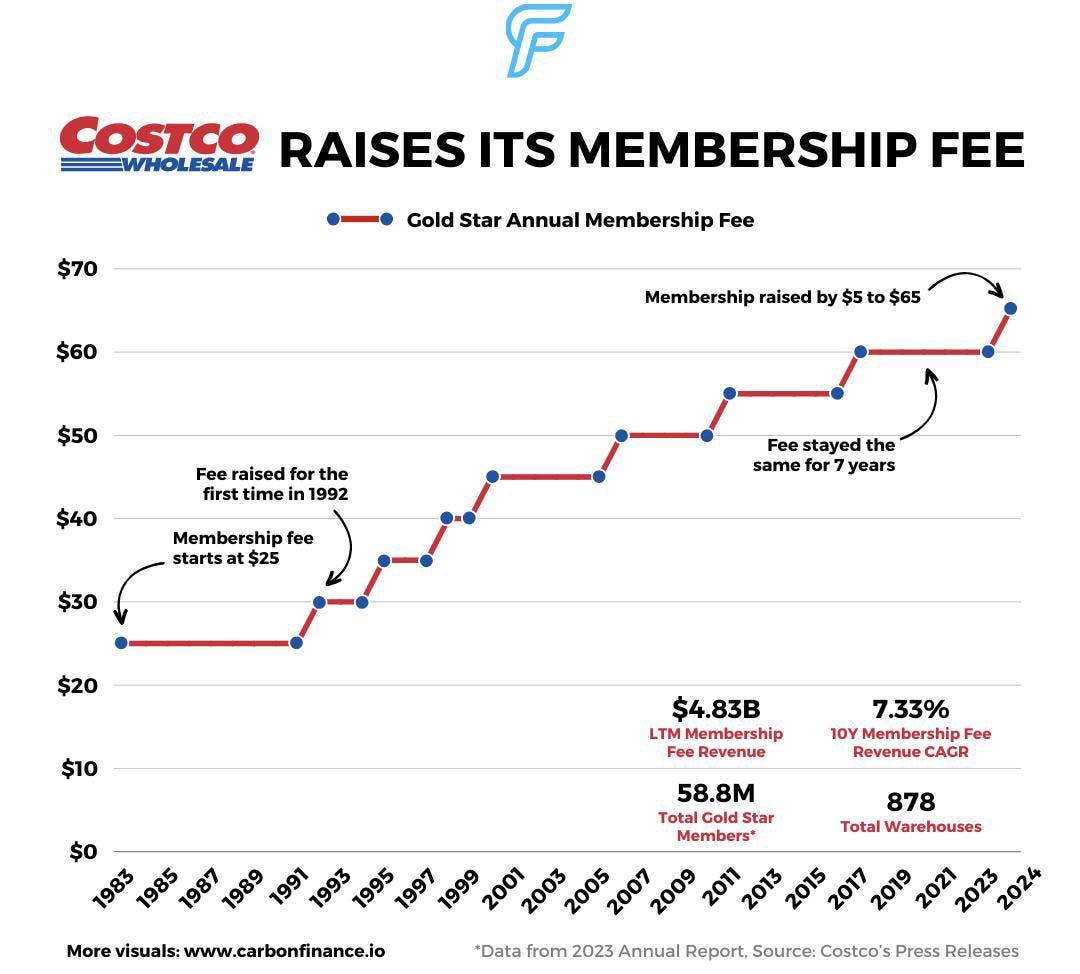
The Gold Star Membership is Costco’s most common and accessible tier, serving as the standard entry point for individuals and households. It provides complete access to all Costco warehouses worldwide, as well as the ability to shop on Costco.com.
- Cost: As of the latest information, the Gold Star Membership typically costs $60 per year. This fee grants two membership cards, one for the primary member and a complimentary household card for someone aged 18 or over living at the same address.
- Who it’s for: This membership is ideal for most individuals, families, and small households who want to take advantage of Costco’s bulk pricing on groceries, household goods, electronics, and more. It’s a straightforward option for those looking for value without additional bells and whistles.
- Basic Benefits: Members gain access to the vast product selection, discounted gasoline, pharmacy services, optical centers, tire centers, and a range of other in-warehouse services. It’s the foundational layer upon which the Costco experience is built.
The Executive Membership: Is the Upgrade Worth the Investment?
For more frequent shoppers or those with higher annual spending at Costco, the Executive Membership presents an intriguing financial proposition. It comes at a higher annual fee but offers a compelling incentive: a 2% annual reward on eligible Costco and Costco.com purchases.
- Cost: The Executive Membership typically costs $120 per year, which is double the Gold Star fee. Like the Gold Star, it includes two membership cards.
- 2% Annual Reward: This is the cornerstone of the Executive Membership’s value. Members earn a 2% reward (up to a maximum of $1,000 per year) on most purchases made at Costco warehouses, Costco.com, and Costco Travel. The reward is issued annually in the form of a certificate that can be redeemed for merchandise or cash at any Costco warehouse.
- Additional Benefits: Executive Members often receive enhanced benefits on various Costco services, such as lower prices on Costco Services (e.g., auto insurance, business insurance, payment processing), and other exclusive offers throughout the year. These can range from discounts on vacation packages to savings on home and auto services.
- Breakeven Point Calculation: The critical financial question for the Executive Membership is at what point the 2% reward covers the additional $60 cost over the Gold Star membership. To break even on the additional $60 fee, an Executive Member needs to spend $3,000 annually at Costco ($60 / 0.02 = $3,000). If your household anticipates spending more than $3,000 per year at Costco, the Executive Membership effectively pays for itself and then starts putting money back in your pocket. This makes it a compelling financial tool for high-volume shoppers.
Business Membership Options: Tailored for Enterprises
Costco also offers Business Memberships, which are essentially structured similarly to Gold Star or Executive but are specifically designed for business owners.
- Cost and Structure: Business Memberships typically mirror the pricing of Gold Star ($60) and Executive ($120) memberships. They also include two membership cards.
- Business Advantages: While the financial structure is similar, the primary benefit for businesses lies in the ability to purchase products for resale (with appropriate resale certificates in applicable states) and to buy large quantities of operational supplies at wholesale prices. Business members can also add up to six additional users (Affiliate Members) to their account for an additional fee per user, enabling employees to make purchases on behalf of the business. This provides a clear financial advantage for managing operational costs and inventory.
Beyond the Fee: Calculating the True Financial Value of a Costco Membership
Simply knowing the annual fee is insufficient for a comprehensive financial assessment. The real value of a Costco membership is determined by how much you save, and often, how you utilize its broader ecosystem of services.
The Savings Equation: Unit Costs vs. Bulk Buys
The most apparent financial benefit of Costco is the potential for savings on everyday items, achieved primarily through its bulk purchasing model.
- Examples of Savings:
- Groceries: Many staples like fresh produce, meats, dairy, and pantry items are often priced significantly lower per unit when bought in bulk compared to traditional supermarkets. This can lead to substantial weekly or monthly savings, especially for larger families.
- Household Items: Paper products, cleaning supplies, toiletries, and over-the-counter medications typically offer considerable savings.
- Gasoline: Costco gas stations often boast some of the lowest prices per gallon in their respective areas, leading to significant savings for frequent drivers. Over a year, these fuel savings alone can offset a substantial portion of the membership fee.
- When Bulk Buying Doesn’t Save Money: It’s crucial for prudent financial management to recognize that bulk buying isn’t always advantageous.
- Spoilage: Perishable goods bought in large quantities can lead to waste if not consumed in time, negating any initial savings.
- Unnecessary Purchases: The allure of large packages and seemingly good deals can sometimes lead to buying items you don’t genuinely need or have space for, resulting in wasted money.
- Storage Space: A financial consideration often overlooked is the need for adequate storage space. If you lack pantry or freezer space, bulk buying might lead to clutter or even the need for external storage solutions, which carry their own costs.
Exclusive Member Services: Hidden Financial Benefits
Beyond the warehouse aisles, Costco offers a suite of member-only services that can yield significant financial benefits, often overlooked when solely focused on product prices.
- Travel Services: Costco Travel provides discounted vacation packages, cruises, rental cars, and hotel stays. These exclusive deals can often beat prices found on public travel sites, offering hundreds of dollars in savings on a single trip.
- Auto Services: The Costco Auto Program offers pre-arranged pricing on new and used vehicles, simplifying the car-buying process and potentially saving thousands. Additionally, their tire centers offer competitive pricing on tires, installation, and rotation.
- Pharmacy and Optical: Prescription medications and optical services (eyeglasses, contact lenses) are often available at reduced prices for members, which can be a boon for healthcare budgeting.
- Business Services: For small business owners, services like payment processing, payroll services, and business insurance through Costco’s partners can offer competitive rates, streamlining operations and reducing overhead.
- Insurance Services: Costco partners with providers to offer discounted rates on home, auto, life, and even pet insurance, presenting a pathway to lower annual premiums.

The Opportunity Cost of Non-Membership
When considering whether to pay the membership fee, it’s also insightful to consider the “opportunity cost” of not being a member. This refers to the potential savings or benefits you might miss out on. For instance, if a household spends $5,000 annually on groceries and household items at a regular supermarket but could save 15-20% by purchasing these at Costco, the foregone savings (around $750-$1,000) far outweigh the $60 or $120 membership fee. Similarly, if you frequently drive and could save $0.20 per gallon on gas, and you fill up 50 times a year with 15 gallons each time, that’s $150 in annual gas savings alone – more than enough to cover a Gold Star membership.
Is a Costco Membership a Smart Financial Move for You?
The decision to invest in a Costco membership is highly personal and should be based on a thorough assessment of your financial habits, lifestyle, and proximity to a warehouse. It’s not a one-size-fits-all solution for financial savings.
Assessing Your Spending Habits and Lifestyle
- Shopping Frequency: How often do you shop for groceries and household items? If you shop weekly or bi-weekly for a family, the potential for savings at Costco is much higher than for a single individual who rarely cooks.
- Family Size: Larger families typically consume more, making bulk purchases more economical and reducing the risk of spoilage.
- Storage Space: Do you have ample pantry, freezer, or garage space to store bulk purchases? Without it, buying in large quantities can become impractical or lead to waste.
- Proximity to a Warehouse: The cost (in time and gas) of traveling to a distant Costco warehouse can erode potential savings. Factor in your commute time and fuel expenses.
- The “Costco Effect”: Be honest about your susceptibility to impulse buys. The massive displays and attractive packaging at Costco can lead to overspending on items you don’t necessarily need, negating savings. A strict shopping list and budget are crucial.
Breakeven Analysis for the Executive Membership
Revisiting the Executive Membership’s breakeven point is vital. To reiterate, you need to spend $3,000 annually at Costco to recoup the additional $60 fee for the Executive tier through the 2% reward. If your historical spending or projected spending falls below this threshold, the Gold Star Membership is likely the more financially prudent choice. If you spend significantly more, the Executive Membership can become a powerful financial tool, essentially paying you back for your loyalty. Many households find that spending on groceries, gas, and a few larger items (like electronics or seasonal goods) easily pushes them past the $3,000 mark.
Leveraging Credit Card Rewards with Costco Purchases
For the financially astute, there’s an additional layer of potential savings by strategically using credit cards. While Costco warehouses famously accept only Visa credit cards, you can use any credit card on Costco.com.
- Costco Anywhere Visa® Card by Citi: This co-branded card offers enhanced rewards: 4% cash back on eligible gas and EV charging purchases (up to $7,000 per year, then 1%), 3% cash back on restaurants and eligible travel, 2% cash back on all other Costco and Costco.com purchases, and 1% cash back on all other purchases. This 2% cash back on Costco purchases stacks with the 2% Executive Membership reward, effectively giving Executive members 4% back on most in-warehouse and online purchases.
- Other Visa Cards: Even if you don’t have the co-branded card, using a general rewards Visa card that offers 1.5% or 2% back on all purchases will add another layer of savings on your Costco spending. This disciplined use of credit card rewards is a cornerstone of smart personal finance.
Maximizing Your Costco Membership for Financial Gain
Once you’ve determined that a Costco membership is a smart financial investment for you, the next step is to ensure you’re getting the absolute most out of it. It’s not enough to simply have the card; active strategies are needed to maximize your financial returns.
Strategic Shopping: The Art of the Costco Run
Treating a Costco trip like any other financial transaction requires planning and discipline.
- Shopping Lists and Budgets: Always go in with a detailed shopping list and a strict budget. This helps prevent impulse buys, which are easy to fall for in Costco’s expansive aisles.
- Price Comparisons: Don’t assume everything is the best deal. Use unit pricing to compare against local grocery stores or other retailers. While many items are unbeatable, some specialty products or smaller quantities might be cheaper elsewhere.
- Stock-Up Smartly: Focus on non-perishables and items you consume regularly. Only buy perishables in bulk if you have a plan to use them or freeze them before they spoil.
- “When to Buy” Mentality: Costco often has seasonal sales on certain items (e.g., electronics, outdoor furniture, holiday goods). Timing your purchases can lead to significant savings.
Utilizing Member-Only Discounts and Services
Don’t let the membership fee be just for buying groceries. Explore the full range of benefits.
- Travel Deals: Before booking a vacation, always check Costco Travel. The exclusive packages can often provide better value than booking elements separately.
- Pharmacy and Optical Savings: Use your membership for prescription medications or eye exams and glasses. The savings here can be substantial, especially for families.
- Fuel Savings: Make it a habit to fill up your tank at Costco whenever possible. The consistent lower prices can add up to hundreds of dollars in savings annually, easily offsetting the membership fee.
- Business Services: If you’re a business owner, investigate their business service partners for potential savings on payroll, payment processing, and insurance.
Taking Advantage of the Fuel Savings
For many members, the gasoline savings alone justify the membership fee. Costco gas stations are known for selling fuel at prices consistently below competitors. If you’re a frequent driver, the cumulative savings over a year can be remarkable. A household with two cars, each filling up 40-50 gallons per month and saving $0.20 per gallon, can easily save over $200 annually on gas. This one benefit alone covers the Gold Star membership fee multiple times over.
Ultimately, “what is the membership fee for Costco” is a question that leads to a deeper exploration of personal financial strategy. It’s an annual investment that, when leveraged wisely and strategically, can yield significant returns through direct savings, exclusive benefits, and smart financial planning. By understanding the tiers, evaluating your habits, and actively maximizing the offerings, a Costco membership can indeed be a smart and valuable addition to your financial toolkit.
aViewFromTheCave is a participant in the Amazon Services LLC Associates Program, an affiliate advertising program designed to provide a means for sites to earn advertising fees by advertising and linking to Amazon.com. Amazon, the Amazon logo, AmazonSupply, and the AmazonSupply logo are trademarks of Amazon.com, Inc. or its affiliates. As an Amazon Associate we earn affiliate commissions from qualifying purchases.