
In the modern landscape of financial technology, the terminology used to describe the movement of capital has evolved. For users of peer-to-peer (P2P) payment platforms, the term “withdraw” represents a critical bridge between a digital ecosystem and the traditional banking infrastructure. On Cash App, withdrawing—often referred to internally as “Cashing Out”—is the process of transferring your available digital balance into a linked personal bank account or onto a debit card.
Understanding the nuances of this process is essential for effective personal finance management. While the app functions as a versatile digital wallet, the money held within it exists in a semi-enclosed environment. Withdrawing is the act of converting that digital credit into tangible liquidity within the broader financial system.
Understanding the Concept of Withdrawal in the Fintech Era
The rise of fintech has fundamentally altered how we perceive “having money.” In the past, money was either in a physical wallet or a regulated bank account. Today, billions of dollars sit in intermediate “stored-value” accounts like Cash App. When you ask what it means to withdraw from such an app, you are essentially asking how to move your private ledger balance into the federally regulated banking system.
The Shift from Stored Value to Bank Deposits
A Cash App balance is a “stored-value” account. While it allows you to send money to friends or pay for services, it does not always offer the same robust protections or interest-earning potential as a traditional savings or checking account. Withdrawing is the strategic move of shifting capital from a transactional tool to a foundational financial institution. For the savvy user, the “withdraw” function is the final step in a cycle of earning or receiving funds, ensuring that the money is positioned where it can be most useful—whether that is for paying a mortgage, accumulating interest, or consolidation for tax purposes.
Defining the “Cash Out” Mechanism
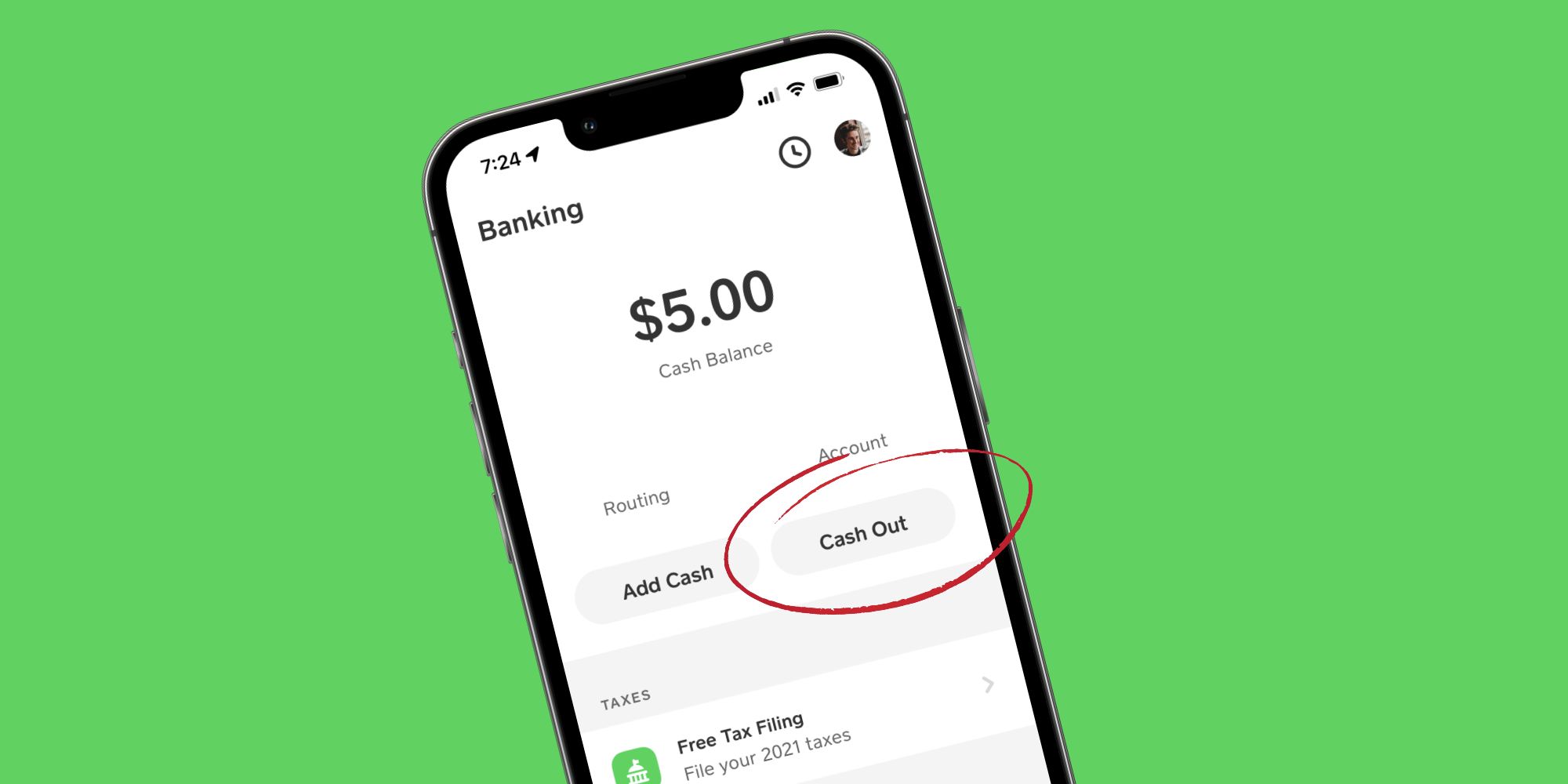
On the user interface, the “Withdraw” function is typically labeled as “Cash Out.” This terminology is intentional; it signifies the transition from the app’s internal ecosystem to the user’s external financial life. When you initiate a withdrawal, you are instructing the platform to liquidate your digital balance and send an equivalent amount of fiat currency to your primary financial institution. This is not a purchase or a payment, but a re-allocation of your own assets.
The Mechanics of Moving Money: Standard vs. Instant Withdrawals
From a personal finance perspective, how you choose to withdraw your money is just as important as the act itself. Cash App offers two primary pathways for moving funds, each with different implications for your cash flow and bottom line.
Standard Transfers: The ACH Network Explained
The “Standard” withdrawal method is the cornerstone of conservative financial management. When you select this option, the transfer is processed via the Automated Clearing House (CH) network. This is the same system used for direct deposits and utility payments.
Standard withdrawals are free of charge, making them the most cost-effective way to manage your money. However, the trade-off is time. These transfers typically take one to three business days to arrive in your bank account. For a user practicing disciplined budgeting, the standard transfer is the preferred choice, as it avoids unnecessary fees that can erode wealth over time.
Instant Deposits: The Cost of Convenience
For those in need of immediate liquidity, Cash App provides the “Instant” withdrawal option. This method utilizes the “Push to Card” technology, sending funds to your linked debit card within minutes. While the convenience is unparalleled, it comes at a price: a fee typically ranging from 0.5% to 1.75% (with a minimum fee).
In the context of business finance or tight personal budgeting, these fees must be scrutinized. While a 1.5% fee may seem negligible on a $20 transfer, it becomes significant on larger sums. A professional approach to finance involves weighing the “opportunity cost” of the wait time against the literal cost of the fee. If the funds are not needed for an emergency, the standard transfer is almost always the superior financial decision.
Managing Your Personal Finances: When and Why to Withdraw
The decision of when to withdraw money from a digital wallet is a key component of a broader financial strategy. Maintaining a high balance in a P2P app is rarely recommended by financial advisors, as it presents specific risks and missed opportunities.
Liquidity Management for Daily Expenses
Many users treat their Cash App balance as a “side-hustle” fund or a discretionary spending account. However, to maintain a clear picture of your financial health, it is often best to withdraw these funds to a central hub—your primary bank account. By centralizing your capital, you can more easily track your total net worth, monitor spending patterns via banking software, and ensure that your essential bills (like rent or insurance) are covered by a consolidated pool of funds.

The Importance of FDIC Insurance and Asset Protection
One of the most compelling reasons to withdraw funds to a traditional bank is the legal protection of your assets. While Cash App provides certain protections and uses partner banks for some of its features, funds held in a standard digital wallet balance may not always carry the same FDIC insurance as a traditional bank account (unless you have a Cash Card and are utilizing specific features).
By withdrawing your balance to a regulated bank, you ensure that your money is protected up to $250,000 by the Federal Deposit Insurance Corporation. For any serious student of personal finance, the security of the principal investment is the highest priority.
Security and Compliance in the Withdrawal Process
The process of withdrawing money is not just a technical transfer; it is a regulated financial event. To prevent fraud and money laundering, platforms like Cash App implement various security hurdles that users must navigate.
Identity Verification and Withdrawal Limits
If you find that you cannot withdraw a large sum of money, it is likely due to verification limits. In compliance with “Know Your Customer” (KYC) and Anti-Money Laundering (AML) laws, fintech platforms require users to verify their identity using a government-issued ID and social security number.
Once verified, your withdrawal limits are significantly increased. This is a vital security feature that protects the integrity of the financial system and ensures that the person withdrawing the funds is the rightful owner of the account. Understanding these limits is crucial for business owners who may be receiving large payments through the app and need to move that capital into their operating accounts.
Protecting Your Assets from Unauthorized Access
The “withdraw” function is often the primary target for bad actors. If a third party gains access to your account, their goal is almost always to withdraw your balance to an account they control. To prevent this, users should treat their withdrawal settings with the highest level of security. This includes enabling “Security Lock” (requiring a PIN or biometric scan for every transfer) and frequently auditing the linked bank accounts and debit cards. A professional approach to digital finance requires a “trust but verify” mindset regarding all outbound transfers.
Navigating Common Withdrawal Challenges
Even with a streamlined app, the movement of money between two different financial institutions can occasionally encounter friction. Knowing how to troubleshoot these issues is a hallmark of financial literacy.
Handling “Pending” Status and Reversals
Occasionally, a withdrawal may be marked as “Pending.” This usually occurs when either the sending or receiving institution flags the transaction for a manual security review. This is common with unusually large transfers or transfers made from new devices.
In some cases, a withdrawal might be “declined for your protection.” While frustrating, this is a sign that the app’s risk engine has detected a pattern that mirrors fraudulent activity. In these instances, the funds are typically returned to your Cash App balance within a few business days, and the user must re-initiate the transfer or contact support to verify the transaction’s legitimacy.
Troubleshooting Bank Connectivity Issues
A successful withdrawal depends entirely on the link between the app and your bank. If your bank changes its routing number, if your debit card expires, or if the bank’s server is down for maintenance, the withdrawal will fail.
To maintain seamless liquidity, it is wise to periodically check your linked accounts. If a withdrawal fails repeatedly, the first step should be to remove and re-add the linked bank account or debit card. This “refreshes” the digital handshake between the two institutions.

Conclusion: The Role of Withdrawals in a Healthy Financial Ecosystem
To “withdraw” on Cash App is to exercise control over your digital assets. It is the bridge between the fast-paced world of digital transactions and the stable, regulated world of traditional banking. By understanding the mechanics of standard versus instant transfers, the importance of FDIC insurance, and the necessity of identity verification, users can move their money with confidence.
Ultimately, the goal of any financial tool is to serve your broader objectives. Whether you are moving a small gift from a friend into your savings account or transferring business earnings into your payroll fund, the withdrawal process is the mechanism that turns a digital number into a real-world resource. Treat your withdrawals with the same precision and care as you would any other investment or banking transaction, and you will find that fintech apps become powerful allies in your journey toward financial independence.
aViewFromTheCave is a participant in the Amazon Services LLC Associates Program, an affiliate advertising program designed to provide a means for sites to earn advertising fees by advertising and linking to Amazon.com. Amazon, the Amazon logo, AmazonSupply, and the AmazonSupply logo are trademarks of Amazon.com, Inc. or its affiliates. As an Amazon Associate we earn affiliate commissions from qualifying purchases.