
In the rapidly evolving landscape of fintech, Cash App has emerged as a cornerstone of modern personal finance. By bridging the gap between traditional banking and digital convenience, it has revolutionized how millions of people send money, invest in stocks, and manage their daily expenses. However, as with any financial tool that handles hard-earned capital, the need for reliable communication with the service provider is paramount. Whether you are dealing with an unauthorized transaction, a delayed direct deposit, or a technical glitch affecting your Bitcoin portfolio, knowing exactly how to contact Cash App support is not just a matter of convenience—it is a critical component of your financial safety strategy.

Direct Communication Channels: How to Contact Cash App Support Safely
The first step in effective financial management is knowing where to turn when questions arise. In the digital age, scammers often prey on users seeking help, making it essential to use only the official, verified channels provided by Block, Inc. (the parent company of Cash App). Accessing support directly through the platform ensures that your sensitive financial data remains encrypted and protected from third-party bad actors.
Using the In-App Support Feature
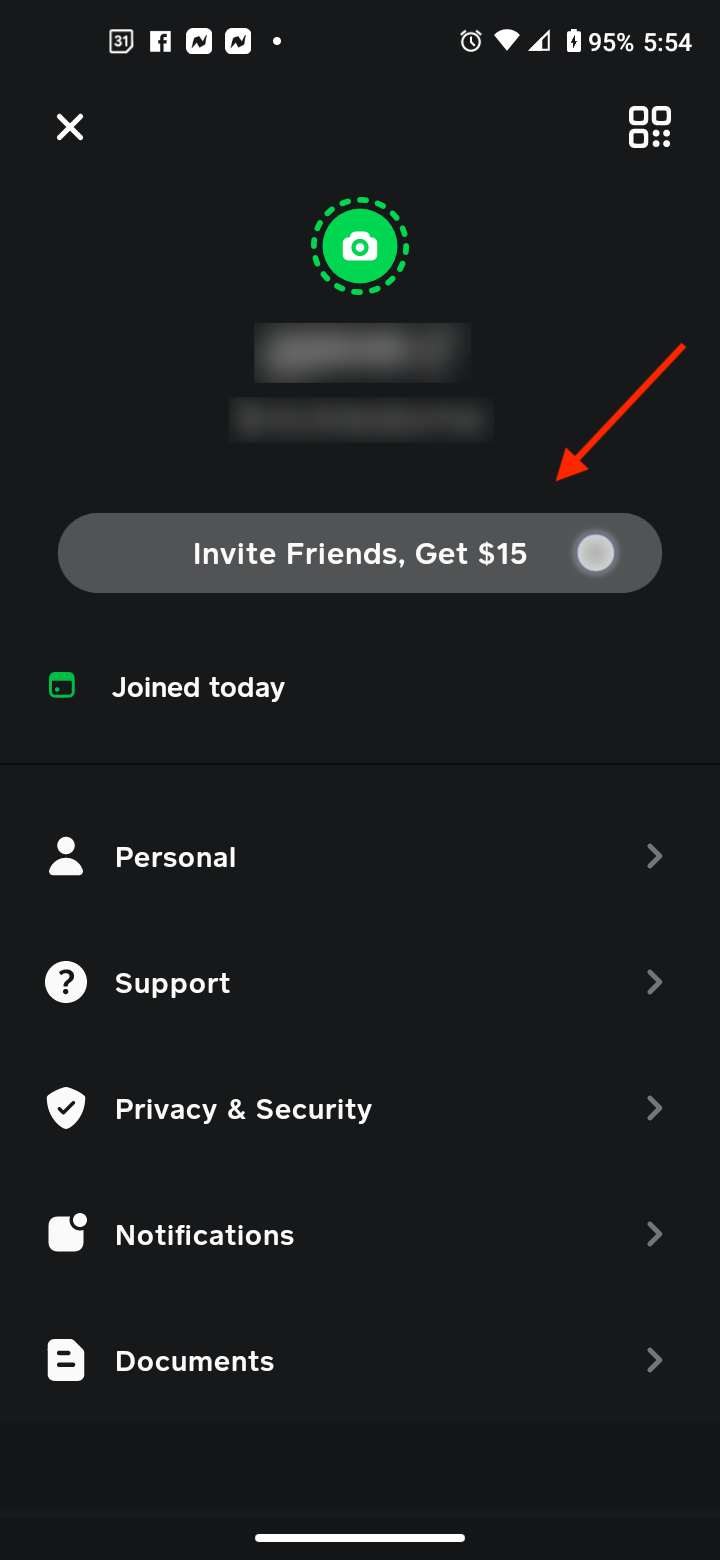
The most secure and efficient way to reach out for assistance is through the Cash App interface itself. Because you are already authenticated within your account, the support team can immediately see your transaction history and account status, which streamlines the resolution process. To do this, tap the profile icon on your home screen, select “Support,” and navigate to “Start a Chat.” This method is preferred for non-urgent inquiries, such as questions about transaction limits or dividend payments from stocks held within the app.
Official Phone Support and Verifying Legitimacy
For users who prefer verbal communication, Cash App offers a dedicated phone support line. However, a significant portion of financial fraud occurs through “vishing” (voice phishing), where scammers pose as Cash App representatives. To remain safe, you should only call the official number: 1 (800) 969-1940. It is vital to remember that a legitimate Cash App representative will never ask for your sign-in code, PIN, or full debit card number over the phone. If a caller asks you to send a “test” payment or download a remote access app like AnyDesk, hang up immediately, as these are hallmarks of financial scams.
Leveraging Social Media and Mail
While less common for immediate financial disputes, Cash App maintains a presence on social media platforms like X (formerly Twitter) and Instagram. These accounts, which carry a blue verified checkmark, can be useful for general inquiries or checking for service outages. For formal legal correspondence or complex financial documentation, users can also contact the company via mail at their headquarters in San Francisco. While slower, this provides a paper trail that can be useful for long-term record-keeping in personal finance management.
Protecting Your Assets: Understanding Security Protocols and Fraud Prevention
In the world of online income and digital wallets, your security posture is your first line of defense. Cash App provides several financial tools designed to keep your money safe, but these are only effective if the user understands how to implement them. Managing a digital account requires a proactive approach to security that goes beyond simply having a strong password.
Identifying Common Scams and “Cash Support” Phishing
One of the most prevalent threats to Cash App users is the “Cash Support” scam. Fraudulent actors often create fake social media profiles or websites that look identical to official Cash App pages. They may promise “Cash App Giveaways” or offer to “flip” your money—a classic Ponzi-style scheme. From a personal finance perspective, it is crucial to understand that there is no such thing as a “clearing fee” or “verification deposit.” Any request to send money in order to receive money is a definitive red flag for fraud.
Implementing Two-Factor Authentication (2FA) for Financial Safety
To secure your side hustle income or personal savings, you must utilize the “Security Lock” feature within the app. This requires your Touch ID, Face ID, or PIN for every transaction. Furthermore, enabling notification alerts for every cent that enters or leaves your account allows for real-time monitoring. In the context of financial tools, these features act as a digital vault, ensuring that even if your mobile device is compromised, your funds remain inaccessible to unauthorized users.
The Role of the Cash Card in Secure Transactions
The Cash Card—a Visa debit card linked to your Cash App balance—offers unique security advantages. One of the most powerful financial tools at your disposal is the “Lock Card” feature. If you misplace your card or notice suspicious activity, you can instantly disable the card within the app. This prevents any further withdrawals or purchases while you investigate the issue. Additionally, using a digital Cash Card for online subscriptions can add a layer of insulation between your primary bank account and the internet.
Dispute Resolution: What to Do When Transactions Go Wrong

Even the most diligent financial planners may encounter issues with payments or merchant disputes. Because peer-to-peer (P2P) payments are often instantaneous and irreversible, navigating the dispute process requires speed and a clear understanding of Cash App’s terms of service.
Initiating a Payment Cancellation
If you accidentally send money to the wrong person, the first financial move should be to check your “Activity” tab. If the payment is still “Pending,” there may be an option to cancel it. However, if the payment has cleared, the money has already left your account. In this case, the “Request” feature allows you to ask the recipient to return the funds. While this relies on the honesty of the other party, it is the standard first step recommended by financial institutions for P2P errors.
Reporting Unauthorized Charges and Fraudulent Activity
If you spot a transaction that you did not authorize, the clock is ticking. Under federal financial regulations, your liability for unauthorized electronic fund transfers is limited, but only if you report the activity promptly. Within the app, you can select the specific transaction and choose “Report a Problem.” This triggers an investigation by Cash App’s specialized team. During this time, it is wise to move any remaining balance to a linked traditional bank account until the security breach is resolved.
Managing Disputes for Merchant Purchases
When you use your Cash Card for a purchase that is never delivered or is significantly not as described, you have the right to file a dispute. This process mirrors the chargeback protocol used by traditional credit card companies. You will need to provide documentation, such as receipts, tracking numbers, and proof of your attempts to contact the merchant. Professional financial management involves keeping meticulous records of these interactions to ensure a higher success rate during the mediation process.
Maximizing Your Digital Wallet: Best Practices for Financial Management
Cash App is more than just a tool for sending money to friends; it is a comprehensive financial platform that can facilitate investing, tax reporting, and wealth building. To get the most out of the app, users should treat it with the same rigor they would apply to a high-yield savings account or a brokerage firm.
Integrating Cash App with Traditional Banking
For optimal personal finance health, Cash App should function as a satellite to your primary bank account rather than a total replacement. By linking a verified bank account or debit card, you can “Cash Out” your funds instantly in emergencies or move money over for long-term savings. Understanding the fee structures—such as the difference between a free standard transfer (1-3 days) and a paid instant transfer—is key to minimizing unnecessary financial leaks.
Tax Reporting and Financial Record Keeping
As the gig economy grows, many users use Cash App to receive payments for side hustles or freelance work. It is important to note that the IRS requires reporting of business income. Cash App facilitates this by providing tax documents (like Form 1099-K) for accounts that meet certain transaction thresholds. Engaging with the “Documents” section of the app allows you to download monthly statements, which are essential for accurate tax filing and monitoring your net worth.
Managing Direct Deposits and Bitcoin Investments
Cash App has expanded into the realms of payroll and cryptocurrency, offering users the ability to receive direct deposits up to two days early. For those looking to diversify their investment portfolio, the app’s Bitcoin and stock trading features provide a low-barrier entry into the markets. However, high-level financial strategy dictates that users should understand the volatility of these assets. Using the app to set up “Auto-Invest” can help in dollar-cost averaging, a proven method for long-term wealth accumulation.
The Future of Fintech Support: What to Expect from Mobile Banking Growth
As Cash App continues to scale, the infrastructure for customer support and financial security is evolving. The transition from traditional brick-and-mortar banking to mobile-first solutions brings both opportunities and challenges for the average consumer.
AI-Driven Customer Service vs. Human Intervention
The fintech industry is increasingly relying on artificial intelligence to handle the initial stages of customer support. While AI chatbots can resolve simple issues like password resets or balance inquiries instantly, complex financial disputes still require the nuanced judgment of human experts. As a user, knowing when to escalate a chat from a bot to a live representative is a vital skill in navigating the modern financial ecosystem.
Strengthening the Financial Infrastructure for Users
Looking ahead, we can expect tighter integration between fintech apps and global financial regulations. This will likely mean more robust identity verification (KYC) processes and enhanced fraud detection algorithms. For the user, this translates to a more secure environment for managing online income and personal savings. By staying informed about how to contact support and utilize security features, you position yourself to take full advantage of the convenience of Cash App while safeguarding your financial future.
aViewFromTheCave is a participant in the Amazon Services LLC Associates Program, an affiliate advertising program designed to provide a means for sites to earn advertising fees by advertising and linking to Amazon.com. Amazon, the Amazon logo, AmazonSupply, and the AmazonSupply logo are trademarks of Amazon.com, Inc. or its affiliates. As an Amazon Associate we earn affiliate commissions from qualifying purchases.