
In the era of the “Quantified Self,” the age-old question of “how many calories should I get a day?” has migrated from the back of cereal boxes and dusty medical textbooks into the realm of high-performance computing, artificial intelligence, and sophisticated wearable technology. We are no longer reliant on generic charts that provide a one-size-fits-all number based on a broad age range. Today, determining your caloric needs is a tech-driven endeavor that utilizes real-time biometric data, machine learning algorithms, and seamless software integration.
For tech enthusiasts and health-conscious consumers alike, the intersection of nutrition and technology offers a level of precision previously reserved for elite athletes. This article explores the technological landscape that allows us to decode our metabolic requirements with surgical accuracy.
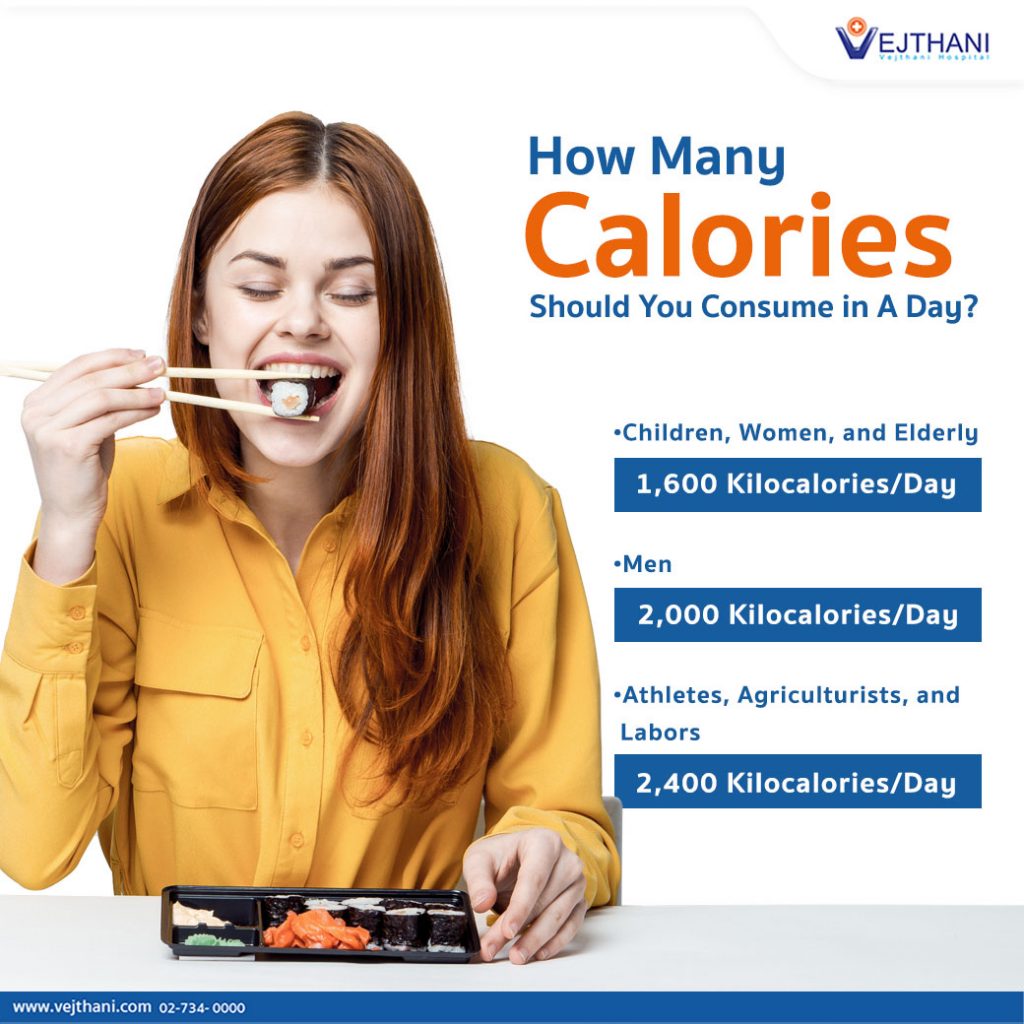
The Algorithm of Nutrition: How AI and Apps Calculate Personal Caloric Needs
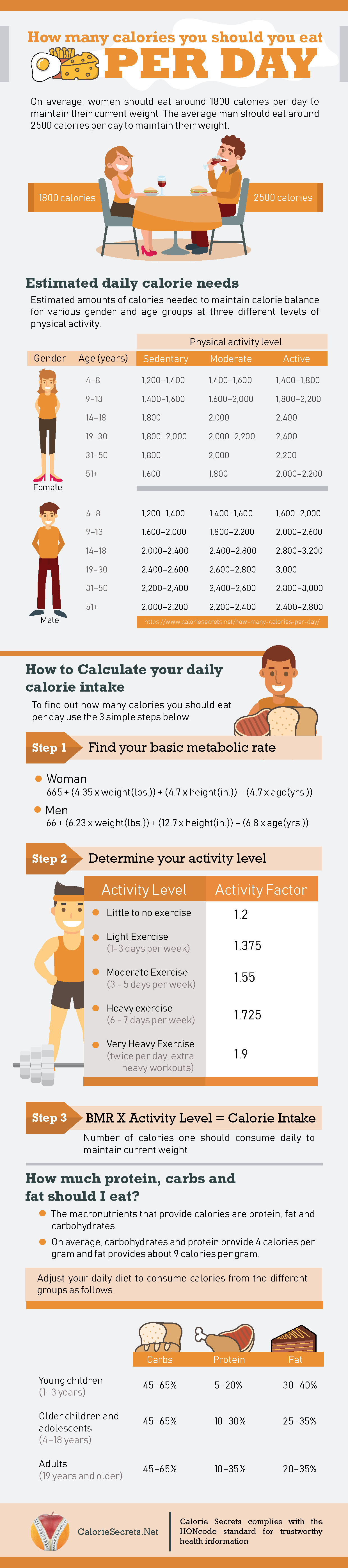
The foundation of determining caloric intake starts with mathematical models. However, modern software has evolved far beyond the static formulas of the past. By leveraging cloud computing and user-input data, mobile applications have transformed the way we calculate our Basal Metabolic Rate (BMR) and Total Daily Energy Expenditure (TDEE).
Beyond the Basal Metabolic Rate (BMR)
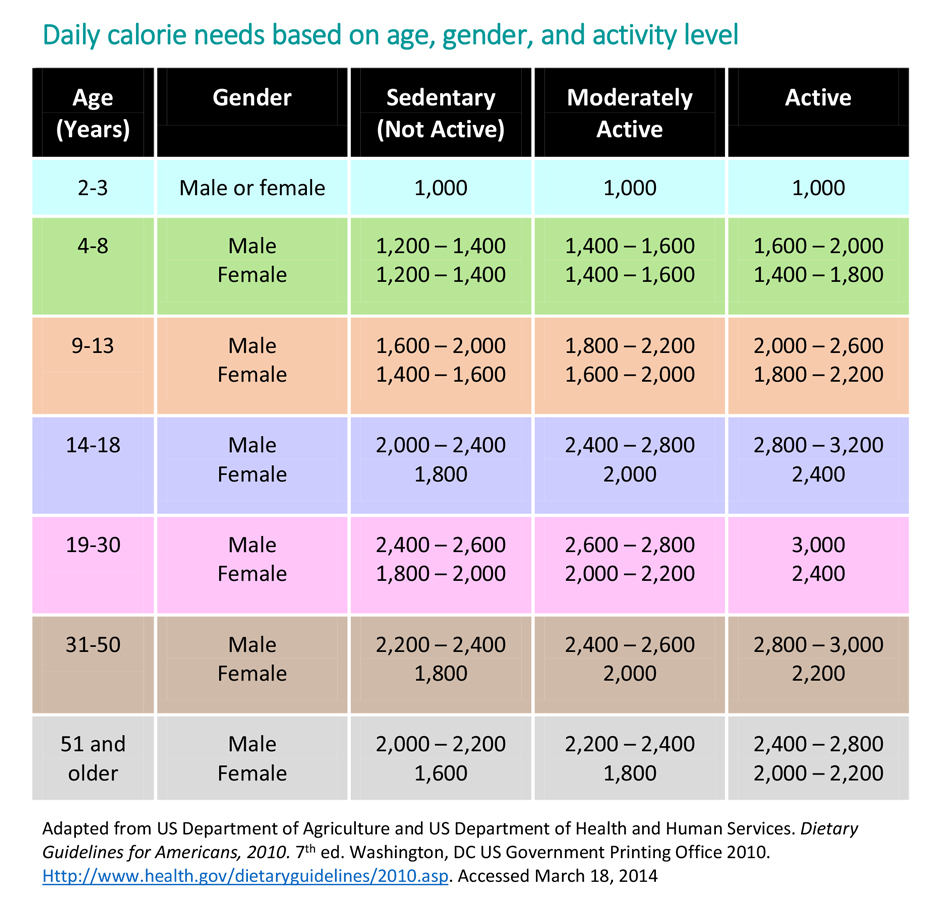
Traditionally, caloric needs were calculated using equations like the Harris-Benedict or the Mifflin-St Jeor formula. While these served as a baseline, they were often inaccurate because they could not account for individual metabolic nuances. Modern health-tech platforms now use these formulas merely as a starting point, layering them with dynamic data inputs.
Advanced apps now prompt users for specific variables—body fat percentage, lean muscle mass, and even historical weight fluctuations. By processing these variables through proprietary algorithms, the software can provide a more granular estimation of how many calories a specific individual burns at rest. This transition from “static formula” to “dynamic algorithm” represents a significant leap in personalized health technology.
Machine Learning and Personalized Nutritional Forecasting
The most sophisticated tools in the market today utilize machine learning (ML) to refine their caloric recommendations over time. When a user logs their food intake and their weight over several weeks, the software analyzes the delta between expected outcomes and actual results.
If an algorithm suggests 2,500 calories for weight maintenance, but the user gains weight despite sticking to that limit, the ML model identifies the discrepancy. It learns the user’s specific metabolic efficiency and adjusts the daily caloric goal automatically. This feedback loop represents the “smart” evolution of nutrition, where the software becomes more accurate the longer it is used, effectively creating a digital twin of the user’s metabolism.
Wearable Ecosystems: Tracking Energy Expenditure in Real-Time
While software handles the “input” side of the equation, wearable technology has revolutionized the “output” side. Determining how many calories you need requires an accurate understanding of how many you are burning through both exercise and Non-Exercise Activity Thermogenesis (NEAT).
Biometric Sensors: From Heart Rate to VO2 Max
Wearable devices—ranging from smartwatches to rings—utilize a suite of sensors to monitor activity. Photoplethysmography (PPG) sensors use light to measure blood flow and heart rate, which is a primary data point for calculating caloric burn during cardiovascular activity.
More advanced wearables now estimate VO2 max (the maximum amount of oxygen a person can utilize during intense exercise) and use respiratory rate data to gauge the intensity of an activity. By integrating these high-frequency biometric data points, the tech ecosystem can distinguish between a leisurely walk and a high-intensity interval training (HIIT) session, providing a real-time adjustment to the user’s “calories remaining” dashboard.
Synchronizing Data Silos for a Holistic View
The true power of health technology lies in interoperability. In the past, a calorie-counting app and a fitness tracker lived in separate digital silos. Today, through frameworks like Apple HealthKit, Google Fit, and various APIs, these devices communicate seamlessly.
When your wearable detects an unusually active day, it writes that data to your central health repository. Your nutrition app then pulls that data and adjusts your caloric target for the day to ensure proper recovery. This automated synchronization removes the “human error” element of manual entry, providing a tech-enabled solution to the question of daily caloric requirements based on actual physical expenditure rather than estimates.
The Future of Smart Sustenance: IoT and Computer Vision in Meal Tracking
One of the biggest friction points in answering “how many calories should I get a day?” is the difficulty of accurately logging what we consume. Technology is currently solving this problem through computer vision and the Internet of Things (IoT).
Photo-to-Calorie AI: Eliminating Manual Logging
The next frontier in nutritional tech is the use of computer vision to identify food and estimate portion sizes. Instead of searching a database for “medium avocado,” users can simply snap a photo of their plate. AI models, trained on millions of images, can identify the components of the meal and calculate the approximate caloric density and macronutrient breakdown.
These systems use depth-sensing cameras (like LiDAR found on modern smartphones) to estimate the volume of the food. While still an emerging field, the integration of neural networks into the dining experience is rapidly reducing the “cognitive load” of calorie tracking, making it easier for users to maintain a data-driven diet.
Smart Kitchens and Connected Appliances
The IoT revolution is also entering the kitchen. Smart scales that connect via Bluetooth to nutritional apps ensure that every gram of food is accounted for with digital precision. Furthermore, we are seeing the emergence of smart refrigerators that track inventory and expiration dates, often integrating with health apps to suggest recipes that fit within the user’s remaining caloric budget for the day.
This level of integration creates a “smart loop” where the environment itself assists in the management of caloric intake. When your kitchen knows your goals and your wearable knows your activity level, the tech stack effectively manages your health for you.
Digital Privacy and Security in Health Data Management
As we rely more heavily on technology to manage our caloric intake and physical health, the amount of sensitive data being generated is unprecedented. This brings the critical issue of digital security and data privacy to the forefront of the conversation.
Protecting Sensitive Biometric Information
Health data is among the most sensitive information a person can generate. It includes not just weight and age, but heart rate variability, sleep patterns, and even genetic markers in some cases. Tech companies are increasingly utilizing end-to-end encryption and on-device processing to ensure that this data is not intercepted or misused.
Users must be aware of the “Privacy Policy” of the apps they choose. Insightful tech management involves understanding where your data is stored—whether it remains on your local device or is uploaded to a cloud server. The shift toward decentralized data storage and “Differential Privacy” techniques is becoming a standard in the development of high-end health tech tools.
The Ethical Use of Predictive Health Analytics
There is also the question of how this data is used by third parties. If an app determines your caloric needs and tracks your adherence, could that data be sold to insurance companies or advertisers? The tech industry is currently navigating these ethical waters, with new regulations like GDPR and CCPA providing some level of protection.
As users, leveraging tech to answer “how many calories should I get a day?” requires a balance between the convenience of data-sharing and the necessity of digital sovereignty. The most professional and reliable tools are those that offer transparency regarding data monetization and provide users with granular control over their biometric information.
Conclusion: The Synergy of Human and Machine
The quest to determine your ideal daily caloric intake has been transformed by the digital revolution. We have moved from guesswork to a sophisticated synergy between human intent and machine precision. Through AI-driven software, real-time wearable biometrics, and the emerging capabilities of computer vision, technology provides a roadmap for health that is personalized, adaptive, and highly accurate.
However, the tech is only as good as the data provided and the security protocols in place. As we continue to integrate these tools into our daily lives, the focus must remain on using these insights to foster a sustainable lifestyle. Technology shouldn’t just tell us a number; it should provide the clarity and motivation to optimize our physical well-being in a data-saturated world. By embracing this tech stack, the answer to “how many calories should I get a day?” becomes not just a static figure, but a dynamic part of a larger, technology-enabled health journey.
aViewFromTheCave is a participant in the Amazon Services LLC Associates Program, an affiliate advertising program designed to provide a means for sites to earn advertising fees by advertising and linking to Amazon.com. Amazon, the Amazon logo, AmazonSupply, and the AmazonSupply logo are trademarks of Amazon.com, Inc. or its affiliates. As an Amazon Associate we earn affiliate commissions from qualifying purchases.