
In the modern landscape of personal finance, information is the most valuable currency. Whether you are setting up a direct deposit for a new high-yield savings account, initiating a complex wire transfer for a real estate investment, or simply automating your monthly utility payments, your bank account number serves as the foundational identifier for your financial persona. Despite its importance, many individuals find themselves at a loss when asked to provide this string of digits. Understanding how to find your account number—and more importantly, understanding what that number represents within the global financial ecosystem—is a critical component of financial literacy.
This guide explores the multifaceted ways to retrieve your account information, the distinctions between various financial identifiers, and the best practices for maintaining the security of your fiscal data.
Understanding the Architecture of Financial Identification
To manage your money effectively, you must first understand the language of banking. Every transaction that moves through the Federal Reserve or private clearinghouses relies on a specific set of numbers to ensure the funds reach the correct destination. The account number is the primary piece of this puzzle, but it does not function in a vacuum.
Account Numbers vs. Routing Numbers
The most common point of confusion for those navigating personal finance is the distinction between an account number and a routing number. In the United States, the routing transit number (RTN) is a nine-digit code that identifies the specific financial institution. Think of the routing number as the “address” of the bank building, while the account number is the “apartment number” that identifies your specific holdings within that building. While thousands of people share the same routing number, your account number is unique to your specific contractual relationship with the bank.
The Role of the IBAN and SWIFT Codes in International Finance
For those engaged in international investing or cross-border commerce, the standard domestic account number is often replaced or augmented by the International Bank Account Number (IBAN). The IBAN is an internationally agreed-upon system of identifying bank accounts across national borders with a reduced risk of transcription errors. Similarly, the SWIFT (Society for Worldwide Interbank Financial Telecommunication) code or Business Identifier Code (BIC) is used to identify specific banks globally. Understanding these variations is essential for anyone looking to scale their personal wealth through international markets.
Primary Methods for Retrieving Your Account Number
In the era of traditional banking, finding an account number required a trip to a physical branch or a search through a filing cabinet. While digital options have proliferated, these “analog” methods remain highly reliable and are often the first place a savvy consumer should look.
Deciphering the Physical Check
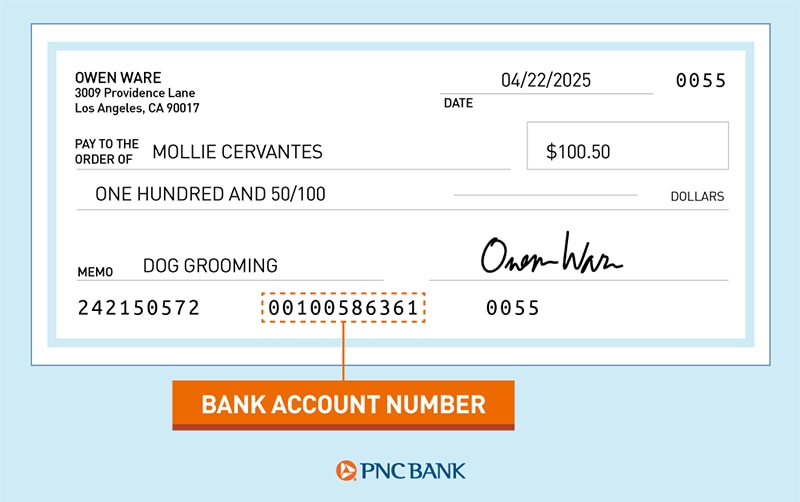
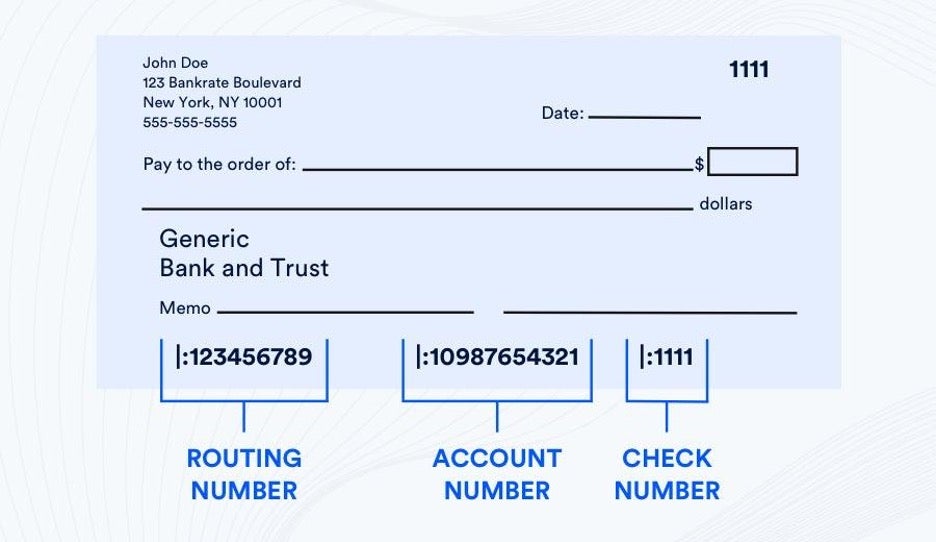
Perhaps the most straightforward way to find your account number is by looking at a physical check associated with the account. At the bottom of every standard personal check, you will find a string of numbers printed in a specialized font known as MICR (Magnetic Ink Character Recognition). This string typically consists of three distinct segments:
- The Routing Number: Usually the first nine digits on the left.
- The Account Number: The middle set of numbers, which can vary in length (typically 8 to 12 digits).
- The Check Number: The final set of digits on the right, which matches the number in the top-right corner of the check.
If you do not have a checkbook, many banks allow you to print a “voided check” or a “deposit slip” through their online portal, which contains the same information.
Navigating Monthly Statements and Correspondence
Your monthly bank statement is a legal document that provides a comprehensive overview of your financial health. It also serves as a primary source for your account information. Most institutions list the full account number at the top of the first page of the statement. However, for security purposes, some modern statements may truncate the number (e.g., showing only the last four digits). In such cases, checking the “Account Summary” section or looking at tax documents issued by the bank—such as a 1099-INT form for interest earned—can often reveal the full, unmasked digits.
Leveraging Digital Platforms for Instant Access

As fintech (financial technology) continues to evolve, the ease with which we can access our financial data has increased exponentially. Most modern consumers interact with their money through digital interfaces, which offer several secure pathways to retrieve account identifiers.
Mobile Banking Apps and User Interfaces
Mobile banking has revolutionized personal finance by putting a virtual teller in every pocket. To find your account number within a banking app, you generally need to log in using biometric verification (like FaceID or fingerprint scanning) to ensure security. Once inside, selecting a specific account—such as a “Premier Checking” or “Money Market” account—will typically lead to an “Account Details” or “Settings” tab.
Institutions often hide the full account number behind a “Show” or “Reveal” button to prevent “shoulder surfing” (others looking at your screen in public). This digital layer of protection is a hallmark of sophisticated financial tools designed to keep your assets secure while maintaining accessibility.
Online Portals and Secure Messaging
If a mobile app is unavailable, the bank’s desktop web portal offers an even more detailed view of your financial standing. Beyond just showing the account number, these portals often provide downloadable “Account Verification Letters.” These letters are official documents used for high-stakes financial maneuvers, such as applying for a mortgage or verifying funds for a business acquisition. If you cannot find the number through the standard UI, the “Secure Messaging” or “Chat” feature allows you to speak with a verified representative who can guide you to the correct menu or provide the number after additional identity verification.
Safeguarding Your Financial Information in the Digital Age
Knowing how to find your account number is only half the battle; the other half is knowing how to protect it. In the realm of money management, an account number is a “static credential.” Unlike a password that can be changed, an account number is often permanent unless you close the account and open a new one.
Best Practices for Data Privacy
To maintain your financial security, you should treat your account number with the same level of confidentiality as your Social Security number. Avoid emailing your account number in plain text. If you must share it with an employer for payroll or a financial advisor for asset management, utilize encrypted document portals or secure file-sharing services. Furthermore, always ensure that you are logged out of banking sessions on public computers and avoid accessing sensitive financial portals over unsecured public Wi-Fi networks.
Recognizing and Avoiding Financial Phishing Scams
A common tactic used by bad actors in the financial space is “phishing.” You may receive an urgent email or text message claiming there is an issue with your account and asking you to “verify” your account number. It is a cardinal rule of personal finance that legitimate financial institutions will never ask you to provide your full account number or password via an unsolicited communication. If you are ever in doubt, the safest course of action is to navigate directly to the bank’s official website or call the number on the back of your debit card.
Managing Multiple Accounts for Optimized Personal Finance
As your financial journey progresses, you will likely find yourself managing multiple account numbers across various institutions—checking accounts, savings accounts, brokerage accounts, and IRAs. Keeping this information organized is vital for long-term wealth building and tax compliance.
Organizing Information for Taxes and Audits
During tax season, having your account numbers readily available is essential for reporting interest income, dividends, and capital gains. Many high-net-worth individuals use secure, encrypted “vault” software or dedicated financial management tools to store their account details and routing numbers. This organization allows for a seamless hand-off to CPAs or tax preparers and ensures that tax refunds are routed to the correct interest-bearing accounts.
The Importance of Accurate Data for Automated Transfers
The hallmark of a sophisticated personal finance strategy is automation. Setting up “laddered” transfers—where money moves automatically from checking to high-yield savings, and then to investment vehicles—requires absolute accuracy in account number entry. A single transposed digit can lead to a “Return to Sender” error or, in worse cases, funds being deposited into the wrong account. By mastering the retrieval and verification of your account numbers, you ensure that your “wealth machine” operates without friction, allowing your money to work for you as efficiently as possible.
In conclusion, the ability to find and manage your account number is more than a clerical skill; it is a fundamental aspect of taking control of your financial life. From the ink on a paper check to the encrypted data within a mobile app, these digits represent your gateway to the global economy. By understanding where to find them and how to protect them, you build a more secure and prosperous financial future.
aViewFromTheCave is a participant in the Amazon Services LLC Associates Program, an affiliate advertising program designed to provide a means for sites to earn advertising fees by advertising and linking to Amazon.com. Amazon, the Amazon logo, AmazonSupply, and the AmazonSupply logo are trademarks of Amazon.com, Inc. or its affiliates. As an Amazon Associate we earn affiliate commissions from qualifying purchases.