
In an era dominated by instantaneous digital transfers, cryptocurrency, and contactless payments, the traditional paper check remains a resilient and often necessary tool in the world of personal finance. Whether you are paying rent to a landlord who prefers physical documentation, settling a large debt where a paper trail is non-negotiable, or simply managing your business expenses with a tangible ledger, knowing how to efficiently manage your check inventory is a vital financial skill. JPMorgan Chase, one of the world’s leading financial institutions, has streamlined this process through its digital banking platform.
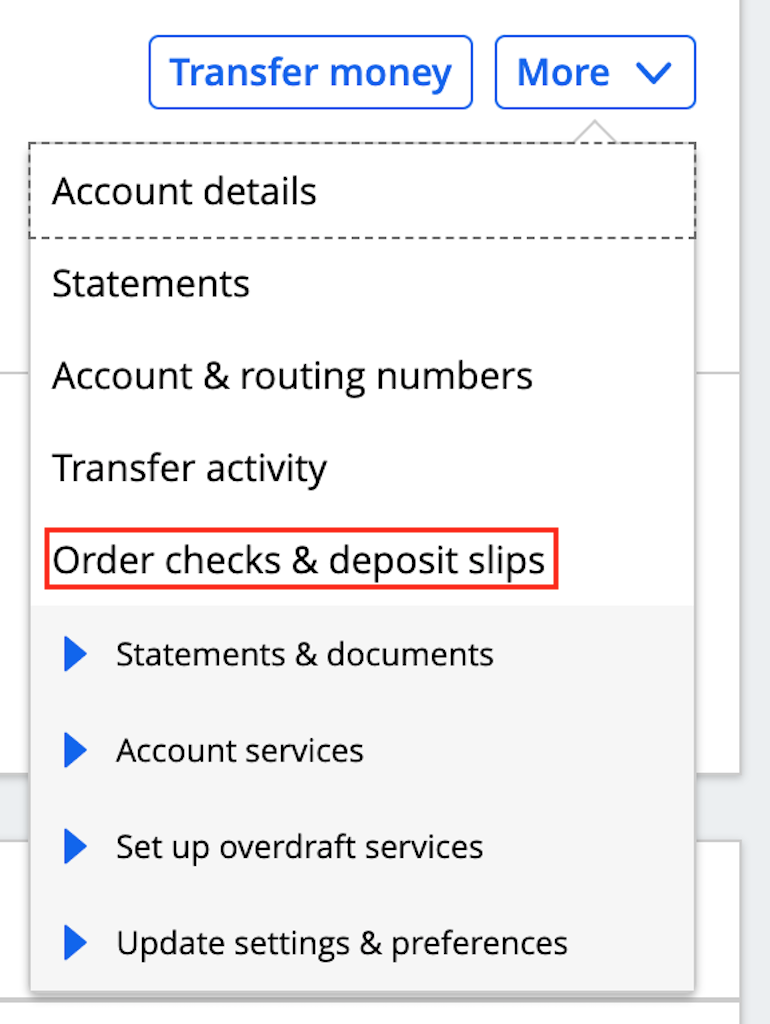
Ordering checks online from Chase is not merely a clerical task; it is an exercise in managing your financial tools. By utilizing the bank’s online portal, you can maintain control over your account security, customize your financial presentation, and ensure that your cash flow remains uninterrupted. This guide explores the logistical, economic, and security-based facets of ordering checks through Chase, ensuring you navigate the process with professional ease.
Navigating the Chase Online Ecosystem for Seamless Check Ordering
The first step in modernizing your financial management is mastering the interface provided by your banking institution. Chase’s online banking platform and mobile app are designed to act as a centralized hub for all account activities, including the procurement of physical payment instruments.
Accessing Your Account via Desktop and Mobile
To begin the process, you must log in to your account via the Chase website or the Chase Mobile app. For the most comprehensive experience, the desktop version is often preferred for check ordering, as it provides a clearer view of the various design options and security features. Once logged in, you should navigate to the “Account Services” or “Checking Summary” section.
The integration between the desktop portal and the check-printing vendor—usually Deluxe—is seamless. However, ensuring you are logged in through a secure, private connection is the first rule of digital financial security. Avoid using public Wi-Fi when accessing your banking credentials, as this is the primary point of vulnerability for identity theft.
Selecting the Right Account for Your Order
Many Chase customers maintain multiple accounts, such as a Total Checking account, a Premier Plus Checking account, or perhaps a business-specific account. Before proceeding to the order screen, it is imperative to verify which account requires the checks. Each account has its own routing and account number; a mistake here could lead to rejected payments and unnecessary overdraft fees.
The Chase interface allows you to toggle between accounts easily. Before clicking the “Order Checks” link, double-check the account balance and recent activity to ensure the account is in good standing. This proactive step prevents the frustration of a declined order due to insufficient funds for the printing and shipping fees.
Step-by-Step Instructions: Placing Your Order with Precision
Once you have navigated to the check ordering section, Chase will redirect you to its authorized partner, Deluxe. This transition is standard practice for major financial institutions, as specialized printers are required to produce checks that meet high-security standards and Federal Reserve requirements.
The Deluxe Payment Exchange Portal
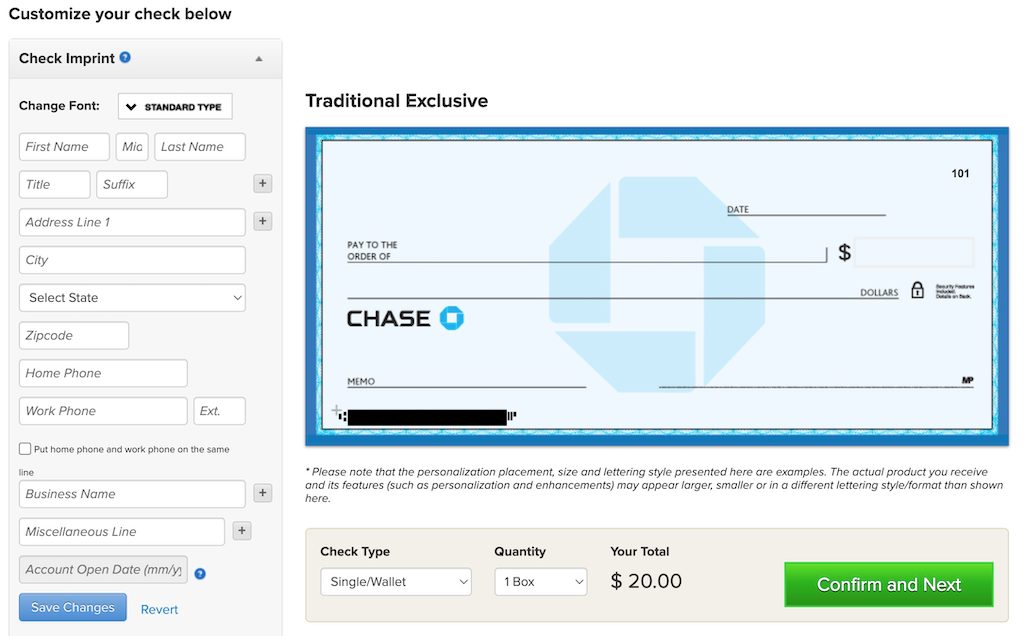
The redirection to the Deluxe portal allows for a higher degree of customization than a standard banking interface. Here, you will see your pre-filled account information. It is crucial to review the name and address printed on the checks. In the world of personal finance, accuracy is synonymous with credibility. If you have recently moved or changed your legal name, update this information with Chase before placing your check order to ensure your physical payment tools reflect your current legal status.
Choosing Designs and Security Features
While it may be tempting to choose a basic design, the “Money” niche of personal finance emphasizes the importance of security. Most check vendors offer “High Security” check options. These often include:
- Chemically sensitive paper: Which stains if someone attempts to alter the ink.
- Microprinting: Tiny text that is illegible to the naked eye and cannot be accurately reproduced by standard scanners.
- Watermarks: Visible only when held up to the light, proving the check’s authenticity.
Investing in these features is a wise financial move, especially if you frequently mail checks to third parties where the risk of interception is higher.
Confirming Your Shipping and Payment Details
The final phase of the order involves selecting a shipping method. For those in an immediate financial bind, expedited shipping is available, though it carries a premium cost. Standard shipping is often free or low-cost but can take up to 10-14 business days. From a budgeting perspective, it is best to order your next box of checks when you are down to your last 10–15 slips. This prevents the need for expensive “rush” shipping, keeping your banking costs at a minimum.
Understanding the Economics of Check Ordering
In personal finance, every dollar counts. While a box of checks might seem like a minor expense, the costs can vary significantly depending on your account tier and how you manage your relationship with the bank.
Decoding the Fee Structure
For a standard Chase Total Checking account, there is typically a fee associated with ordering checks. This fee covers the high-quality paper, the specialized magnetic ink (MICR) used for automated processing, and the labor of the printing house. On average, a single box of checks can cost anywhere from $20 to $35, depending on the quantity and design.
However, savvy financial managers know that these costs aren’t always set in stone. By understanding the “cost of doing business” with your bank, you can often find ways to mitigate these expenses.
Account Tiers and Complimentary Services
One of the benefits of moving up the financial ladder within the Chase ecosystem is the waiver of various fees. Customers with Chase Sapphire Checking, Chase Premier Plus Checking, or Chase Private Client accounts often receive standard checks at no additional cost.
If you are a frequent check user, it may be financially advantageous to maintain the higher minimum balance required for these premium accounts. The savings on check orders, combined with the lack of ATM fees and other perks, can yield a significant return on your “parked” capital. Always consult your account’s “Fee and Service” disclosure to see if you qualify for free checkbooks.
Safeguarding Your Financial Identity During the Ordering Process
Ordering checks involves the transmission and physical delivery of highly sensitive data. Your account number and routing number are the keys to your financial kingdom. Therefore, the security of the ordering process is just as important as the checks themselves.
Verifying Security Features on New Checks
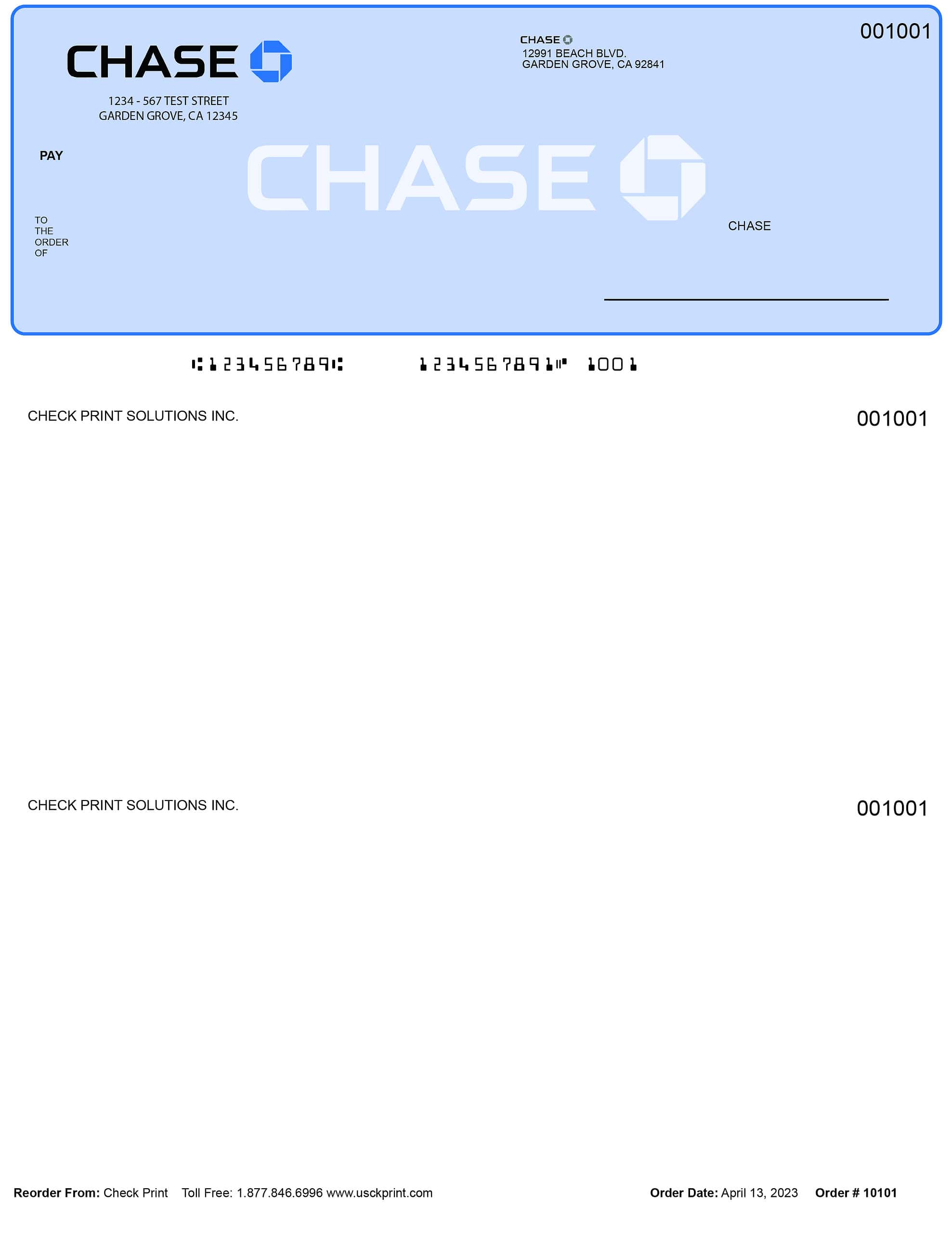
When your checks arrive, do not simply toss them into a drawer. Perform a “security audit.” Verify that the account number matches your records exactly. Check for the “Padlock” icon on the back of the check, which indicates that the document contains security features that meet industry standards.
In the context of business finance, ensuring that your checks have a “Void” pantograph (a feature where the word “VOID” appears if the check is photocopied) is a critical step in preventing corporate fraud. Personal finance experts recommend treatng a box of checks with the same level of care you would treat a stack of cash.
Best Practices for Receiving and Storing Checkbooks
One often overlooked vulnerability is the mail system. If you live in an area where mail theft is a concern, consider having your checks delivered to a local Chase branch for pickup or requiring a signature upon delivery. Once in your possession, store your checkbooks in a fireproof safe or a locked cabinet. Never sign a check until you are ready to issue it, and never leave your checkbook in your vehicle. These simple habits are the bedrock of sound financial security.
Modern Alternatives: When to Use Digital Payments Over Physical Checks
While this guide focuses on ordering checks, a modern financial strategy involves knowing when not to use them. Physical checks are prone to “check washing” (a type of fraud) and can be lost in the mail. As part of a robust personal finance plan, you should weigh the use of checks against Chase’s digital alternatives.
Chase QuickPay with Zelle
For peer-to-peer transactions—such as paying a friend back for dinner or paying a small-scale service provider—Zelle is often superior to a check. The transfer is instantaneous and does not expose your bank account number to the recipient. From a liquidity management standpoint, Zelle is preferable because the funds leave your account immediately, giving you a real-time view of your available balance, whereas a check may not be cashed for weeks, creating a “pending” liability that can complicate your budgeting.
Online Bill Pay and Wire Transfers
For recurring expenses like utilities or insurance, using Chase Online Bill Pay is generally safer and more efficient than mailing a physical check. Chase sends the payment electronically or mails a check on your behalf, often covering the postage and guaranteeing delivery by a certain date.
For very large, time-sensitive transactions—such as a down payment on a home—a wire transfer or a cashier’s check is usually required. While these carry higher fees than a standard personal check, they offer a level of guarantee and speed that personal checks cannot match.
By integrating both physical checks and digital tools, you create a versatile financial toolkit. Ordering your checks online from Chase is a simple task, but when viewed through the lens of professional financial management, it is a critical component of maintaining your account’s integrity, security, and utility. Stay proactive with your supplies, mindful of your account tiers, and vigilant about your security to ensure your personal finances remain in peak condition.
aViewFromTheCave is a participant in the Amazon Services LLC Associates Program, an affiliate advertising program designed to provide a means for sites to earn advertising fees by advertising and linking to Amazon.com. Amazon, the Amazon logo, AmazonSupply, and the AmazonSupply logo are trademarks of Amazon.com, Inc. or its affiliates. As an Amazon Associate we earn affiliate commissions from qualifying purchases.