
The world of finance can often feel like an exclusive club, guarded by complex jargon and intimidating price charts. However, the reality is that the stock market remains one of the most effective vehicles for long-term wealth creation available to the average person. To “get into stocks” is not merely about picking the next viral company; it is about adopting a disciplined mindset, understanding the mechanics of the market, and leveraging the power of compound growth. This guide provides a comprehensive roadmap for the aspiring investor, moving from the foundational basics to the execution of a sophisticated investment strategy.
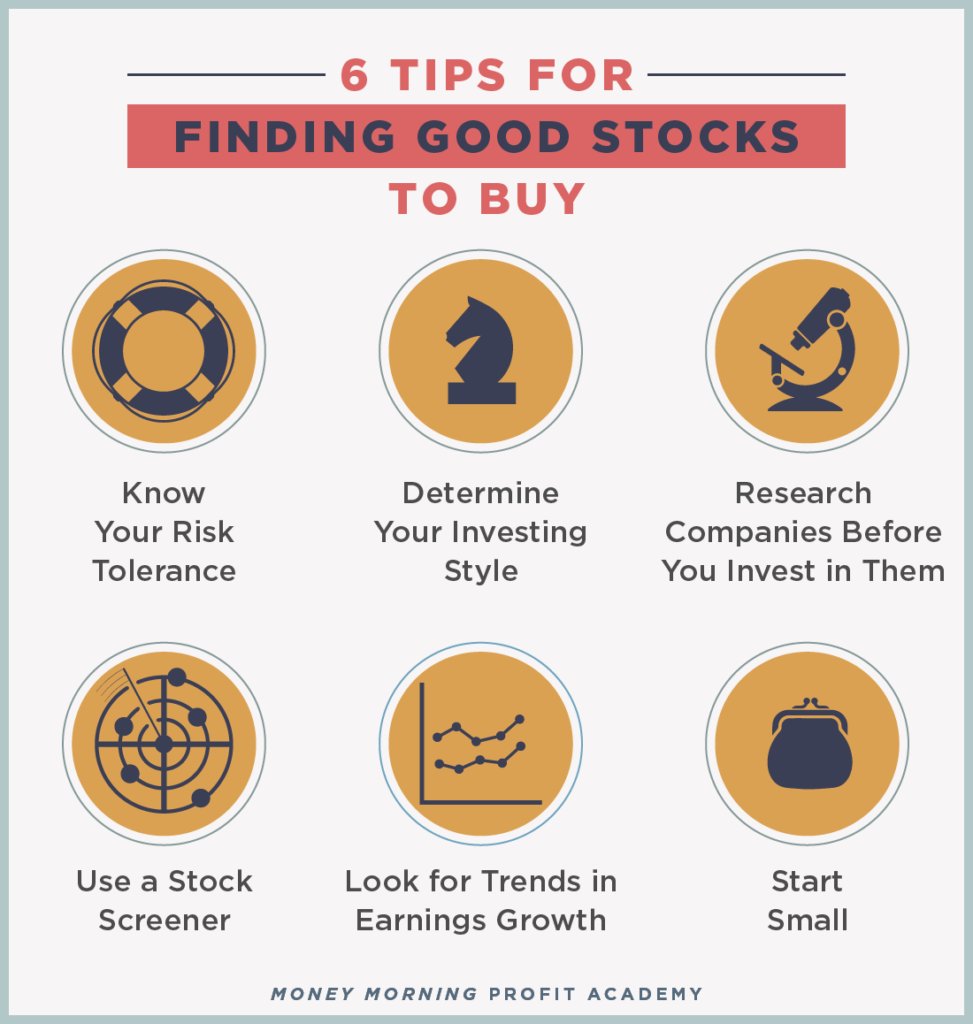
Establishing a Strong Financial Foundation
Before you purchase your first share of a company, you must ensure that your personal financial house is in order. Investing in the stock market involves risk, and the last thing a new investor should do is commit capital that is needed for immediate survival.
Assessing Your Financial Health
The first step is to evaluate your current cash flow. Do you have a consistent surplus at the end of the month? Before entering the market, it is widely recommended to have an emergency fund—typically three to six months of living expenses—tucked away in a high-yield savings account. This “buffer” ensures that if the market takes a temporary downturn, you are not forced to sell your stocks at a loss just to cover an unexpected car repair or medical bill. Additionally, high-interest debt, such as credit card balances, should be addressed first. The interest rates on debt often exceed the average returns of the stock market, meaning that paying off a 20% interest credit card is effectively a guaranteed 20% return on your money.
Defining Your Investment Goals and Risk Tolerance
Every investor has a different “why.” Are you investing for a retirement that is thirty years away, or are you looking to build a down payment for a house in five years? Your timeline—often called your investment horizon—greatly dictates your risk tolerance. Generally, the longer your horizon, the more risk you can afford to take, as you have time to recover from market cycles. Understanding your psychological relationship with money is equally important. If seeing your portfolio value drop by 10% in a single week would cause you to panic and sell, a more conservative allocation may be necessary.
Navigating the Mechanics of the Stock Market
Understanding what a stock actually is and how the marketplace functions is crucial for moving beyond guesswork and into informed decision-making.
Understanding Different Asset Classes and Instruments
When you buy a stock, you are purchasing a piece of equity—a literal ownership stake—in a corporation. As the company grows and generates profit, your share of that company becomes more valuable. However, “getting into stocks” doesn’t always mean buying individual companies like Apple or Amazon. Many beginners start with Exchange-Traded Funds (ETFs) or Mutual Funds. These instruments allow you to buy a “basket” of hundreds of different stocks in a single transaction. For example, an S&P 500 index fund gives you exposure to 500 of the largest publicly traded companies in the United States, providing instant diversification and reducing the risk associated with any single company failing.
The Role of the Brokerage Account
To trade stocks, you need a brokerage account. In the modern era, the barrier to entry has never been lower. Most major brokerages now offer zero-commission trading and user-friendly mobile interfaces. When choosing a broker, consider the types of accounts they offer. A standard taxable brokerage account offers the most flexibility, allowing you to withdraw money at any time. However, if you are investing for the long term, tax-advantaged accounts like an Individual Retirement Account (IRA) or a 401(k) can save you thousands of dollars in taxes over the course of your life. Selecting the right “bucket” for your money is just as important as selecting the right stocks.
Strategic Approaches to Building a Portfolio
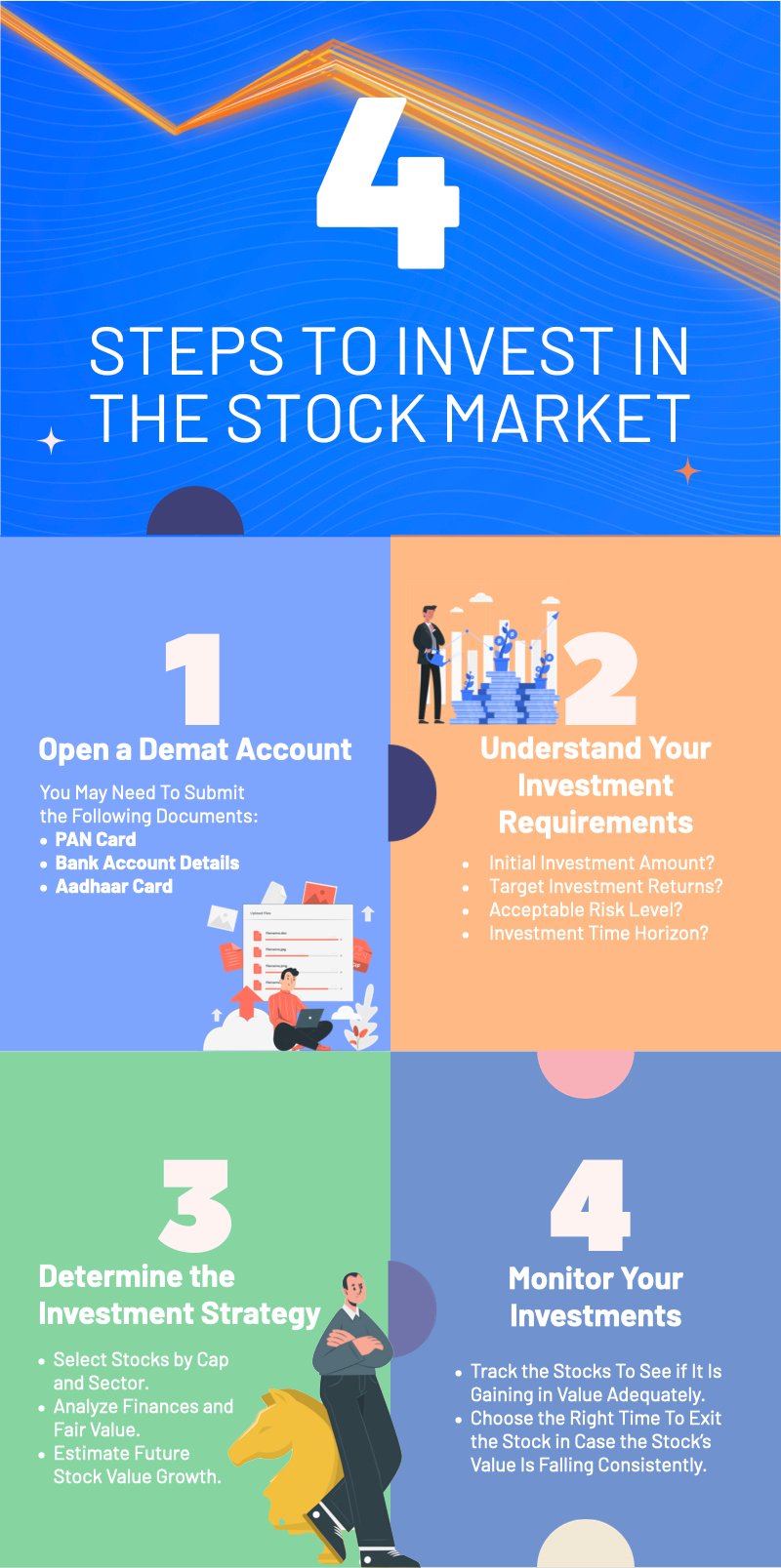
Once your account is funded, the challenge becomes selection. How do you decide where to put your hard-earned capital? Successful investors usually fall into one of several strategic camps, or a hybrid of them.
The Power of Index Funds and ETFs
For the vast majority of people, a “passive” investment strategy is the most effective path to wealth. History shows that it is incredibly difficult for even professional fund managers to consistently beat the overall market over long periods. By investing in low-cost index funds, you are essentially betting on the long-term growth of the economy as a whole. This “set it and forget it” approach minimizes management fees and reduces the emotional stress of tracking daily price fluctuations. It is a strategy built on the principle that time in the market is more important than timing the market.
Value Investing vs. Growth Investing
If you choose to pursue individual stocks, you will likely encounter two primary philosophies: Value and Growth. Value investing, popularized by figures like Warren Buffett, involves looking for companies that are trading for less than their “intrinsic value.” These are often established companies with steady dividends and strong balance sheets that the market has temporarily undervalued. On the other hand, Growth investing focuses on companies that are expected to grow at a rate significantly above the average for the market. These companies often reinvest all their profits into expansion and technology, offering the potential for massive capital gains, albeit with higher volatility.
Executing Your First Trade and Managing Growth
The transition from theory to practice happens the moment you place your first order. This stage requires technical knowledge of the trade process and the discipline to manage your portfolio over time.
How to Place Your First Buy Order
When you are ready to buy, you will encounter two main order types: Market Orders and Limit Orders. A Market Order instructs the broker to buy the stock immediately at the best available current price. This is useful if you want to enter a position quickly. A Limit Order, however, allows you to set a maximum price you are willing to pay. This provides more control, especially in volatile markets, ensuring you don’t accidentally pay more than you intended. For beginners, buying “fractional shares” is also a valuable option, allowing you to invest a specific dollar amount (e.g., $50) into a stock that might trade for $3,000 per share.
The Importance of Long-term Perspective and Rebalancing
The biggest enemy of the retail investor is often their own emotion. The stock market is prone to cycles of “irrational exuberance” and “extreme fear.” To combat this, many investors use Dollar-Cost Averaging (DCA). This involves investing a fixed amount of money at regular intervals, regardless of the price. When prices are high, your money buys fewer shares; when prices are low, your money buys more. Over time, this lowers your average cost per share. Additionally, it is important to “rebalance” your portfolio annually. If your tech stocks have performed exceptionally well and now make up a larger percentage of your portfolio than you intended, selling some of those gains to buy underperforming sectors helps maintain your desired risk level.
Essential Tools and Resources for the Modern Investor
While the mechanics of buying a stock are simple, the research required to stay informed is ongoing. A professional approach to “getting into stocks” requires utilizing the right tools for analysis.
Leveraging Fundamental and Technical Analysis
To understand the value of a company, investors look at “Fundamentals.” This involves reviewing a company’s financial statements—the Balance Sheet, Income Statement, and Cash Flow Statement. Key metrics include the Price-to-Earnings (P/E) ratio, which helps determine if a stock is expensive relative to its profit, and Debt-to-Equity, which measures financial stability. Conversely, “Technical Analysis” involves looking at price patterns and volume to predict future movements. While fundamental analysis tells you what to buy, technical analysis is often used by shorter-term traders to decide when to buy. For the long-term investor, a firm grasp of fundamentals is generally more beneficial.

Maintaining Discipline in Volatile Markets
The final piece of the puzzle is education and temperament. The market is an information machine, reacting to interest rate changes, geopolitical events, and corporate earnings reports. Staying informed through reputable financial news outlets and avoiding “hype” on social media is essential. Remember that the stock market is a mechanism for transferring wealth from the impatient to the patient. By focusing on high-quality assets, maintaining a diversified portfolio, and keeping your eyes on your long-term goals, you can navigate the complexities of the market and secure your financial future.
Investing is not a sprint; it is a marathon. By starting today—even with a small amount of money—you allow the math of compounding to work in your favor. The best time to start was ten years ago; the second best time is now. Through education, discipline, and a clear strategy, anyone can successfully “get into stocks” and build lasting financial independence.
aViewFromTheCave is a participant in the Amazon Services LLC Associates Program, an affiliate advertising program designed to provide a means for sites to earn advertising fees by advertising and linking to Amazon.com. Amazon, the Amazon logo, AmazonSupply, and the AmazonSupply logo are trademarks of Amazon.com, Inc. or its affiliates. As an Amazon Associate we earn affiliate commissions from qualifying purchases.