
The question of “when will the stock market go back up?” is one that resonates deeply with investors, from seasoned veterans to those just starting their financial journey. It’s a question born of natural human curiosity, often tinged with anxiety during periods of market volatility or prolonged downturns. While no one possesses a crystal ball to offer a precise date or timing, understanding the underlying dynamics of market cycles, historical patterns, and the key economic indicators that drive these movements can equip investors with the knowledge and resilience needed to navigate unpredictable financial landscapes. This article delves into the intricate factors influencing market recoveries, offering insights and strategic considerations rather than definitive predictions, empowering you to make informed decisions irrespective of market sentiment.
Understanding Market Cycles and Economic Drivers
The stock market does not move in a straight line; it ebbs and flows, a dynamic reflection of economic conditions, corporate performance, and investor sentiment. Recognizing these cyclical patterns is the first step in understanding the path to recovery.
The Cyclical Nature of Markets: Bear vs. Bull
Market cycles are characterized by two primary phases: bull markets and bear markets. A bull market signifies a period of sustained price increases, investor optimism, and economic growth, often defined by a rise of 20% or more from recent lows. Conversely, a bear market is marked by a prolonged decline in stock prices, typically 20% or more from recent highs, often accompanied by widespread pessimism and economic contraction. These cycles are natural and inevitable components of market evolution. Bear markets, while uncomfortable, are crucial for correcting overvaluations, shaking out excesses, and setting the stage for future growth. The question of “when will it go back up” fundamentally asks about the transition from a bear to a bull market or the continuation of an upward trend after a temporary correction. Understanding that these movements are cyclical helps investors contextualize downturns as temporary, albeit sometimes lengthy, phases within a broader long-term growth trajectory.
Key Economic Indicators to Monitor: Inflation, Interest Rates, GDP, Employment
The health of the stock market is inextricably linked to the broader economy. Several macroeconomic indicators serve as vital barometers, signaling potential shifts and influencing the market’s direction:
- Inflation: Persistent high inflation erodes purchasing power and corporate profit margins, often prompting central banks to raise interest rates, which can dampen economic activity and make equity investments less attractive compared to fixed income. Conversely, controlled inflation can be a sign of a healthy, growing economy.
- Interest Rates: Central bank policy, particularly interest rate adjustments, profoundly impacts the stock market. Higher rates increase borrowing costs for businesses and consumers, slowing economic growth, which can weigh on corporate earnings and stock valuations. Lower rates typically stimulate borrowing and spending, often fueling market rallies.
- Gross Domestic Product (GDP): GDP measures the total value of goods and services produced in an economy. Sustained GDP growth indicates a robust economy, which generally translates to stronger corporate earnings and a more favorable stock market environment. Economic contraction (negative GDP growth) often precedes or accompanies market downturns.
- Employment Data: Low unemployment rates, coupled with healthy wage growth, indicate a strong labor market and robust consumer spending, which are crucial drivers of corporate revenue and economic expansion. A weakening job market, conversely, signals economic distress.
Geopolitical Events and Their Market Impact
Beyond pure economic data, geopolitical events can introduce significant volatility and uncertainty. Conflicts, trade wars, policy shifts, and even natural disasters can disrupt supply chains, impact commodity prices, alter investor sentiment, and influence global economic stability. While often unpredictable, their impact can be immediate and widespread, causing sharp market declines or prolonged periods of stagnation. The recovery from such shocks often depends on the duration and resolution of the event, with markets eventually stabilizing as clarity emerges or new equilibria are established.
Historical Perspective: Lessons from Past Recoveries
While every market downturn is unique in its triggers and characteristics, history offers valuable lessons about the ultimate trajectory of equity markets.
The Inevitability of Recovery: A Look at Major Downturns
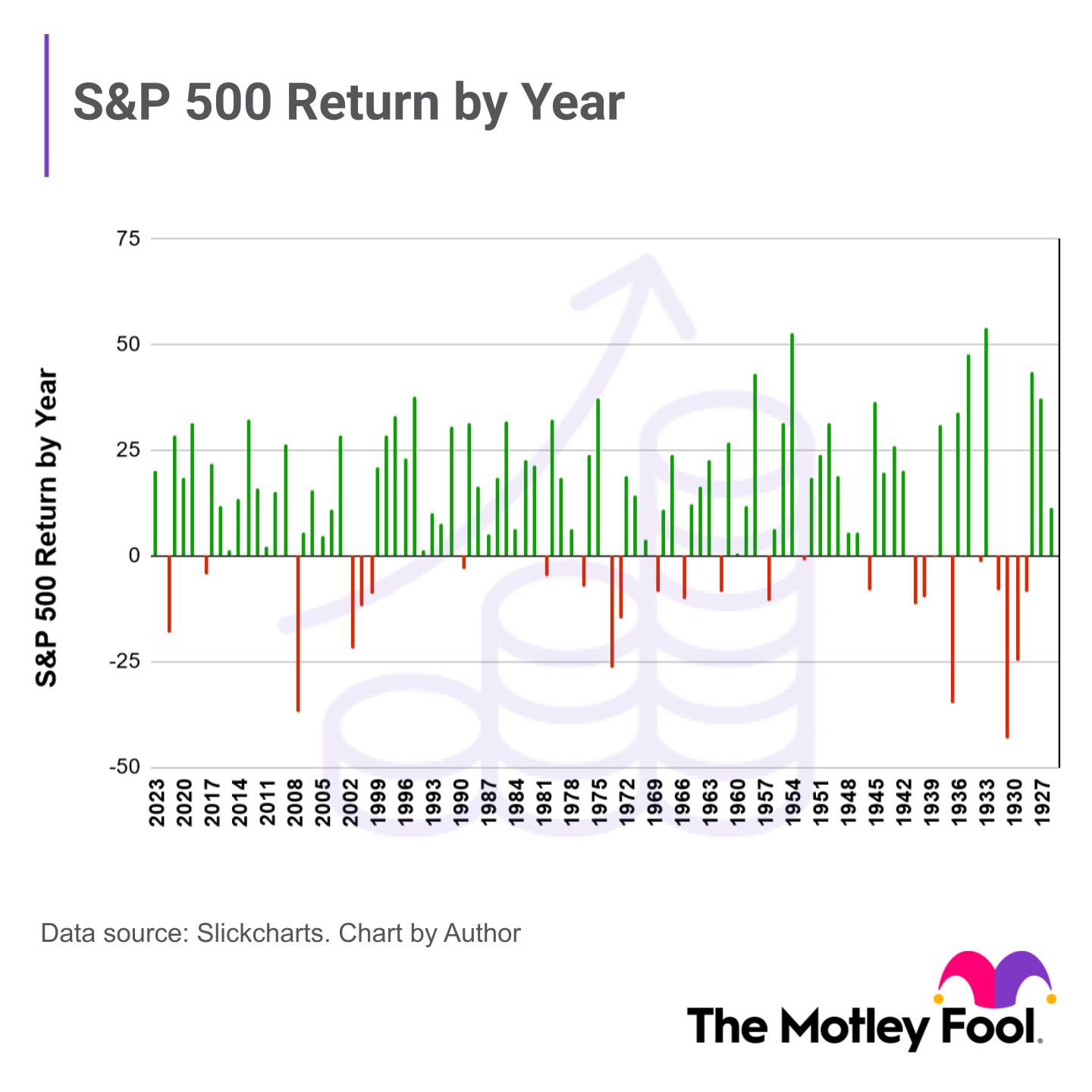
A recurring theme throughout financial history is the market’s remarkable ability to recover from even the most severe crises. From the Great Depression and the dot-com bubble burst to the 2008 financial crisis and the COVID-19 pandemic-induced crash, every significant market downturn has eventually been followed by a recovery, often leading to new all-time highs. This historical pattern underscores the long-term resilience of capitalism and innovation. While the pain of a downturn can feel absolute, the market’s long-term trend has always been upward. Patient investors who maintain their positions through turbulent times have historically been rewarded.
Average Duration of Bear Markets and Bull Runs
Statistical analyses of past market cycles reveal fascinating patterns. While bear markets can feel interminable, their average duration is often shorter than that of bull markets. Historically, bear markets (declines of 20% or more) have lasted, on average, anywhere from a few months to a couple of years, with some exceptions during extreme economic collapses. In stark contrast, bull markets have, on average, lasted for several years, delivering significant returns. For instance, data from sources like S&P Dow Jones Indices suggests that since World War II, the average length of a bear market has been about 9-10 months, while the average length of a bull market has been roughly 2-3 years. This disparity highlights that periods of growth typically outlast periods of contraction, offering a strong argument for a long-term investment horizon.
The Role of Investor Sentiment and Market Psychology
Beyond fundamentals, market movements are heavily influenced by investor psychology. Fear and greed are powerful emotions that can drive irrational behavior. During downturns, fear often leads to panic selling, pushing prices lower than justified by fundamentals. Conversely, during exuberant bull markets, greed can lead to speculative bubbles. The turning point for a market recovery often involves a shift in sentiment – from widespread pessimism and fear to cautious optimism, eventually leading to renewed confidence and buying activity. This shift is often catalyzed by improving economic data, clear policy actions, or the perception that the worst is over. Identifying this psychological inflection point is challenging, but understanding its importance is key.
Factors Influencing the Current Market Landscape
To gauge the potential for a market upturn, it’s essential to examine the specific drivers at play in the present economic environment.

Monetary Policy and Central Bank Actions
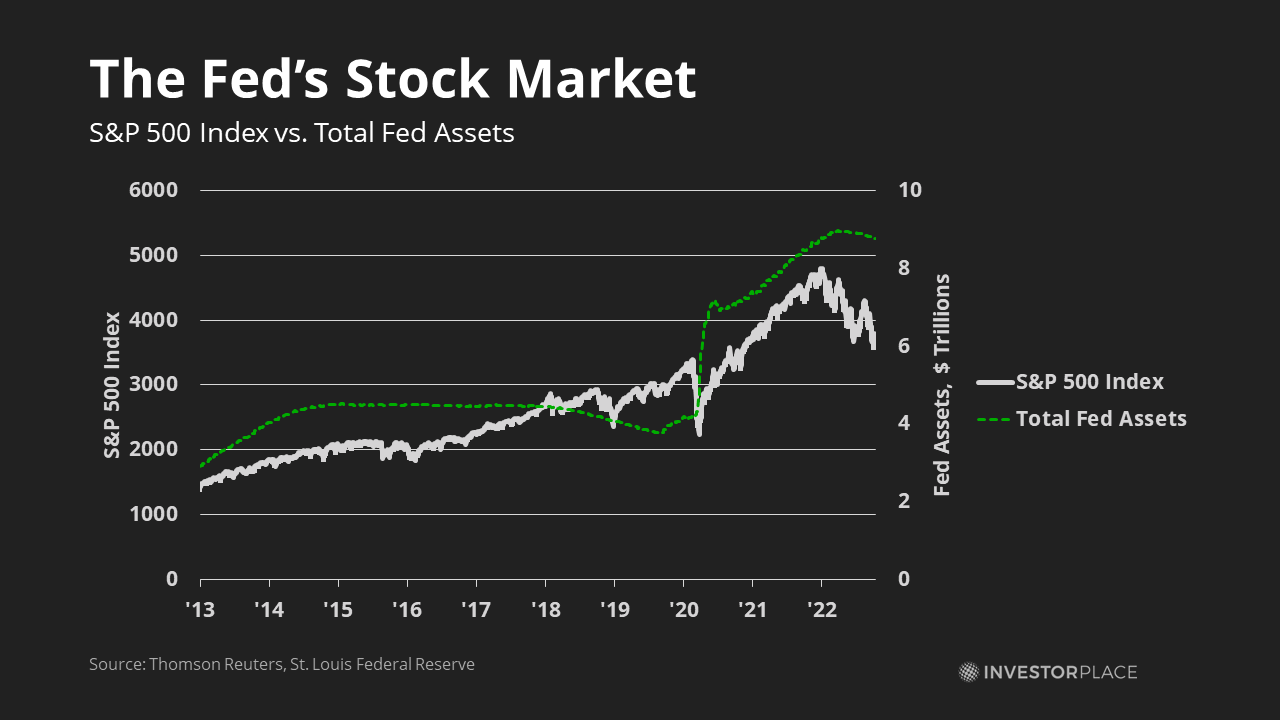
Central banks, such as the Federal Reserve in the U.S., play a pivotal role in managing economic stability through monetary policy. Their decisions on interest rates, quantitative easing (buying bonds to inject liquidity), or quantitative tightening (selling bonds to reduce liquidity) directly influence credit conditions, inflation, and investment decisions. When inflation is high, central banks tend to raise rates to cool the economy, which can depress asset prices. A pivot towards easing monetary policy – cutting rates or signaling future cuts – is often a strong catalyst for a market rally, as it reduces borrowing costs and stimulates economic activity. Investors closely watch central bank communications for clues about future policy direction.
Corporate Earnings and Fundamental Strength
Ultimately, the value of a stock is tied to the underlying company’s profitability and growth prospects. A sustained market recovery typically requires a rebound in corporate earnings. When companies demonstrate strong revenue growth, healthy profit margins, and positive future outlooks, investor confidence increases, driving stock prices higher. During downturns, earnings often decline, but signs of corporate resilience, cost-cutting efficiencies, and innovation can signal an impending recovery. Analyzing earnings reports, revenue trends, and forward guidance from companies across various sectors provides crucial insights into the fundamental health supporting a potential market rebound.
Consumer Confidence and Spending Patterns
Consumer spending is a major component of most economies. When consumers feel confident about their job security and financial future, they are more likely to spend, boosting demand for goods and services. This, in turn, fuels corporate revenues and economic growth. Conversely, declining consumer confidence often leads to reduced spending, which can exacerbate economic slowdowns and weigh on the stock market. Data on retail sales, consumer sentiment indices, and personal consumption expenditures are closely watched indicators of the strength of the consumer sector and its potential to drive economic recovery.
Technological Innovation and Disruptive Forces
While not a direct “market recovery” indicator, ongoing technological innovation plays a crucial long-term role in economic growth and market resilience. New technologies can create entirely new industries, improve productivity, and drive efficiencies across sectors, providing fresh avenues for investment and growth even during challenging times. Disruptive forces, while sometimes causing short-term shifts in market leadership, ultimately propel economic evolution and can be a significant engine for future bull markets. Recognizing companies and sectors at the forefront of innovation can be key for long-term investors aiming to benefit from the next wave of economic expansion.
Strategies for Investors During Market Downturns and Recoveries
Given the unpredictability of market timing, the most effective approach for investors is to adopt robust strategies that mitigate risk during downturns and capitalize on eventual recoveries.
The Importance of a Long-Term Perspective
Perhaps the most crucial advice for investors is to maintain a long-term perspective. Short-term market fluctuations are inherent, and attempting to time the market perfectly is notoriously difficult and often leads to suboptimal returns. Historical data consistently shows that remaining invested through market cycles, rather than buying high and selling low out of fear, yields significantly better results over extended periods. A long-term horizon allows temporary downturns to be smoothed out by subsequent recoveries and periods of growth.
Diversification and Asset Allocation
Diversification – spreading investments across different asset classes (stocks, bonds, real estate, commodities), industries, geographies, and company sizes – is fundamental to managing risk. When one sector or asset class underperforms, others may perform well, cushioning the overall portfolio. Strategic asset allocation, which involves determining the optimal mix of assets based on an individual’s risk tolerance, financial goals, and time horizon, ensures that a portfolio is robust enough to withstand various market conditions and positioned to capture growth across different opportunities.
Dollar-Cost Averaging: Turning Volatility into Opportunity
Dollar-cost averaging (DCA) is a disciplined investment strategy where an investor invests a fixed amount of money at regular intervals, regardless of market fluctuations. When prices are high, the fixed amount buys fewer shares; when prices are low, it buys more shares. This strategy removes emotional biases, reduces the risk of investing a large sum at an unfortunate market peak, and allows investors to accumulate more shares during downturns, effectively lowering their average purchase price over time. When the market eventually recovers, these accumulated shares contribute significantly to portfolio growth.
Rebalancing Your Portfolio
Over time, different assets in a portfolio will perform differently, potentially altering the original asset allocation. Rebalancing involves periodically adjusting the portfolio back to its target asset allocation. This often means selling some assets that have performed well (and are now overweight) and buying more of those that have underperformed (and are now underweight). Rebalancing serves to lock in gains, reduce risk by not letting any single asset become too dominant, and forces a disciplined “buy low, sell high” approach, aligning with an eventual market recovery.
Avoiding Emotional Decisions: Sticking to Your Plan
Market downturns are emotionally challenging. The natural instinct is often to panic sell to stop losses. However, giving in to these emotions typically leads to realizing losses and missing out on the subsequent rebound. Developing a well-defined investment plan that aligns with your financial goals and risk tolerance, and then sticking to that plan through thick and thin, is paramount. Automation of investments (like dollar-cost averaging) and regular review of your financial goals can help detach emotion from decision-making, allowing you to maintain discipline during volatile periods and ultimately benefit from the market’s eventual ascent.
In conclusion, while the precise timing of “when will the stock market go back up” remains unknowable, understanding the forces at play, learning from historical patterns, and employing disciplined, long-term investment strategies are the most powerful tools an investor possesses. The market’s consistent historical trajectory towards growth, underpinned by human ingenuity and economic evolution, provides a strong foundation for optimism, even amidst periods of uncertainty. By focusing on resilience, diversification, and a steadfast commitment to your financial plan, you position yourself not just to survive downturns, but to thrive in the inevitable recoveries that follow.
aViewFromTheCave is a participant in the Amazon Services LLC Associates Program, an affiliate advertising program designed to provide a means for sites to earn advertising fees by advertising and linking to Amazon.com. Amazon, the Amazon logo, AmazonSupply, and the AmazonSupply logo are trademarks of Amazon.com, Inc. or its affiliates. As an Amazon Associate we earn affiliate commissions from qualifying purchases.