
In the current economic landscape, entrepreneurship through acquisition (ETA) has emerged as one of the most viable paths to wealth creation. Rather than navigating the high failure rates associated with startups, sophisticated investors are increasingly looking to purchase established entities with proven cash flows, existing customer bases, and refined operational systems. However, the first hurdle for any prospective buyer is identifying the right marketplace. Knowing where to buy a business is not merely about finding a listing; it is about understanding the various ecosystems where value is exchanged, from massive public aggregators to the “hidden” off-market circles of private equity.

Online Marketplaces for Small and Mid-Sized Businesses (SMBs)
The digital age has democratized the process of business acquisition. Historically, buying a company required high-level connections or expensive brokerage fees. Today, online marketplaces serve as the primary entry point for individual investors and search funds looking for small to mid-sized businesses (SMBs).
General Business Brokerage Sites
The most prominent platforms in the “Money” niche for general acquisitions are BizBuySell and BizQuest. These sites act as the “Zillow” of the business world. BizBuySell, in particular, hosts over 45,000 active listings at any given time, ranging from local dry cleaners and gas stations to multi-million dollar manufacturing plants. These platforms are excellent for gauging market multiples—the ratio of a business’s earnings to its sale price—within specific industries.
Curated Digital Asset Marketplaces
For investors specifically interested in online income and digital real estate, curated marketplaces like Empire Flippers and FE International provide a more refined experience. Unlike open marketplaces, these platforms “vet” the businesses before listing them. They verify the financial statements, traffic data, and operational legitimacy of SaaS (Software as a Service) companies, e-commerce stores, and content sites. For a buyer focusing on “Money” and ROI, these platforms offer a layer of security by filtering out low-quality or fraudulent listings, though often at a higher premium.
Micro-Acquisition Platforms
Platforms like Acquire.com (formerly MicroAcquire) have revolutionized the lower middle market by focusing on profitable startups and small software companies. These platforms cater to buyers who are looking for high-growth potential and modern business models. The focus here is on transparency and speed, allowing investors to skip the lengthy bureaucratic processes often found in traditional brick-and-mortar sales.
Leveraging Specialized M&A Networks and Boutique Brokers
While online marketplaces provide volume, high-net-worth investors often find better value through specialized Mergers and Acquisitions (M&A) networks. These intermediaries operate in the “Money” space by matching sophisticated capital with high-performing enterprises that require a more discrete sale process.
The Role of Business Brokers in High-Value Transactions
A business broker acts as a conduit between the seller’s desire for liquidity and the buyer’s desire for an asset. In transactions exceeding $1 million in Enterprise Value (EV), brokers provide essential services such as neutral third-party valuation and deal structuring. Working with a boutique broker allows a buyer to access “pocket listings”—businesses that are for sale but are not advertised publicly to protect the company’s reputation and employee morale.
Industry-Specific M&A Firms
Certain sectors, such as healthcare, HVAC services, or logistics, have dedicated M&A firms. For an investor, focusing on these niche firms is a strategic move to ensure they are seeing the best deals within a specific vertical. These firms understand the nuances of industry-specific financial metrics, such as specialized licensing requirements or recurring contract values, which are critical for accurate due diligence and financial modeling.
Search Funds and Investor Circles
The “Search Fund” model is a professionalized approach to buying a business where an investor (or a group of investors) raises capital specifically to search for and acquire a single company to manage. Being part of an investor circle or a search fund community can provide access to shared deal flow. In these circles, the focus is strictly on the financial health and “investability” of the target, often targeting businesses with $1M to $5M in EBITDA (Earnings Before Interest, Taxes, Depreciation, and Amortization).
The “Hidden Market”: Sourcing Off-Market Deals

The most profitable acquisitions often happen where there is no competition. This is known as the “hidden market,” where businesses are bought directly from owners who hadn’t yet listed their company for sale.
Direct Outreach and Cold Prospecting
Sophisticated investors often use data-mining tools to identify businesses that fit their investment criteria—such as those owned by founders nearing retirement age (Baby Boomers) or companies in consolidating industries. By reaching out directly via professional letters or networking, a buyer can negotiate a deal without the upward price pressure of an auction environment. This strategy requires more legwork but often results in a lower purchase multiple and better terms.
Networking through Professional Gatekeepers
Accountants (CPAs) and estate attorneys are the ultimate gatekeepers in the world of business finance. They are the first to know when a business owner is considering retirement, facing financial distress, or looking for an exit strategy for tax reasons. Cultivating relationships with these professionals can lead to “warm introductions” to sellers. From a financial perspective, these deals are often cleaner because the professional gatekeepers have already been involved in the company’s financial oversight.
Evaluating the Financial Health of a Potential Acquisition
Once you know where to look, the focus must shift to the “Money” aspect: the financial evaluation. Buying a business is essentially buying a future stream of cash flow, and the price you pay determines your ultimate Return on Investment (ROI).
Due Diligence and Financial Forensics
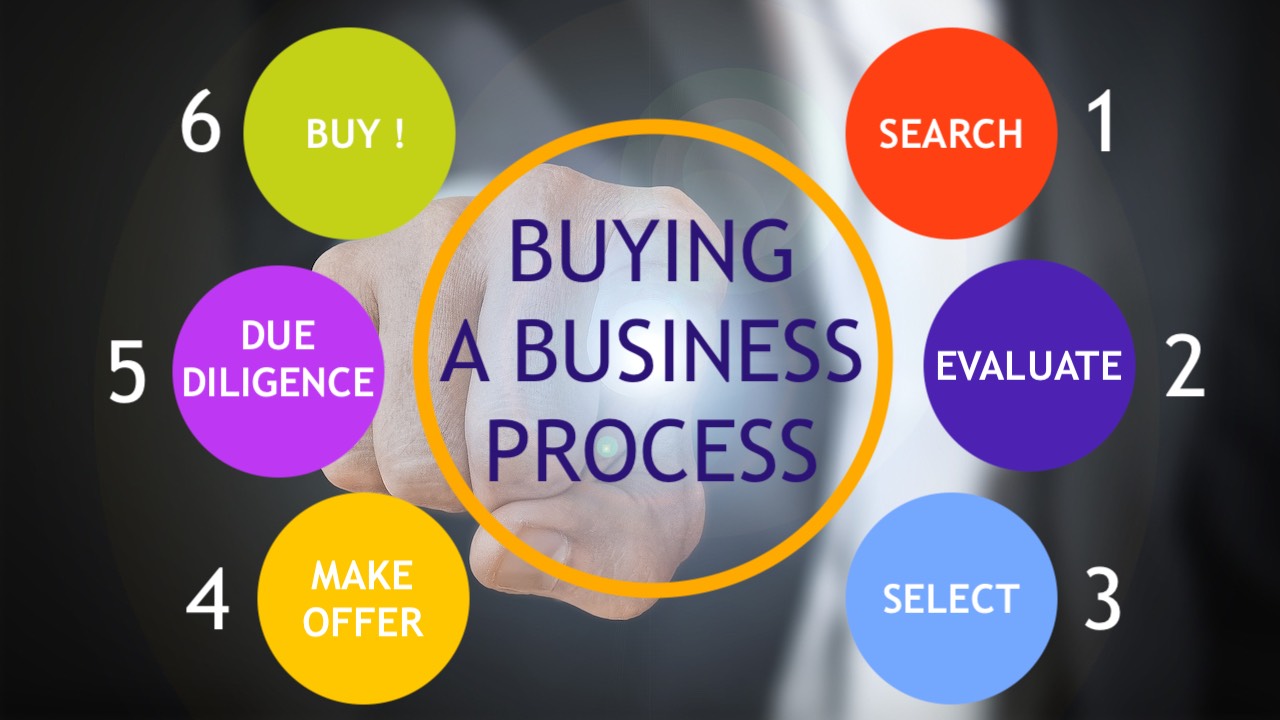
Due diligence is the process of verifying that the business is as profitable as the seller claims. This involves auditing the Profit and Loss (P&L) statements, balance sheets, and tax returns for the last three to five years. Investors must look for “add-backs”—expenses that the current owner pays for that a new owner might not (such as a personal car lease or one-time repairs). These are added back to the net income to calculate the Seller’s Discretionary Earnings (SDE), which is the standard metric for valuing small businesses.
Multiples and Valuation Methodologies
The price of a business is typically a multiple of its SDE or EBITDA. For example, a local service business might sell for 2x to 3x SDE, while a high-growth SaaS company might sell for 5x to 8x EBITDA. Understanding these benchmarks is crucial for any investor. If a business is priced significantly higher than the industry average without a clear competitive advantage, it represents a poor financial risk. Conversely, finding a “mispriced” asset is where the greatest wealth is generated in the acquisition space.
Financing Your Acquisition: The Engine of Growth
Identifying a business is only half the battle; the other half is structuring the capital stack. In the realm of business finance, how you pay for the acquisition is just as important as the price you pay.
SBA Loans and Traditional Bank Financing
In the United States, the Small Business Administration (SBA) 7(a) loan program is the gold standard for business acquisition. It allows buyers to acquire a business with as little as 10% down, with the government guaranteeing a large portion of the loan. This level of leverage—using 10% of your own money to control 100% of a cash-flowing asset—is what makes business acquisition such a powerful tool for building personal net worth.
Seller Financing and Earnouts
Seller financing occurs when the buyer pays a portion of the purchase price over time, essentially turning the seller into the bank. This is a critical risk-mitigation tool. If the seller is willing to keep “skin in the game,” it demonstrates confidence in the business’s future performance. An “earnout” is a similar structure where a portion of the payment is contingent on the business meeting certain financial milestones post-acquisition. For the investor, this protects against a sudden drop in revenue after the change in ownership.
Using Private Equity and Mezzanine Debt
For larger acquisitions, investors may turn to private equity partners or mezzanine debt. This involves bringing in outside capital in exchange for equity or higher-interest debt. While this dilutes the buyer’s ownership, it allows for the acquisition of much larger, more stable companies that would be out of reach for a solo investor. In the world of “Money,” the goal is to balance the cost of capital against the expected yield of the business asset.
By understanding these marketplaces and financial structures, an investor can transition from searching for a job to owning a cash-generating engine. Whether utilizing public marketplaces, private brokers, or direct outreach, the key to success in buying a business lies in rigorous financial analysis and strategic deal-making.
aViewFromTheCave is a participant in the Amazon Services LLC Associates Program, an affiliate advertising program designed to provide a means for sites to earn advertising fees by advertising and linking to Amazon.com. Amazon, the Amazon logo, AmazonSupply, and the AmazonSupply logo are trademarks of Amazon.com, Inc. or its affiliates. As an Amazon Associate we earn affiliate commissions from qualifying purchases.