
In the modern financial landscape, car insurance is often viewed as a mandatory burden—a recurring expense that eats into monthly budgets with seemingly little to show for it until a crisis occurs. However, from a personal finance perspective, car insurance is one of the most flexible “fixed” costs in a household budget. Finding “cheap” car insurance is not merely about finding the lowest price tag; it is about optimizing the intersection of risk management and premium costs.
In an era of rising inflation and increased vehicle repair costs, the quest for affordable coverage requires a strategic approach. This guide explores the mechanisms behind insurance pricing, the best avenues for sourcing competitive rates, and the financial maneuvers you can employ to minimize your premiums without compromising your financial security.
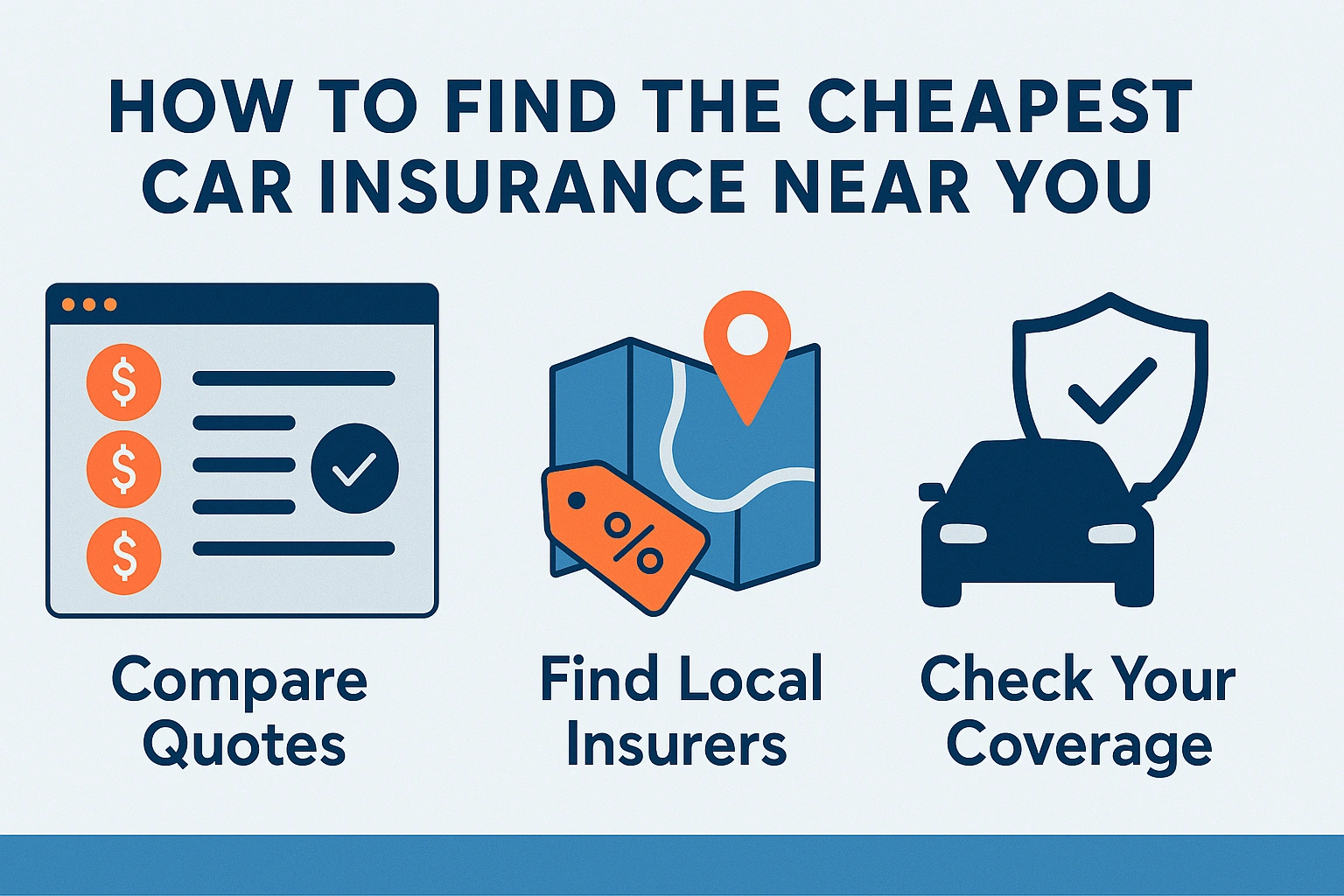
Understanding the Financial Factors Influencing Car Insurance Premiums
Before searching for a provider, it is essential to understand that insurance companies are essentially risk-assessment entities. They use complex actuarial data to determine how likely you are to cost them money. To find the cheapest rates, you must understand how these companies view your financial and personal profile.
Personal Demographics and the Credit Score Correlation
In the world of personal finance, your credit score is more than just a gateway to loans; in most states, it is a primary determinant of your car insurance premium. Statistically, insurers have found a correlation between credit management and driving responsibility. Individuals with “Good” to “Excellent” credit scores often pay significantly less than those with “Poor” scores. Improving your credit health is perhaps the most sustainable long-term strategy for lowering your insurance costs.
Vehicle Make, Model, and Asset Valuation
The type of car you drive dictates the “Physical Damage” portion of your premium. A high-end luxury vehicle costs more to repair and is more attractive to thieves, leading to higher comprehensive and collision costs. Conversely, a vehicle with high safety ratings and moderate repair costs—such as a mid-sized sedan or a reliable SUV—will naturally attract lower premiums. When shopping for a car, viewing it through the lens of total cost of ownership (TCO) including insurance is a vital financial habit.
Geographic Risk and Driving History
Your zip code acts as a data point for crime rates, traffic density, and weather-related claims. While you may not move just to save on insurance, being aware of how your location impacts your rates allows you to better evaluate quotes. Furthermore, your “CLUE” (Comprehensive Loss Underwriting Exchange) report, which tracks your claims history, is the first thing an insurer checks. Maintaining a clean record for three to five years is the most effective way to stay in the “preferred” tier of pricing.
Strategic Methods to Reduce Your Annual Premiums
Once you understand the factors at play, you can begin implementing financial strategies to drive costs down. “Cheap” insurance is often the result of active management rather than passive shopping.
Leveraging Strategic Discounts and Bundling
One of the most effective ways to lower costs is through “Multi-policy” or “Multi-car” discounts. By bundling your auto insurance with your homeowners or renters insurance, you create a “sticky” relationship with the insurer, for which they reward you with significant premium reductions (often 10% to 25%). Additionally, look for “affinity” discounts related to your profession, alumni association, or military service. These are often under-utilized financial tools that can shave hundreds off an annual bill.
Adjusting Deductibles and Coverage Limits
In personal finance, the “deductible” is your self-insured portion of a loss. By increasing your deductible from $500 to $1,000 or even $2,000, you are assuming more of the initial risk, which prompts the insurer to lower your premium. This is a wise move if you have an adequate emergency fund. Furthermore, if you drive an older vehicle with a low market value, it may be financially prudent to drop collision and comprehensive coverage entirely, as the premium paid over two years might exceed the actual cash value of the car.
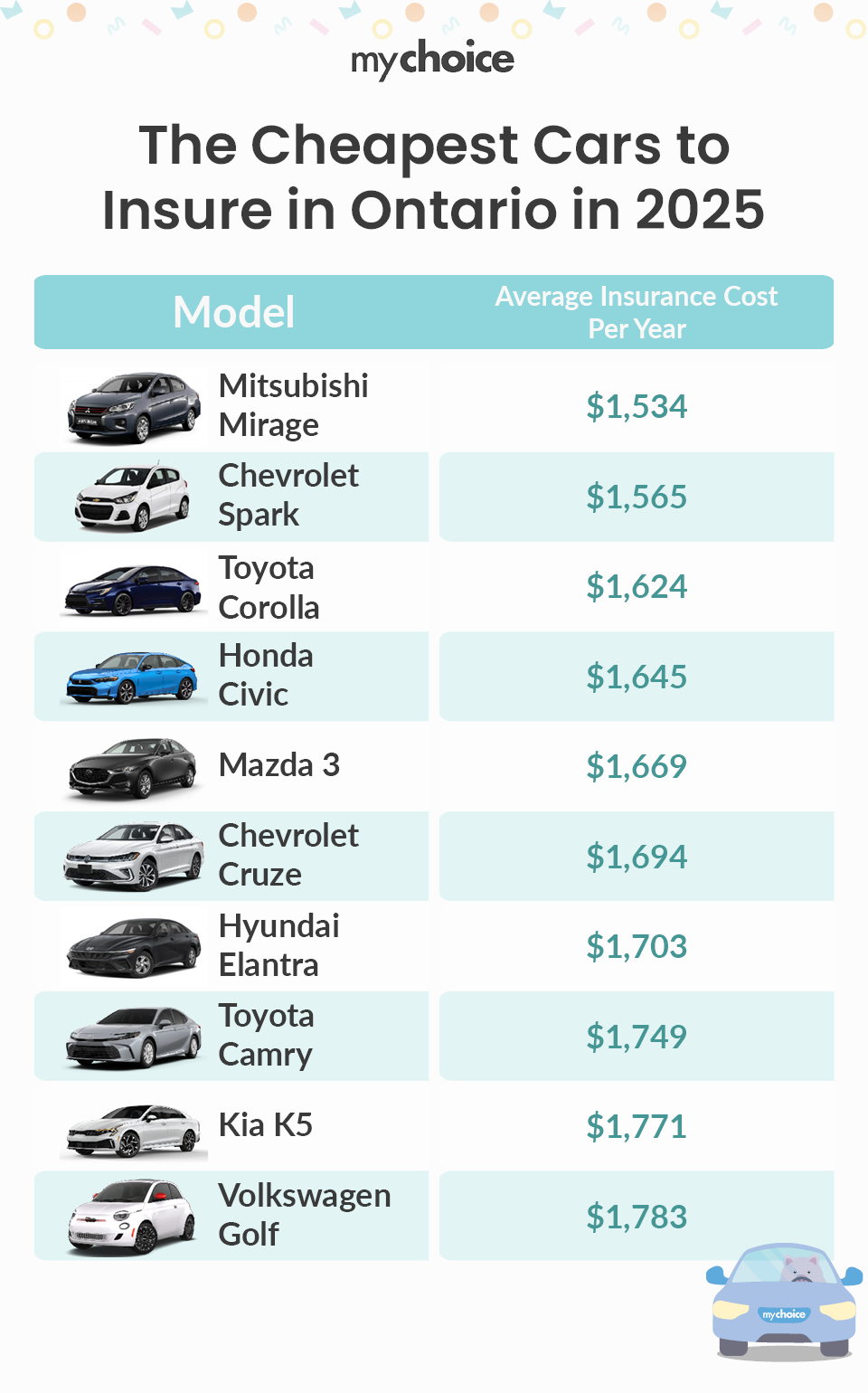
The Rise of Usage-Based Insurance (Telematics)
Technology has introduced a new frontier in the “Money” niche: Telematics. Programs like Progressive’s Snapshot or State Farm’s Drive Safe & Save allow insurers to monitor your actual driving habits—braking, speed, and mileage—via a smartphone app or a plug-in device. For low-mileage drivers or those who practice defensive driving, this can lead to “personalized” pricing that is significantly cheaper than traditional, bracket-based pricing.
Where to Shop: Comparing Top Providers and Marketplaces
The “where” of cheap car insurance is a moving target. The market is highly fragmented, ranging from multi-billion dollar corporations to small, local mutual companies. Finding the best deal requires a multi-pronged search.
National Giants vs. Regional Specialists
Large providers like Geico, State Farm, and Progressive benefit from massive economies of scale and sophisticated digital tools. They are often the cheapest for drivers with standard profiles. However, do not overlook regional players like Erie Insurance or Auto-Owners Insurance. These companies often have lower marketing overhead and can provide more aggressive pricing for specific demographics or geographic regions.
Utilizing Digital Marketplaces and FinTech Tools
The digital revolution has birthed insurance aggregate sites. Tools like The Zebra, Gabi, or Insurify allow you to enter your data once and receive quotes from dozens of carriers simultaneously. This transparency forces companies to compete on price. From a financial management perspective, using these tools every 12 months ensures that you are not suffering from “loyalty lethargy,” where long-term customers are gradually charged higher rates than new sign-ups.
The Role of Independent Insurance Agents
While “buying direct” online is popular, independent agents remain a powerful resource in the money-saving toolkit. Unlike “captive” agents who work for one brand, independent agents represent multiple carriers. They often have access to “broker-only” companies that do not advertise to the general public. An agent can also provide a professional audit of your coverage to ensure you aren’t paying for “fluff” policies, such as roadside assistance that you might already have through a credit card or AAA.
Long-Term Financial Planning for Auto Insurance
Securing a cheap rate today is a victory, but maintaining that affordability is a long-term financial discipline. Insurance should be treated like any other investment or utility—regularly reviewed and optimized.
Improving Your Financial Profile for Future Rates
If you are currently stuck with high rates due to a poor credit score or a past accident, remember that insurance is cyclical. As you pay down debt and improve your credit utilization, your “insurance score” improves. Set a calendar reminder to shop for insurance the moment your credit score hits a new tier (e.g., moving from 620 to 680). The savings can be instantaneous.
Maintaining a Clean Claims History
The most expensive insurance is the kind you have to use for small incidents. From a wealth-building perspective, it is often cheaper to pay for a $600 fender-bender out of pocket rather than filing a claim that could increase your premiums by 20% for the next three years. Reserve insurance for “catastrophic” losses—events that would cause genuine financial hardship—rather than minor maintenance or cosmetic issues.
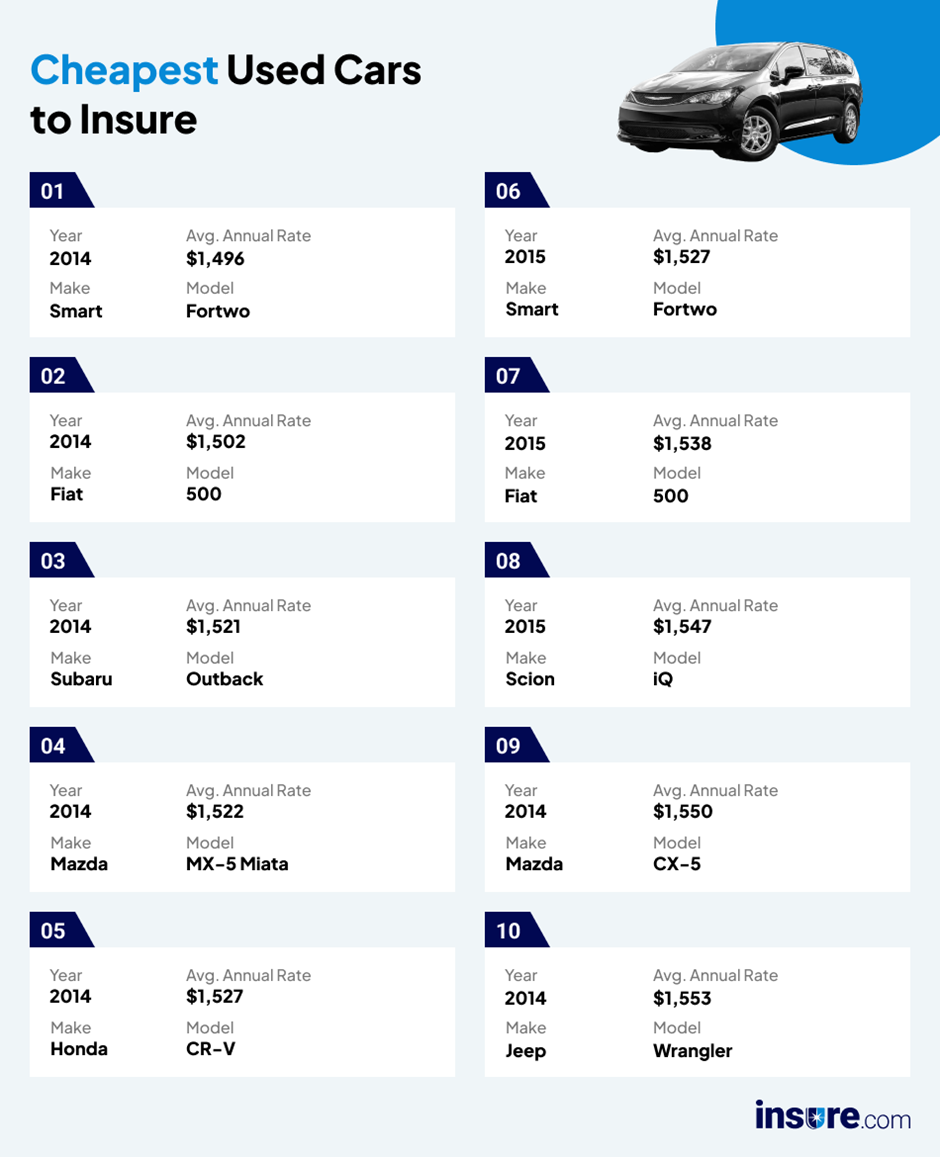
Periodic Re-evaluations and the “Rate Shopping” Habit
The insurance market fluctuates based on a company’s recent loss ratios. If a company had a bad year with hurricane claims, they might raise rates across the board to recoup losses. This has nothing to do with your driving and everything to do with their corporate balance sheet. By shopping your rate every year, you ensure that you are always positioned with the carrier whose current financial appetite matches your risk profile.
In conclusion, finding cheap car insurance is an exercise in proactive financial management. It requires a combination of maintaining a strong credit profile, choosing the right vehicle, leveraging every available discount, and utilizing modern comparison tools. By treating insurance as a variable cost that can be negotiated through good behavior and market research, you can protect your assets while keeping more of your hard-earned money in your own pocket. Professional financial health isn’t just about how much you earn—it’s about how efficiently you manage the costs of protecting what you own.
aViewFromTheCave is a participant in the Amazon Services LLC Associates Program, an affiliate advertising program designed to provide a means for sites to earn advertising fees by advertising and linking to Amazon.com. Amazon, the Amazon logo, AmazonSupply, and the AmazonSupply logo are trademarks of Amazon.com, Inc. or its affiliates. As an Amazon Associate we earn affiliate commissions from qualifying purchases.