
Tesla, Inc. is not just a car company; it is a financial phenomenon that has redefined the modern stock market. For investors, financial analysts, and the general public, the question of “who owns Tesla” is not merely a matter of curiosity—it is a study of modern capital distribution, institutional influence, and the power of retail investing. Unlike traditional legacy automakers that are often controlled by founding families or state-owned enterprises, Tesla’s ownership structure is a complex web of high-profile individual stakes, massive institutional holdings, and an unprecedented level of participation from everyday retail investors.
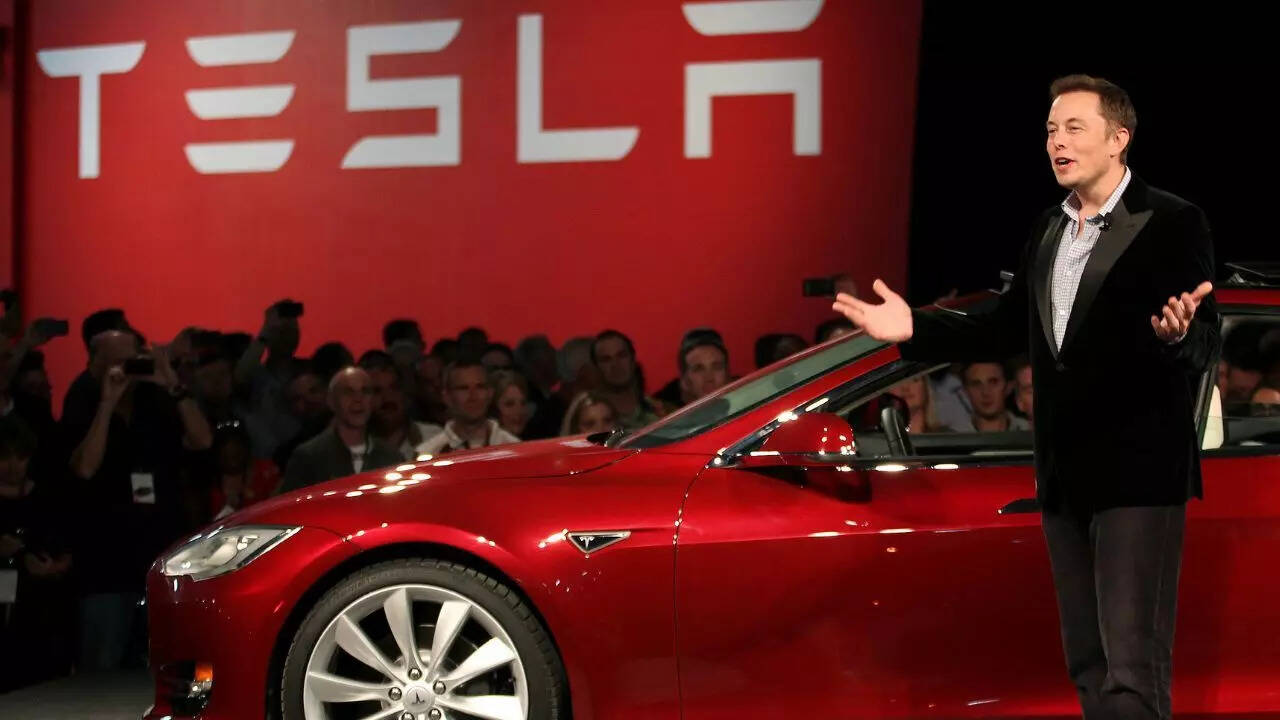
Understanding the ownership of Tesla requires a deep dive into the equity distribution that fuels its multi-billion-dollar valuation. From the polarizing leadership of Elon Musk to the passive power of index funds, the financial architecture of Tesla reveals a lot about how value is created and maintained in the 21st-century economy.
The Architecture of Ownership: Understanding Tesla’s Equity Distribution
Tesla is a publicly-traded company (NASDAQ: TSLA), meaning its ownership is divided into millions of shares that are bought and sold daily. However, the distribution of these shares is far from uniform. Ownership is generally divided into three primary tiers: the executive leadership (insiders), institutional investors (banks and hedge funds), and retail investors (individual participants).
Elon Musk: The Lead Architect and Largest Individual Shareholder
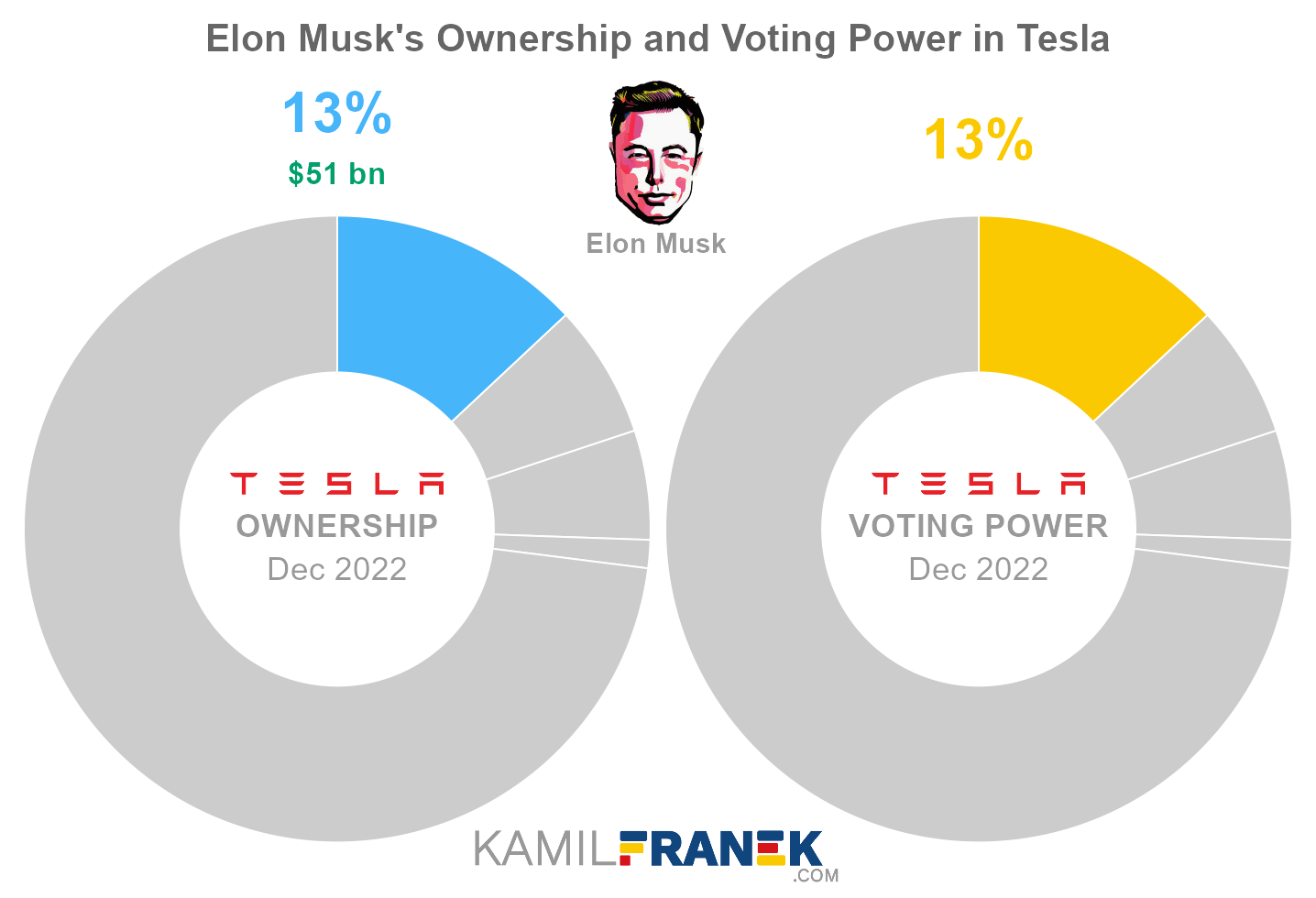
When people ask who owns Tesla, the name Elon Musk is the immediate response. As of 2024, Musk remains the largest individual shareholder, though his exact percentage fluctuates based on his stock sales and the exercise of performance-based options. Historically, Musk has held between 13% and 22% of the company.
Musk’s ownership is unique because it is tied heavily to compensation packages rather than a traditional salary. His 2018 CEO Performance Award, which was a subject of intense legal scrutiny, granted him tranches of stock options based on the company reaching specific market cap milestones and operational goals. Financially, Musk’s stake represents a significant portion of his net worth, making his personal financial health inextricably linked to Tesla’s performance. However, his ownership isn’t just about wealth; it’s about voting power. While Tesla has a “one share, one vote” policy, his massive block of shares allows him to exert significant influence over the company’s strategic direction, from R&D spending to expansion into AI and robotics.
Institutional Giants: The Silent Powerhouses Behind TSLA
While Musk is the face of the company, institutional investors hold the majority of Tesla’s shares. These institutions include some of the largest asset management firms in the world, such as The Vanguard Group, BlackRock, and State Street Corporation.
These firms do not necessarily “own” Tesla in the sense that they want to run the company; rather, they hold the shares on behalf of their clients through mutual funds and Exchange-Traded Funds (ETFs). Because Tesla is a cornerstone of the S&P 500 and the Nasdaq-100, any fund tracking these indices must hold a proportional amount of TSLA stock. This creates a baseline of “sticky” ownership that provides a level of stability to the stock price. Institutional ownership typically hovers around 40% to 45%, providing a counterbalance to the volatility often associated with Musk’s public statements and retail trading frenzies.
The Influence of Retail Investors: A New Era of Financial Democracy
One of the most remarkable aspects of Tesla’s financial story is the role of the retail investor. In most blue-chip companies, retail ownership (individual people buying shares through apps like Robinhood or E-Trade) is a relatively small sliver of the pie. In Tesla’s case, retail investors have historically held a significantly higher percentage of the company compared to its peers in the S&P 500.
The “Tesla Bulls” Phenomenon
The “Tesla Bulls” are a global community of individual investors who believe fervently in the company’s mission to accelerate the world’s transition to sustainable energy. This demographic has played a crucial role in maintaining the stock’s premium valuation. Unlike institutional investors who might sell based on quarterly earnings misses or complex algorithmic triggers, many Tesla retail investors are “long-term HODLers” (Hold On for Dear Life).
This loyalty creates a unique market dynamic. During periods of short-selling—where traders bet against the stock—the retail community has often banded together to buy the dip, creating “short squeezes” that have historically driven the price to record highs. From a business finance perspective, this high level of retail engagement serves as a form of “community-funded” capital, reducing the company’s reliance on traditional debt markets.
Risks and Rewards for the Individual Investor
For the personal finance enthusiast, owning Tesla has been a masterclass in volatility. The stock is known for its dramatic swings, often influenced by Musk’s Twitter (now X) activity or regulatory updates regarding Full Self-Driving (FSD) technology.
Investing in Tesla requires a high risk tolerance. Because the company is valued more like a high-growth tech firm than a traditional automaker, its Price-to-Earnings (P/E) ratio is often exceptionally high. This means that retail owners are paying a premium for future growth rather than current profits. For many, this has resulted in life-changing wealth, but for those who enter at the peak of a hype cycle, it serves as a reminder of the dangers of concentrated stock positions.
Corporate Governance and the Board of Directors: Who Really Pulls the Strings?
Ownership is often equated with control, but in a public company, control is exercised through the Board of Directors. The board is responsible for representing shareholder interests and overseeing the executive team. At Tesla, the relationship between ownership and governance has been a point of intense debate in the financial community.
The Role of the Board in Financial Oversight
Tesla’s board includes a mix of tech veterans, financial experts, and individuals with close ties to Elon Musk, such as his brother Kimbal Musk and former 21st Century Fox CEO James Murdoch. The board’s primary financial responsibility is to ensure that the company remains solvent and that executive compensation is aligned with shareholder value.
In recent years, shareholder activism has increased. Large pension funds and institutional groups have pushed for more independent directors to ensure that the company’s interests aren’t entirely eclipsed by Musk’s other ventures, such as SpaceX or X. This tension is a classic example of “agency theory” in business finance, where the challenge is to align the goals of the managers (Musk) with the goals of the owners (the shareholders).
Navigating Executive Compensation and Shareholder Rights
The ownership structure is further complicated by the way shares are used as a tool for corporate strategy. Tesla frequently uses stock-based compensation to attract top engineering talent. This practice dilutes existing shareholders (meaning each share represents a slightly smaller piece of the company) but preserves cash for capital expenditures like Gigafactories.
Financial analysts closely monitor “insider selling.” When board members or executives sell their shares, it can signal a lack of confidence or a need for liquidity. In Tesla’s case, Musk’s sales to fund the acquisition of Twitter were a major financial headwind in 2022, highlighting how the personal financial decisions of a primary owner can impact the portfolios of millions of small investors.
Future Outlook: How Ownership Dynamics Impact Tesla’s Valuation
As Tesla matures from a high-growth startup into a dominant global conglomerate, its ownership structure is likely to evolve. This evolution will have a direct impact on its valuation and its attractiveness as a financial instrument.
Institutional Rebalancing and Market Volatility
As Tesla’s market cap fluctuates, institutional investors must “rebalance” their portfolios. If Tesla’s value grows too large relative to the rest of the market, funds are forced to sell shares to maintain their target allocations. Conversely, if the stock price drops, they must buy. This institutional movement creates a “floor” and a “ceiling” for the stock price.
Looking forward, as Tesla integrates more AI-driven revenue streams (like Robotaxis or the Optimus robot), we may see a shift in the type of institutions that own the company. We could see a move from “Automotive” funds to “AI and Robotics” funds, which often have different valuation models and longer investment horizons.
The Long-Term Financial Roadmap for Potential Owners
For those looking to “own” a piece of Tesla today, the financial landscape is different than it was a decade ago. The company is now consistently profitable, with a strong balance sheet and significant cash reserves. The ownership question is no longer “will Tesla survive?” but rather “how will Tesla dominate?”
Future ownership dynamics will likely be influenced by whether Tesla initiates a dividend or continues to reinvest all capital into growth. For income-focused investors, the lack of a dividend is a deterrent. However, for growth-oriented investors, the fact that the company uses its capital to build out a global charging network and refine autonomous software is exactly why they want to be owners.
In conclusion, “who owns Tesla” is a question with a multi-layered answer. It is owned by a visionary yet volatile founder, by massive global financial institutions that provide the backbone of the market, and by a passionate army of retail investors who have redefined modern stock ownership. Together, these groups navigate the financial complexities of a company that remains one of the most significant and scrutinized entities in the world of finance.
aViewFromTheCave is a participant in the Amazon Services LLC Associates Program, an affiliate advertising program designed to provide a means for sites to earn advertising fees by advertising and linking to Amazon.com. Amazon, the Amazon logo, AmazonSupply, and the AmazonSupply logo are trademarks of Amazon.com, Inc. or its affiliates. As an Amazon Associate we earn affiliate commissions from qualifying purchases.