
The automotive industry is currently witnessing a paradigm shift that transcends simple transportation. For the modern investor and the financially conscious consumer, purchasing a vehicle—specifically an electric vehicle (EV) like a Tesla—is no longer a mere retail transaction; it is a complex financial decision involving asset depreciation, tax optimization, and long-term utility savings. Unlike the traditional dealership model that has defined the last century of car buying, Tesla’s ecosystem operates on a unique financial architecture.
Navigating the landscape of where to buy a Tesla requires a dual understanding of the direct-to-consumer model and the secondary market’s volatility. Whether you are looking for a tax-advantaged business vehicle or a personal asset that retains high residual value, understanding the “where” and “how” of this purchase is essential for maximizing your return on investment.
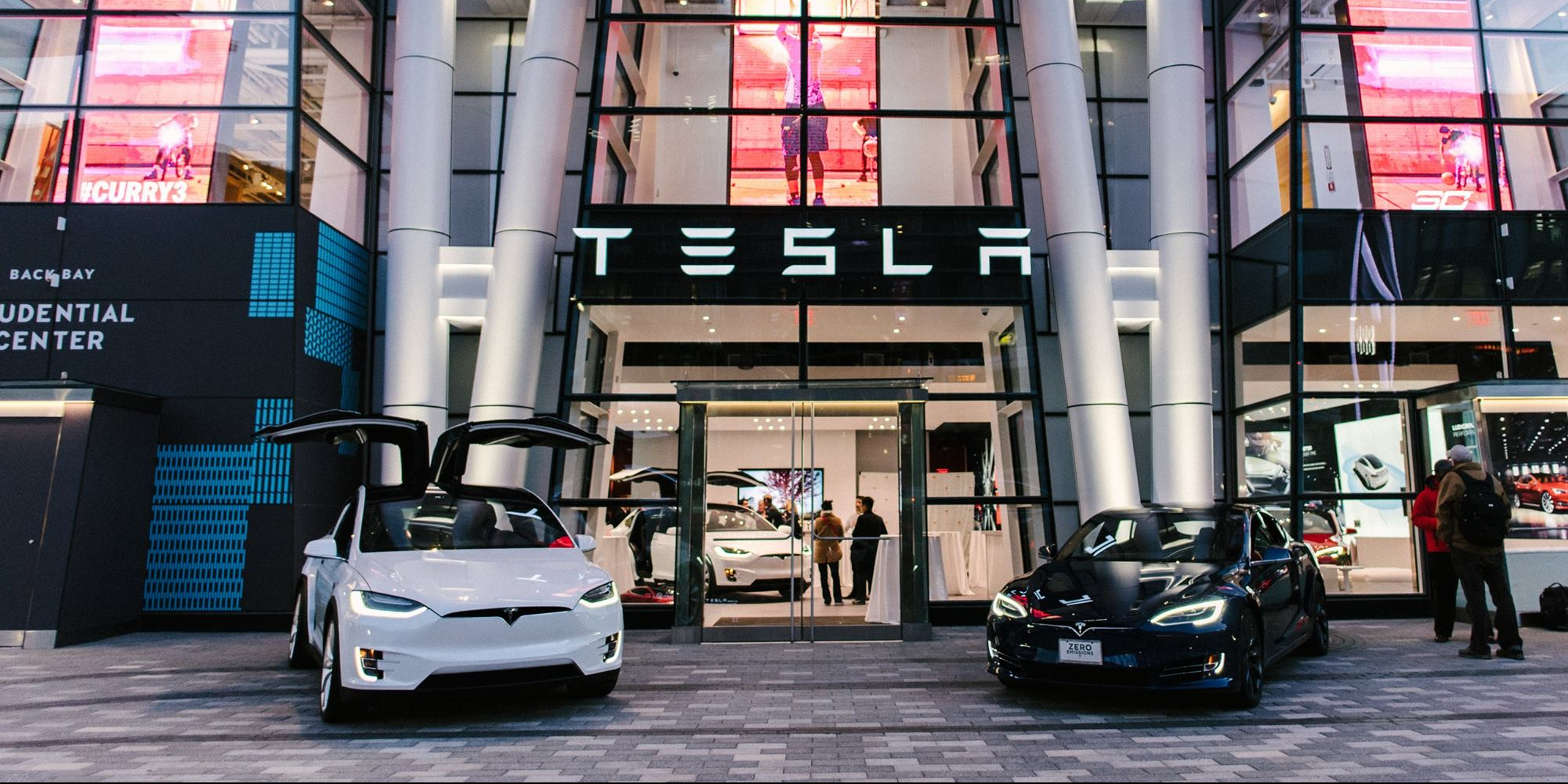
The Direct-to-Consumer Advantage: Bypassing the Dealership Markup
The most significant distinction in the Tesla buying process is the company’s insistence on a direct-to-consumer (DTC) sales model. For the buyer, this is a financial safeguard against the “market adjustments” and hidden fees often found in traditional franchise dealerships. When you ask where to buy a Tesla, the primary answer remains the manufacturer’s own digital storefront.
The Economics of Fixed Pricing
In the traditional automotive world, the price of a vehicle is often a moving target, influenced by a salesperson’s commission and the dealership’s monthly overhead. Tesla eliminated this variable. By purchasing directly from Tesla’s website or their “Galleries,” every buyer sees the same price for the same configuration at any given moment. This transparency allows for more precise financial planning. From a capital allocation perspective, fixed pricing removes the “information asymmetry” that usually favors the seller, ensuring that your entry price into the asset is standardized.
Eliminating the “Middleman” Commission
By removing third-party franchisees, Tesla recaptures the margin that would otherwise go to a dealership. While Tesla does not always pass these savings directly to the consumer in the form of lower sticker prices, the model significantly reduces the “transactional friction” costs. There are no “documentation fees” totaling thousands of dollars, no forced “paint protection packages,” and no high-pressure upsells in a back office. For the buyer, this means the capital deployed goes directly into the vehicle’s hardware and software rather than into a third party’s profit margin.
Navigating the New vs. Used Market: A Value Depreciation Analysis
Deciding where to buy a Tesla often comes down to a choice between the factory-new experience and the burgeoning secondary market. Because Teslas are essentially “computers on wheels,” their depreciation curves behave differently than internal combustion engine (ICE) vehicles.
Inventory vs. Custom Orders: Timing the Price Drops
One of the most effective ways to save money when buying directly from Tesla is to monitor their “Existing Inventory.” These are vehicles that were perhaps ordered but never delivered, or showroom models. Tesla frequently applies discounts to inventory vehicles to meet quarterly delivery targets. For a savvy buyer, purchasing an inventory car from the Tesla website—rather than custom ordering—can result in a price reduction of 3% to 10%, effectively negating the initial first-year depreciation.
The Tesla Certified Pre-Owned (CPO) Program
If the price of a new Model 3 or Model Y is prohibitive, the Tesla Used Inventory is a viable alternative. Buying a used Tesla directly from the manufacturer offers a layer of financial security that third-party lots cannot match. Every CPO Tesla undergoes a multi-point inspection and, crucially, often comes with an additional limited warranty (typically 1 year or 10,000 miles) on top of the remaining battery and drive unit warranty. From a risk-management standpoint, this reduces the potential for “unforeseen capital expenditures” shortly after purchase.

Third-Party Platforms: Risk vs. Reward
Platforms like Cars.com, Autotrader, or specialized EV marketplaces like Find My Electric offer a wider variety of price points. However, buying a Tesla from a non-Tesla dealership requires intense due diligence. One must verify if the vehicle has “Full Self-Driving” (FSD) capability, as this software is worth thousands of dollars but can sometimes be stripped or mislabeled by third-party sellers. The financial risk here is paying for a feature that the vehicle does not actually possess.
Maximizing ROI: Incentives, Tax Credits, and Financing Structures
The “where” you buy is often dictated by “what” financial incentives are available in your jurisdiction. The effective cost of a Tesla can fluctuate by over $10,000 based on how you structure the deal and which government programs you leverage.
Federal and State EV Tax Credits
In the United States, the Inflation Reduction Act has radically altered the Tesla financial equation. Depending on the model and the battery’s component sourcing, buyers can qualify for a $7,500 federal tax credit. Crucially, as of 2024, this credit can be applied as a “point-of-sale” discount, meaning you don’t have to wait until tax season to see the benefit; it effectively lowers your loan amount or cash outlay immediately. When deciding where to buy, ensuring the seller (Tesla) is registered with the IRS to provide this instant credit is paramount.
Leasing vs. Financing: Cash Flow Considerations
For business owners, the decision of where to buy is often a question of how to buy. Tesla’s leasing programs can be attractive for those who want to keep their monthly cash flow predictable and avoid the risk of long-term battery degradation. However, it is important to note that Tesla traditionally does not allow lessees to buy out the vehicle at the end of the term. If you view the vehicle as a long-term asset, traditional financing through a credit union—which often offers lower APRs for “green” vehicles—is generally the superior financial move compared to Tesla’s in-house lending.
Total Cost of Ownership: Beyond the Sticker Price
A professional financial analysis of where to buy a Tesla must include the Total Cost of Ownership (TCO). The purchase price is only the “entry fee” into an ecosystem designed to lower operational costs over time.
Insurance Premiums and Maintenance Savings
Tesla offers its own insurance product in several states. Because Tesla has access to real-time driving data, they can offer premiums based on actual driving behavior (a “Safety Score”) rather than just demographic statistics. This can result in significant monthly savings for disciplined drivers. Furthermore, the financial “where” includes the service ecosystem. With no oil changes, spark plugs, or transmission fluid to replace, the maintenance budget for a Tesla is a fraction of a BMW or Mercedes-Benz counterpart. These saved operational costs should be factored into the initial purchase price as “future earnings” or “cost avoidance.”
Charging Infrastructure and Utility Optimization
Where you buy your Tesla also involves where you “fuel” it. Access to the Tesla Supercharger network is a value-added feature that is priced into the vehicle. Unlike other EVs that rely on fragmented third-party charging networks, Tesla owners benefit from integrated software that optimizes charging costs. Many utility companies also offer “Time of Use” (TOU) rates, allowing Tesla owners to charge at night for pennies on the dollar. When calculating the financial viability of the purchase, these fuel savings often represent a 70% to 80% reduction compared to gasoline, significantly shortening the “payback period” of the vehicle’s premium price.
Conclusion: The Strategic Purchase
Buying a Tesla is an exercise in modern financial management. To get the best value, a buyer should prioritize Tesla’s direct inventory for the latest price cuts, verify eligibility for federal point-of-sale tax credits, and look toward credit unions for the most competitive financing rates.
The “where” is not just a physical location or a website; it is a strategic intersection of timing, government incentives, and a deep understanding of the DTC model. By viewing the Tesla purchase through this financial lens, you transform a standard consumer acquisition into a high-performing asset move that minimizes waste and maximizes long-term utility. In the landscape of 21st-century wealth management, how you move is just as important as where you invest—and a Tesla, bought wisely, serves both masters.
aViewFromTheCave is a participant in the Amazon Services LLC Associates Program, an affiliate advertising program designed to provide a means for sites to earn advertising fees by advertising and linking to Amazon.com. Amazon, the Amazon logo, AmazonSupply, and the AmazonSupply logo are trademarks of Amazon.com, Inc. or its affiliates. As an Amazon Associate we earn affiliate commissions from qualifying purchases.