
The Internal Revenue Service (IRS) is often perceived with a mix of apprehension and necessity. As the federal agency responsible for tax collection and tax law enforcement in the United States, its work fundamentally underpins the nation’s financial health and the services its government provides. Far from being a mere collector of funds, the IRS plays a multifaceted role, touching upon nearly every aspect of personal and business finance. Understanding its functions is crucial for every taxpayer, business owner, and financial professional, offering insight into not just where our money goes, but also how the intricate machinery of our economy is financed and regulated.

At its core, the IRS is tasked with ensuring that America’s tax system operates fairly, efficiently, and effectively. This involves everything from designing tax forms and providing guidance to taxpayers, to investigating complex financial crimes and modernizing its own operations with digital tools. Its actions directly influence financial planning, investment strategies, business operations, and even daily consumer decisions. This comprehensive exploration delves into the essential duties of the IRS, demystifying its operations and highlighting its profound impact on the financial landscape.
The Cornerstone of National Finance: Collecting and Administering Taxes
The primary and most widely recognized function of the IRS is to collect the revenue necessary to fund the U.S. federal government. This seemingly straightforward task is, in reality, a colossal undertaking that involves managing a vast and complex tax system. Without a robust and effective revenue collection mechanism, the government would be unable to provide essential public services, maintain infrastructure, or invest in national priorities.
Fueling Government Operations and Public Services
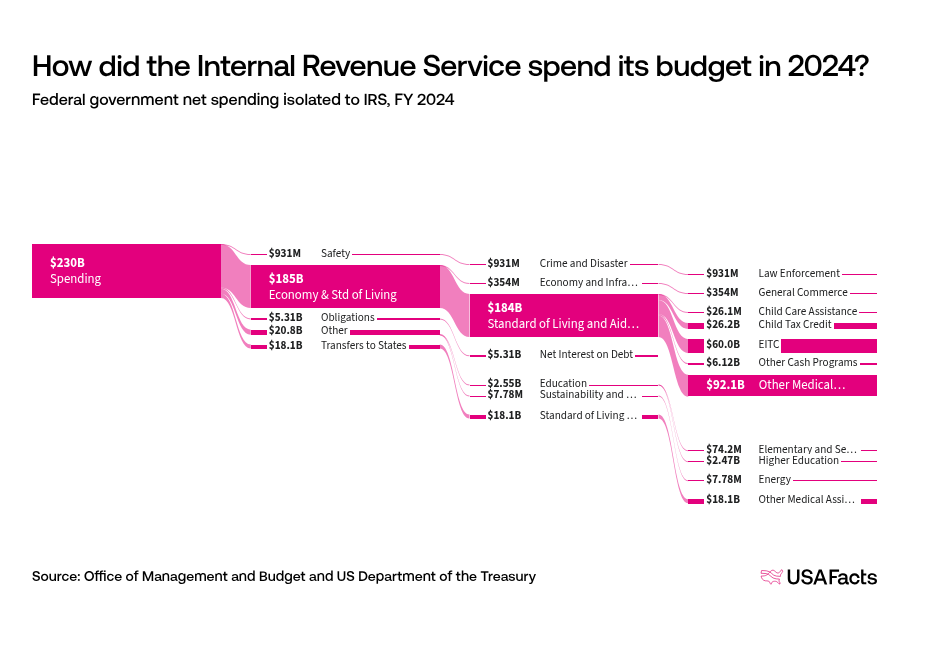
Every dollar collected by the IRS contributes directly to the federal budget. These funds are allocated across a wide spectrum of government operations, including national defense, social security, Medicare, public education, scientific research, infrastructure projects like roads and bridges, environmental protection, and foreign aid. Essentially, the taxes collected empower the government to fulfill its constitutional duties and societal obligations. For individuals and businesses, understanding this direct link between tax payments and public services can reframe the perception of tax compliance from a mere obligation to a contribution towards collective well-being and economic stability. The effectiveness of the IRS in this role directly correlates with the government’s capacity to deliver on its promises and maintain a functional society.
Upholding Tax Law and Ensuring Compliance
Beyond mere collection, the IRS is the chief enforcer of federal tax laws. This involves interpreting complex tax codes, issuing regulations, and ensuring that individuals and corporations accurately report their income, deductions, and credits. The vast body of tax law, meticulously detailed and constantly evolving, requires an agency dedicated to its consistent application. The IRS provides guidance through publications, forms, and direct assistance, helping taxpayers navigate these complexities. However, where compliance falters, the IRS has the authority to investigate potential violations, ranging from simple errors to deliberate tax fraud. This enforcement role is critical for maintaining fairness within the tax system; without it, those who comply voluntarily would shoulder a disproportionate burden, eroding public trust and the system’s integrity. It ensures that the financial responsibilities are shared equitably across all taxable entities.
Providing Support and Education for Taxpayers
Recognizing the intricate nature of tax laws, the IRS dedicates significant resources to taxpayer services and education. This support aims to simplify the tax filing process and help individuals and businesses meet their obligations accurately. Services include providing free tax filing software for eligible taxpayers (Free File), offering interactive tax assistants on its website, maintaining a vast library of FAQs, and operating call centers for personalized assistance. Educational initiatives range from basic tax literacy campaigns to detailed guidance for specific financial situations, such as starting a business, investing, or dealing with major life changes. These resources are invaluable financial tools, empowering taxpayers to make informed decisions, understand their financial liabilities, and avoid common mistakes that could lead to penalties or audits. For many, the IRS website and its various publications are the go-to source for understanding how tax law impacts their personal and business finances.
Navigating the Labyrinth: Taxpayer Responsibilities and Engagement
The relationship between the IRS and taxpayers is a two-way street. While the IRS administers the tax system, taxpayers bear the responsibility for understanding and fulfilling their obligations. This proactive engagement is essential for smooth financial operations, both at the individual level and for the national economy.
Mastering Federal Tax Returns: Filing and Reporting
The cornerstone of taxpayer responsibility is the accurate and timely filing of federal tax returns. Whether it’s the annual Form 1040 for individuals or various corporate and partnership returns, these documents provide the IRS with a detailed accounting of income, deductions, and tax liabilities. The process involves meticulous record-keeping, understanding various income sources (wages, investments, business profits, online income), and correctly applying applicable tax laws. For many, this annual task is a significant financial event, determining whether they owe additional taxes or receive a refund. The IRS provides the framework and forms, but the onus is on the taxpayer to gather information, perform calculations, and submit complete and truthful returns. Errors or omissions, even unintentional ones, can lead to financial penalties or further scrutiny, highlighting the importance of diligence in this core financial task.
Proactive Understanding of Tax Obligations
A key aspect of responsible financial management is a proactive understanding of one’s tax obligations. This means not just reacting to tax season but continuously assessing how financial decisions, such as buying a home, starting a side hustle, making investments, or launching a business, impact tax liabilities. The IRS offers numerous tools and publications designed to help taxpayers grasp these implications. For instance, understanding estimated tax payments for self-employed individuals or the tax implications of cryptocurrency investments are vital for preventing unexpected tax bills. Financial professionals, tax software, and IRS resources all play a role in empowering individuals and businesses to anticipate and plan for their tax burdens throughout the year, integrating tax considerations into their broader financial strategies.
Mitigating Risk: Avoiding Common Pitfalls and Penalties

The IRS is not just an enforcement agency; it also aims to help taxpayers avoid pitfalls that can lead to financial penalties. Common errors include mathematical mistakes, incorrect social security numbers, forgotten income sources, or misinterpreting deduction rules. Beyond errors, the failure to file on time or pay taxes due can result in substantial penalties and interest charges, significantly impacting personal and business finance. The IRS website prominently features information on common mistakes, penalty structures, and options for those unable to pay, such as installment agreements or offers in compromise. By providing clear guidelines and resources, the IRS endeavors to reduce instances of non-compliance stemming from ignorance or oversight, encouraging a culture of accuracy and financial responsibility among taxpayers.
The IRS’s Reach: Enforcement, Audits, and Taxpayer Rights
While most interactions with the IRS involve filing returns and seeking guidance, the agency’s enforcement arm plays a critical role in maintaining the integrity of the tax system. This includes audits, investigations, and collections, all conducted within a framework that also upholds taxpayer rights.
The Audit Process: Scrutiny and Resolution
An IRS audit is a formal review of an individual’s or organization’s accounts and financial information to ensure information is reported correctly and in accordance with tax laws. Audits can range from simple correspondence audits, requesting clarification or documentation for a specific item, to complex field audits involving extensive review of records at a taxpayer’s home or business. The IRS uses data analytics and various metrics to select returns for audit, focusing on areas with higher likelihood of errors or non-compliance. While daunting, an audit is a standard part of tax administration, and taxpayers have clear rights during the process, including the right to representation and to appeal audit findings. Understanding the process and maintaining meticulous financial records are key to navigating an audit successfully.
Penalties, Interest, and Collections
When taxpayers fail to meet their obligations, the IRS can assess penalties and interest. Penalties are typically applied for failure to file, failure to pay, or for accuracy-related issues such as substantial understatements of income. Interest is charged on underpayments and unpaid penalties. For those facing significant tax debts, the IRS has a collections process, which can involve wage garnishments, bank levies, or liens on property. However, the IRS also offers various relief options for taxpayers experiencing financial hardship, such as installment agreements, which allow payments over time, or offers in compromise, which settle tax debt for a lower amount under specific conditions. These mechanisms aim to recover due taxes while also providing pathways for taxpayers to resolve their financial obligations without undue hardship.
Safeguarding Individuals: Taxpayer Rights and Appeals
Crucially, the IRS operates under a set of “Taxpayer Bill of Rights,” which outlines fundamental protections for individuals dealing with the agency. These rights include the right to be informed, the right to quality service, the right to pay no more than the correct amount of tax, the right to challenge the IRS’s position and be heard, and the right to privacy, among others. If a taxpayer disagrees with an IRS decision, such as an audit finding or a penalty assessment, they have the right to appeal to the IRS Office of Appeals, an independent body within the IRS. Beyond internal appeals, taxpayers can also seek remedies through the U.S. Tax Court or other federal courts. These safeguards are vital for ensuring fairness and due process, providing a crucial check on the IRS’s considerable power and offering avenues for financial redress.
Modernizing Tax Administration: Technology and Data
In an increasingly digital world, the IRS is continually evolving, leveraging technology and data analytics to enhance its efficiency, improve taxpayer services, and combat financial crimes. This modernization is crucial for managing the immense volume of financial data and the complexity of modern transactions.
Digital Tools for Enhanced Taxpayer Experience
The IRS has made significant strides in offering digital tools that streamline the tax process for individuals and businesses. The IRS.gov website serves as a comprehensive portal, providing access to forms, publications, FAQs, and online accounts where taxpayers can view their payment history, access tax transcripts, and even make payments. Electronic filing (e-file) has become the standard, dramatically reducing processing times and error rates. The agency also supports various third-party tax software that integrates directly with its systems, making compliance more accessible. These digital financial tools are continually being refined to improve user experience, offer more personalized guidance, and reduce the administrative burden on taxpayers, aligning with the broader trend of digital transformation in financial services.
Countering Financial Crime: Fraud and Identity Theft
The digital age also brings new challenges, particularly in combating tax fraud and identity theft. The IRS employs sophisticated data analytics and cybersecurity measures to detect fraudulent returns, identify patterns of illegal activity, and protect sensitive taxpayer data. It works closely with other law enforcement agencies to investigate and prosecute tax-related financial crimes, from large-scale tax evasion schemes to individual instances of identity theft where criminals attempt to file fraudulent returns for refunds. The agency also educates the public on how to recognize and report scams, safeguarding taxpayers’ financial well-being and maintaining trust in the tax system. This vigilance is vital for protecting both government revenue and individual financial security.
The Future of Tax Compliance and Innovation
Looking ahead, the IRS is exploring further innovations, including enhanced online services, predictive analytics for more targeted enforcement, and exploring new technologies like blockchain for certain applications (though this is nascent). The goal is to create a more seamless, secure, and intuitive tax experience. For taxpayers, this means a future where managing their tax obligations could be even more integrated with their daily financial lives, with greater transparency and efficiency. The ongoing commitment to modernization ensures that the IRS remains capable of fulfilling its mission in an ever-evolving financial landscape, adapting to new economic models, digital currencies, and global financial complexities.
In conclusion, the Internal Revenue Service is far more than just a tax collector. It is a fundamental pillar of the U.S. financial system, responsible for everything from funding government services and enforcing complex laws to educating taxpayers and combating financial crime. Its work directly impacts personal finance, business operations, and the overall economic health of the nation. Understanding the IRS’s diverse functions and responsibilities is not just an academic exercise; it is an essential component of informed financial citizenship and effective money management in the United States.
aViewFromTheCave is a participant in the Amazon Services LLC Associates Program, an affiliate advertising program designed to provide a means for sites to earn advertising fees by advertising and linking to Amazon.com. Amazon, the Amazon logo, AmazonSupply, and the AmazonSupply logo are trademarks of Amazon.com, Inc. or its affiliates. As an Amazon Associate we earn affiliate commissions from qualifying purchases.