
The landscape of personal finance has undergone a seismic shift over the last decade. As we move further away from the era of physical checkbooks and toward a mobile-first economy, digital wallets have transitioned from being a convenience to a necessity. Among the leaders of this revolution is Cash App, a financial services platform that has redefined how millions of individuals manage, spend, and invest their money. At the heart of this ecosystem is the Cash Card—a Visa debit card linked directly to your Cash App balance. To fully leverage this financial tool, one must understand the various mechanisms available for funding it.
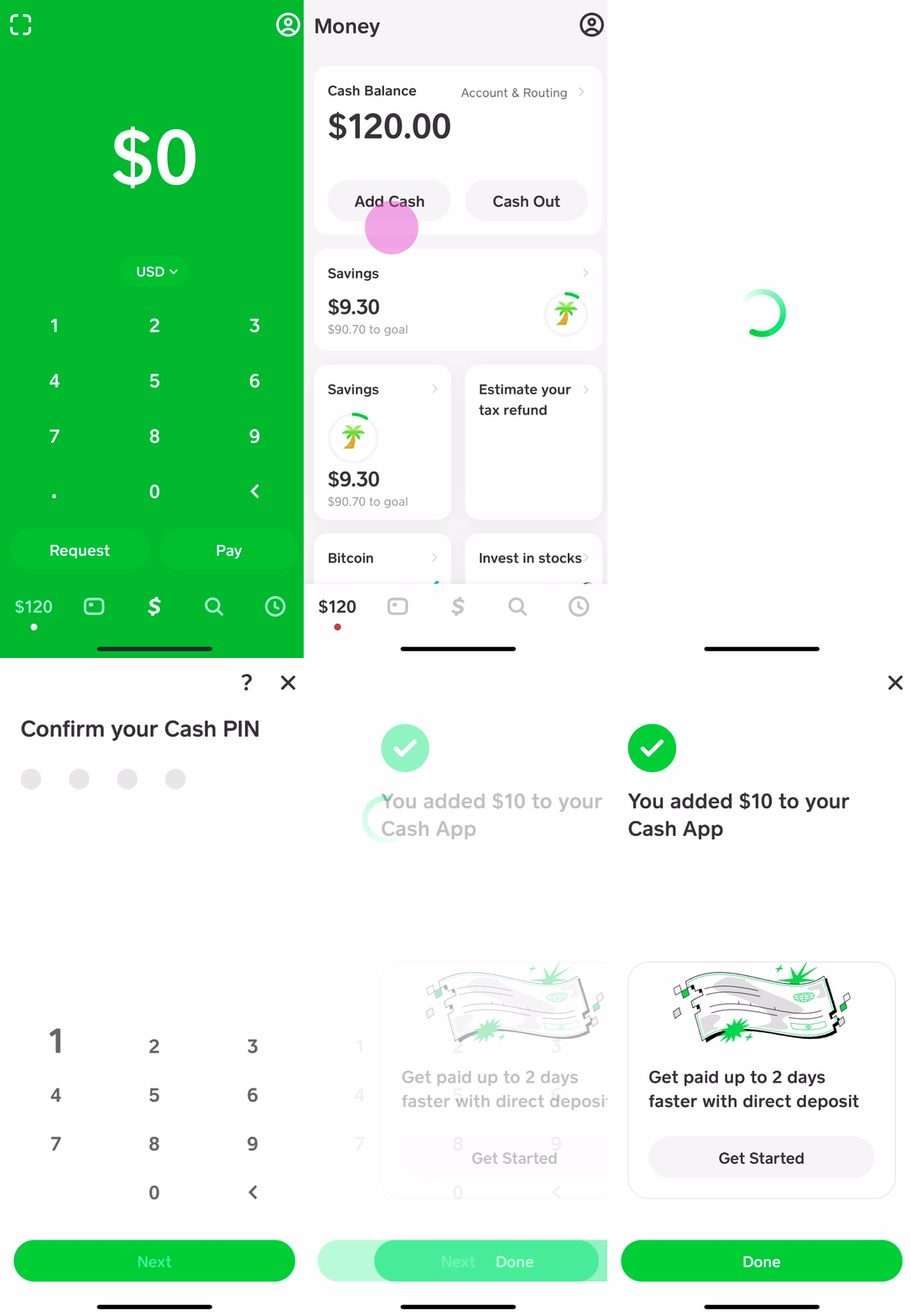
This guide provides an in-depth exploration of how to add money to your Cash App card, ensuring you maintain liquidity and financial flexibility in an increasingly digital world.
The Evolution of Digital Banking and the Cash App Ecosystem
Before diving into the technical “how-to,” it is essential to understand the role Cash App plays within the broader context of personal finance. Unlike traditional brick-and-mortar banks, Cash App offers a streamlined, user-centric interface designed for speed and accessibility. For many, it serves as a primary financial hub, bridging the gap between peer-to-peer (P2P) payments and everyday retail spending.
Understanding the Cash Card as a Financial Tool
The Cash Card is more than just a piece of plastic; it is an extension of your digital financial identity. It allows users to spend their Cash App balance at any retailer that accepts Visa, both online and in-store. By understanding how to effectively fund this card, you are essentially managing your “liquid capital”—the money you have immediate access to for daily expenses, emergency purchases, or spontaneous opportunities. In the realm of personal finance, maintaining this liquidity without the friction of traditional banking delays is a significant strategic advantage.
Why Liquidity Matters in the Mobile-First Economy
In today’s fast-paced market, the ability to move funds instantaneously is a cornerstone of modern financial health. Whether you are paying a freelancer, splitting a dinner bill, or taking advantage of a limited-time investment opportunity through the app’s stock or Bitcoin features, having a funded Cash Card ensures you are never sidelined. The versatility of adding funds—ranging from digital transfers to physical cash deposits—reflects the hybrid nature of our current financial era, where physical currency and digital assets coexist.
Core Methods for Funding Your Cash App Account
The most common and efficient ways to add money to your Cash App card involve digital integrations. These methods are designed for users who already have an established footprint in the traditional banking system and wish to bridge those assets into the Cash App ecosystem.
Linking Your Traditional Bank Account and Debit Card
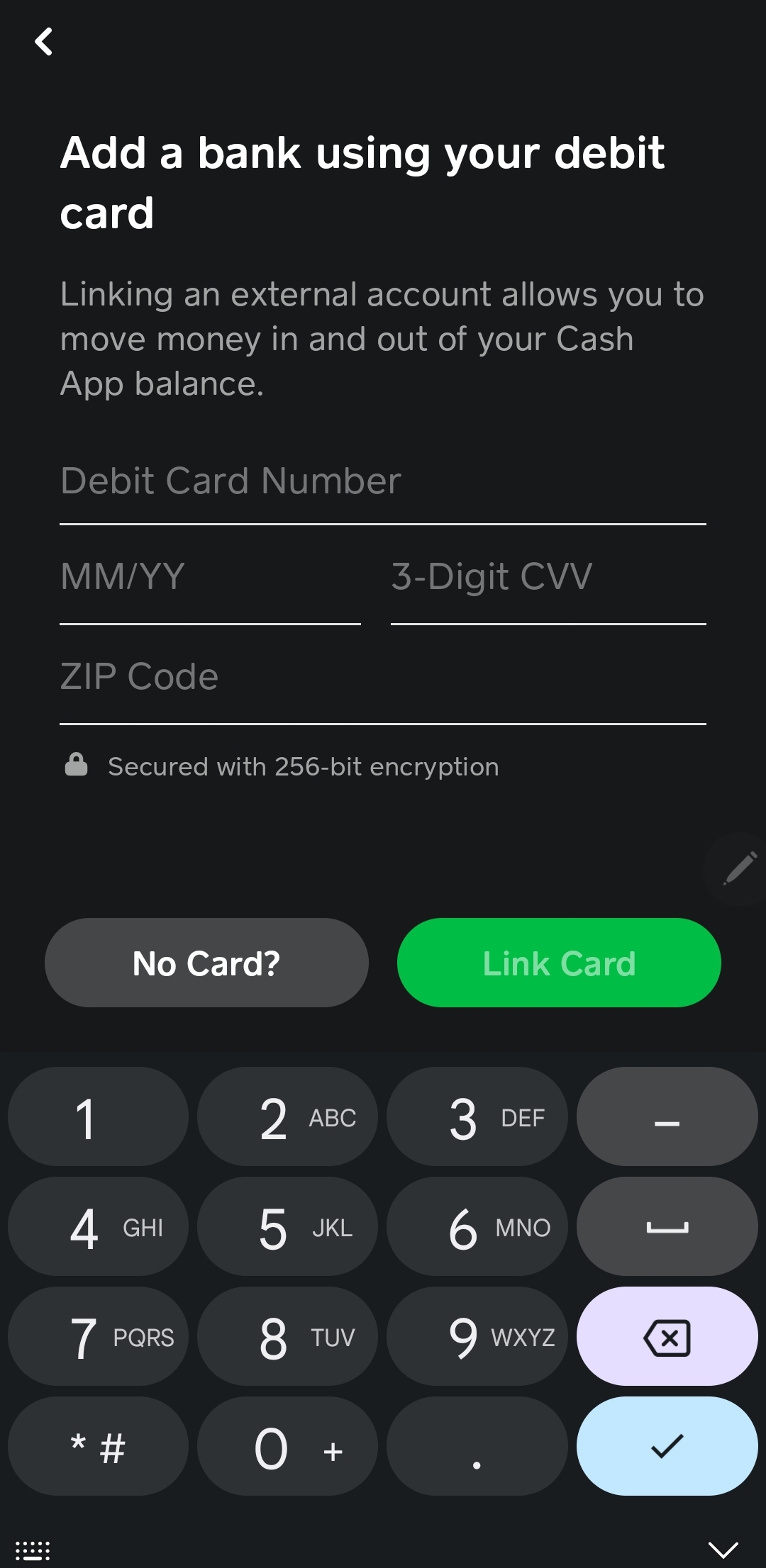
The foundational method for funding your Cash App card is by linking an external bank account or a debit card. This creates a secure pipeline between your traditional savings or checking account and your digital wallet.
To initiate this, you navigate to the “Banking” or “My Cash” tab within the app. By selecting “Add Cash,” you can specify a dollar amount to pull from your linked debit card. This transaction is typically instantaneous, allowing for real-time budgeting. From a financial management perspective, this method is ideal for those who use Cash App as a “spending envelope”—transferring a set amount of discretionary income from a main bank account to the Cash App card to prevent overspending.
The Direct Deposit Advantage for Consistent Funding
For those looking to transition toward a fully digital banking experience, Cash App offers direct deposit capabilities. By providing your employer with the routing and account numbers found in the app, you can have your paycheck deposited directly into your Cash App balance.
This is a powerful tool for financial streamlining. Not only does it automate the funding process, but Cash App often makes these funds available up to two days earlier than traditional banks. For individuals managing tight cash flows or side hustles, this accelerated access to capital can be a game-changer in managing monthly liabilities and avoiding high-interest short-term loans.
Leveraging Peer-to-Peer (P2P) Transfers for Instant Balance Boosts
One of the most organic ways to add money to your Cash App card is through the platform’s core P2P functionality. When someone sends you money—whether it’s a reimbursement for a shared expense, a gift, or payment for a service—those funds land immediately in your Cash App balance.
Because the balance is directly tied to your Cash Card, these funds are instantly spendable. This ecosystem creates a closed-loop financial environment where value moves fluidly between users without the 3-to-5-day clearing periods associated with legacy banking systems. It emphasizes the “velocity of money,” a concept in finance that measures how fast money changes hands within an economy.
Utilizing Physical Retail Locations for Cash Deposits

While digital transfers are the norm, a significant portion of the global economy still operates on physical currency. Recognizing this, Cash App has developed a robust network of retail partners that allow users to digitize their physical cash.
The Role of “Paper Money” Deposits at Major Retailers
The “Paper Money” feature is perhaps one of the most innovative aspects of Cash App’s financial toolset. It allows users to walk into a participating retail location and deposit physical bills directly onto their Cash App card. This service is vital for those in the “gig economy” who may receive tips in cash, or for individuals who prefer to keep a portion of their assets in physical form until they are needed for digital transactions.
Step-by-Step Instructions for In-Store Transactions
To use this feature, you must locate the “Paper Money” map within the app’s banking tab. This map identifies nearby partner locations, such as Walgreens, 7-Eleven, Walmart, or Family Dollar. Once at the location, you generate a unique barcode within the app.
The cashier scans this barcode and accepts your physical cash. It is important to note that you should always keep your receipt until the funds appear in your balance. This process transforms a physical retail point into a “digital teller,” effectively removing the need for a traditional bank branch to manage cash deposits.
Understanding Fees and Limits at Retail Points
From a financial planning perspective, it is crucial to be aware of the costs associated with physical deposits. Unlike digital transfers from a linked bank account, retail deposits typically incur a small fee (often around $1 per transaction). Furthermore, there are limits on how much cash you can deposit daily and monthly.
Professional money management requires accounting for these small friction points. If you are depositing $20, a $1 fee represents a 5% cost—a significant hit. However, if you are depositing the maximum limit of $500, that same $1 fee becomes negligible. Strategically timing your deposits to maximize the amount while minimizing the frequency of fees is a smart way to preserve your capital.
Advanced Financial Strategies and Security Protocols
Adding money to your Cash App card is only half of the equation; the other half is doing so securely and strategically to enhance your overall financial well-being.
Managing Recurring Deposits and Automated Transfers
To achieve financial discipline, automation is key. While Cash App is often viewed as an “on-demand” tool, savvy users treat it with the same rigor as a brokerage account. You can set up scheduled transfers from your main bank account to your Cash App card. This “set it and forget it” approach ensures that your spending card is always topped up for recurring digital subscriptions or weekly grocery budgets, reducing the cognitive load of daily financial management.
Security Best Practices for Protecting Your Digital Assets
As you add significant funds to your Cash App card, security becomes paramount. Because digital wallets are high-priority targets for bad actors, you must utilize the app’s built-in security features.
First, enable the “Security Lock” feature, which requires your passcode or biometric ID (Touch ID or Face ID) for every transaction. Second, utilize the “Notification” settings to receive real-time alerts for any activity on your account. From a digital security standpoint, the most vulnerable moment is often when you are adding money or linking new accounts. Always ensure you are on a secure, private Wi-Fi network or using cellular data when performing these actions to prevent “man-in-the-middle” attacks.
Troubleshooting Common Deposit Delays and Verification Issues
Occasionally, a deposit might be “Pending.” In the world of digital finance, this is usually due to the verification protocols required by the Bank Secrecy Act (BSA) and Anti-Money Laundering (AML) regulations. If your deposit is delayed, it is often because the platform requires further identity verification.
Ensuring your account is fully “Verified”—which involves providing your full legal name, date of birth, and the last four digits of your Social Security Number—will significantly increase your deposit limits and reduce the likelihood of transaction holds. Understanding these regulatory hurdles allows you to navigate the platform with less frustration and more professional insight into how modern fintech operates.
Conclusion: The Future of Personal Liquidity
Learning how to add money to your Cash App card is more than a technical hurdle; it is an entry point into a more agile way of managing personal finance. By mastering the blend of digital transfers, direct deposits, and physical cash digitizing, you empower yourself to navigate the modern economy with confidence.
As we look toward the future, the lines between “banking” and “apps” will continue to blur. Those who understand how to fluidly move their capital across these platforms will be best positioned to thrive. Whether you are using your Cash Card for daily coffee, a business expense, or as a gateway to invest in the market, the ability to fund that card efficiently is the foundation of your digital financial autonomy. Treat your Cash App balance as a strategic asset, manage your deposits with care, and embrace the flexibility that this modern financial tool provides.
aViewFromTheCave is a participant in the Amazon Services LLC Associates Program, an affiliate advertising program designed to provide a means for sites to earn advertising fees by advertising and linking to Amazon.com. Amazon, the Amazon logo, AmazonSupply, and the AmazonSupply logo are trademarks of Amazon.com, Inc. or its affiliates. As an Amazon Associate we earn affiliate commissions from qualifying purchases.