
In the current digital economy, the ability to move capital quickly, securely, and across borders is no longer a luxury—it is a financial necessity. Since its inception, PayPal has evolved from a simple payment button on auction sites into a sophisticated financial ecosystem that serves hundreds of millions of users worldwide. Whether you are an individual looking to manage personal expenses, a freelancer seeking to receive international payments, or an entrepreneur scaling a global brand, understanding how to properly establish and optimize a PayPal account is a fundamental step in modern financial literacy.
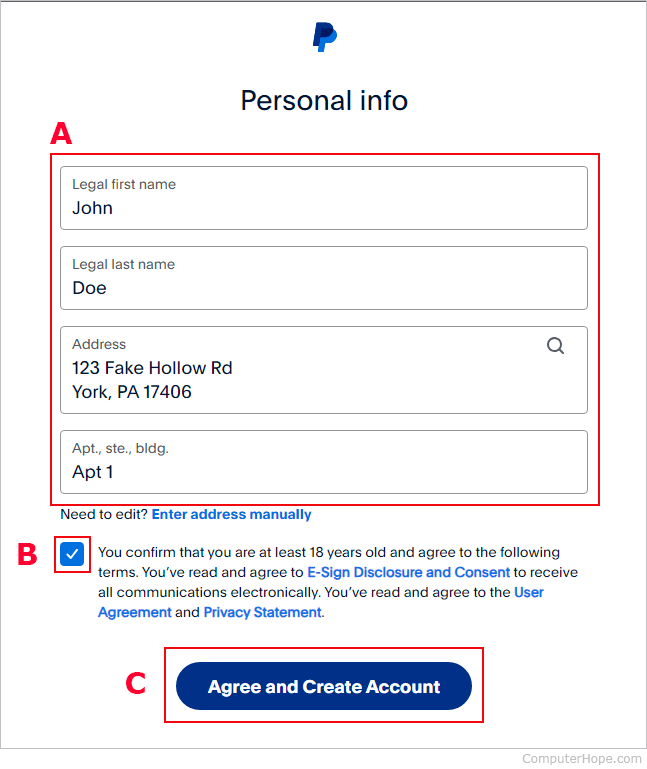
This guide explores the strategic process of opening a PayPal account through the lens of personal and business finance, ensuring that your digital wallet is configured for maximum security, efficiency, and growth.
1. Selecting the Right Foundation: Personal vs. Business Accounts
Before initiating the registration process, a strategic assessment of your financial goals is required. PayPal offers two primary account structures, each designed with specific regulatory and operational needs in mind. Choosing the wrong type initially can lead to administrative friction or unnecessary fee structures later.
Identifying Your Financial Profile
A Personal Account is tailored for the everyday consumer. It is optimized for shopping online, sending money to friends or family (often without fees when using a linked bank account), and managing personal subscriptions. From a financial management perspective, this account is best for those who prioritize ease of use and basic buyer protection.
Conversely, a Business Account is a robust financial tool designed for entities that operate under a company name or freelancers who require professional invoicing capabilities. This account type allows for multi-user access—enabling employees or accountants to manage specific financial tasks without full account control—and provides access to advanced reporting tools that are essential for tax season and cash flow analysis.
Fee Structures and Revenue Implications
One of the most critical aspects of choosing an account type is understanding the impact on your net income. While Personal Accounts generally do not charge for purchases, Business Accounts incur transaction fees on incoming payments. For a business owner, these fees are often viewed as a “cost of doing business,” comparable to merchant service fees at a physical point-of-sale. Understanding these margins is vital for accurate pricing strategies and ensuring that your digital transactions remain profitable.
2. The Systematic Onboarding Process: Establishing Your Digital Identity
Opening a PayPal account is more than just a registration; it is a verification of financial identity. Because PayPal operates under strict global financial regulations, including “Know Your Customer” (KYC) and Anti-Money Laundering (AML) laws, the onboarding process must be handled with precision.
Initiating Registration and Identity Verification
To begin, navigate to the official PayPal portal and select your desired account type. You will be required to provide a legal name, a valid email address, and a secure password. For Business Accounts, you will also need to provide the legal name of your business, your Employer Identification Number (EIN) or Social Security Number (SSN), and a business address.
Accuracy during this phase is paramount. Discrepancies between your PayPal registration and your legal government documentation can result in account “flags” or temporary freezes, which can disrupt your liquidity and financial operations.
Linking Financial Instruments: Banks and Cards
Once the basic profile is created, the next step is to bridge your PayPal account with the traditional banking system. You can link a debit card, a credit card, or a direct bank account. From a financial strategy standpoint, linking a bank account is often preferred for long-term liquidity management, as it allows for the seamless transfer of funds back into your primary savings or checking accounts.
To verify a bank account, PayPal typically sends two micro-deposits (usually just a few cents) to your bank. You must then log back into PayPal and confirm these amounts. This verification process confirms that you have authorized access to the external funds, adding a critical layer of financial security.
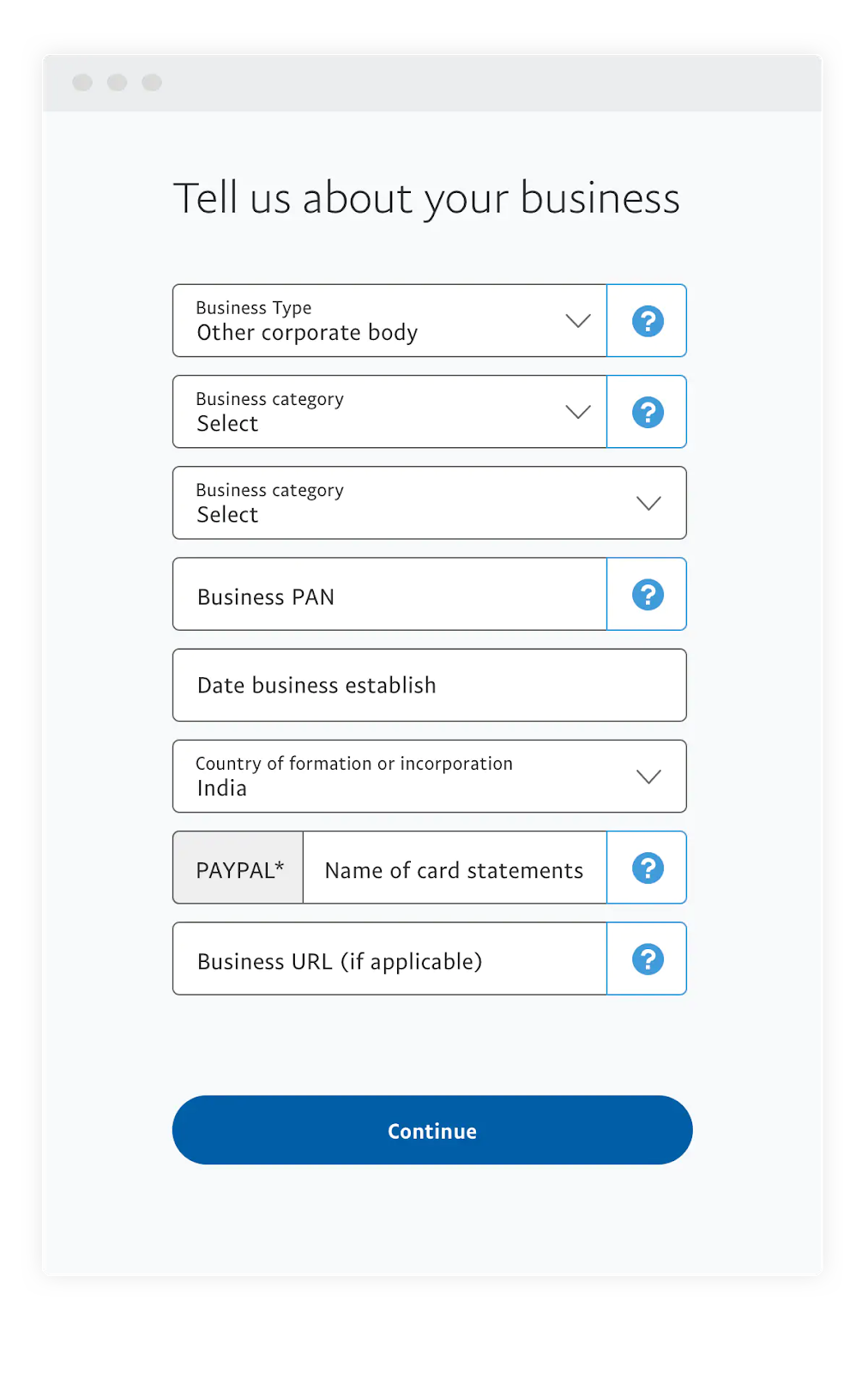
3. Optimizing Security Protocols for Capital Protection
In the realm of digital finance, security is the cornerstone of trust. A PayPal account often holds significant balances or provides a gateway to your primary bank accounts; therefore, treating its security with the same rigor as a traditional bank vault is essential.
Implementing Multi-Factor Authentication (MFA)
The most effective way to safeguard your funds is by enabling Multi-Factor Authentication. This requires not just a password, but a second form of verification—usually a code sent to a mobile device or generated by an authenticator app. In a landscape where phishing and credential stuffing are common, MFA acts as a vital barrier against unauthorized capital outflows.
Understanding Buyer and Seller Protection Programs
One of PayPal’s strongest value propositions is its built-in insurance mechanisms. For personal users, Buyer Protection ensures that if a purchase is not delivered or significantly differs from the description, the financial loss can be recovered.
For business users, Seller Protection is equally vital. It protects your revenue from fraudulent chargebacks or claims of “unauthorized transactions.” To remain eligible for these protections, it is crucial to follow specific financial protocols, such as shipping only to verified addresses and maintaining meticulous records of every transaction.
4. Integrating PayPal into Your Broader Financial Strategy
Once the account is operational and secure, it should be integrated into your overall financial management system. PayPal is not merely a middleman; it is a tool for budgeting, international trade, and capital growth.
Leveraging Cross-Border Financial Tools
For those involved in the global market, PayPal simplifies the complexities of currency conversion. While there are costs associated with foreign exchange (FX) rates, the ability to hold balances in multiple currencies—such as USD, EUR, and GBP—allows users to hedge against currency fluctuations. A business can wait for a favorable exchange rate before transferring international earnings into their local currency, thereby optimizing their realized revenue.
Cash Flow Management and Reporting
PayPal’s backend offers sophisticated financial reporting tools. For personal users, the ability to track monthly spending by category helps in maintaining a strict budget. For businesses, these reports integrate seamlessly with accounting software like QuickBooks or Xero. This automation reduces the administrative burden of bookkeeping and provides a real-time view of your financial health, allowing for more informed decision-making regarding reinvestment or expansion.
5. Scaling and Troubleshooting: Ensuring Long-Term Financial Health
A PayPal account is a dynamic asset. As your financial needs grow—whether you are increasing your online shopping volume or scaling a multinational e-commerce brand—your account management must evolve accordingly.
Managing Account Limits and Reserves
New accounts often have “sending” or “withdrawal” limits imposed by PayPal as a risk management measure. To lift these limits, you must complete the full verification process, which includes confirming your SSN/EIN and linking a verified bank account.
For high-volume business accounts, PayPal may occasionally implement “reserves”—holding a percentage of your funds for a set period to cover potential chargebacks. Understanding the triggers for these reserves (such as a sudden spike in sales volume or a high dispute rate) is essential for maintaining consistent cash flow and avoiding liquidity crunches.

Resolving Financial Disputes and Holds
Disputes are an inevitable part of digital commerce. When a dispute occurs, PayPal may place a temporary “hold” on the disputed funds. Navigating this requires a professional approach: providing clear documentation, responding promptly to inquiries, and maintaining open communication with the counterparty. By managing these friction points effectively, you protect your “account health” score, which in turn ensures lower fees and higher trust levels within the PayPal network.
In conclusion, opening a PayPal account is the first step toward participating in a borderless financial world. By carefully selecting your account type, adhering to rigorous verification standards, and utilizing the platform’s advanced security and reporting tools, you create a powerful engine for both personal financial management and global business success. In the digital age, your financial tools are only as effective as your ability to master them; PayPal provides the infrastructure, but your strategic management defines your financial outcome.
aViewFromTheCave is a participant in the Amazon Services LLC Associates Program, an affiliate advertising program designed to provide a means for sites to earn advertising fees by advertising and linking to Amazon.com. Amazon, the Amazon logo, AmazonSupply, and the AmazonSupply logo are trademarks of Amazon.com, Inc. or its affiliates. As an Amazon Associate we earn affiliate commissions from qualifying purchases.