
In the world of finance, interest rates are often described as the “price of money.” When you borrow money, the interest rate is what you pay for the privilege of using someone else’s capital; when you save or invest, it is the reward you receive for deferring your own consumption. However, the term “high interest rate” is relative and deeply contextual. What was considered a bargain in the 1980s would be seen as an economic catastrophe today.
Understanding what constitutes a high interest rate is essential for anyone looking to master their personal finances, manage a business, or invest wisely. This guide explores the mechanics of interest rates, why they fluctuate, and how a “high” rate environment reshapes the financial landscape for borrowers and savers alike.
The Economic Drivers Behind Interest Rates
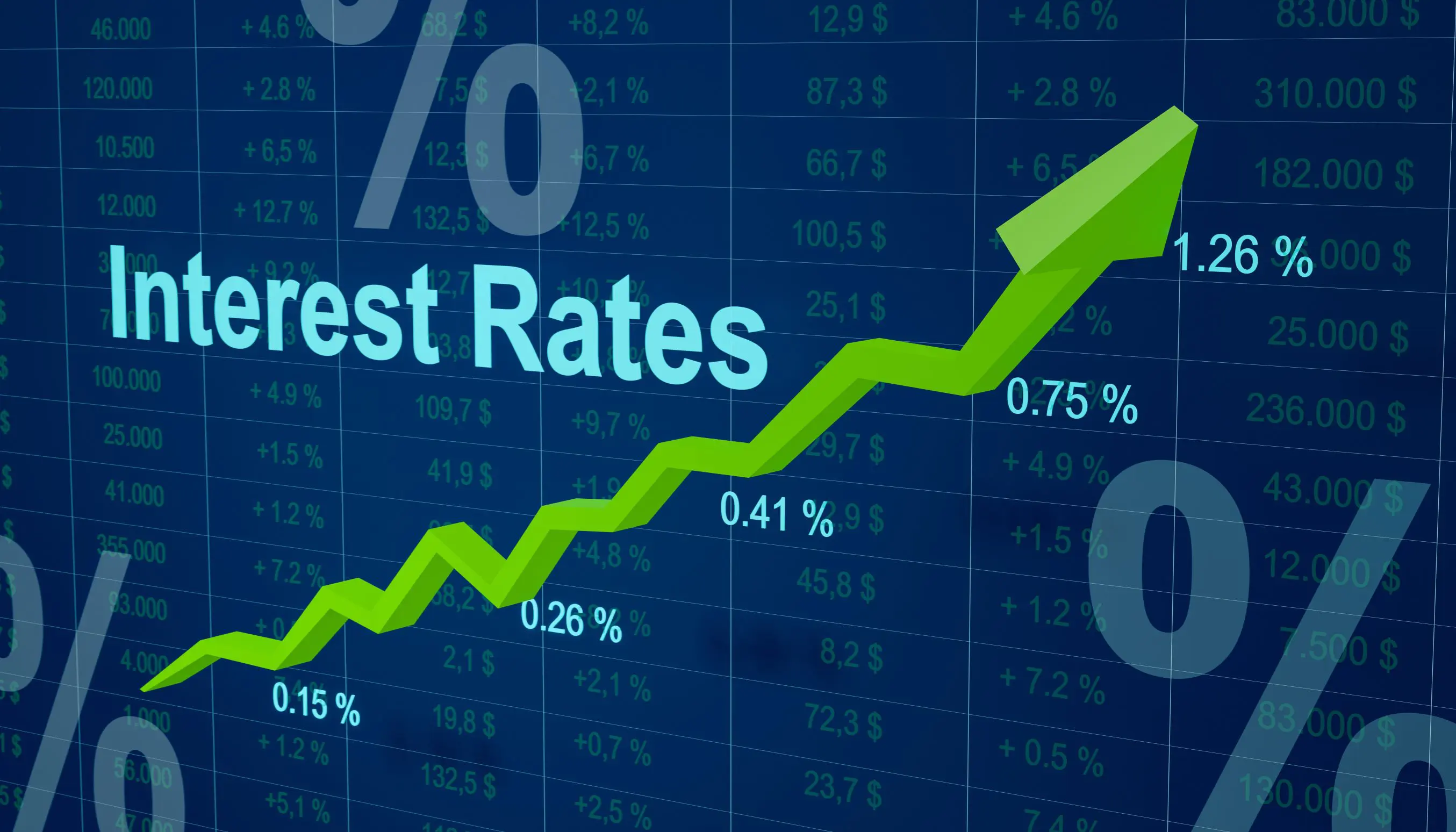
Interest rates do not exist in a vacuum. They are influenced by a complex interplay of central bank policies, inflationary pressures, and global economic health. To understand why rates might be considered “high,” one must first understand the engines that drive them upward.
The Role of Central Banks and Monetary Policy
Central banks, such as the Federal Reserve in the United States or the European Central Bank, are the primary architects of interest rate environments. Their main tool is the “benchmark rate” or “federal funds rate.” When the economy is growing too quickly and inflation begins to rise, central banks increase these benchmark rates.
By making it more expensive for banks to borrow money from each other, the cost of borrowing filters down to the consumer. A high-interest environment is often a deliberate choice by policymakers to “cool down” the economy, reduce spending, and bring inflation back to a target level (usually around 2%).
Inflation and the Real Interest Rate
Inflation is perhaps the most significant factor in determining whether an interest rate is high. Economists often look at the “real interest rate,” which is the nominal interest rate minus the rate of inflation.
For example, if a bank offers you a 5% interest rate on a loan while inflation is at 2%, the real cost of that loan is 3%. However, if inflation is at 8%, that 5% loan actually represents a “negative” real interest rate, as the value of the money you are paying back is decreasing faster than the interest is accruing. Therefore, an interest rate is generally considered “high” when it significantly exceeds the current rate of inflation, providing a substantial real return to lenders and a heavy burden to borrowers.
Economic Growth and Risk Premium
In a booming economy, demand for capital is high. Businesses want to expand, and consumers want to buy homes and cars. This high demand can push interest rates upward. Additionally, the “risk premium” plays a role. If the global economy is volatile, lenders may demand higher interest rates to compensate for the perceived risk of default. In this context, a high interest rate is a reflection of the market’s demand for safety and compensation.
Defining “High” Across Different Financial Products
The definition of a high interest rate changes drastically depending on whether you are looking at a mortgage, a credit card, or a corporate bond. Because different financial products carry different levels of risk and duration, the benchmarks for what is “high” are fundamentally different.
Mortgages and Long-Term Loans
For most consumers, the mortgage rate is the most important interest rate they will ever encounter. Historically, mortgage rates have fluctuated wildly. In the early 1980s, U.S. mortgage rates peaked at over 18%. In contrast, the post-2008 era saw rates drop below 3%.
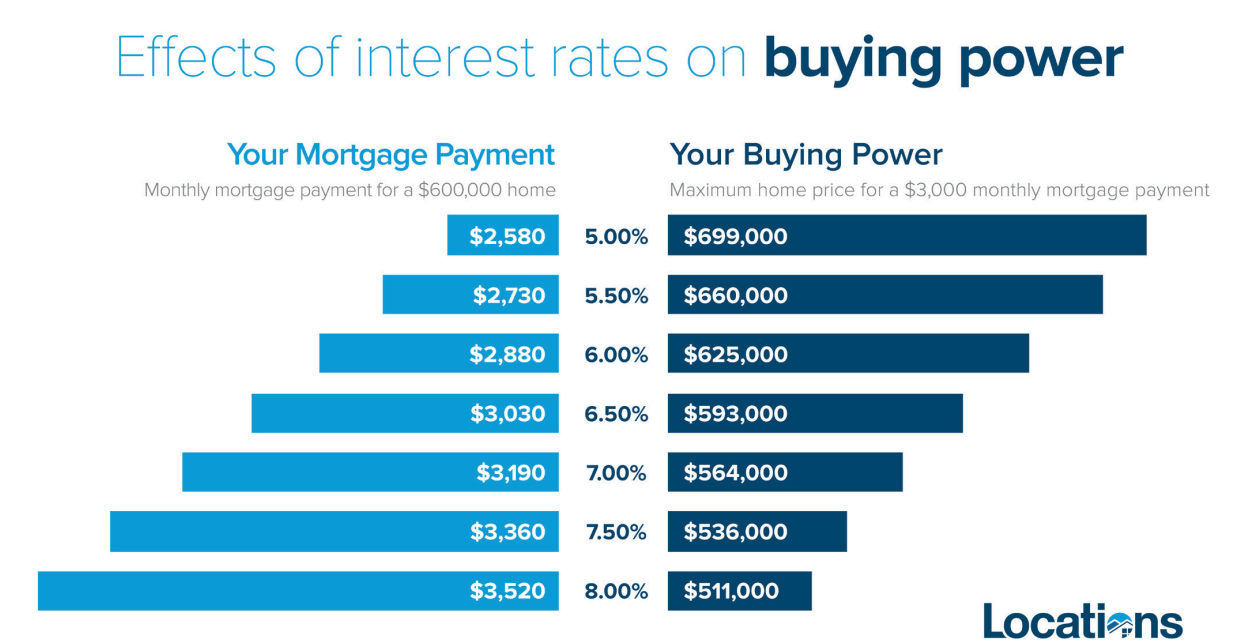
In the current economic climate, a mortgage rate is often considered “high” if it exceeds the 10-year or 20-year historical average. For example, if the average rate over the last decade was 4%, a jump to 7% or 8% is perceived as high. This shift has a massive impact on affordability, often adding hundreds or thousands of dollars to a monthly house payment.
Credit Cards and Unsecured Debt
Credit cards carry some of the highest interest rates in the financial world because they are “unsecured,” meaning there is no collateral (like a house or car) for the bank to seize if the borrower defaults.
While a 7% mortgage might be considered high, a “high” credit card rate is usually anything above 20% to 25% APR (Annual Percentage Rate). Because these rates are often variable, they rise in lockstep with central bank hikes. For a consumer carrying a balance, these high rates can lead to a “debt spiral,” where the interest charges alone exceed the borrower’s ability to pay down the principal.
Savings Accounts and Fixed-Income Investments
For savers, a high interest rate is a goal rather than a burden. In a low-rate environment, traditional savings accounts might offer a measly 0.01% interest. A “High-Yield Savings Account” (HYSA) or a Certificate of Deposit (CD) is considered to have a high rate if it offers returns that compete with or exceed inflation. In a tightening monetary cycle, seeing rates of 4% to 5% on liquid savings is considered high, providing a safe haven for investors who want to avoid the volatility of the stock market.
The Impact of High Interest Rates on Borrowers and Consumers
When interest rates climb, the ripple effects are felt throughout the entire economy. For the average consumer, high rates act as a tax on debt, reducing discretionary income and altering long-term financial planning.
The Increased Cost of Homeownership
The housing market is perhaps the most sensitive sector to interest rate changes. As rates rise, the purchasing power of the average buyer shrinks. A buyer who could afford a $500,000 home at a 3% interest rate might only be able to afford a $350,000 home at a 7% rate for the same monthly payment. This often leads to a slowdown in home sales and can eventually lead to a stagnation or decline in property values, as fewer buyers can meet the entry price.
Corporate Spending and Employment
Businesses also rely heavily on borrowing to fund operations and expansion. When interest rates are high, the cost of corporate bonds and business loans increases. This often leads to “capital expenditure” (CapEx) cuts. Companies may delay building new factories, skip technology upgrades, or freeze hiring to preserve cash. In extreme cases, high interest rates can lead to layoffs as companies struggle to service their existing debt loads, potentially triggering a recession.
Consumer Behavior and the “Wealth Effect”
High interest rates discourage “big-ticket” purchases that require financing, such as automobiles, appliances, and luxury goods. This shift in behavior is exactly what central banks intend when they raise rates: by slowing down consumer spending, they reduce the demand that drives up prices. However, this also results in a negative “wealth effect,” where consumers feel less wealthy because their borrowing costs are high and their asset values (like home equity) may be plateauing.
The Silver Lining: Opportunities for Savers and Investors
While high interest rates are often painted in a negative light, they offer significant advantages for those with capital to preserve or invest. For the first time in years, “cash” can be a productive asset class.
High-Yield Savings and Treasury Bills
In a high-rate environment, the “risk-free rate of return” increases. Investors can earn substantial interest by putting money into U.S. Treasury bills or high-yield savings accounts. This is particularly beneficial for retirees or those with a low risk tolerance who rely on fixed income. When you can earn 5% on a guaranteed government bond, the pressure to chase risky returns in the stock market diminishes.
The Return of “Value” Investing
Low interest rates tend to favor “growth” stocks—companies that may not be profitable now but promise massive returns in the future (common in the tech sector). This is because the “discount rate” used to value future cash flows is low. When interest rates rise, the math changes. Investors start prioritizing companies that are profitable now and pay dividends. High interest rates often lead to a resurgence in value investing, where fundamental metrics like price-to-earnings (P/E) ratios and cash flow become the primary drivers of stock selection.
Strengthening of the National Currency
On a macroeconomic level, high interest rates often lead to a stronger national currency. When a country’s central bank raises rates, it attracts foreign capital from investors looking for higher yields. This increased demand for the currency drives up its value. For consumers, a stronger currency can make imported goods cheaper and international travel more affordable, providing a slight cushion against domestic inflation.
Strategies for Navigating a High-Interest Environment
Managing your finances when rates are high requires a shift in strategy. The focus moves from aggressive borrowing and growth to debt optimization and capital preservation.
Prioritizing Debt Repayment
In a high-rate environment, the “Debt Avalanche” method becomes more effective than ever. This strategy involves paying off the debt with the highest interest rate first while making minimum payments on others. Because the cost of carrying high-interest debt (like credit cards) is so extreme, the “return” you get from paying off a 24% APR card is essentially a guaranteed 24% return on your money.
Locking in Fixed Rates
If you anticipate that interest rates will remain high or continue to rise, locking in fixed rates is a defensive necessity. This applies to transitioning from variable-rate credit cards to fixed-rate personal loans or choosing fixed-rate mortgages over adjustable-rate mortgages (ARMs). Conversely, for savers, locking in a high rate with a long-term Certificate of Deposit (CD) allows you to enjoy high yields even if the central bank begins cutting rates in the future.
Reevaluating Investment Portfolios
Investors should look at their portfolios through the lens of interest rate sensitivity. High rates can be a headwind for real estate investment trusts (REITs) and high-growth tech stocks, but they can be a tailwind for insurance companies and banks, which often see higher profit margins when rates rise. Diversifying into inflation-protected securities, such as TIPS (Treasury Inflation-Protected Securities), can also provide a hedge if high rates are accompanied by persistent inflation.
Conclusion
A “high” interest rate is more than just a number; it is a fundamental shift in the economic climate. For the borrower, it represents a challenge to affordability and a call for fiscal discipline. For the saver, it represents a rare opportunity to grow wealth with minimal risk.
By understanding the forces that drive interest rates—inflation, central bank policy, and market risk—you can better position your personal and business finances to weather the challenges and capitalize on the opportunities. Whether rates are at 2% or 10%, the key to financial success remains the same: staying informed, minimizing high-cost debt, and ensuring your capital is working as hard for you as possible.
aViewFromTheCave is a participant in the Amazon Services LLC Associates Program, an affiliate advertising program designed to provide a means for sites to earn advertising fees by advertising and linking to Amazon.com. Amazon, the Amazon logo, AmazonSupply, and the AmazonSupply logo are trademarks of Amazon.com, Inc. or its affiliates. As an Amazon Associate we earn affiliate commissions from qualifying purchases.