
Bitcoin has undergone a remarkable evolution since its inception in 2009. Originally conceived as a “peer-to-peer electronic cash system,” it spent much of its first decade being characterized primarily as “digital gold”—a speculative asset or a long-term store of value. However, as the infrastructure surrounding digital assets matures, the narrative is shifting back toward its original purpose. For the modern investor and the financially savvy individual, understanding how to spend Bitcoin is no longer just a technical curiosity; it is a fundamental component of managing a diversified digital portfolio.
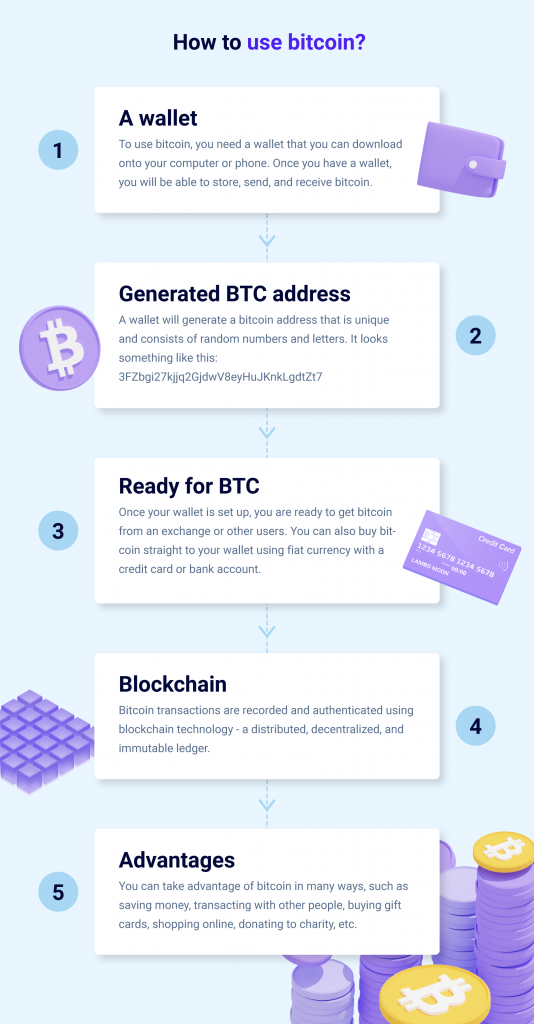
Transitioning from holding Bitcoin to spending it requires a strategic approach. It involves navigating a landscape of fluctuating exchange rates, varying merchant acceptance, and complex tax regulations. This guide explores the financial mechanics of utilizing Bitcoin in the real world, providing a roadmap for integrating cryptocurrency into your daily financial life.
Integrating Bitcoin into Your Personal Finance Strategy
Before diving into the “how” of spending, it is essential to address the “why” and “when” from a financial planning perspective. Spending a volatile asset requires a different mental framework than spending fiat currency.
The Transition from Store of Value to Medium of Exchange
For many, the primary hurdle in spending Bitcoin is the “opportunity cost.” If the value of Bitcoin increases significantly after a purchase, the buyer may feel they overpaid in hindsight. To mitigate this, many sophisticated users employ a “spend and replace” strategy. This involves purchasing an equivalent amount of Bitcoin immediately after spending it, thereby maintaining your investment position while still utilizing the asset for its utility. This approach allows you to support the circular crypto economy without depleting your long-term holdings.
Managing Liquidity and Volatility
Volatility is a double-edged sword in the world of personal finance. When Bitcoin’s price surges, your purchasing power increases, making it an opportune time to fund major expenses. Conversely, during market pullbacks, it is often wiser to hold. Successful crypto-financial management involves maintaining a liquid “buffer” of stablecoins or fiat to avoid being forced to spend Bitcoin when its value is low. By viewing your Bitcoin wallet as a high-yield, high-volatility component of your broader portfolio, you can make informed decisions about when to liquidate for goods and services.
Practical Methods for Spending Bitcoin Today
The ecosystem for spending Bitcoin has expanded far beyond niche online forums. Today, there are three primary channels through which you can utilize your digital wealth: direct merchant payments, crypto-linked debit cards, and third-party intermediaries.
Direct Merchant Payments and E-commerce
A growing number of major corporations and independent retailers now accept Bitcoin directly. Companies like Microsoft, Overstock, and Newegg were early adopters, allowing users to pay directly from their wallets. These transactions typically involve scanning a QR code at checkout. For the consumer, this is the “purest” way to spend Bitcoin, as it avoids traditional banking rails entirely. When paying directly, you are engaging with the blockchain, ensuring a level of privacy and autonomy that traditional credit cards cannot match.
Crypto Debit Cards: Bridging the Gap
Perhaps the most significant advancement in Bitcoin’s utility is the rise of the crypto debit card. Issued by companies like Coinbase, BitPay, and Crypto.com, these cards are linked to your digital asset balance but run on major payment networks like Visa or Mastercard. When you swipe the card at a grocery store or restaurant, the provider instantly converts the necessary amount of Bitcoin into local fiat currency to complete the transaction. This offers the ultimate convenience, allowing you to spend Bitcoin at millions of locations worldwide that do not yet officially support cryptocurrency.
Gift Cards and Third-party Intermediaries
For merchants that do not accept Bitcoin and for users who do not wish to carry a specific crypto debit card, gift cards represent a powerful middle ground. Platforms like Bitrefill or Fold allow users to purchase gift cards for thousands of brands—including Amazon, Airbnb, and Starbucks—using Bitcoin. This method is often preferred by privacy-conscious users because it adds a layer of separation between their crypto wallet and their final purchase, while still allowing them to live “off the grid” of traditional banking.

The Financial Logistics of Crypto Transactions
Spending Bitcoin is not as simple as swiping a plastic card; there are underlying mechanics that impact the total cost and efficiency of your purchase. Understanding these logistics is key to professional financial management.
Transaction Fees and Network Costs
Every Bitcoin transaction requires a fee paid to miners to process the data. These fees are not based on the value of the transaction but on the amount of data the transaction occupies on the blockchain. During periods of high network congestion, these fees can spike. From a financial standpoint, it is rarely cost-effective to buy a $5 coffee using a standard “on-chain” Bitcoin transaction if the network fee is $10. Savvy users monitor “mempool” levels and time their larger purchases for periods of lower network activity to minimize overhead.
Speed vs. Security: On-chain vs. Lightning Network
To solve the issues of speed and high fees, the Lightning Network was developed as a “Layer 2” scaling solution. It allows for nearly instantaneous transactions with fees that are fractions of a cent. For daily micro-transactions, the Lightning Network is the gold standard. However, for significant purchases—such as buying a vehicle or real estate—on-chain transactions are still preferred due to the unparalleled security and finality provided by the main Bitcoin blockchain. Choosing the right “layer” for your spend is a critical financial decision.
Tax Implications and Regulatory Compliance
In many jurisdictions, Bitcoin is treated as property rather than currency for tax purposes. This distinction is the most important factor to consider when spending your digital assets, as every transaction can trigger a taxable event.
Capital Gains and Taxable Events
When you buy a product with Bitcoin, the tax authorities generally view that transaction as two steps: first, you sold your Bitcoin for its current fair market value, and second, you used that value to buy a product. If the value of the Bitcoin increased from the time you acquired it to the time you spent it, you may owe capital gains tax on the difference. Conversely, if you spent it at a loss, you might be able to use that loss to offset other capital gains. Keeping a close eye on your “cost basis” is essential for avoiding legal complications during tax season.
Record Keeping for the Modern Investor
Because of these tax complexities, meticulous record-keeping is mandatory. You must track the date of acquisition, the date of the spend, the fiat value at both times, and the purpose of the transaction. Fortunately, many modern wallets and crypto-debit card providers offer automated reporting tools. Utilizing specialized crypto-tax software can help aggregate this data, ensuring that you remain compliant with local regulations while maximizing your after-tax returns.
Future Outlook: Bitcoin as a Universal Financial Tool
As we look toward the future, the friction associated with spending Bitcoin is rapidly diminishing. The integration of digital assets into the global financial fabric is moving from the fringes to the mainstream.
Institutional Adoption and Mainstream Integration
We are seeing a shift where traditional financial institutions are beginning to offer “crypto-fiat” hybrid accounts. In the coming years, it is likely that your standard banking app will allow you to toggle between spending from your savings account or your Bitcoin balance. Furthermore, as central banks explore Central Bank Digital Currencies (CBDCs), the public’s familiarity with digital wallets will grow, indirectly benefiting the adoption of Bitcoin as a practical medium of exchange.

The Rise of the Circular Economy
The ultimate goal for many Bitcoin advocates is a “circular economy,” where businesses pay their suppliers in Bitcoin, who in turn pay their employees in Bitcoin, who then spend it at those same businesses. While we are in the early stages of this transition, certain sectors—particularly in the tech and freelance industries—are already operating this way. By learning how to spend Bitcoin efficiently today, you are positioning yourself at the forefront of a financial revolution that prizes transparency, borderless transactions, and individual fiscal sovereignty.
In conclusion, spending Bitcoin is a sophisticated financial maneuver that requires a balance of technical knowledge and economic strategy. By understanding the various payment methods, managing the underlying costs, and staying diligent with tax obligations, you can transform Bitcoin from a static investment into a dynamic tool for modern living. As the infrastructure continues to improve, the line between “money” and “Bitcoin” will continue to blur, ushering in a new era of financial flexibility.
aViewFromTheCave is a participant in the Amazon Services LLC Associates Program, an affiliate advertising program designed to provide a means for sites to earn advertising fees by advertising and linking to Amazon.com. Amazon, the Amazon logo, AmazonSupply, and the AmazonSupply logo are trademarks of Amazon.com, Inc. or its affiliates. As an Amazon Associate we earn affiliate commissions from qualifying purchases.