
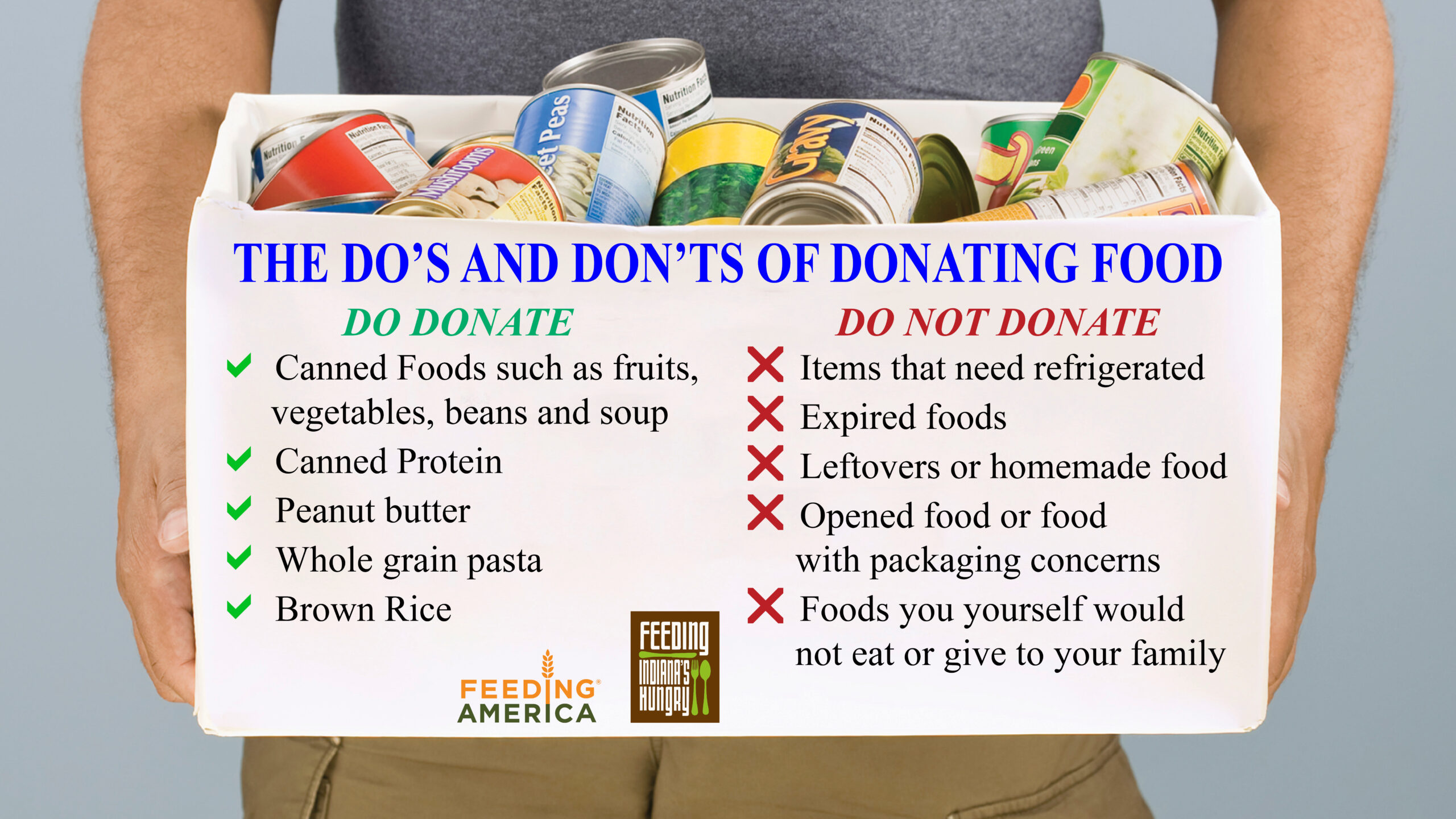
The traditional image of food donation—dropping off a few non-perishable cans at a local church or community center—is undergoing a radical digital transformation. As the global community grapples with the dual crises of food insecurity and environmental degradation caused by food waste, technology has stepped in as a vital intermediary. Today, the question of “where I can donate food” is increasingly answered not by a physical map, but by sophisticated software, real-time logistics apps, and AI-driven platforms.
In this deep dive, we explore the technological ecosystem designed to streamline food recovery. From peer-to-peer sharing apps to enterprise-level surplus management software, technology is ensuring that excess food finds its way to those in need with unprecedented efficiency.
1. The Rise of Food Recovery Apps: Connecting Surplus to Scarcity
The most significant barrier to food donation has historically been logistics. How does a restaurant with ten extra meals at 10:00 PM find someone to take them before they spoil? Mobile applications have solved this “last-mile” problem by creating real-time marketplaces for surplus food.
The Peer-to-Peer Model: Olio and Community Sharing
Apps like Olio have pioneered the neighborhood-sharing economy. By utilizing geolocation and push notifications, these platforms allow individuals and local businesses to list food items that are nearing their expiration date. Users simply snap a photo, upload a description, and set a pickup time. The tech stack behind these apps relies on robust geospatial mapping to ensure that donations are hyper-local, minimizing the carbon footprint of the donation process itself.
Commercial Surplus Platforms: Too Good To Go
While some apps focus on pure donation, others use a “social tech” hybrid model. Too Good To Go is a leading example of an app that allows businesses like bakeries and grocery stores to sell surplus food at a massive discount. This prevents waste while providing affordable food options. The software integrates seamlessly with Point of Sale (POS) systems, allowing managers to update “Magic Bag” inventory with just a few taps, demonstrating how agile software can turn a potential loss into a community benefit.
Volunteer Logistics: Food Rescue Hero
For larger-scale donations, Food Rescue Hero utilizes an Uber-like algorithm to coordinate “food rescues.” The platform alerts volunteers to available donations at retail locations and provides them with optimized driving routes to the nearest social service agency. This use of logistics technology ensures that perishable items, such as fresh produce and meat, are moved within the critical safety window.
2. Enterprise Software and AI: Predicting and Preventing Waste
Beyond simple donation apps, the tech industry is developing high-level software solutions for the hospitality and retail sectors. These tools aim to stop waste before it happens or automate the donation process for massive corporations.
AI-Driven Inventory Management
Modern grocery chains are now utilizing Artificial Intelligence (AI) and Machine Learning (ML) to manage inventory. By analyzing historical sales data, weather patterns, and local events, these algorithms can predict demand with high accuracy. When the system identifies an unavoidable surplus, it can automatically trigger a “donation event,” notifying local food banks via API integration before the food even reaches the shelf. This proactive approach is a significant step up from reactive, manual donation efforts.
Smart Kitchen Tech: Winnow and Leanpath
In the world of commercial kitchens, gadgets like smart scales and AI-enabled cameras are changing the game. Systems like Winnow use computer vision to identify what types of food are being thrown away most frequently. The data is compiled into a cloud-based dashboard, giving chefs actionable insights. If the data shows a consistent surplus of a specific dish, the technology suggests a reduction in production or a scheduled donation to a partner charity, integrating philanthropy directly into the business’s digital workflow.

3. Transparency Through Blockchain and Data Analytics
A common concern for donors is the lack of transparency: “Where did my food actually go?” Technology is solving this through distributed ledger technology and advanced data tracking.
Tracking the Chain of Custody
Blockchain technology is being piloted to track food donations from the point of origin to the end consumer. By creating an immutable record of the donation, organizations can verify food safety standards (such as temperature control during transport) and ensure that the food was delivered to the intended recipient. This level of digital security builds trust between corporate donors and non-profit organizations, encouraging more frequent and larger-scale contributions.
Data Analytics for Impact Reporting
For organizations managing food donations, data analytics platforms provide comprehensive dashboards that visualize impact. These tools track metrics such as pounds of food diverted from landfills, CO2 emissions saved, and the number of meals provided. For a modern tech-savvy donor, these data points are essential. Digital platforms often provide “Impact Reports” that can be shared on social media or included in corporate transparency reports, leveraging data visualization to tell a compelling story of digital altruism.
4. Digital Security and Privacy in Philanthropic Platforms
As with any platform dealing with logistics and personal data, security is paramount. When you use an app to donate food, you are sharing location data, contact information, and sometimes financial details for tax-deductible receipts.
Protecting Donor and Recipient Anonymity
High-quality food donation apps prioritize data encryption and privacy. It is crucial for these platforms to protect the privacy of recipients to maintain dignity, while also securing the data of the donors. Advanced permissions and data-masking techniques ensure that while a volunteer knows where to pick up food, they don’t necessarily have access to the private internal data of the donor business.
Secure API Integrations
Many food donation platforms function by integrating with other apps—such as Google Maps for navigation or Stripe for processing monetary donations to cover transport costs. The security of these API (Application Programming Interface) connections is vital. Developers must ensure that vulnerabilities in one part of the tech stack do not compromise the entire food recovery network, making cybersecurity a foundational pillar of modern food donation.
5. The Future of Food Donation: IoT and Automated Recovery
Looking forward, the integration of the Internet of Things (IoT) promises to make food donation even more seamless.
Smart Refrigerators and Real-Time Monitoring
In the near future, IoT-enabled industrial refrigerators in supermarkets will be able to monitor the shelf life of products automatically. When a pallet of yogurt approaches its “sell-by” date, the fridge can send an automated signal to a food recovery app, requesting a pickup. This removes the human element of “forgetting” to donate, ensuring that no edible food is ever discarded due to administrative oversight.
Drone and Autonomous Vehicle Delivery
While still in the testing phases, autonomous delivery bots and drones represent the next frontier in food donation logistics. In urban environments, small autonomous robots could potentially handle the short-distance transport of surplus meals from restaurants to local shelters. By reducing the reliance on human volunteers and gas-powered vehicles, technology will make the process of donating food faster, cheaper, and more sustainable than ever before.
Conclusion: A Digital Call to Action
The answer to “where I can donate food” is no longer a static location, but a dynamic, tech-driven ecosystem. Whether you are an individual with a few extra groceries or a corporation with tons of surplus inventory, there is a software solution tailored to your needs. By embracing these apps, AI tools, and secure platforms, we can move toward a future where “waste” is a word of the past, and technology serves as the ultimate bridge between abundance and need. In the modern era, the most powerful tool for fighting hunger might just be the smartphone in your pocket.
aViewFromTheCave is a participant in the Amazon Services LLC Associates Program, an affiliate advertising program designed to provide a means for sites to earn advertising fees by advertising and linking to Amazon.com. Amazon, the Amazon logo, AmazonSupply, and the AmazonSupply logo are trademarks of Amazon.com, Inc. or its affiliates. As an Amazon Associate we earn affiliate commissions from qualifying purchases.