
In an era increasingly dominated by digital ledgers and cryptocurrency, the paper check remains a surprisingly resilient fixture of the financial landscape. Whether it is a federal tax refund, a birthday gift from a relative, or a payroll check from a small business, the need to convert that paper into liquid capital is a common challenge. When the question “Where can I cash checks near me?” arises, the answer depends heavily on your banking status, the type of check you hold, and how much you are willing to pay in convenience fees.
Navigating the ecosystem of personal finance requires understanding the trade-offs between speed, cost, and accessibility. This guide explores the diverse landscape of check-cashing options, from traditional brick-and-mortar banks to the burgeoning world of fintech applications.
1. Traditional Banking Institutions: The Most Cost-Effective Path
For individuals with an established financial footprint, traditional banks and credit unions offer the most secure and affordable way to cash a check. Because these institutions already have a verified relationship with the account holder, they typically waive the fees associated with check processing.
Cashing at Your Own Bank or Credit Union
If you have a checking or savings account, your own bank is the primary destination. When you deposit a check at your home institution, you are essentially leveraging your account history as collateral. Most banks allow you to cash the check immediately, provided you have a sufficient balance to cover the amount should the check bounce. If your balance is low, the bank may place a “hold” on the funds for one to three business days to ensure the issuing account has the necessary capital.
Cashing at the Issuing Bank
If you do not have a bank account, your best option is often the “issuing bank”—the financial institution whose name is printed on the check. Because the issuing bank can instantly verify the funds in the payer’s account, they are often willing to cash the check for non-customers. However, be prepared to pay a flat fee or a small percentage of the check’s value. You will also be required to provide valid government-issued identification, such as a driver’s license or passport.
Credit Unions and Shared Branching
Credit unions are member-owned cooperatives that often prioritize community service. If you are a member of a credit union that participates in “Shared Branching,” you may be able to cash a check at a different credit union branch across the country as if it were your own. This is a powerful tool for those who travel frequently but prefer the personalized feel of a local financial institution.
2. Retailers and Grocery Stores: Convenience at the Point of Sale
The retail sector has stepped in to fill the gap for those who need to cash checks outside of traditional banking hours or for those who do not have a bank account. Many large-scale retailers offer check-cashing services as a way to drive foot traffic and provide a value-added service to their customers.
Major Grocery Chains
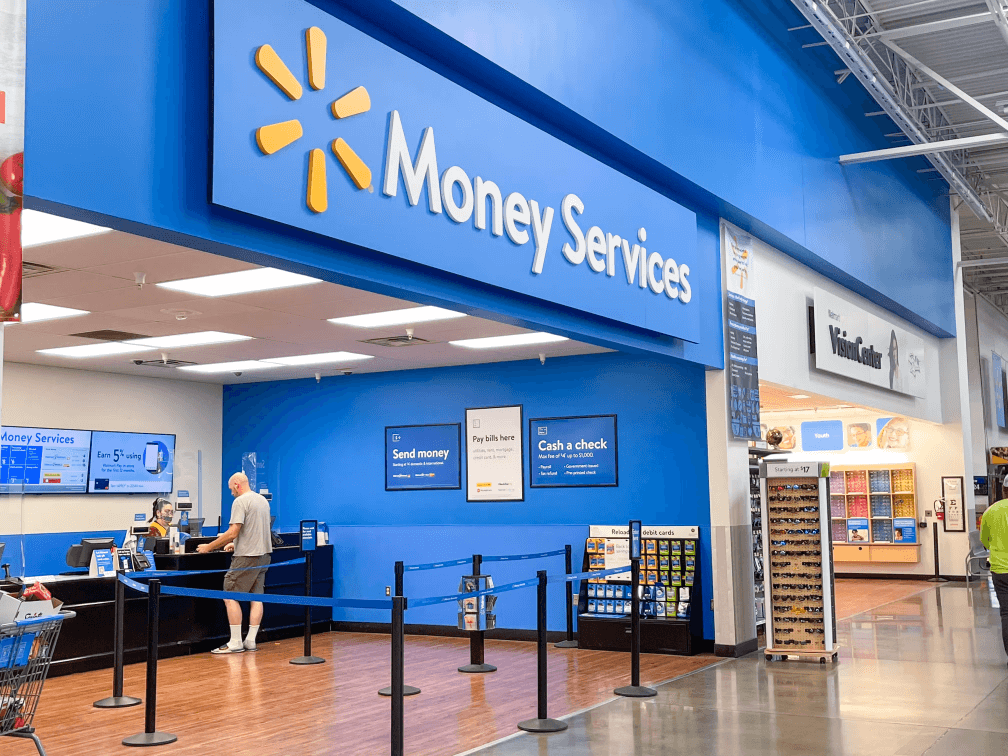
Grocery stores like Kroger, Publix, and Safeway often have service desks—frequently labeled as “Money Services”—that process various types of checks. These outlets are particularly useful for payroll checks and government checks. They generally charge a tiered fee based on the amount of the check. For example, cashing a check up to $1,000 might cost $4, while larger amounts may incur a higher fee.
Big-Box Retailers: The Walmart Model
Walmart is perhaps the most well-known non-bank check casher in the United States. Their “MoneyCenter” handles payroll, government, tax, and even some 404(k) disbursement checks. The advantage of using a big-box retailer is the extended hours; while a bank might close at 5:00 PM, a retail service desk may remain open until 8:00 or 9:00 PM. Walmart also offers the option to load your cashed funds onto a pre-paid debit card, which can be a vital tool for managing personal finances without a traditional bank account.
Understanding Fees and Limits
When using retail options, it is vital to read the fine print. Most retailers have a maximum limit—often $5,000—and may lower that limit during tax season. Furthermore, most grocery stores and retailers will not cash personal checks (checks written from one individual to another) due to the high risk of fraud associated with them.
3. Specialized Financial Service Centers

For many “unbanked” or “underbanked” individuals, specialized check-cashing stores are a frequent stop. While these locations offer high accessibility, they are often the most expensive option in the marketplace.
Check-Cashing Outlets
Businesses that specialize exclusively in check cashing and payday loans are ubiquitous in urban areas. The primary draw of these establishments is their lack of bureaucracy. They often have fewer requirements than banks and stay open 24/7. However, this convenience comes at a premium. Fees at these outlets can range from 1% to 10% of the check’s total value, which can significantly eat into a worker’s take-home pay.
24/7 Payday Loan and Currency Exchanges
In some regions, currency exchanges or payday loan centers serve as the primary financial hub for the neighborhood. These centers are equipped to handle complex situations, such as checks made out to multiple parties or insurance settlement checks. While they provide a necessary service for those excluded from the traditional banking system, financial advisors typically recommend using them only as a last resort due to the high cost of transactions.
4. The Digital Shift: Cashing Checks via Mobile Apps
The most modern answer to “Where can I cash checks near me?” is actually “In your pocket.” Mobile technology has revolutionized how we interact with physical currency, allowing users to bypass physical locations entirely.
Mobile Deposit via Banking Apps
Almost every major bank now offers a mobile deposit feature within their smartphone app. By taking a high-resolution photo of the front and back of the endorsed check, you can deposit funds directly into your account from your living room. While this does not provide “cash in hand” immediately, it is the fastest way to get funds into your digital balance. Many banks now offer “Express Deposit” for a small fee, which makes the funds available instantly rather than waiting for the standard clearing period.
Third-Party Fintech Apps (PayPal, Venmo, Ingo Money)
If you do not have a traditional bank account, fintech giants like PayPal and Venmo offer “Cash a Check” features, often powered by a service called Ingo Money. Users can take a photo of their check and choose between two options:
- Money in Minutes: For a fee (usually around 1% to 5% with a $5 minimum), the funds are cleared and added to your digital wallet almost instantly.
- Money in 10 Days: If you can afford to wait, the service is often free of charge, provided the check is verified and does not bounce.
This digital approach is particularly beneficial for the younger, tech-savvy generation and gig economy workers who may receive physical checks but operate primarily through digital payment platforms.
5. Essential Requirements and Security Considerations
Regardless of where you choose to cash your check, there are universal standards and safety protocols you must follow to ensure a smooth transaction and protect your financial well-being.
Required Identification and Endorsement
You should never head to a check-cashing location without proper identification. A valid, government-issued photo ID is mandatory everywhere. Additionally, do not sign (endorse) the back of your check until you are physically at the counter or ready to take the photo for a mobile deposit. A pre-signed check is essentially as good as cash; if you lose it, anyone who finds it could potentially attempt to cash it.
Guarding Against Fraud and Scams
The world of check cashing is unfortunately rife with predatory practices. Be wary of “check-cashing scams” where an individual asks you to cash a check for them in exchange for a portion of the money. If the check is fraudulent, you—the person who cashed it—will be held legally and financially responsible for the full amount.
Always verify the legitimacy of the check before attempting to cash it. If a check is for an unexpectedly high amount or comes from an unknown source, contact the issuing bank to verify its authenticity before proceeding.

Conclusion: Choosing the Right Option for Your Needs
Finding a place to cash a check near you is less about a lack of options and more about choosing the one that aligns with your financial goals. If you have a bank account and can wait a day or two, mobile deposit is the most convenient and cheapest route. If you need physical cash immediately and don’t mind a small fee, a grocery store or the issuing bank is your best bet.
By understanding the landscape of fees, requirements, and digital alternatives, you can make an informed decision that preserves your hard-earned money while providing the liquidity you need to navigate your daily life. Personal finance is built on these small, everyday decisions; choosing the right way to cash a check is a fundamental step in managing your wealth effectively.
aViewFromTheCave is a participant in the Amazon Services LLC Associates Program, an affiliate advertising program designed to provide a means for sites to earn advertising fees by advertising and linking to Amazon.com. Amazon, the Amazon logo, AmazonSupply, and the AmazonSupply logo are trademarks of Amazon.com, Inc. or its affiliates. As an Amazon Associate we earn affiliate commissions from qualifying purchases.